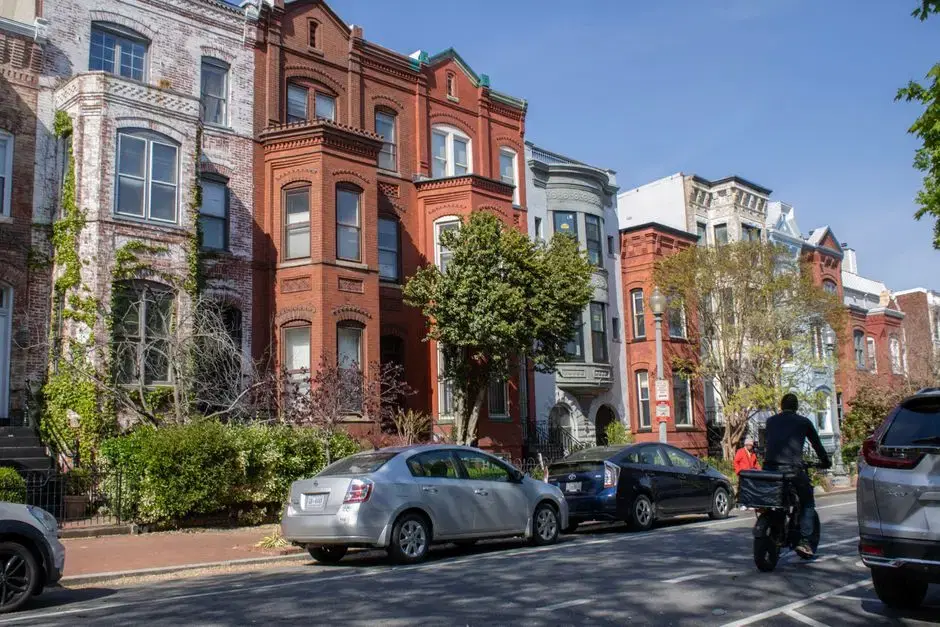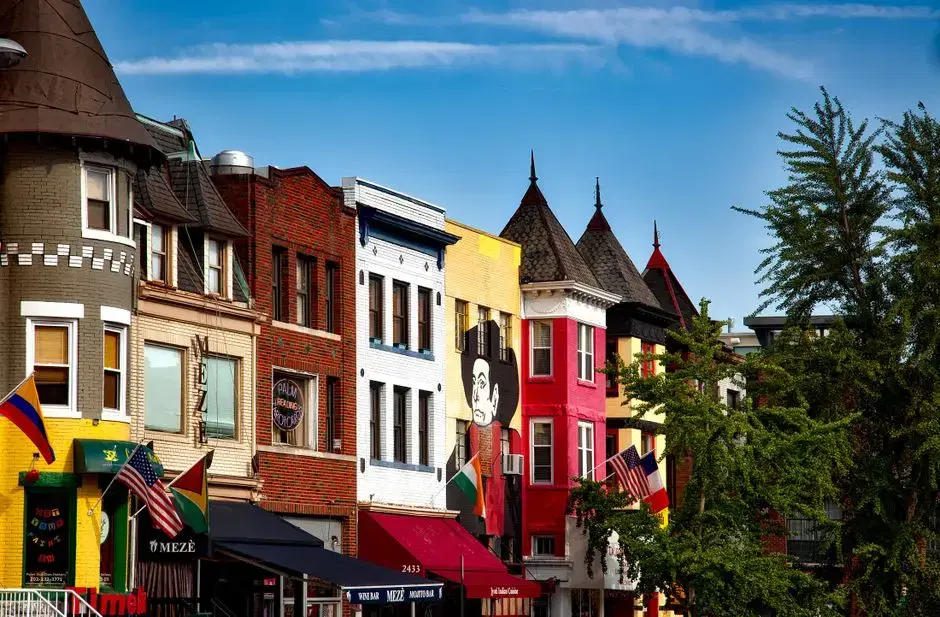
Turreted rowhouses along 18th Street NW at Kalorama Road in Adams Morgan at dusk, Washington, D.C.

Photo: Ted Eytan, CC BY-SA 2.0

Adams Morgan & Mount Pleasant, Washington DC

Turrets, co-ops, and 18th Street.

Two of DC's liveliest historic neighborhoods, three ways to own — rowhouse, condo, or co-op — and a different loan for each.

What it costs here
$2.2M
Median house price · 112 sales
$815
Median per square foot
+71%
Renovated over dated

Recorded arm’s-length sales from the District’s assessment records, through 2026-08-12. Not an appraisal or a valuation of any particular home. Compare every DC neighborhood

Why here

18th Street, the drum circle, and Rock Creek.

Adams Morgan is DC at its most alive; Mount Pleasant is DC at its most settled. They share a border, a park, and the best people-watching in the city.

Actual 18th Street NW Adams Morgan — colorful turreted storefronts with flags, Mezè wine bar at 2433 18th St visible; Pexels alt confirms Adams Morgan

18th Street

The city's most famous night out — and, since The Line opened in a century-old church, one of its best hotel lobbies too. Adams Morgan Day has run for five decades.

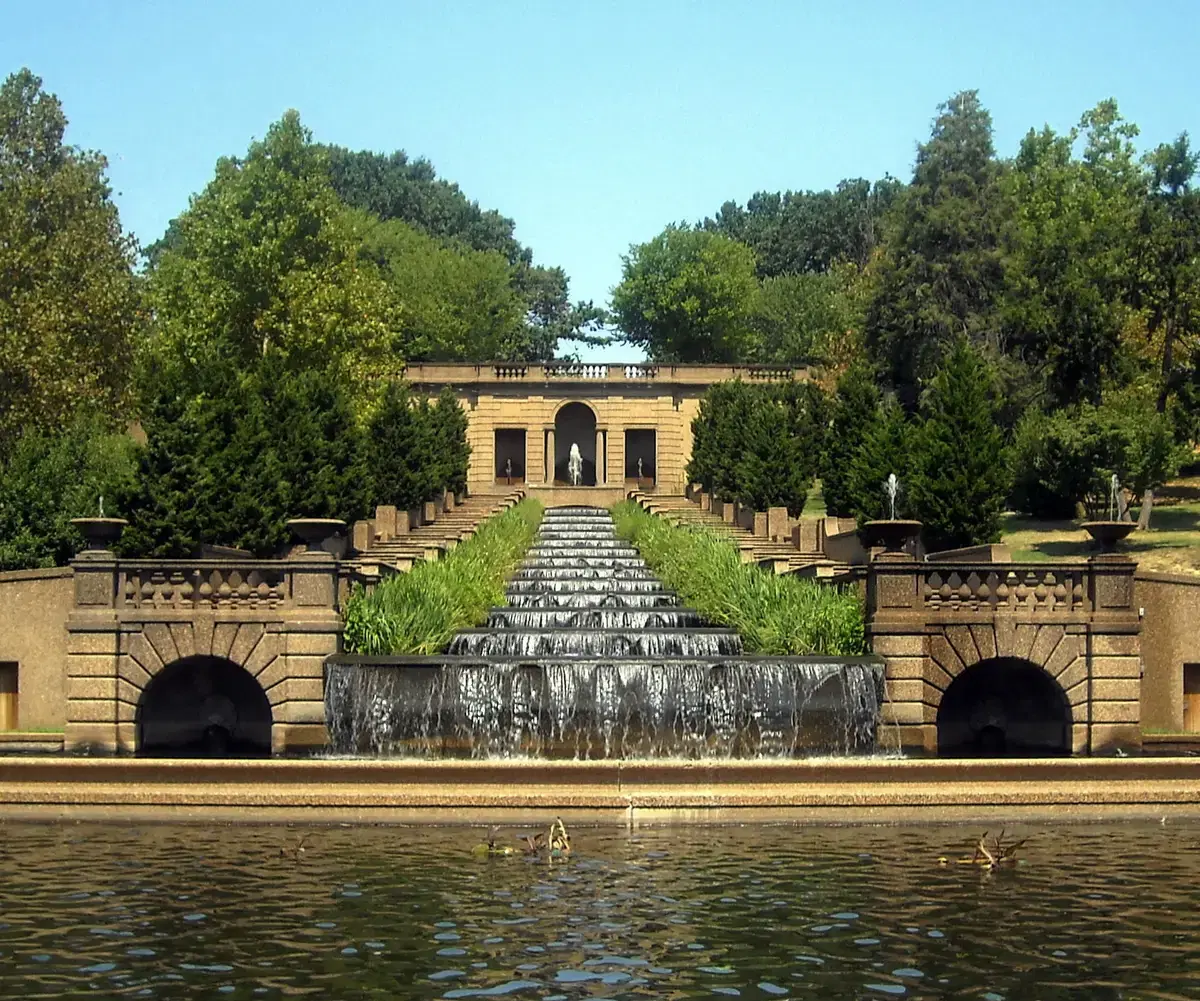
The thirteen-basin cascade fountain at Meridian Hill Park, symmetric frontal view

Photo: AgnosticPreachersKid, CC BY-SA 3.0

Meridian Hill Park

A cascading Italianate fountain, Joan of Arc on horseback, and the Sunday drum circle that has soundtracked the park for generations.

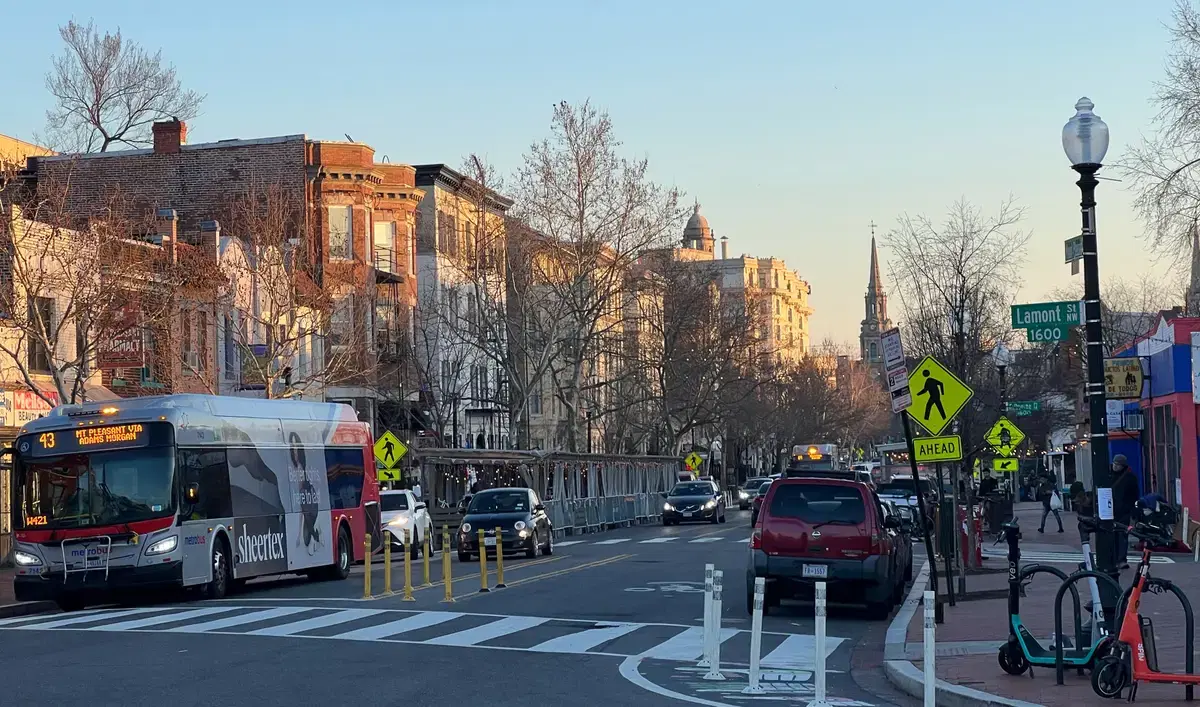
Golden-hour Mount Pleasant Street NW at Lamont St with the 43 Mt Pleasant via Adams Morgan Metrobus and streetcar-era commercial strip

Photo: Cristiano Tomás, CC BY-SA 4.0

Mount Pleasant Street

A real main street: the Saturday farmers market, Purple Patch, Each Peach, and family-run storefronts that have served the neighborhood for decades.

Creek through deciduous forest in autumn — generic eastern-woodland stream imagery plausibly consistent with Rock Creek (location not identifiable)

Rock Creek Park next door

Mount Pleasant dead-ends into 1,700 acres of forest. Trail runs, creek walks, and the National Zoo are all out the back gate.

Who's moving in: longtime renters going owner in the condo and co-op buildings, and buyers putting down decade-deep roots on Mount Pleasant's rowhouse blocks.

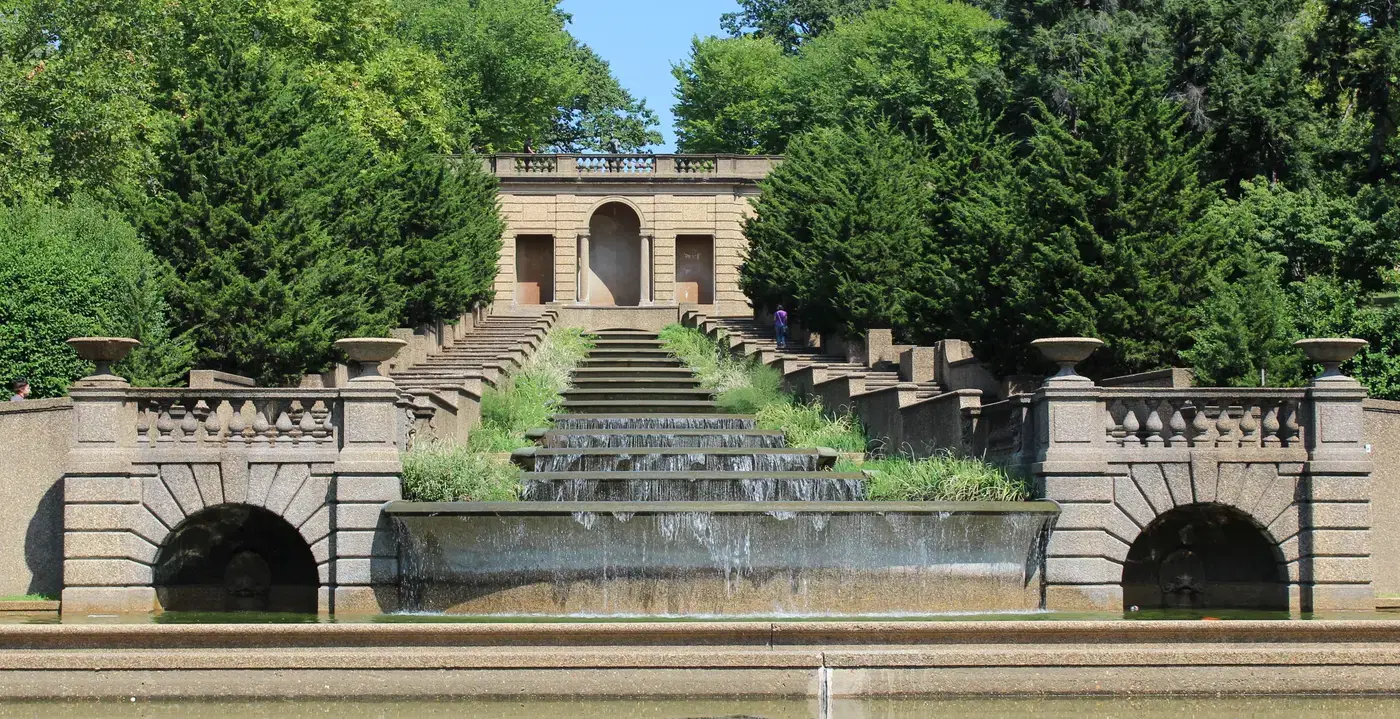
The thirteen-basin cascading fountain at Meridian Hill Park, Washington, D.C.
The cascade at Meridian Hill Park — the longest of its kind in North America.

Getting around

Car, train, bus, or bike — how Adams Morgan moves.

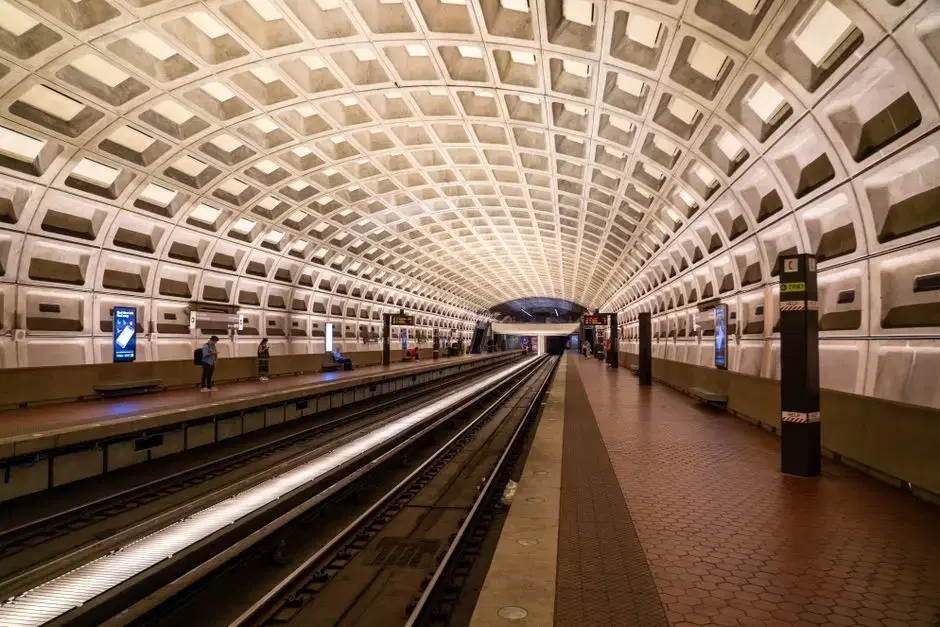
DC Metro vault station platform, coffered concrete arches, daytime, few riders
Metro
Woodley Park (Red) and Columbia Heights (Green, Yellow) each sit about ten minutes from 18th Street; Mount Pleasant splits the same pair.
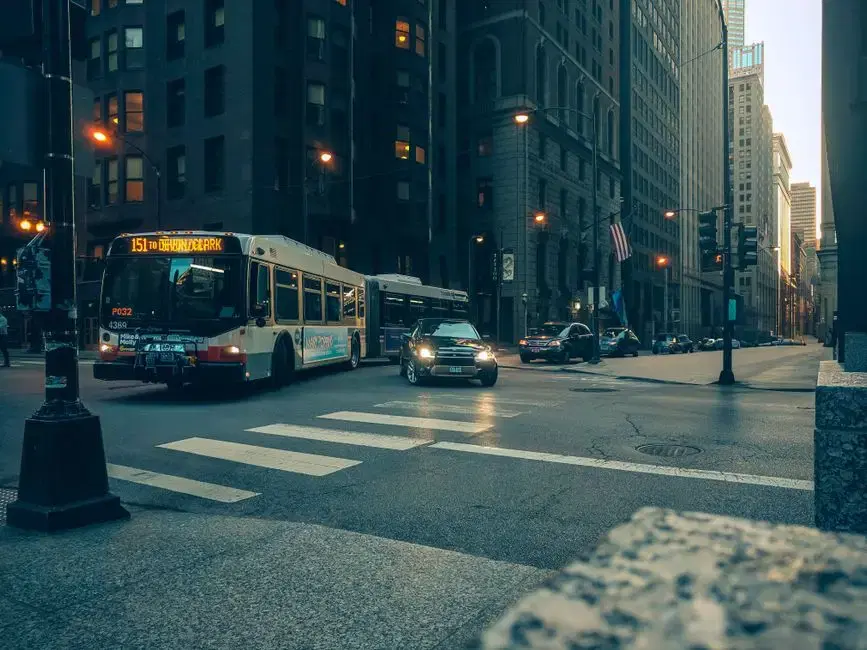
US city bus crossing a downtown intersection at twilight, American flag visible
Bus
The 16th Street corridor is one of the busiest and most frequent in the system, fed by Columbia Road and Mount Pleasant Street service.
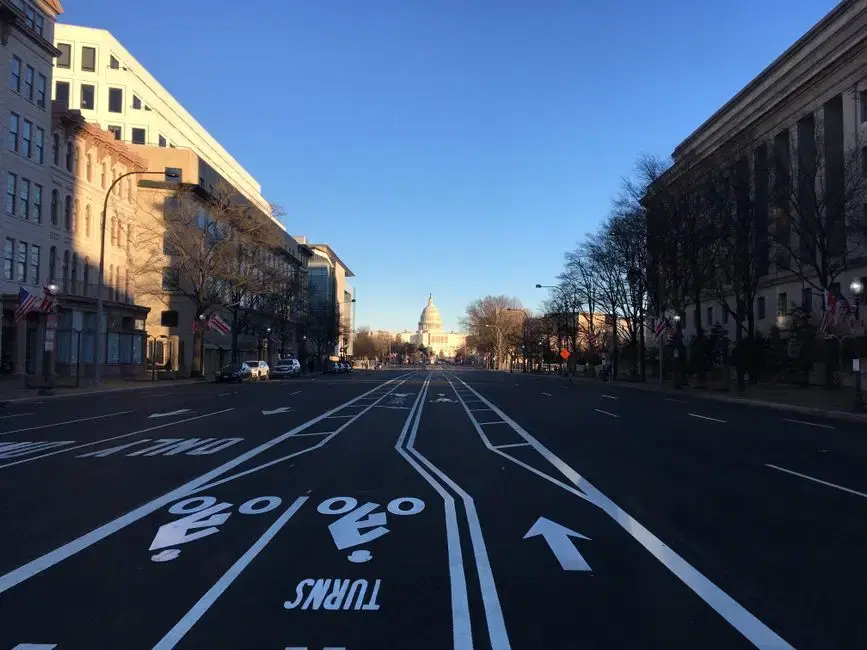
Pennsylvania Ave protected bike lanes leading straight to the US Capitol
Bike & trails
Rock Creek Park's trail network starts at the bottom of Mount Pleasant's hill.
DC brick rowhouses with cars parallel-parked at the curb, sunny day, DC plates
Parking
Permit zones cover nearly all of both neighborhoods — hard-fought near 18th Street, calmer in Mount Pleasant; visitors get the two-hour limit or a guest pass. Many rowhouses keep a pad off the rear alley.

Daily life

Living in Adams Morgan, day to day.

Schools, suppers, parks, and errands — the practical texture of the neighborhood, named specifically.

Yellow school bus from behind on a tree-lined street in autumn, no children visible
Schools
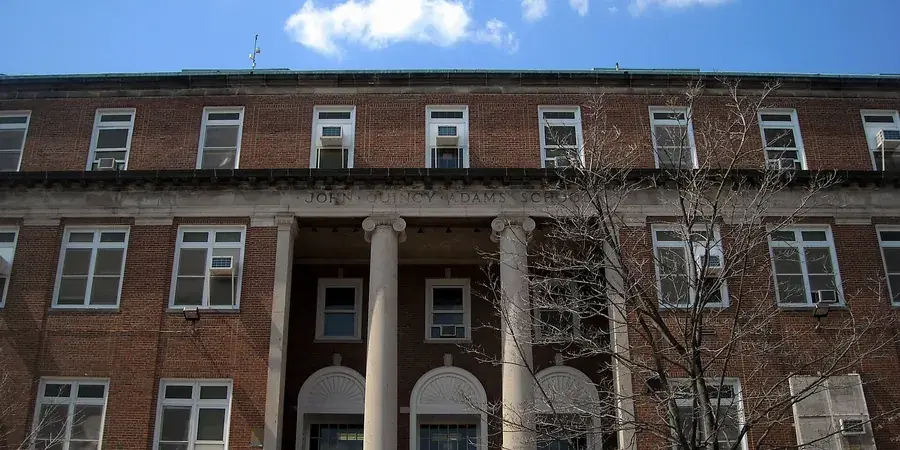
The dual-language pipeline is the neighborhood's signature: Oyster-Adams Bilingual and Bancroft Elementary teach in English and Spanish, and Marie Reed Elementary shares its Adams Morgan campus with the public pool. The citywide application highs are a short commute.
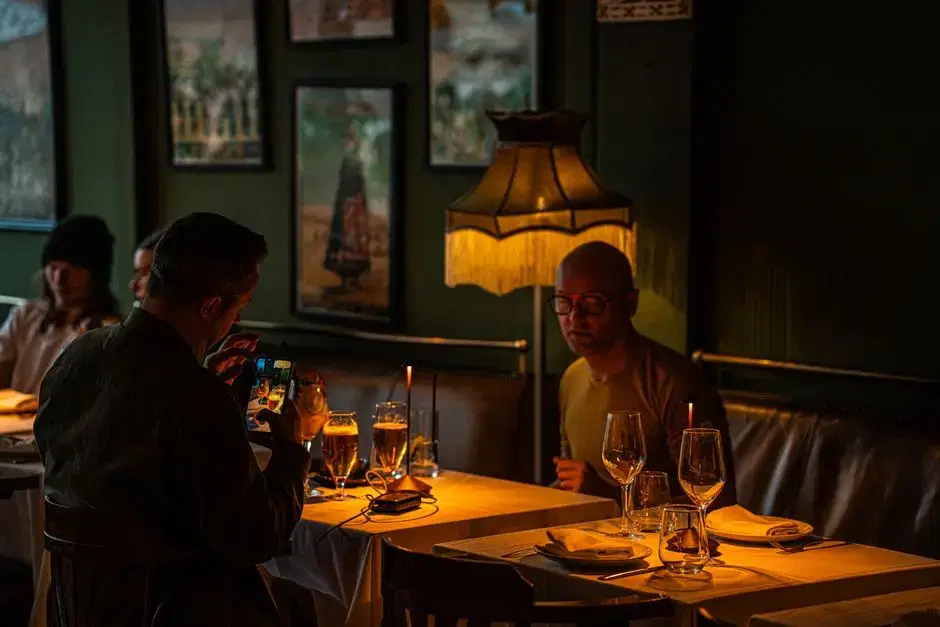
Warm dimly lit restaurant interior, diners at candlelit tables under a fringed lamp
Dining & nights out
Tail Up Goat earned Adams Morgan a Michelin star, Purple Patch put Mount Pleasant's Filipino kitchen on the map, and Madam's Organ has kept 18th Street loud for decades.
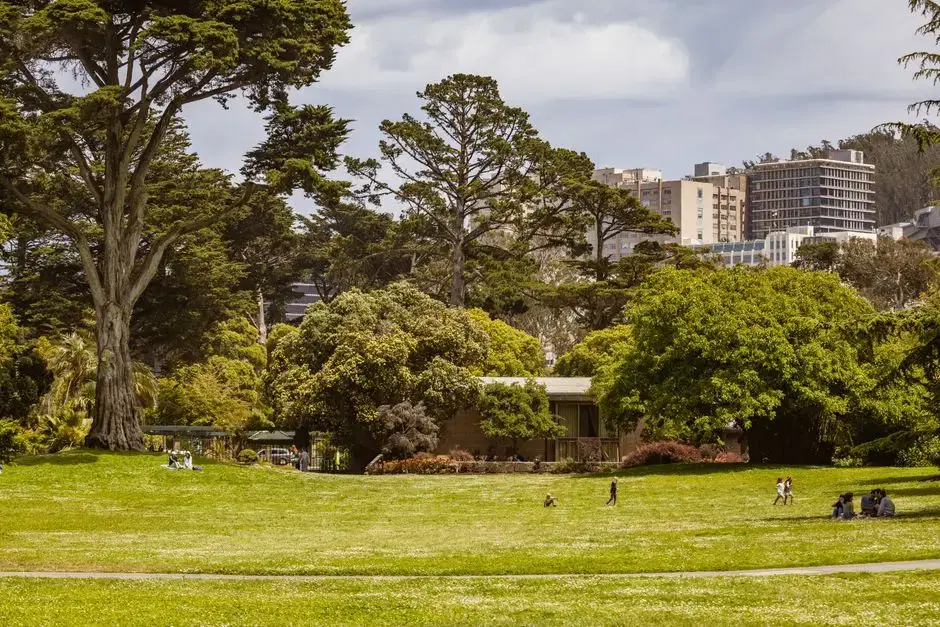
Wide green park lawn with picnickers, mature trees, city buildings behind
Parks & recreation
Meridian Hill Park's Sunday drum circle, Walter Pierce Park's dog run and courts, the Marie Reed pool, and Rock Creek's trails at the bottom of the hill.
Wooden library bookshelves in the foreground with a warm reading room beyond
The library
Mount Pleasant's restored Carnegie library — one of the most beautiful branches in the system — sits right on Lamont Street.
Shopper reaching for produce in a warmly lit grocery produce aisle, face in profile
Groceries
Harris Teeter on Kalorama Road, Safeway on Columbia Road, and Mount Pleasant's own pair: Bestway's international aisles and Each Peach's counter.
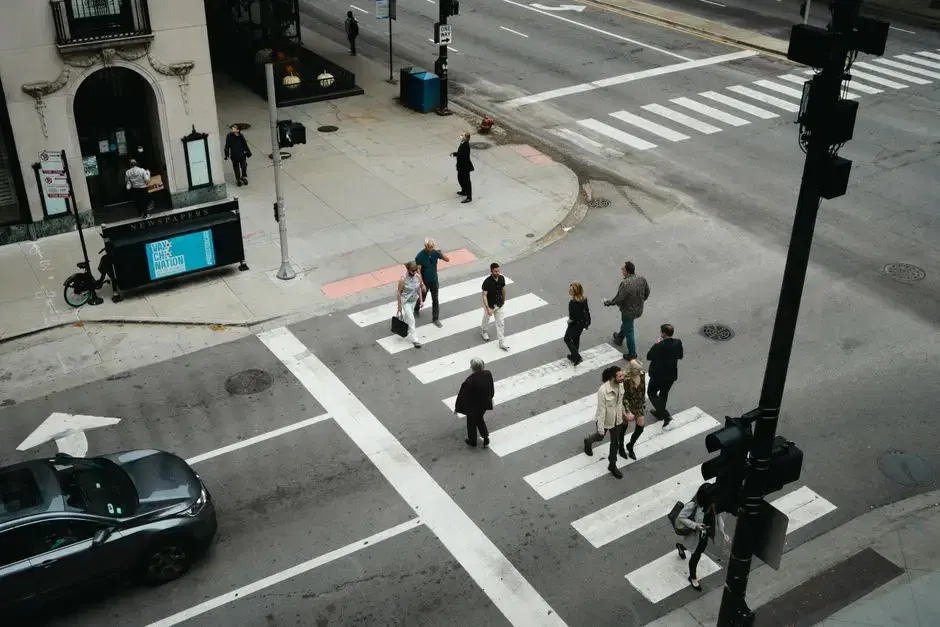
Aerial view of pedestrians crossing a striped urban crosswalk at an intersection
On foot
Both neighborhoods run on foot — 18th Street, Mount Pleasant Street, the park, and the market are all closer than the nearest parking spot.

Wherever you are

Start from where you actually are.

Buying takes most first-time DC buyers the better part of a year. The useful next step depends on which part you're in.

  1. 01 · Still running numbers

    What can we actually afford?

    Start with the payment, not the price. DC property tax, insurance and any condo fee move it more than buyers expect — and the condo fee counts against your ratios in full.

    See what you can afford
  2. 02 · Saving up

    How do we get to the down payment?

    What you actually need down at Adams Morgan prices is usually less than people assume, and the property type moves it as much as the program does.

    See what you'd need
  3. 03 · Writing offers

    We need to look credible.

    DC listing agents expect a pre-approval attached to the offer. Ninety seconds, no credit pull to start.

    Get pre-qualified

You asked

Condo or co-op — what does it mean for the loan?

What's the difference between a condo and a co-op here, for the loan?
Everything. With a condo you own real property and get a mortgage; the lender reviews the association alongside you. With a co-op you buy shares in the corporation that owns the building and finance them with a share loan — a different product that only some lenders offer, with the co-op board's own approval process layered on top. Adams Morgan and Mount Pleasant have some of DC's largest co-op stock, and listings don't always make the distinction loud. We check which one you're looking at before you write the offer.
Why are co-ops so much cheaper than condos on the same street?
Partly the monthly fee — co-op fees often include property taxes and underlying building debt, so they look big even when the all-in cost is fair — and partly the smaller pool of buyers who can finance shares. The lower price is real value, but compare payments rather than list prices: a co-op's fee and a condo's fee plus taxes can land closer together than the price gap suggests. We'll put both side by side for any pair you're weighing.
Will a rowhouse in Adams Morgan or Mount Pleasant push me into jumbo territory?
Sometimes, but less often than the prices suggest. DC's 2026 conforming ceiling is $1,249,125 — the region is high-cost, so the ceiling runs well above the $832,750 national baseline. A large share of rowhouse purchases here finance below it as high-balance conventional, which prices close to standard conforming. True jumbo starts above the ceiling, and we shop both.
The house I want is in a historic district. Does that change anything?
Not the mortgage — lenders treat historic districts like any other block. It changes renovation logistics: Mount Pleasant and Kalorama Triangle are designated historic districts where exterior alterations need Historic Preservation Review Board clearance. If your plan is a renovation loan like HomeStyle or FHA 203(k), the review timeline belongs in the draw schedule from day one.
Which DC assistance programs actually work at these prices?
The condo and co-op tier is where they land. Plenty of one- and two-bedroom units price under the $777,000 reduced-recordation cap, and smaller units come under the Tax Abatement program's $576,000 cap — which waives recordation tax and abates property tax for five years. Rowhouses price past the caps almost across the board. Every program also carries income limits, so the real test is your household's numbers, not the neighborhood's.
Can rental income from an English basement count toward qualifying?
Yes, if the unit is legal — certificate of occupancy and DC rental licensing are what let the appraiser's market-rent figure count as qualifying income. Mount Pleasant's rowhouses in particular often carry basement units, and that income is frequently what brings a seven-figure house within reach of a household that would otherwise stretch.

Local expertise

Three ways to own, three different loans.

The price on the listing tells you less here than almost anywhere in DC — what matters is whether it's a rowhouse, a condo, or co-op shares.

Condo or co-op? Check first.

These neighborhoods hold some of DC's largest co-op stock, and a co-op finances completely differently — share loans, board approval, fees that include taxes. We identify which one a listing is before you fall for it.

Turrets and seven figures

The rowhouses that make the postcards mostly finance below DC's $1,249,125 conforming ceiling — high-balance conventional, not jumbo. That distinction is worth real money in rate and requirements.

Historic blocks, planned renovations

Mount Pleasant and Kalorama Triangle are designated historic districts. The mortgage doesn't care; the renovation schedule does — design review belongs in the plan before the loan closes.

Found the block? Let's find the loan.

Rowhouse, condo, or co-op — send us the listing and your numbers, and we'll map what it takes.