Buying a Fixer-Upper in DC: Making the Renovation Math Work
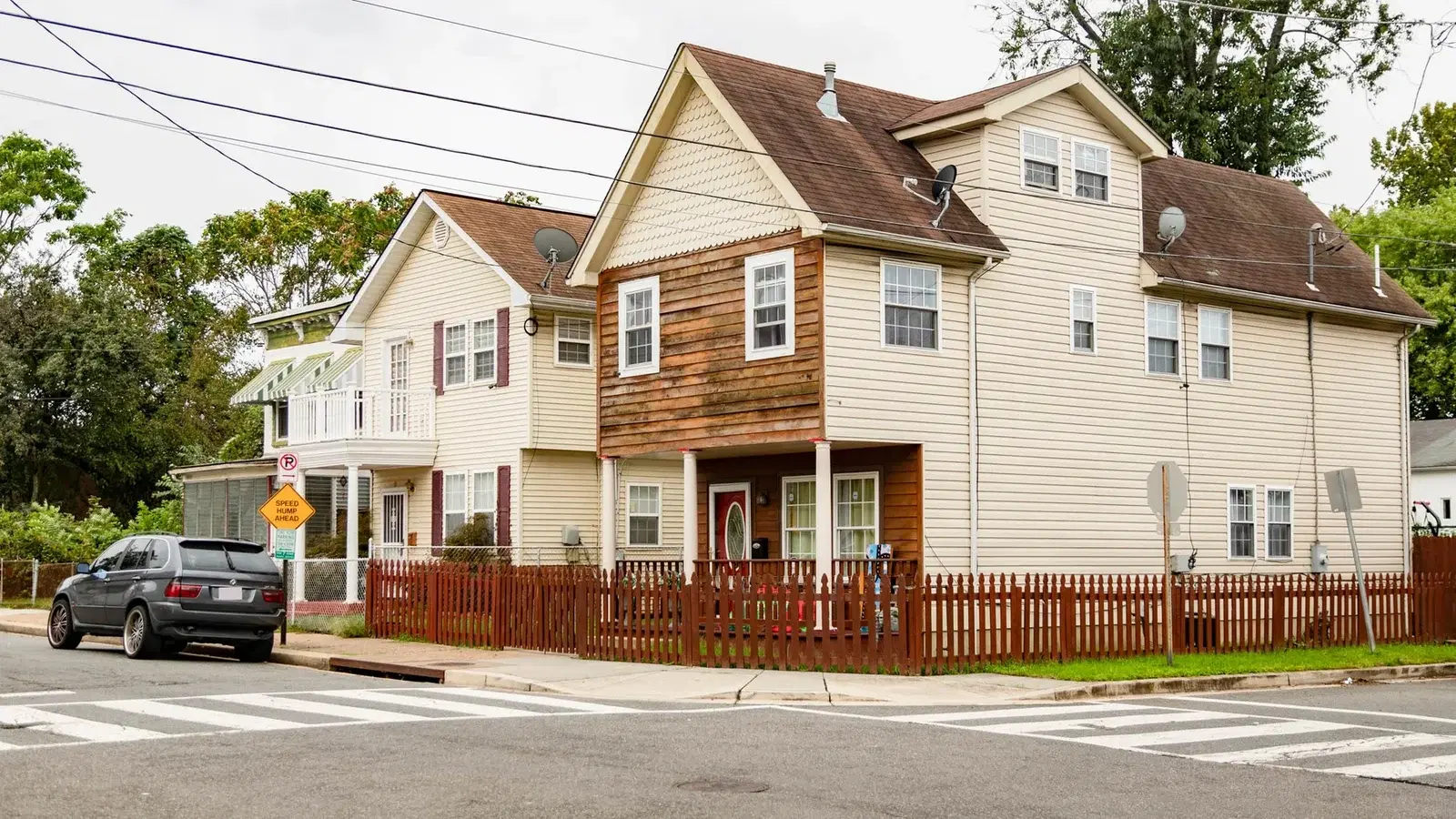
The gap between a dated DC house and a finished one is what your renovation has to come in under. Here's how to size it, and how renovation financing actually works.
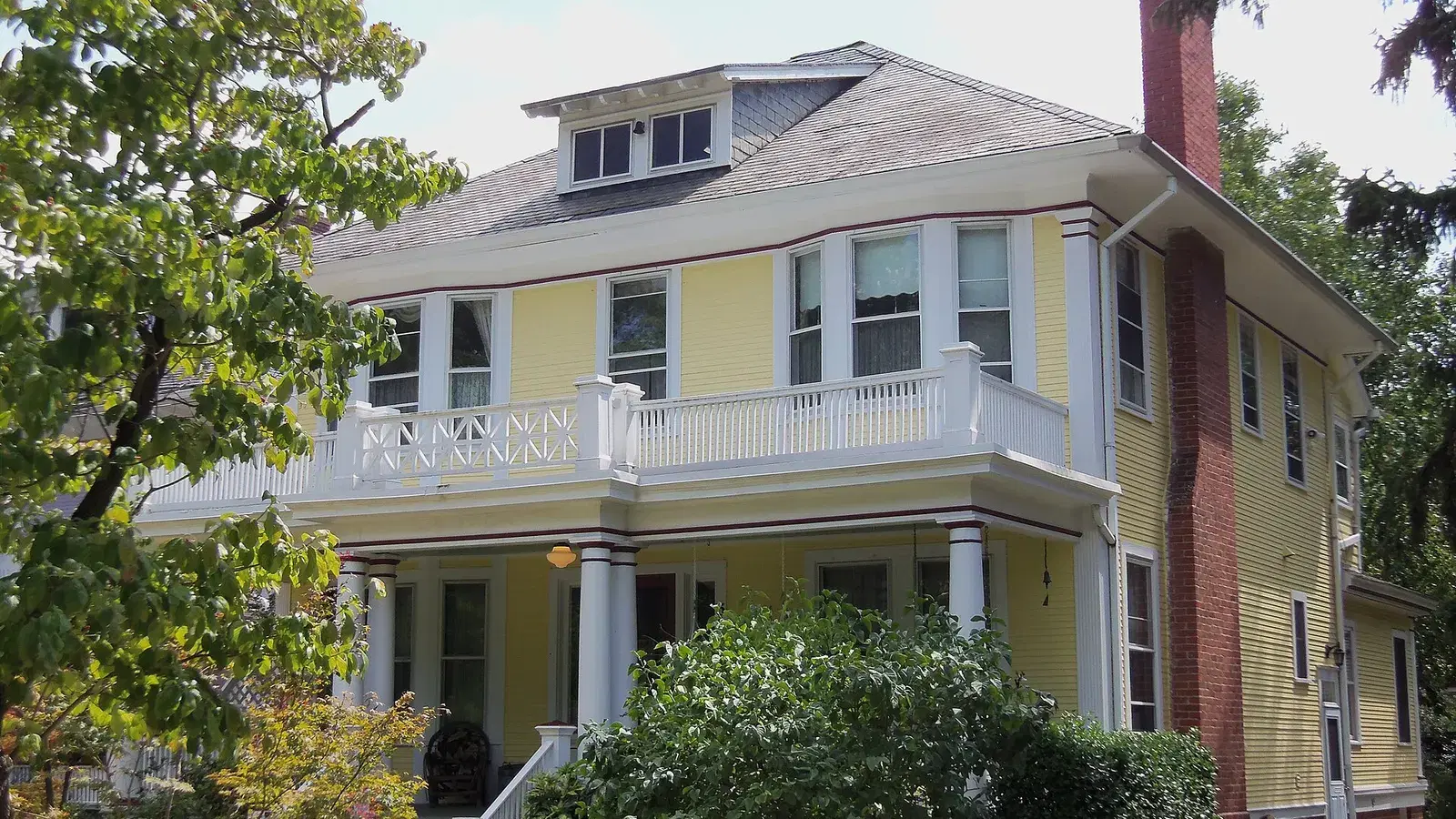
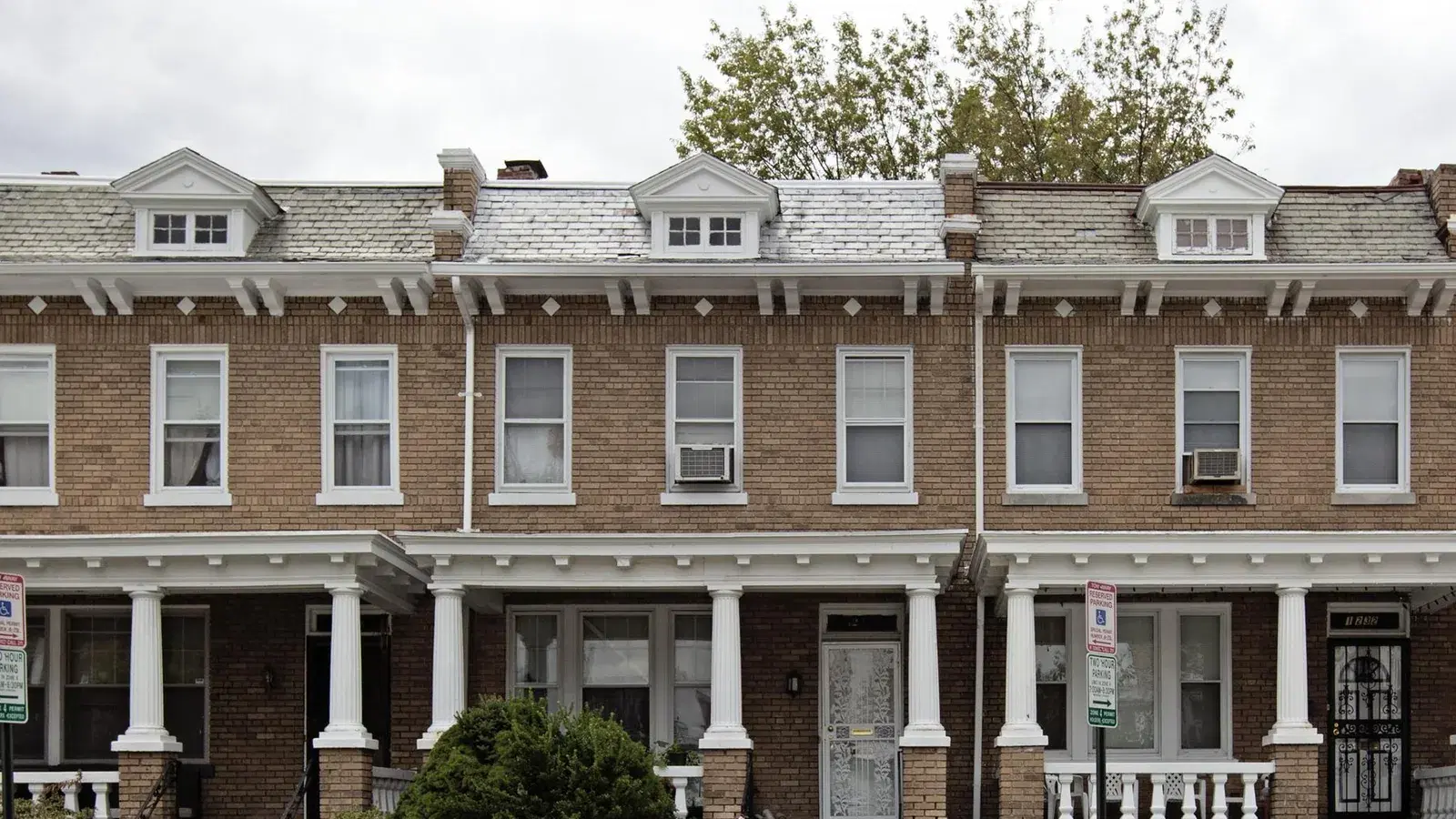
Photo: APK, CC BY-SA 3.0Blog
Expert advice to help you make informed decisions about your home financing.
The gap between a dated DC house and a finished one is what your renovation has to come in under. Here's how to size it, and how renovation financing actually works.
DC's assessment records separate renovated houses from ones that need work. Citywide the gap is $324 per square foot — and it's widest where prices are lowest.
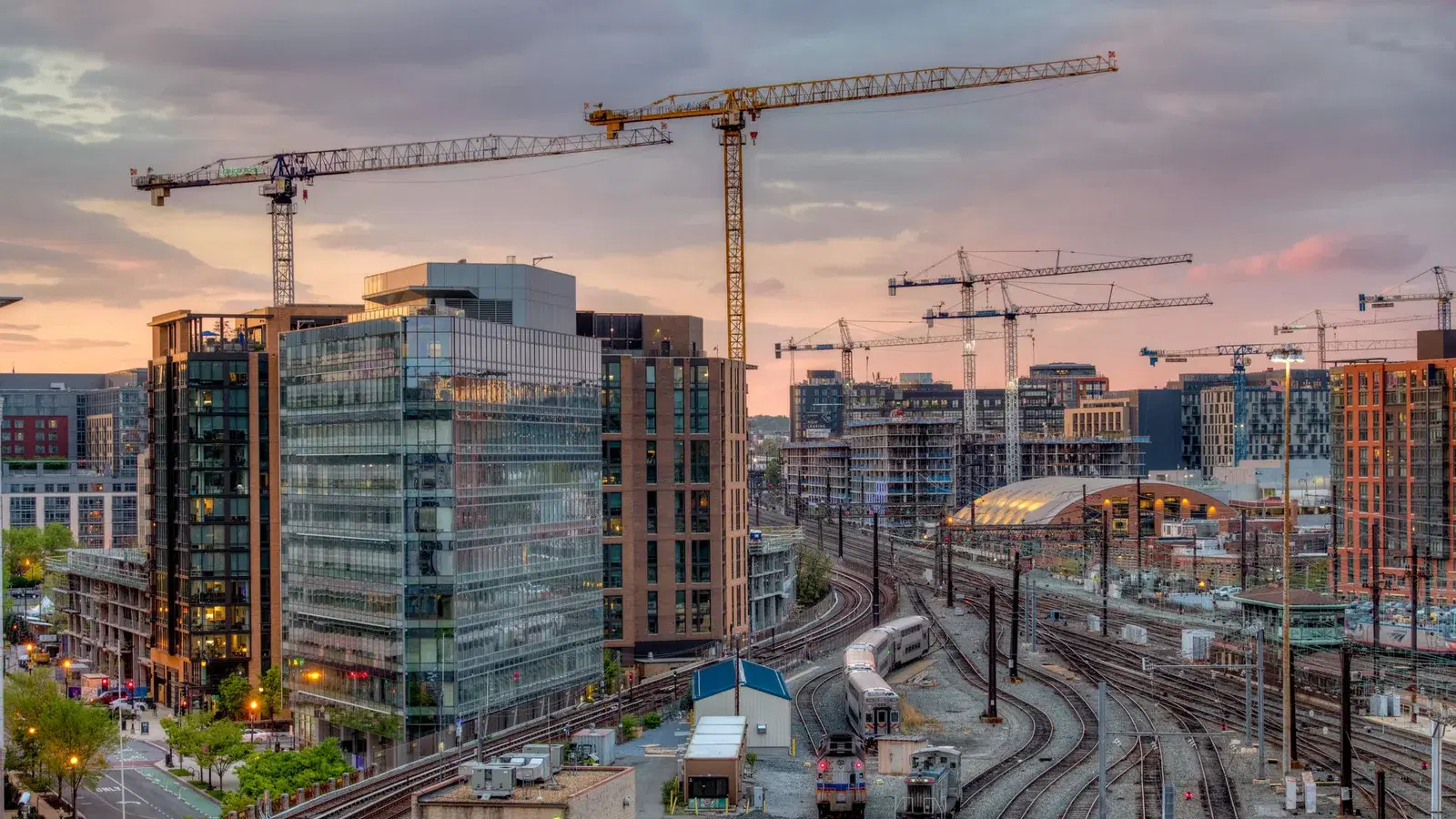
A 65,000-seat stadium and up to 6,500 homes are coming to the RFK campus by 2030. We checked what's happened to nearby home prices so far. It isn't what you'd assume.
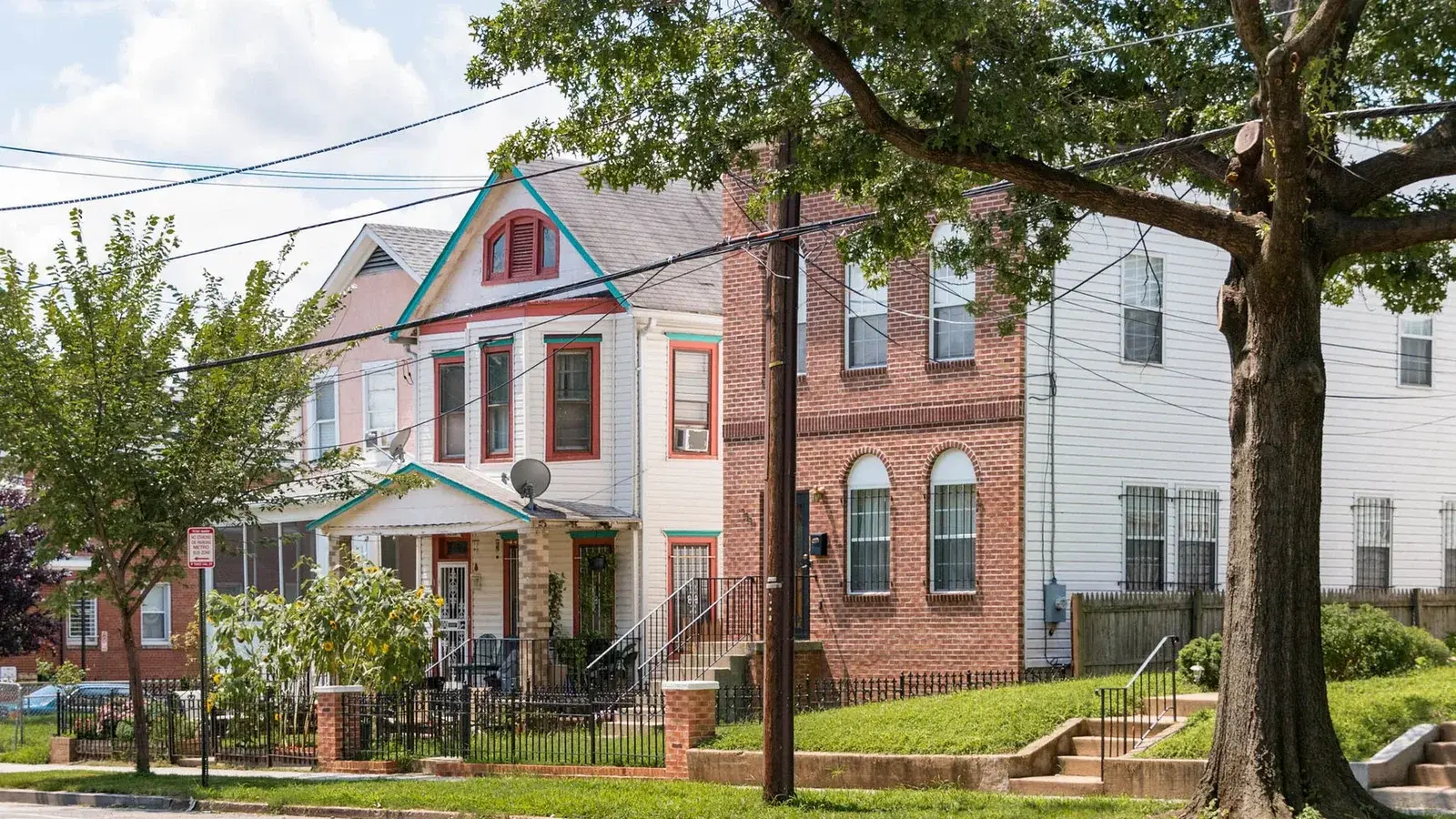
A $400 million new neighborhood, an elevated park opening in 2027, a rebuilt town center, and the first new for-sale townhomes in a generation — the investment arriving east of the river, and what it means for owners and buyers.
The 183-acre campus above Congress Heights spent 160 years as the nation's first federal psychiatric hospital. Now it's DC's biggest redevelopment — an arena, new retail, and the first for-sale townhomes.
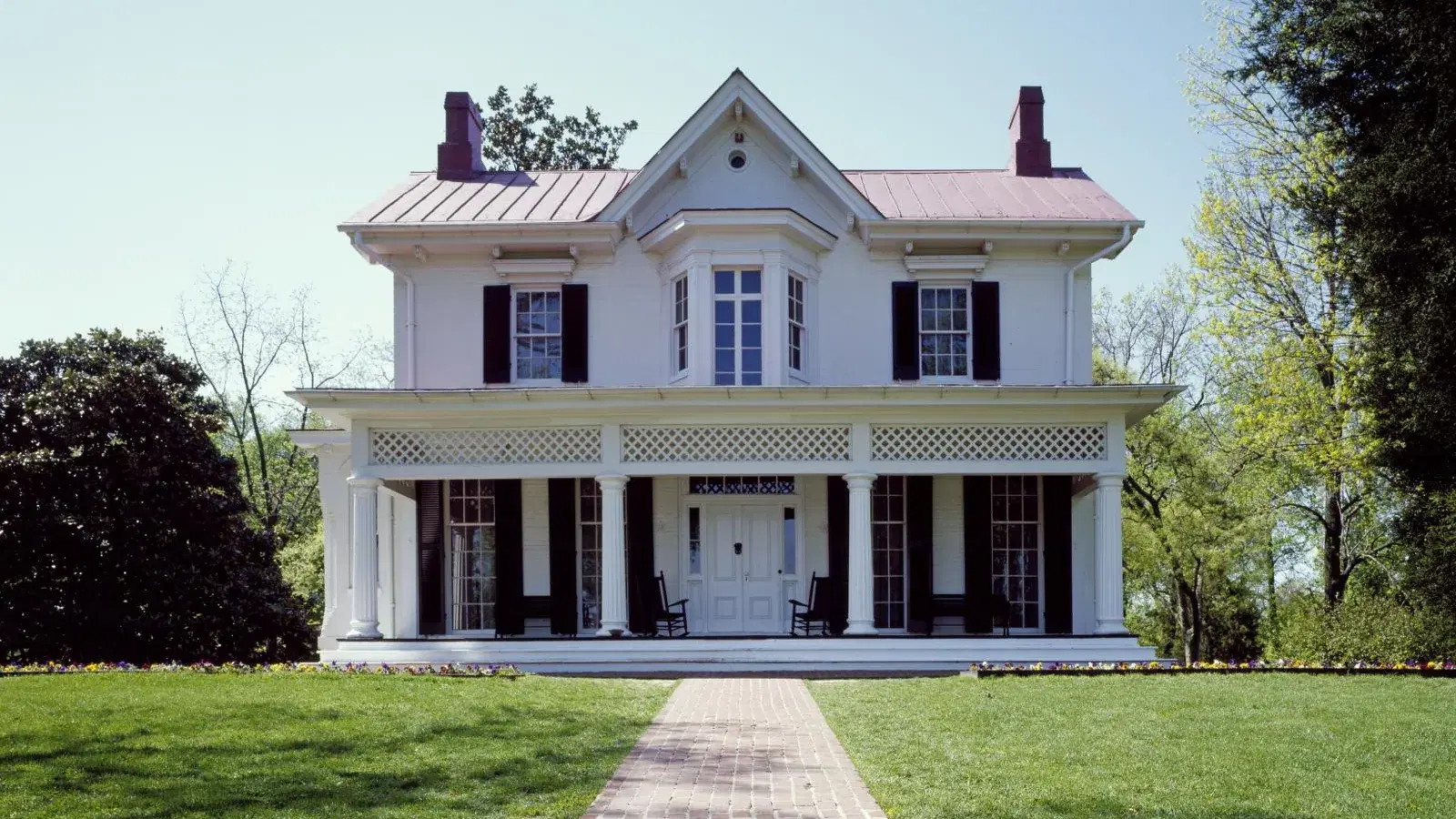
Historic Anacostia began in 1854 as Uniontown, Washington's first planned suburb — founded on exclusion, and famously integrated by Frederick Douglass himself when he bought Cedar Hill in 1877.
For six glittering seasons in the 1890s, DC high society rode coaches across the new Pennsylvania Avenue bridge to a resort hotel on Hillcrest's plateau — beside the earthworks of a Civil War fort. The street grid still remembers it.
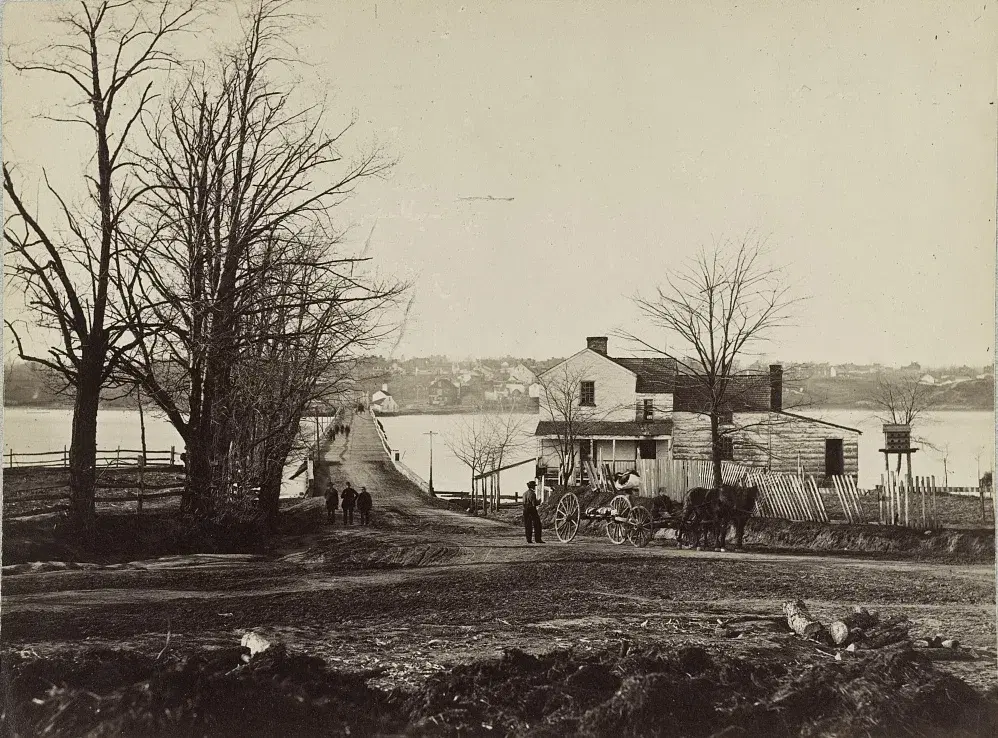
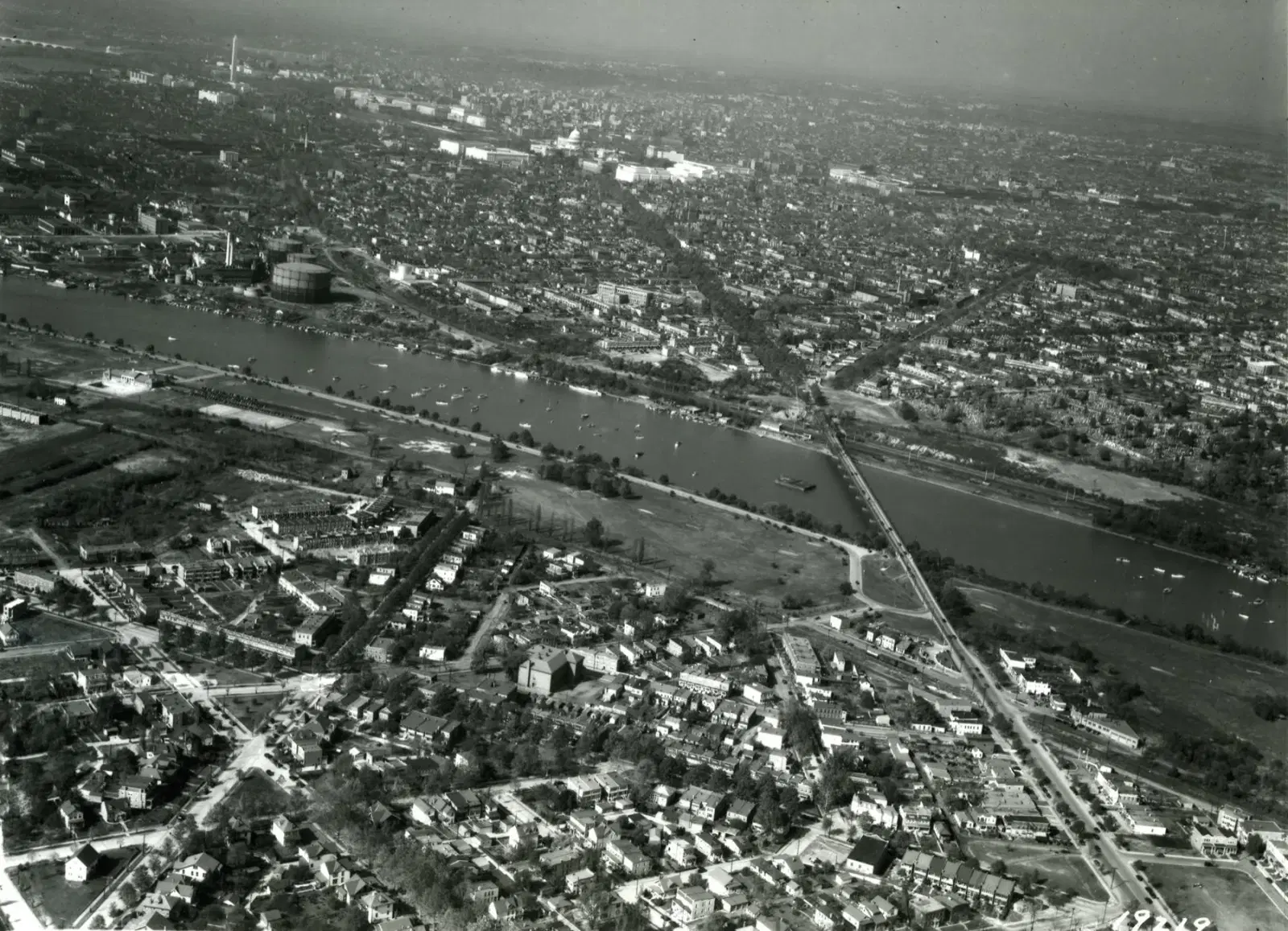
Where Pennsylvania Avenue meets the Anacostia sits one of Washington's oldest river crossings — and the neighborhoods it built. Ferries, an iron bridge, a trolley line, and the houses that followed.
Congress Heights and Randle Highlands share a founder — a newspaper publisher who bet everything on two bridges and a streetcar line. Here's the story behind two of Southeast DC's most historic neighborhoods.
Washington's working river was too dirty and too industrial for anyone with a choice — so the people who lived along it made it their own. A history of the Anacostia's volunteer boat clubs, its swimming holes, Langston Golf Course, and the park we row and skate on now.
Everything DC homeowners need to know about cash-out refinancing — equity requirements, LTV limits, rate impacts, and why DC's recordation tax is $0 on most residential refis.
Compare the three main ways to access your home equity — cash-out refinance, HELOC, and home equity loan — to find the right fit for your financial goals.
How DC homeowners can use a cash-out refinance to consolidate high-interest debt — with real numbers, risks to consider, and when it makes sense.
A complete timeline for first-time homebuyers in DC — from checking your credit to picking up the keys. Every step explained in plain language.
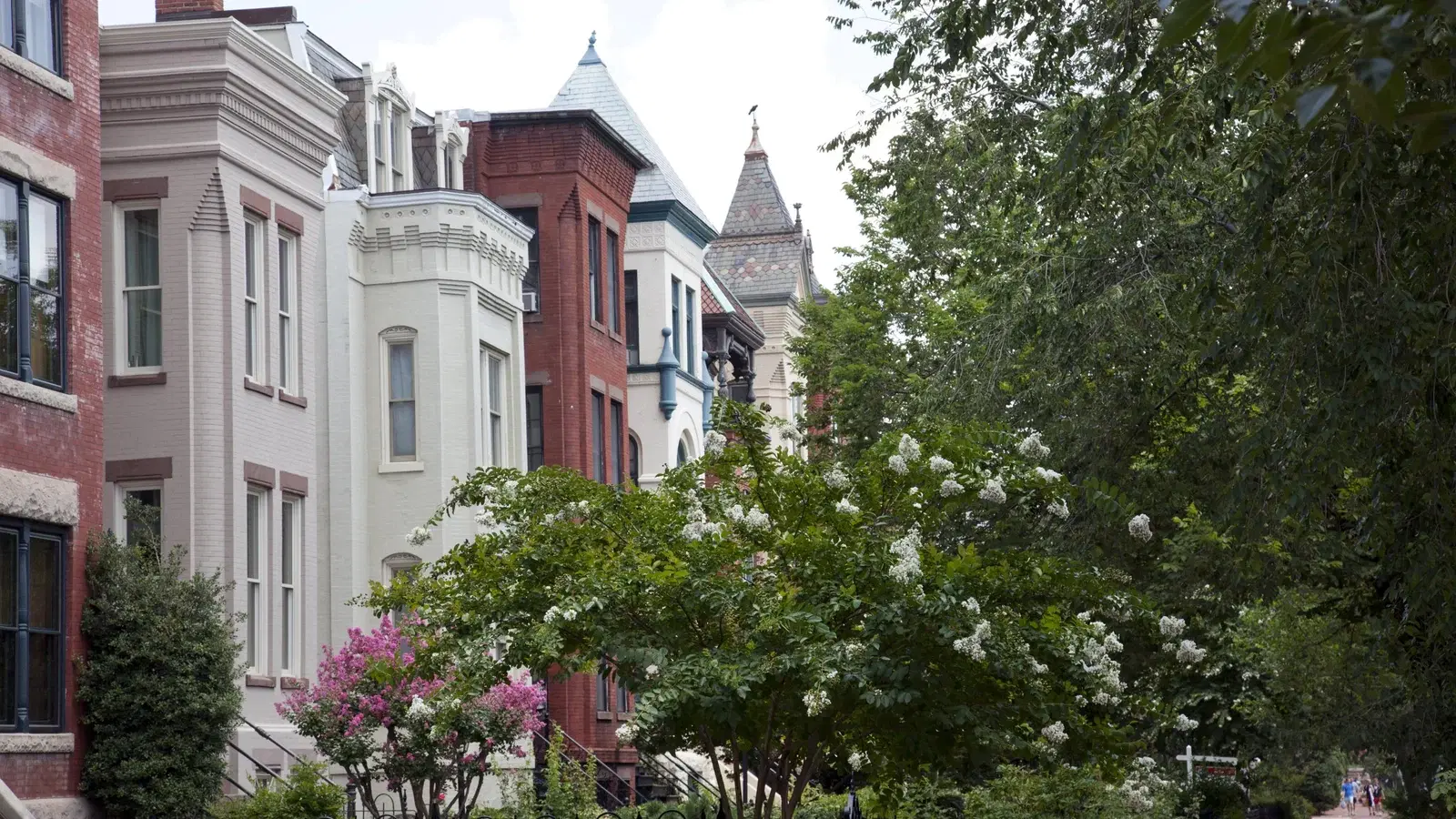
DC's neighborhoods each have distinct housing stock, price points, and financing considerations. Here's what homebuyers need to know about Capitol Hill, Navy Yard, Logan Circle, and beyond.
Condo financing has unique requirements that don't apply to single-family homes. Learn what lenders evaluate about your building before approving your loan.
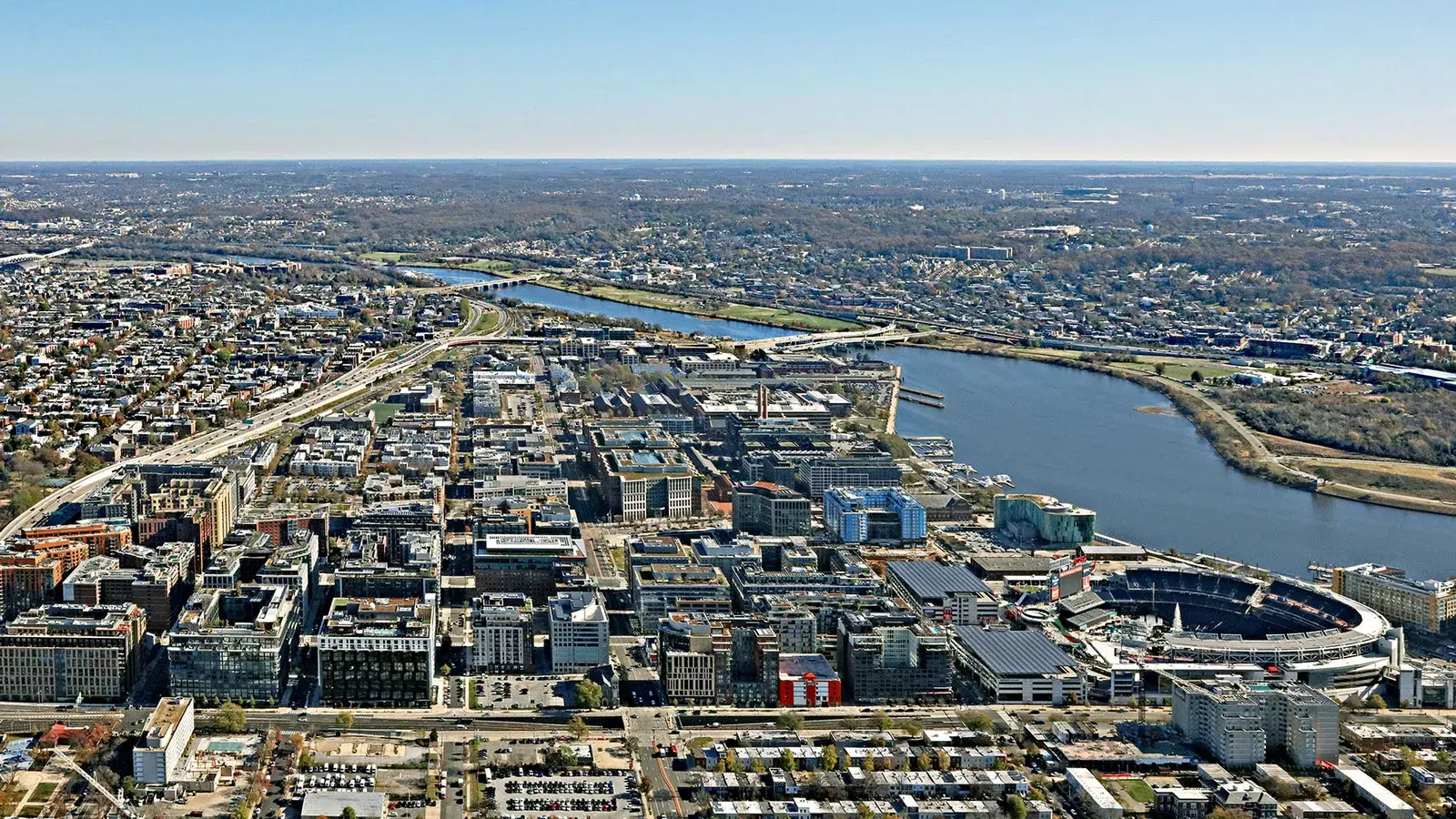
Navy Yard is DC's fastest-growing neighborhood. New construction, strong appreciation, and modern amenities make it ideal for buyers — here's how to finance your purchase.
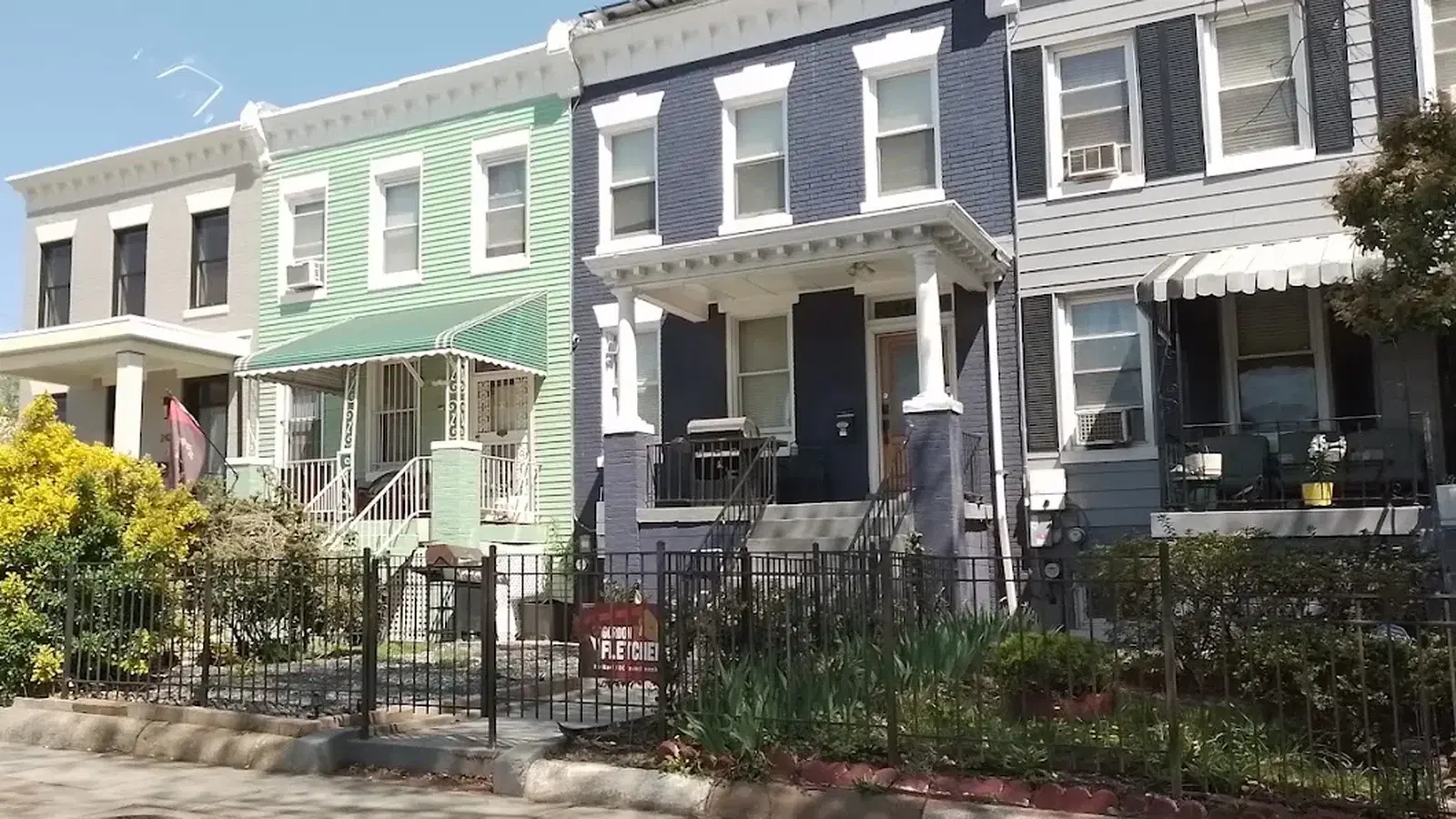
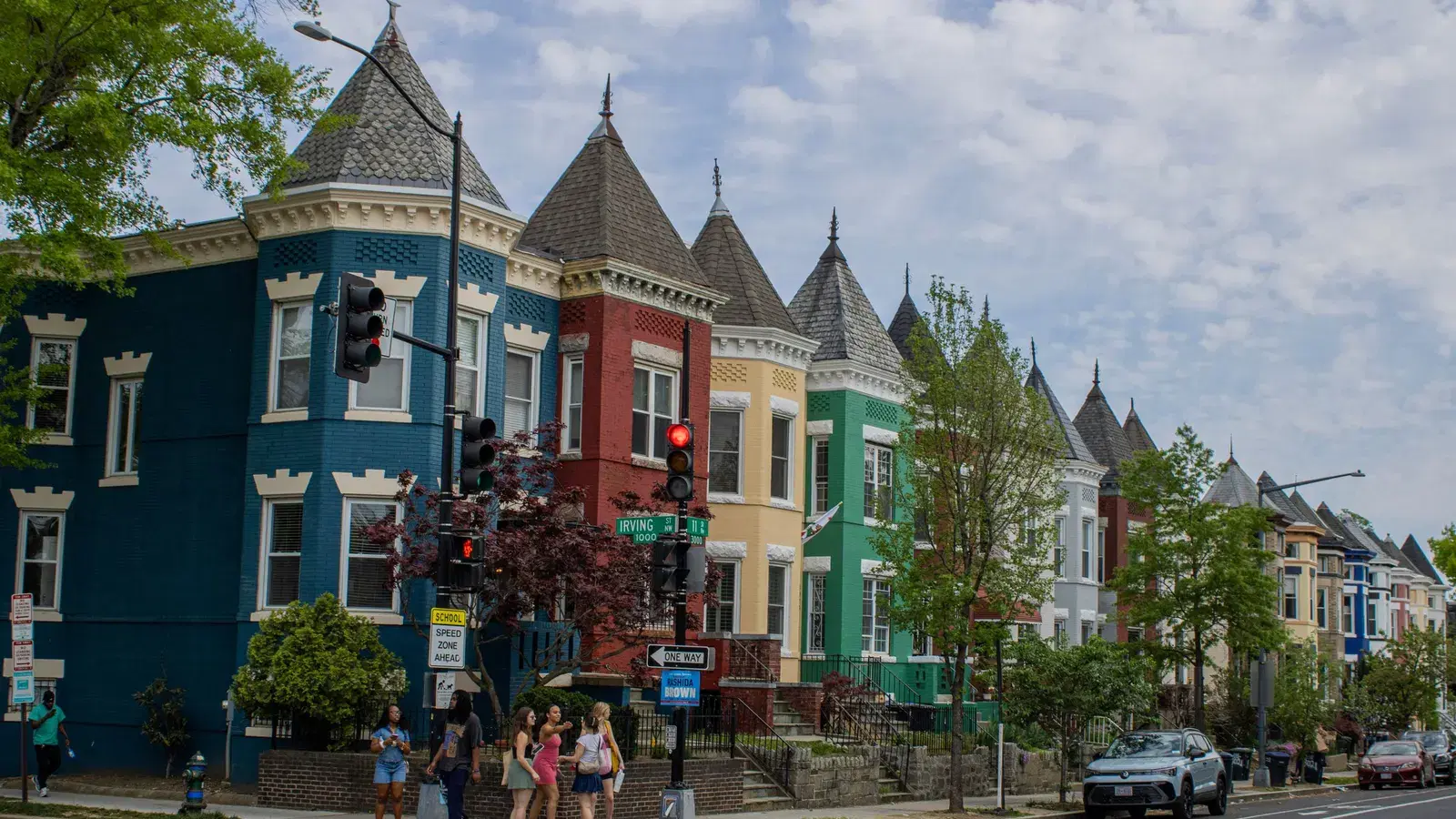
Capitol Hill rowhouses are iconic — but financing one comes with unique considerations. From historic property quirks to jumbo loans, here's what you need to know.
Mortgage rates in DC depend on more than the economy. Your credit score, down payment, loan type, and property type all play a role. Here's how it works.
Explore how DC homeowners can use a cash-out refinance to fund renovations — from kitchen remodels to ADU additions — and how it compares to renovation loan programs.
FHA loans are popular with first-time buyers, but not all condos qualify. Learn how FHA condo approval works and what to do if your building isn't on the list.
Logan Circle's mix of historic conversions and modern mid-rises creates a unique condo market. Here's how to navigate financing in one of DC's most vibrant neighborhoods.
FHA mortgage insurance lasts the life of the loan. If your DC home has appreciated, switching to conventional could save you hundreds per month.
DC closing costs are among the highest in the country. Here's exactly what you'll pay, how to estimate your total, and strategies to reduce costs.
VA cash-out refinancing offers DC veterans up to 100% LTV with no PMI. Learn how this unique benefit works and why it's especially valuable in the DC metro area.
DC offers some of the most generous down payment assistance in the country. HPAP, DC Open Doors, EAHP, and more — here's how each program works and who qualifies.
The VA Interest Rate Reduction Refinance Loan is purpose-built for speed and simplicity. Here's why DC veterans should know about it.
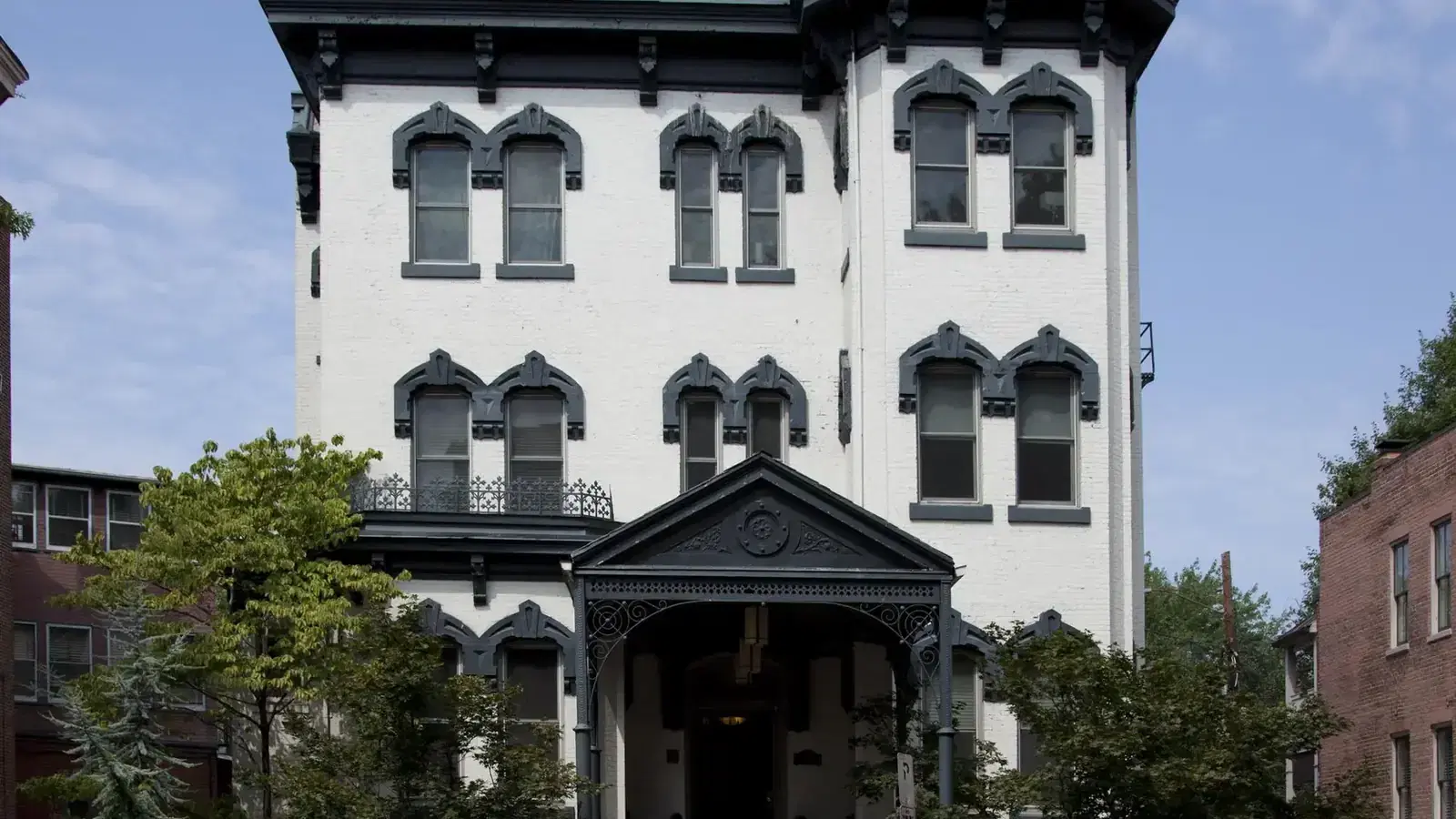
Buying a fixer-upper in a DC historic district? Renovation loans let you finance both the purchase and the rehab in one mortgage. Here's how they work.
DC is expensive, but affordability depends on more than just price. Here's how to calculate what you can actually afford, including taxes, HOA, insurance, and lifestyle costs.
Found the perfect DC condo but the building isn't warrantable? You still have financing options. Here's what to expect and how to navigate the process.
FHA Streamline, VA IRRRL, and other streamline refinance programs can save DC homeowners time and money. Here's how they work.
Fewer Logan Circle purchases need jumbo financing than buyers expect. Here's where DC's high-cost conforming ceiling actually sits, and what changes once you pass it.
The type of property you buy affects your mortgage options, rates, and costs. Here's how financing compares across property types.
Buying a condo as an investment in the DC metro area? Financing rules are different from primary residences. Here's how to navigate them.
Feeling squeezed by your monthly mortgage payment? DC homeowners have several strategies to reduce their monthly costs, from refinancing to recasting.
Navy Yard's proximity to military installations makes VA loans a popular option. Here's how to use your VA benefit to buy a condo in the neighborhood.
FHA and conventional loans are the two most common options for first-time buyers. Here's how they compare for purchasing a home in Washington DC.
Understanding the difference between rate-and-term and cash-out refinancing helps you choose the right option for your financial goals.
Buying your first home can be overwhelming. This comprehensive guide walks you through the entire process, from getting pre-approved to closing day.
Everything DC homeowners need to know about property taxes — rates, the homestead deduction, assessment appeals, and how taxes affect your mortgage payment.
Refinancing can save you thousands — or cost you if you're not careful. Avoid these common mistakes that trip up DC homeowners.
The forces that move mortgage rates, what they mean for DC-area buyers, and how to decide whether to act now or wait.
Your credit score plays a crucial role in determining your mortgage rate. Learn how to improve your score before applying for a loan.
Refinancing can save you thousands over the life of your loan. Here are five indicators that refinancing might make sense for you.
Occasional email on DC mortgage rates, programs, and neighborhoods. No sales calls — email only, and you can unsubscribe any time.
We respect your privacy. See our Privacy Policy.
A licensed loan officer can answer specifics about your scenario in 15 minutes — no credit pull, no commitment.