The neighborhoods east of the Anacostia have a set of public and private projects open, under construction, or funded: the rebuilt $480 million Frederick Douglass Memorial Bridge, a new $400 million neighborhood at the Anacostia Metro, new retail, new parks, and new for-sale townhomes that are already built and sold. This post lists the projects, then shows what DC's recorded sales say for owners and buyers east of the river.
Development projects east of the Anacostia
These projects are open, under construction, or funded:
- The Bridge District: a $400 million, eight-acre development at the Anacostia Metro. Its anchor building, The Douglass, brings 750 residences, with nearly 2.5 million square feet of residential, retail, and office space planned across the site. The Douglass has opened. The Bridge District guide covers financing near it.
- The 11th Street Bridge Park: planned as DC's first elevated park, spanning the river on the piers of the old 11th Street Bridge, slated to begin construction in late 2026 and open in 2028–29: an outdoor amphitheater, playspaces, gardens, an environmental education center, and river overlooks connecting Capitol Hill to Historic Anacostia.
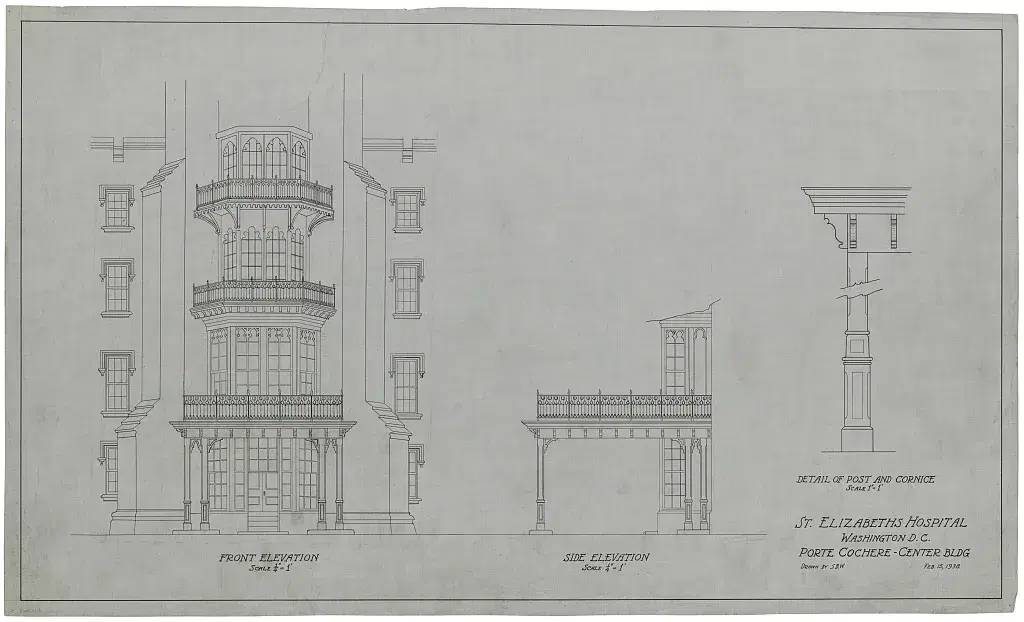
- St. Elizabeths East: the 183-acre campus above the Congress Heights Metro, where the Entertainment and Sports Arena, the Sycamore & Oak retail village, and Whitman-Walker's health center are already operating, and District Towns (88 fee-simple townhomes, the campus's first for-sale homes) is built and sold out. DC issued the request for proposals for Parcel 1, one of the largest remaining pieces, in March 2026. The St. Elizabeths East guide covers financing there.
- Skyland Town Center: the rebuild of the 18-acre site at Alabama Avenue and Naylor Road, now anchored by DC's first full-service Lidl grocery store, with its final phases underway.
- Reunion Square: a multi-phase development near the Anacostia Metro, backed by the first tax-increment financing DC has ever approved in Ward 8.
- The federal campus at St. Elizabeths West: across Martin Luther King Jr. Avenue from the East Campus, the Department of Homeland Security consolidation keeps building: a $524 million CISA headquarters broke ground in 2024 and is slated for completion in 2027, part of a 4.5-million-square-foot secure campus that consolidates more than forty DHS office locations and anchors thousands of federal workers east of the river.
DC is also building office space for its own agencies in Anacostia, and construction continues on new facilities at Joint Base Anacostia-Bolling along the river's east bank.
Alongside the Bridge District at the Metro, historic-district restoration work continues in Historic Anacostia, and renovation of the housing stock continues from Fairlawn to Randle Highlands to Deanwood.
Home prices east of the river
An owner's equity is the current value of the house minus the mortgage balance. The property-history tool shows the recorded sales for a specific address.
In recorded house sales over the three years through August 2026, the east-of-the-river neighborhood medians run from about $400,000 (Mayfair & Hillbrook) to about $633,000 (Hillcrest & Fairfax Village), most of them under $500,000, against a citywide house median of $975,000 (District Mortgage price-per-square-foot data; see the price-per-square-foot explorer). Each of those neighborhood medians combines renovated houses and houses that need some TLC, and the two sell in different price ranges.
Prices for renovated houses and houses that need some TLC
East of the river, a neighborhood's median price averages two groups of sales together. The same block can hold a fully renovated foursquare and a house that has not been updated in decades:
- Houses that need some TLC (estate sales, long-held houses that need new systems and finishes, and the occasional shell) sold at a median of about $315 per square foot in Randle Highlands & Fairlawn (recorded sales through August 2026). These are the lowest-priced houses in the neighborhood, and renovation loans can finance them.
- Fully renovated houses (the same housing stock after a full renovation) sold at about $520 per square foot in the same cluster (five-year window; fewer renovated sales), with large renovated foursquares and Victorians selling higher. The explorer shows the split for every DC neighborhood.
Because the two groups sell at different prices, a month with more needs-some-TLC sales shows a low median and a month with more renovated sales shows a high one. In a small neighborhood the median can move by $100,000 or more on the mix of sales alone. Price a house against sales in its own condition group: a renovated sale is not a comparable for a house that needs some TLC, and an estate sale is not a comparable for a renovated house.
The price difference matters to buyers and to owners:
- For buyers, an FHA 203(k) or HomeStyle renovation loan finances the project house at the project price plus the renovation, underwritten against the home's after-renovation value, so the buyer pays the needs-some-TLC price and chooses the renovation work.
- For owners of houses that need some TLC, the renovation premium is the most a renovation can add to the price, and a home equity loan or cash-out refinance can fund the work. Owners of renovated houses hold values near the top of the neighborhood's range, where the appraiser's choice of comparable sales matters most.
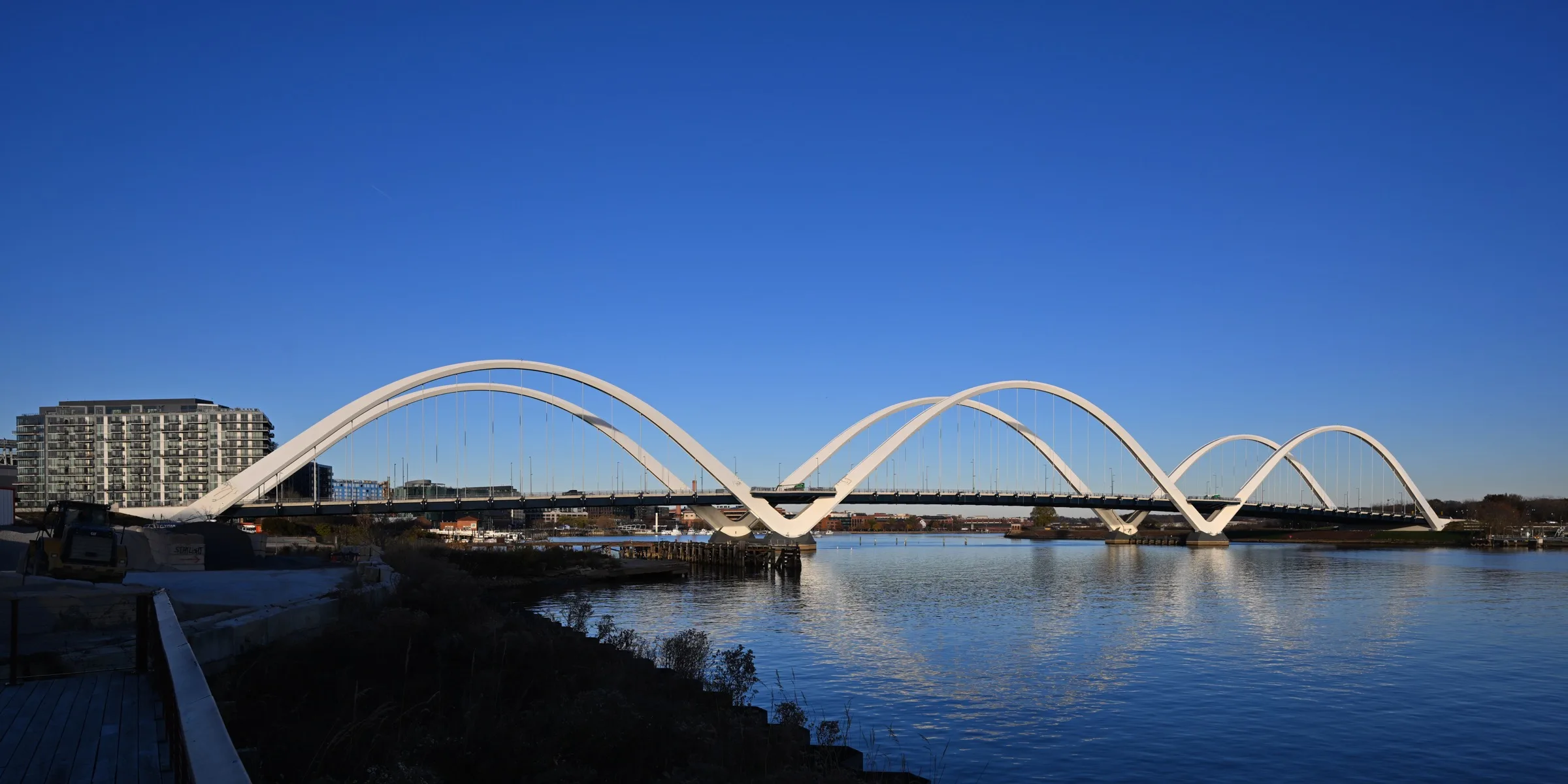
The rebuilt $480 million Frederick Douglass Memorial Bridge, which connects the Navy Yard side of the river to Anacostia.
Borrowing against a house you own east of the river
An owner can borrow against the equity in a house without selling it, in two ways:
- A cash-out refinance replaces your current mortgage with a larger one and pays you the difference at closing, for a major renovation, consolidating debts, or buying the next property. The cash-out refinance guide covers how it works.
- A home equity loan leaves your existing first mortgage untouched and adds a second, smaller loan, which fits when your current mortgage carries terms you do not want to give up. See your equity options compared side by side.
Buying a home east of the river
- FHA loan: 3.5% down, and the whole down payment can be a gift from family
- DC first-time buyer recordation rate: every east-of-the-river neighborhood median above is under the $777,000 price cap for the 0.725% rate (tax year 2026; income limits apply)
- DC Tax Abatement: most of those medians are also under the $576,000 price cap for no recordation tax and a five-year property tax abatement (tax year 2026; income limits apply)
- Homestead deduction: $91,950 off the assessed value once you live in the house (tax year 2026)
The neighborhood guides cover each east-of-the-river neighborhood, from historic districts to new townhomes.
To buy east of the river or borrow against a house you own there, get pre-qualified, contact District Mortgage, or book a 15-minute call.