An FHA loan needs 3.5% down, and the whole down payment can be a gift from family. FHA credit guidelines are more flexible than conventional.
Conventional: 3% down
Conventional loans start at 3% down when at least one borrower is a first-time buyer. Mortgage insurance applies below 20% down and can be removed once you reach 20% equity.
DC's 2026 loan limits
Loan amounts up to $832,750 are standard conforming, amounts from $832,751 to $1,249,125 are high-balance conforming, and amounts above $1,249,125 are jumbo.
Condos: the building is reviewed
The lender reviews the building's owner-occupancy, reserves and any litigation, and the monthly dues count in your debt-to-income ratio. For FHA, the building must be FHA-approved or pass FHA's single-unit review.
Houses that need some TLC
FHA 203(k) and Fannie Mae HomeStyle loans finance the purchase and the renovation together, based on the home's value after the work is done.
Bonus, RSU and new-job income
Bonus, RSU, new-job and first-year self-employment income each have their own documentation rules. Send us your documents early and we will tell you what counts.
First purchases by price range
$350,000 to $600,000
Mostly condos and smaller rowhouses. FHA and conventional loans both fit, and DC's Tax Abatement program covers purchases up to $576,000 (tax year 2026).
$800,000 and up
Rowhouses and larger condos. Loan amounts above $832,750 are high-balance conforming up to $1,249,125, then jumbo. The reduced first-time buyer recordation rate stops at $777,000 (tax year 2026).
Next steps
Next steps by buying stage
Pick the step that matches where you are in buying a home.
01 · Still running numbers
Work out what you can afford
Estimate the full monthly payment, including DC property tax, insurance and any condo fee. The condo fee counts in full in your debt-to-income ratio.
At DC prices, the down payment depends on the loan program and the property type. FHA needs 3.5% down, and the whole down payment can be a gift from family.
The reduced recordation tax rate and Tax Abatement apply at settlement. DC Open Doors is available through DCHFA's participating lenders, and HPAP through DHCD-certified housing counseling agencies.
Reduced recordation tax
Qualifying DC first-time buyers pay recordation tax at 0.725% instead of the standard rate. The lower tax is paid at closing.
Standard residential recordation is 1.1% under $400,000 and 1.45% at $400,000 and above
Purchase price cap of $777,000 (tax year 2026)
Combined federal AGI limits by household size, from $206,640 (tax year 2026) for one person to $389,520 for eight
Property must also qualify for the Homestead Deduction
Limits are republished each October 1 by the Recorder of Deeds
DC Tax Abatement
The Lower Income Homeownership Exemption waives recordation tax entirely and abates real property tax for five years.
Purchase price cap of $576,000 (tax year 2026)
Income limits by household size, from $89,760 (tax year 2026) for one person to $169,200 for eight
Buyers customarily also receive a credit for the seller's transfer tax at settlement
Open to any buyer making the home their principal residence, including repeat buyers
Limits are republished each October 1 by the Recorder of Deeds
DC Open Doors
DCHFA pairs a first mortgage with a deferred, zero-interest second loan that covers your required minimum down payment. It does not require first-time buyer status.
Open to repeat buyers as well as first-time buyers
Income cap of 170% AMI — $275,400, measured on borrower income only
Minimum 640 credit score
No maximum sales price; first trust capped at $1,249,125
The second is repaid only on sale, transfer, refinance, or when it stops being your home
HPAP
DC's Home Purchase Assistance Program lends first-time buyers down payment assistance, interest-free and deferred, on top of a standard first mortgage.
Up to $202,000 in down payment assistance, plus $4,000 toward closing costs
Amount scales down as household income rises; limits set by household size
First-time buyer means no ownership interest in residential real estate for three years
DC residents are prioritized over non-resident applicants
You contribute $500 or half your liquid assets above $3,000, whichever is greater
Figures verified 2026-08-21. DC republishes these limits on its own schedule. We check what you qualify for against the tables in force on the day you apply.
First-time buyer questions
How much do I need for a down payment on my first DC home?
As little as 3.5% with an FHA loan, and the whole down payment can be a gift from family; 3% with a conventional loan; or 0% with a VA loan. Qualifying first-time DC buyers also pay a reduced recordation tax rate of 0.725% at settlement, on purchases up to $777,000 (tax year 2026). A home priced up to $576,000 (tax year 2026) can also qualify for the DC Tax Abatement program, which waives recordation tax and abates property tax for five years. Buyers within the income limits can also apply for DC Open Doors (through DCHFA's participating lenders), which covers the required minimum down payment, or HPAP (through DHCD-certified housing counseling agencies), which offers up to $202,000 plus $4,000 toward closing costs.
I'm buying my first home at over $900,000. Do I need a jumbo loan?
Not unless the loan is over $1,249,125. DC is a designated high-cost area, so its 2026 conforming loan limit is $1,249,125, not the $832,750 national baseline that national sites quote. A loan between $832,750 and $1,249,125 is high-balance conforming: still backed by Fannie Mae or Freddie Mac, underwritten to conforming rules rather than jumbo rules, and without jumbo's extra reserve and credit requirements.
I'm a partner at a firm with K-1 income. How does that get underwritten?
Partnership and self-employment income is documented with tax returns and K-1s instead of pay stubs. The lender looks at a two-year history, the change between the two years, and whether the partnership's own returns support your distributions. Guaranteed payments, distributions and retained earnings are each treated differently. A recent move from W-2 associate to K-1 partner can be approved, but the income documentation has to be planned before you apply.
Do first-time buyer programs help if I earn a professional salary?
Only if your income and purchase price are under each program's limits. Every DC program is income-capped: DC Open Doors limits borrower income to $275,400; the reduced recordation rate limits combined household AGI by household size (tax year 2026: $206,640 for one person, $236,160 for two) and the price to $777,000; the Tax Abatement program caps the price at $576,000; and HPAP's assistance shrinks as income rises. Above those limits, an FHA or conventional loan without a DC program is the route, and the loan structure and income documentation decide the approval.
Can I buy a fixer-upper as my first home?
Yes. FHA 203(k) and Fannie Mae HomeStyle renovation loans finance the purchase and the repairs in one mortgage, based on the home's value after the work is done instead of its current condition. Licensed contractors do the work, and the money is paid out in draws as the work is completed. The lender reviews the contractor bids, the scope of work and an as-completed appraisal before closing, so set the contract's closing date with that extra time in mind.
What credit score do I need to buy my first home in DC?
At least 580 for an FHA loan with 3.5% down, or 620 for a conventional loan with 3% down. A higher score gets a better rate: Fannie Mae and Freddie Mac price conventional loans in credit-score tiers. To raise your score, pay down credit card balances and make every payment on time for 6-12 months before you apply.
What tax benefits do first-time DC buyers get?
First-time DC buyers who qualify pay a reduced recordation tax rate of 0.725% instead of the standard rate, which is 1.1% below $400,000 and 1.45% at $400,000 and above. On a $500,000 purchase that is 0.725% instead of 1.45%, about $3,625 less in tax. Through September 30, 2026 the purchase price cap is $777,000 and the combined household AGI limit runs from $206,640 for a one-person household to $389,520 for eight. DC republishes both each October 1. After you buy, the homestead deduction lowers your assessed value by $91,950 (tax year 2026), about $782 a year off your property tax. On your federal return you may also deduct mortgage interest and up to $10,000 in property taxes.
Should I choose an FHA or conventional loan?
Compare them on four points. Credit: FHA accepts scores from 580 with 3.5% down; conventional starts at 620 with 3% down and prices by credit-score tier. Debt-to-income: FHA allows up to 50% with compensating factors. Mortgage insurance: conventional mortgage insurance ends once you reach 78% of the original value, while FHA's annual premium lasts the life of the loan when you put less than 10% down. Condos: conventional does not need FHA building approval, so more condo buildings qualify. DC's first-time buyer recordation tax rate applies with either loan.
How much are closing costs in DC?
Plan for $10,000-$25,000, depending on the purchase price. The largest item is DC's recordation tax: 1.1% below $400,000 and 1.45% at $400,000 and above, reduced to 0.725% for qualifying first-time buyers, plus your share of the transfer tax. Buyers under the DC Tax Abatement program's $576,000 (tax year 2026) price cap and income limits can be exempt from recordation tax entirely. Seller concessions can cover part of the rest, and buyers within the income limits can apply for DC Open Doors (through DCHFA's participating lenders).
Do I need to take a homebuyer education course?
Only for some programs. HPAP requires an 8-hour homebuyer education course (in person or online, $0–$75), offered by Housing Counseling Services, UDC and HomeFree-USA among others, and you need the certificate before you apply. Fannie Mae's HomeReady and Freddie Mac's Home Possible also require a course when every borrower is a first-time buyer.
How long does it take to buy a home in DC?
Plan for 4-6 months in total: 1-2 months to prepare (credit check and pre-approval), 1-3 months to find a home, and 45-60 days from contract to closing. A condo purchase takes longer than a rowhouse because the lender reviews the building. If you are applying for HPAP, start its application and the homebuyer education course while you prepare.
Can I afford to buy in DC on my salary?
A rough starting estimate is 3.5 to 4 times your gross annual income: $350,000-$400,000 on a $100,000 salary, or $525,000-$600,000 on $150,000. HOA dues lower that figure: every $400 a month in HOA dues takes about $56,000 off the maximum purchase price. The lender's actual limit is your debt-to-income ratio. Buyers within the income limits of DC Open Doors (through DCHFA's participating lenders) or HPAP (through DHCD-certified housing counseling agencies) can add assistance on top.
What happens if I can't afford the neighborhood I want?
Look at the next neighborhood over (Columbia Heights instead of Logan Circle, Brookland instead of Capitol Hill), a condo instead of a rowhouse, or a smaller unit. Another route is to buy a condo, build equity for 3-5 years, then sell and buy a larger home. The homestead deduction lowers your DC property tax every year, and buyers within the income limits can add DC Open Doors (through DCHFA's participating lenders) or HPAP (through DHCD-certified housing counseling agencies).
Can I buy a home in DC if I have student loans?
Yes. The lender counts your student loan payment in your debt-to-income ratio, but student loans do not disqualify you. FHA loans allow up to 50% debt-to-income with compensating factors. An income-driven repayment plan with a lower monthly payment lowers your ratio. Paying down credit card balances before you apply lowers the minimum payments the lender counts.
What is PMI and can I avoid it?
Private mortgage insurance (PMI) is required on a conventional loan with less than 20% down. You can avoid it by putting 20% down, using a VA loan (VA loans have no PMI), or using a piggyback second loan. On a conventional loan, PMI ends automatically when your balance is scheduled to reach 78% of the home's original value.
Is HPAP worth pursuing for my purchase?
It depends on your income and your timeline. HPAP offers interest-free, deferred assistance that shrinks as household income rises. DHCD administers it through certified housing counseling agencies, it requires homebuyer education, and it runs on its own application timeline, so it suits a buyer with months to plan. If you are over the income limits or want to make offers next month, an FHA loan needs 3.5% down, the down payment can be a gift from family, and it needs no separate program application. Your loan officer can check your household income against HPAP's limits on a 15-minute call.
Is District Mortgage a bank or a mortgage broker?
District Mortgage is a licensed mortgage broker, not a bank or direct lender. We do not fund loans with our own money. We take your application, prepare your file, and submit it to a wholesale lender, which funds the loan. NMLS #2819502 — verify us at nmlsconsumeraccess.org.
Can District Mortgage do a loan on a property outside Washington, DC?
No. We are licensed in the District of Columbia only, so the property has to be in DC. We cannot accept an application or a pre-qualification request for a property in Maryland, Virginia, or any other state. If your property is elsewhere, nmlsconsumeraccess.org will show you licensed originators in that state.
Who will I work with at District Mortgage?
Alan Trombley, Principal Mortgage Loan Originator, NMLS #2805044, is your loan officer. He is licensed in the District of Columbia and handles every file from pre-qualification through closing.
Where do the rates on this site come from?
Our rates page is the source for our pricing. It shows an effective date, the APR next to every rate, and the borrower assumptions each example is priced on. Rates shown anywhere on this site are current rate examples priced for the borrower assumptions published with them. They are not offers of credit or commitments to lend, and pricing changes daily. Anyone quoting a rate from us should cite the effective date it was published with.
Ask a question
A licensed DC loan officer will answer your question by email within one business day.
Get pre-qualified
Answer a few questions and see what you qualify for. Your assigned loan officer handles your file through closing.

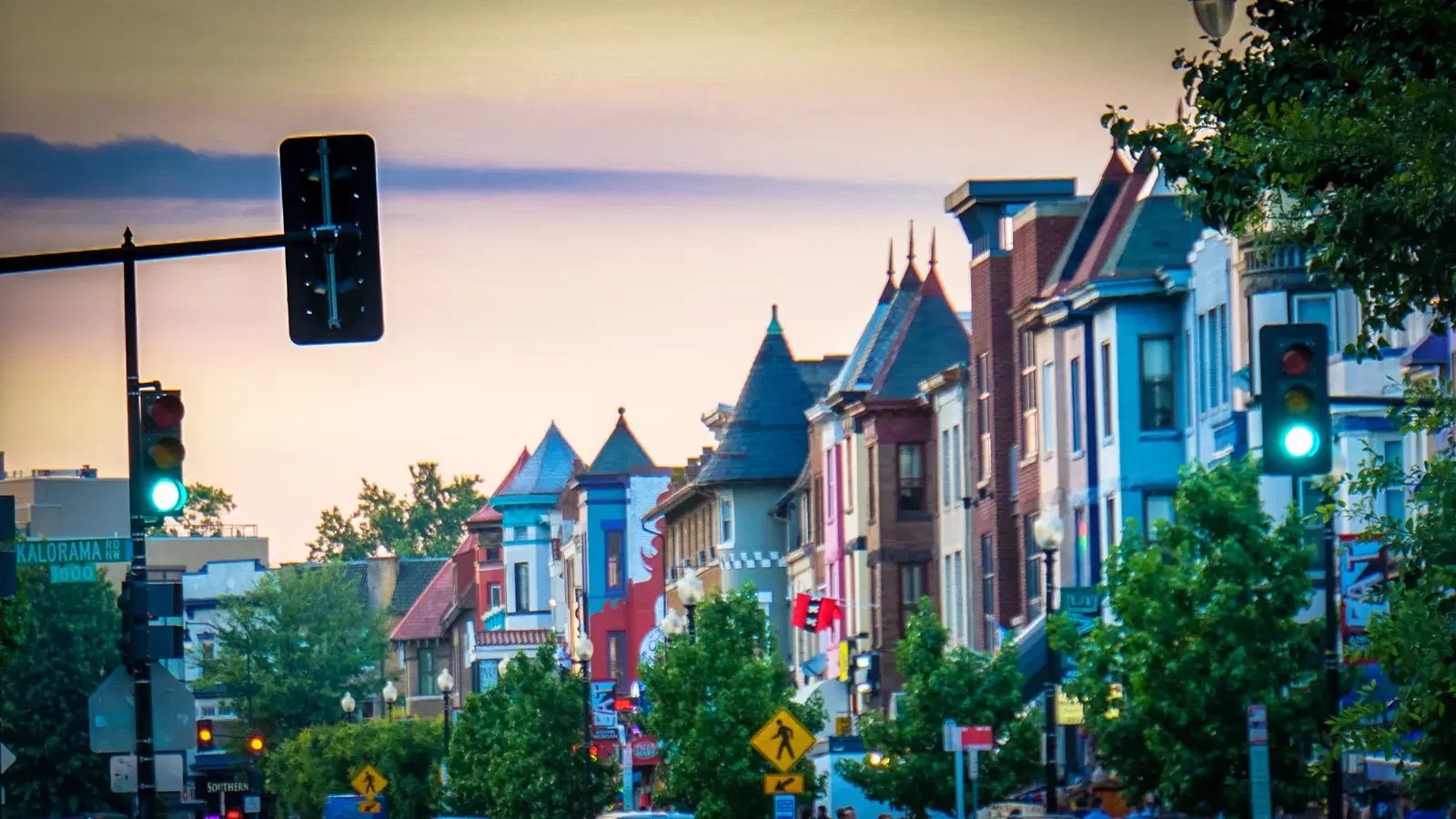 Adams Morgan & Mount Pleasant
 Bloomingdale & LeDroit Park
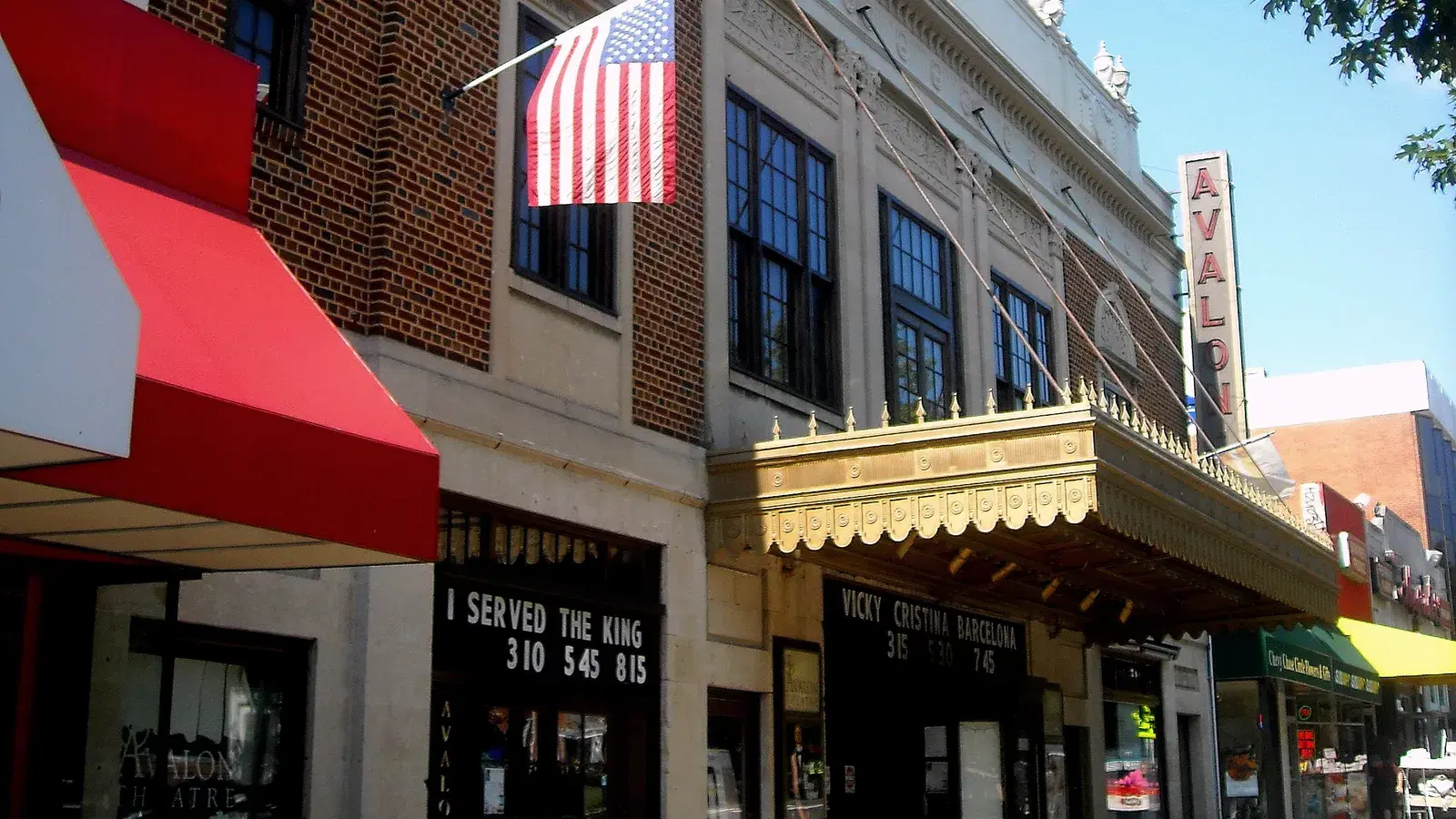 Chevy Chase DC & Upper NW
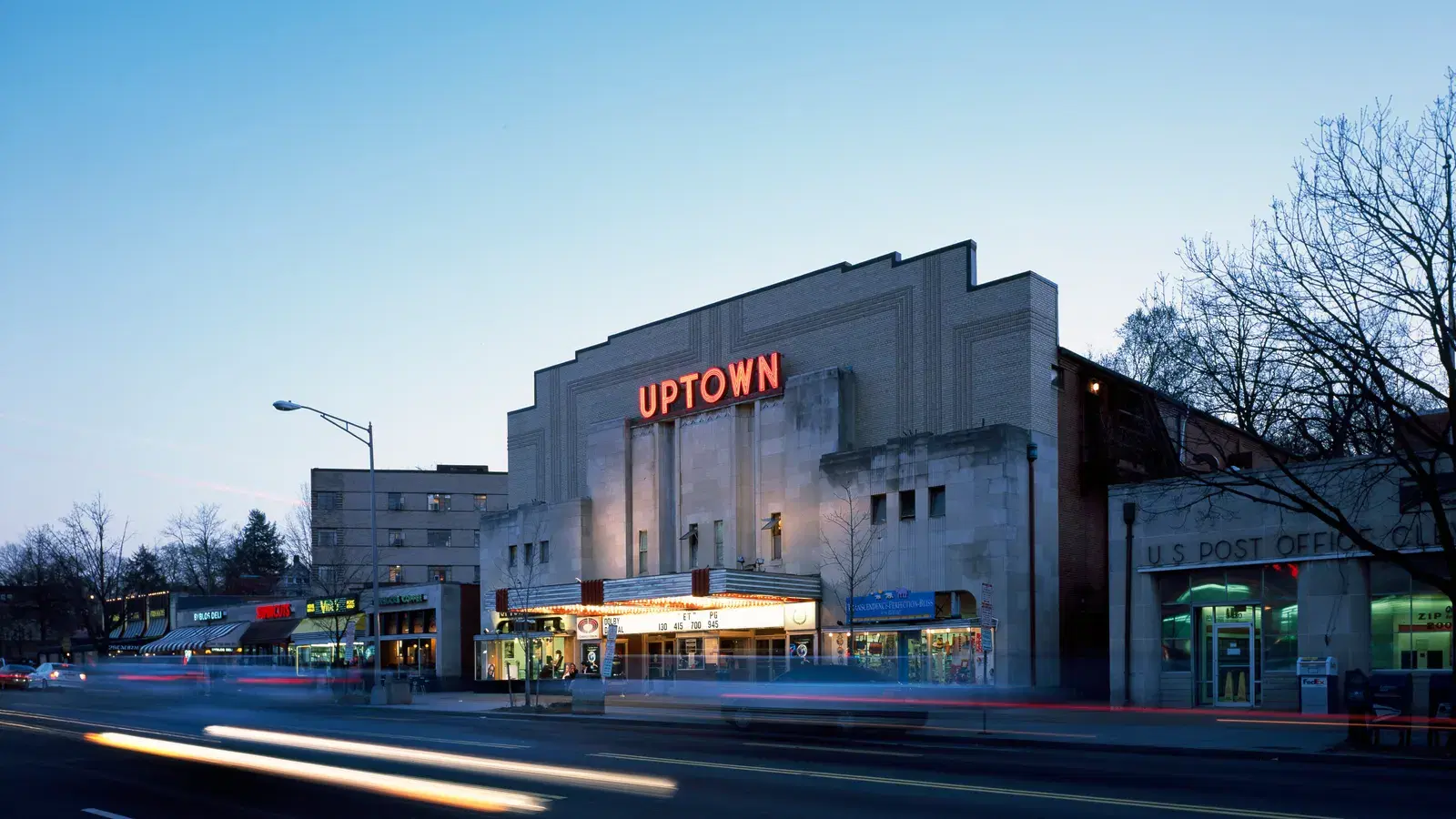 Cleveland Park
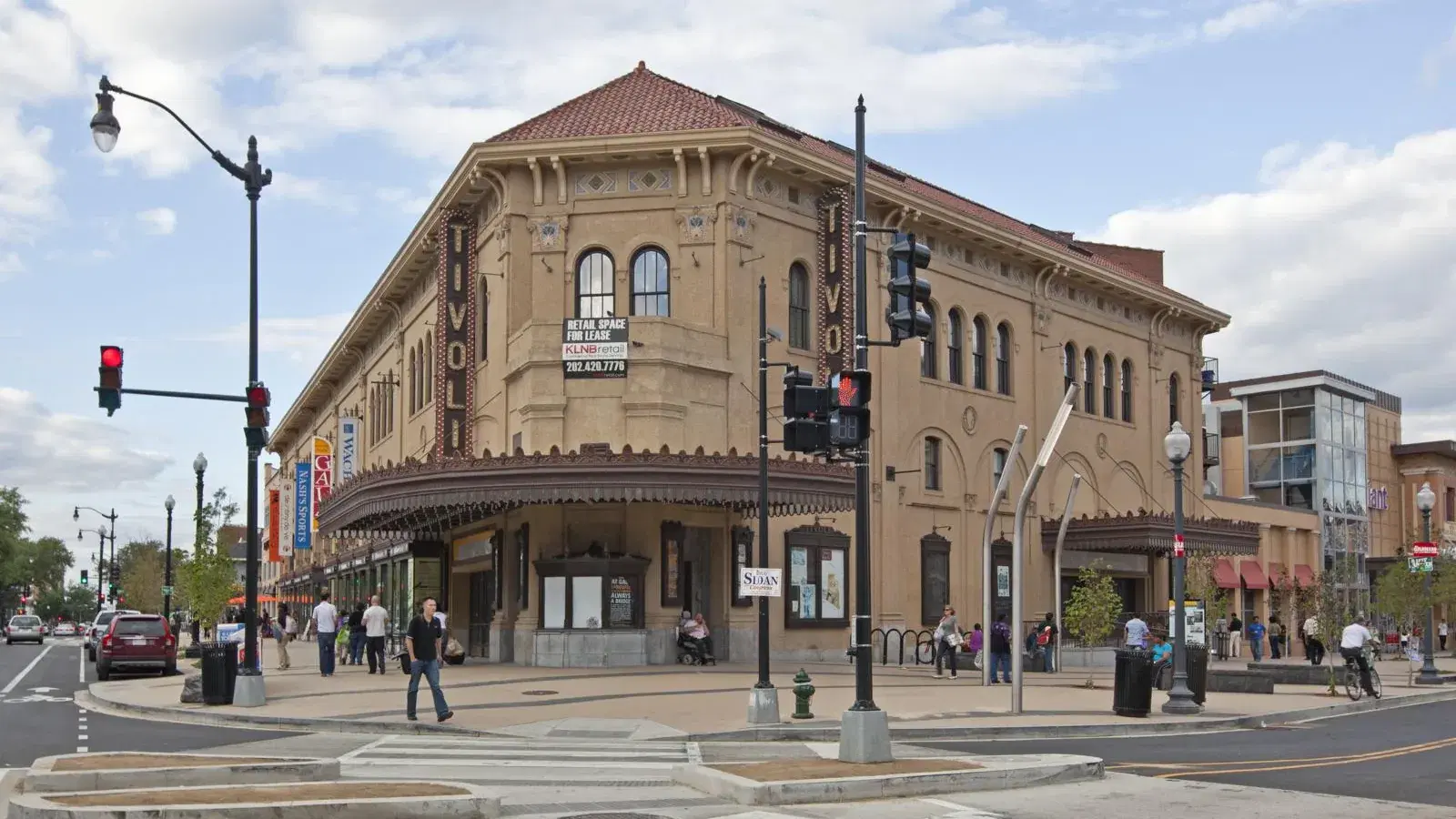 Columbia Heights
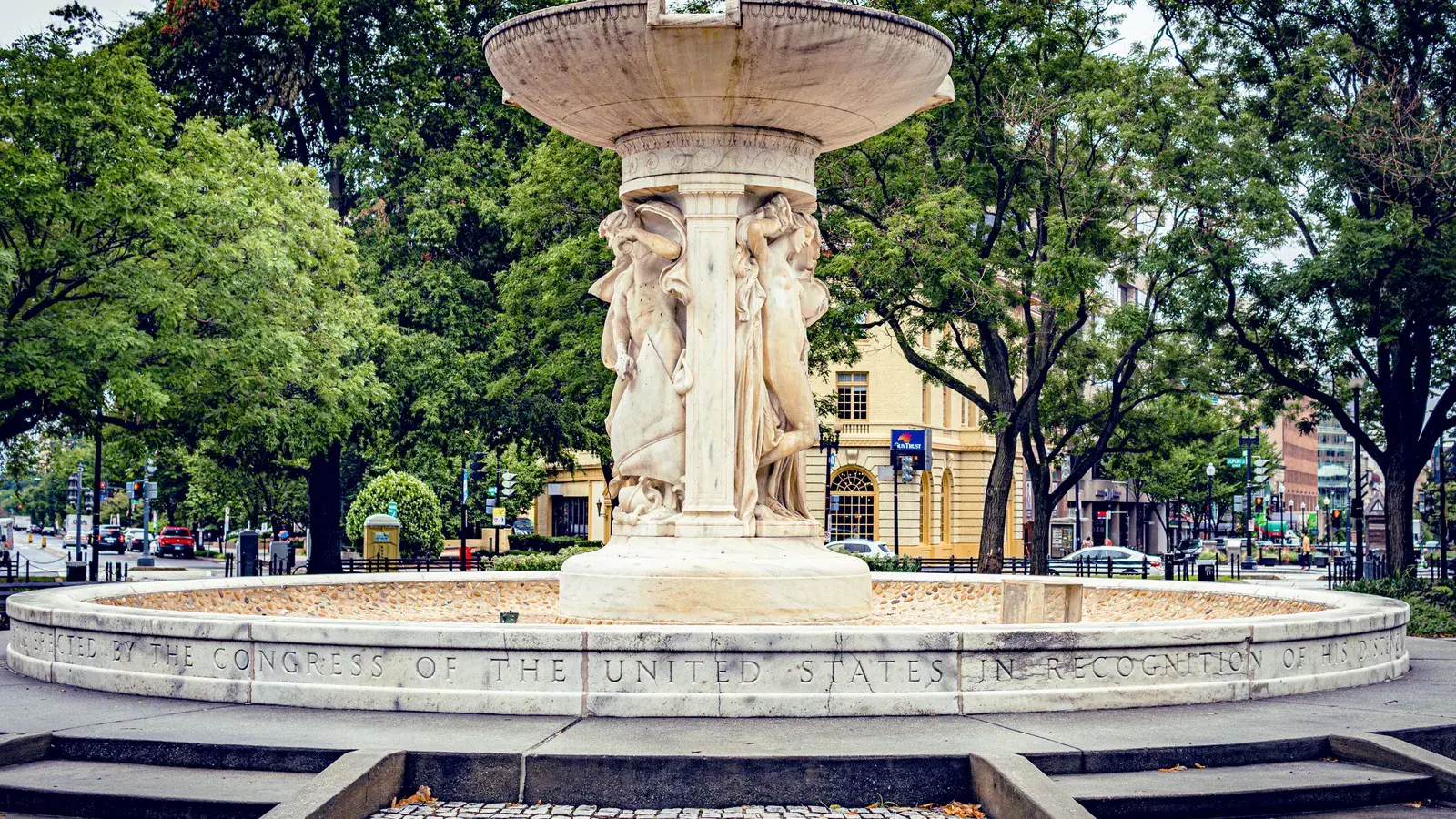 Dupont Circle & Kalorama
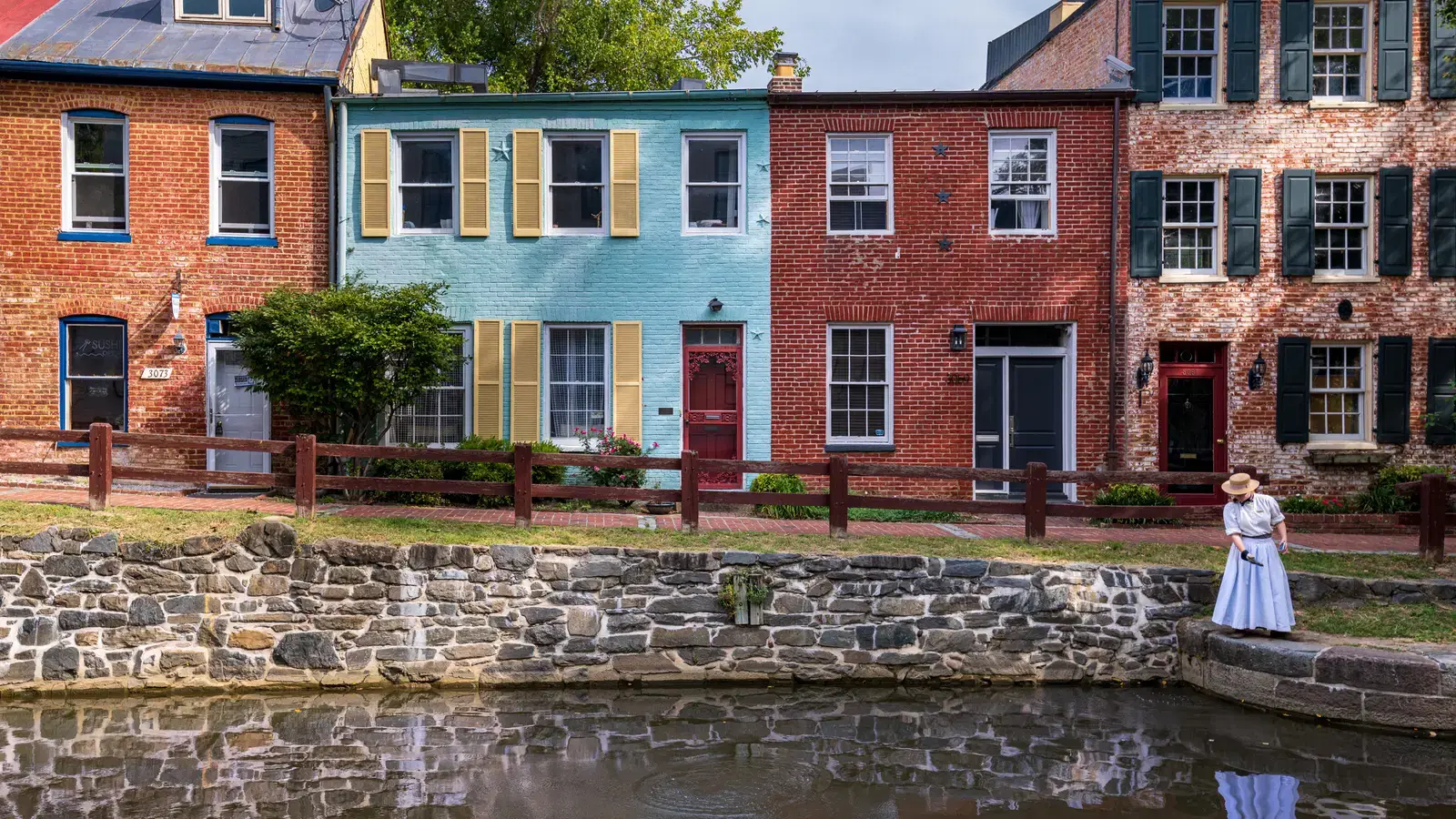 Georgetown
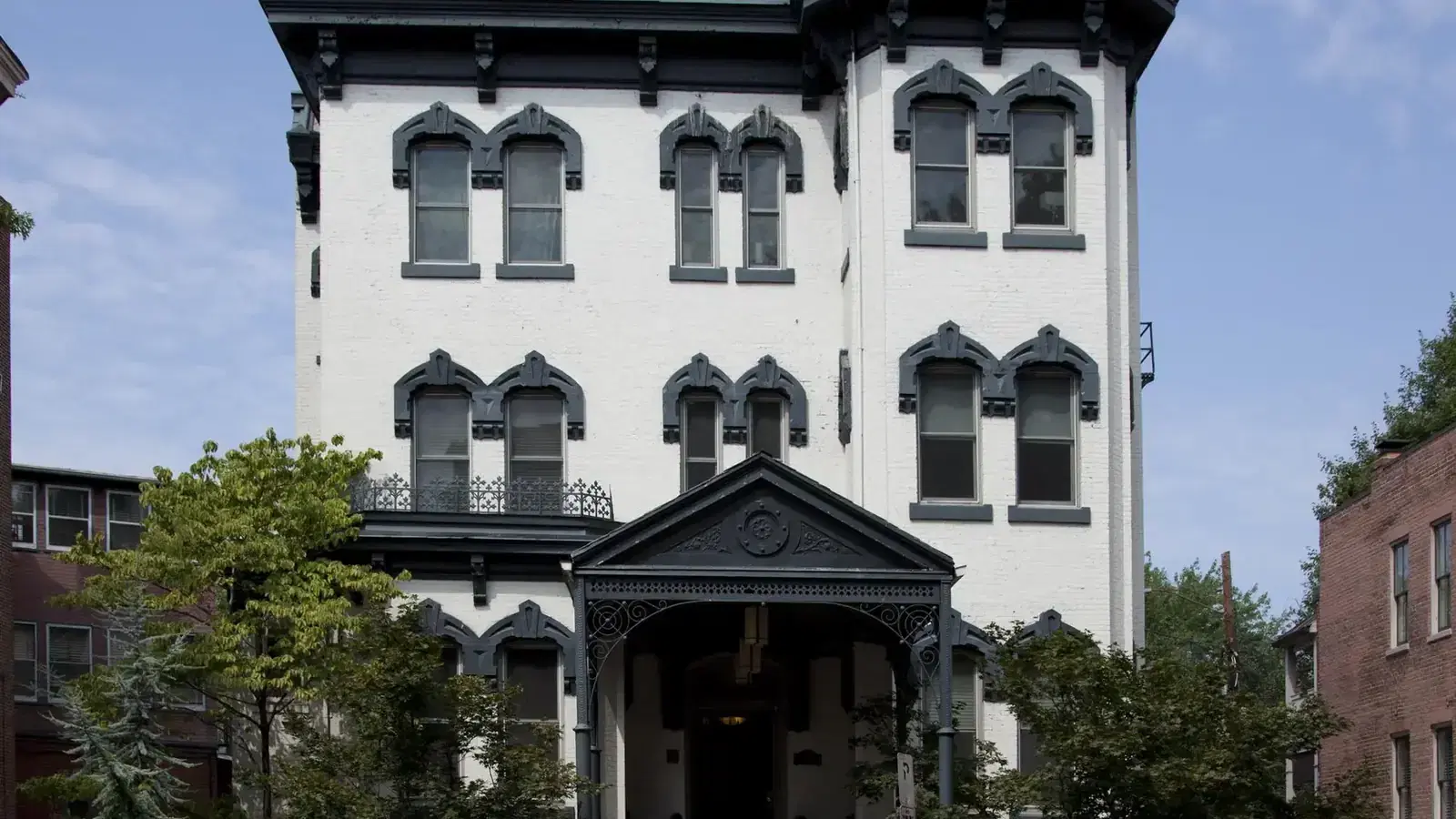 Logan Circle
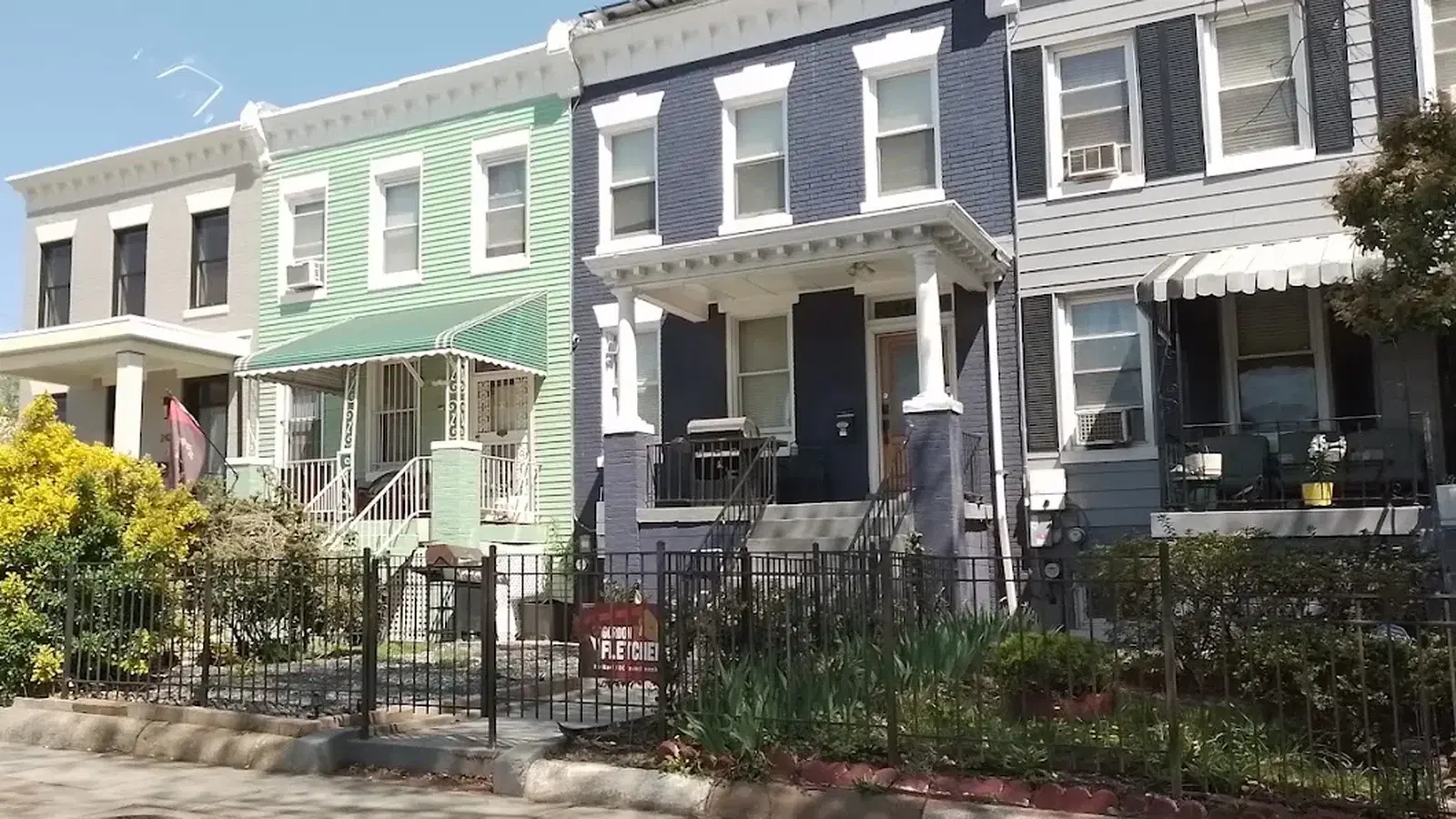 Petworth
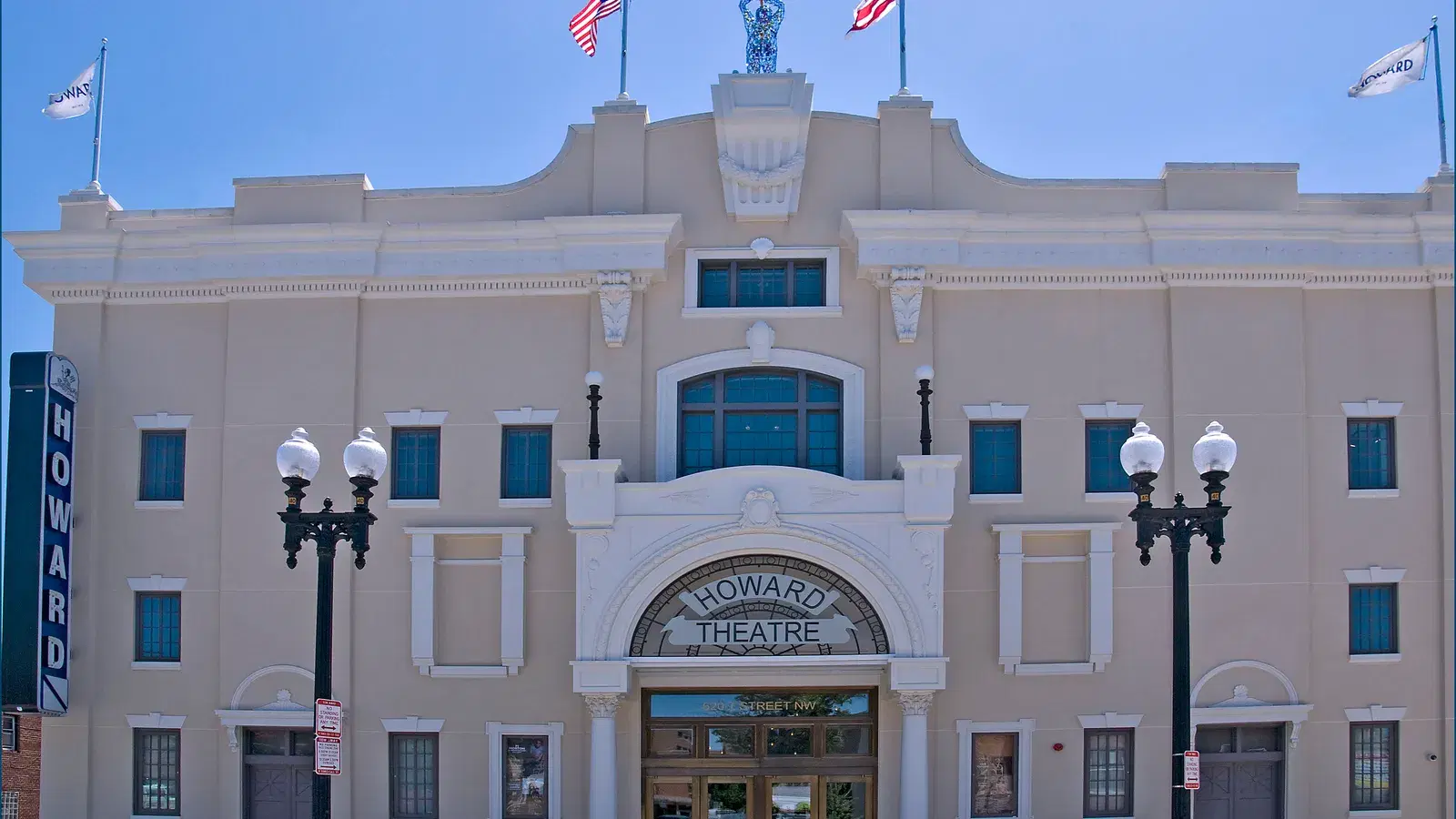 Shaw & U Street
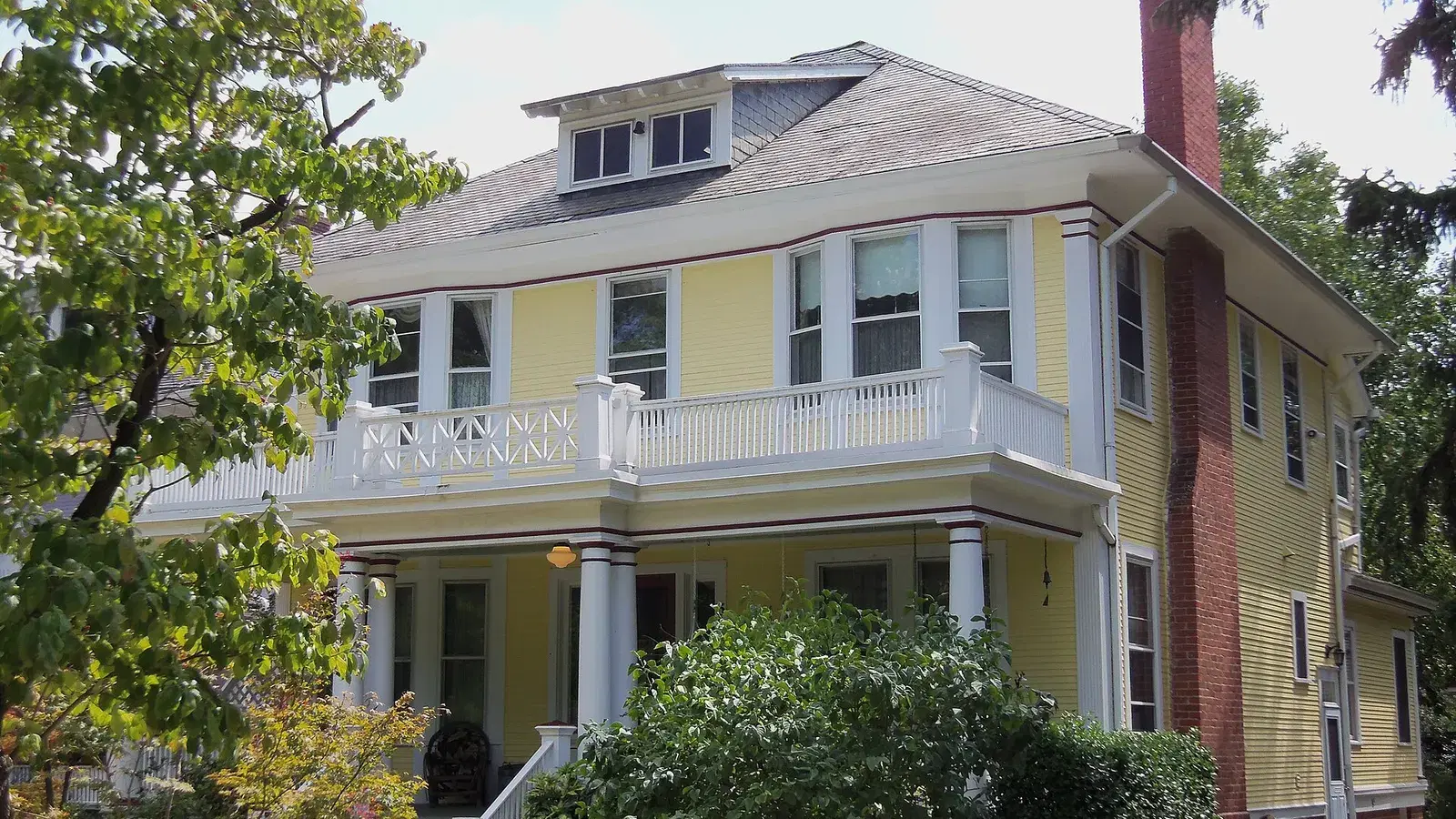 Takoma & Shepherd Park
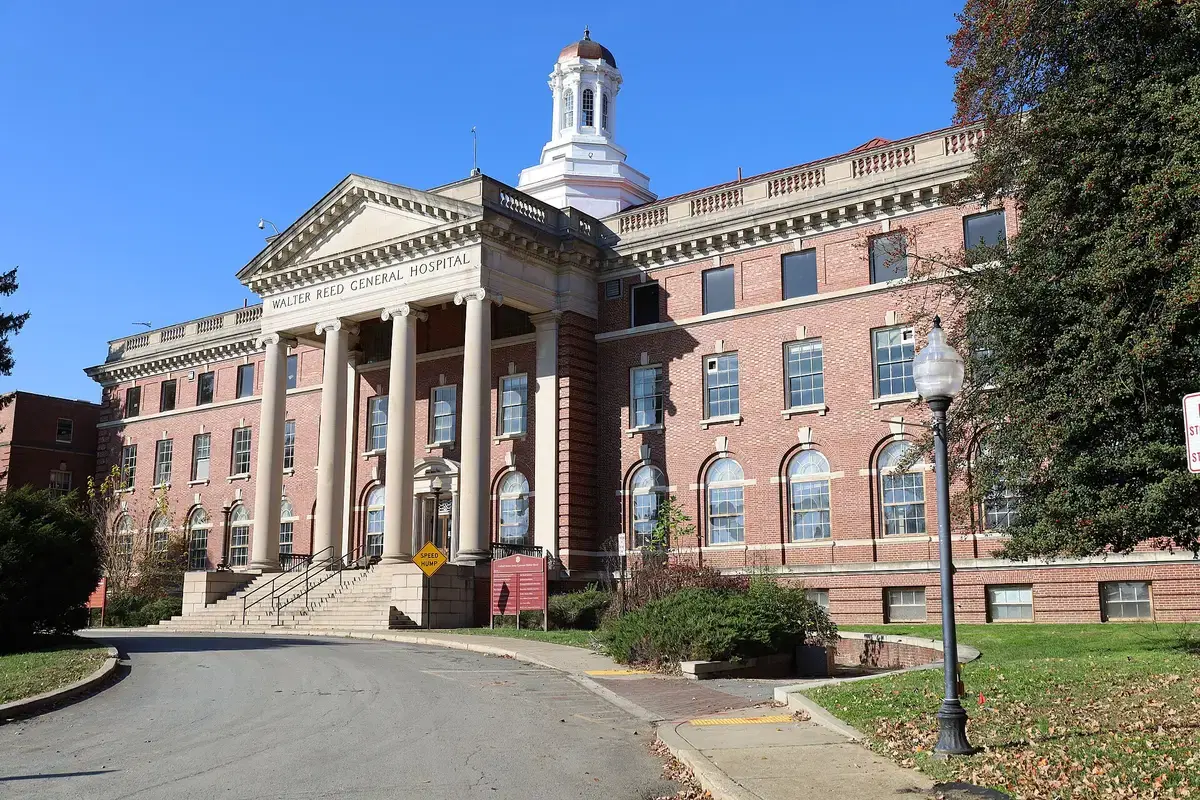 The Parks at Walter Reed
 Woodley Park
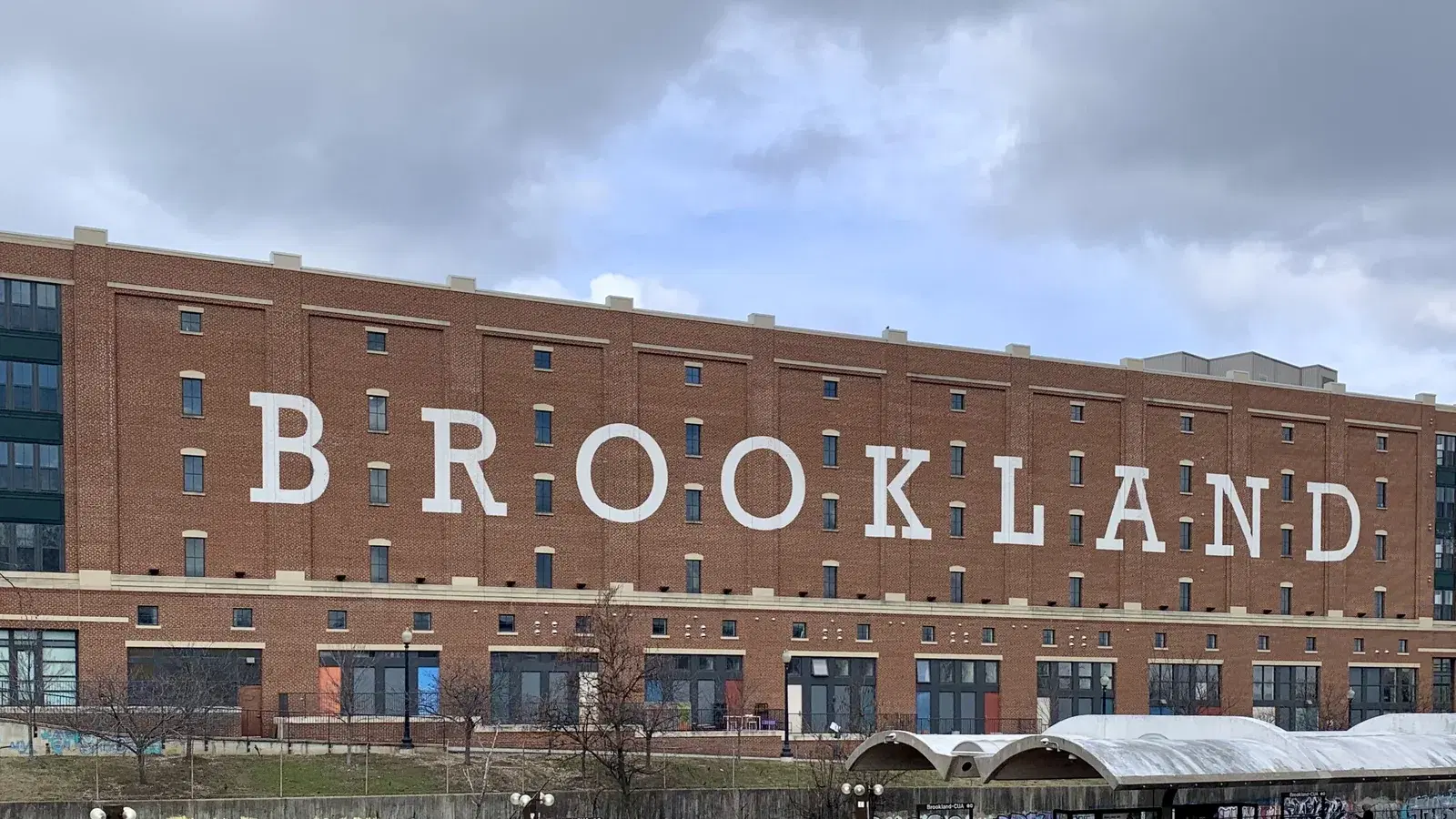 Brookland
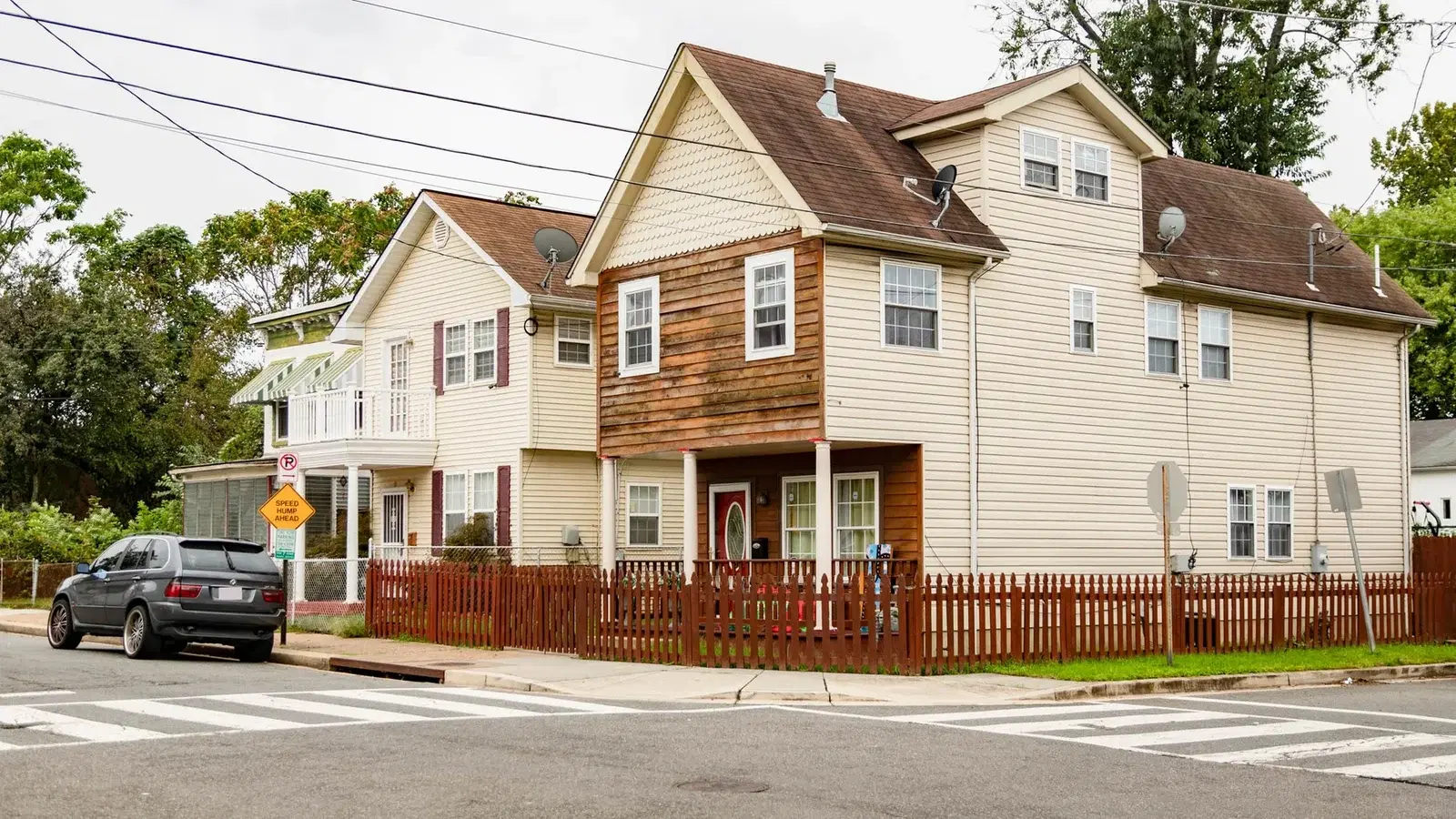 Deanwood
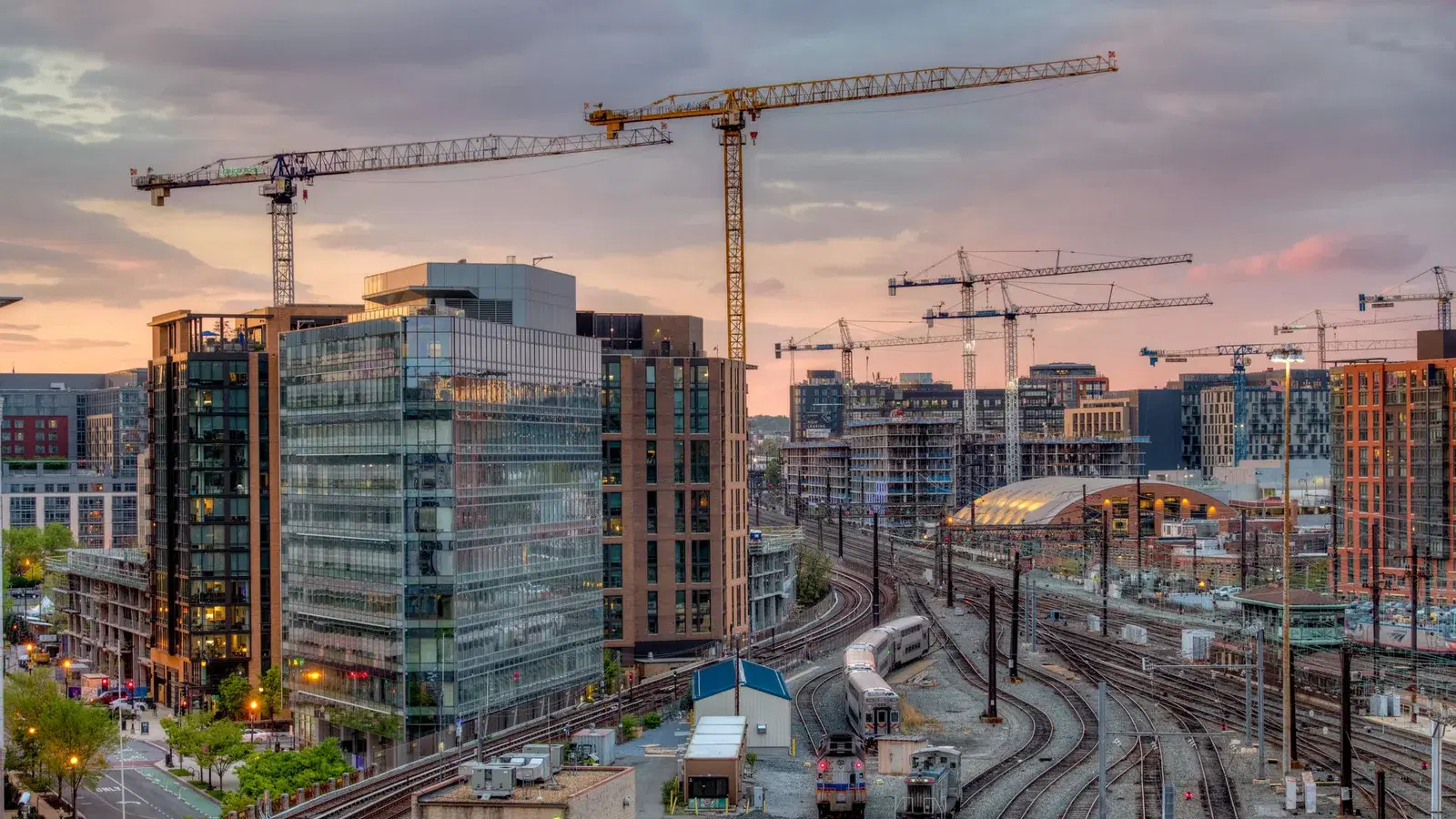 NoMa
NoMa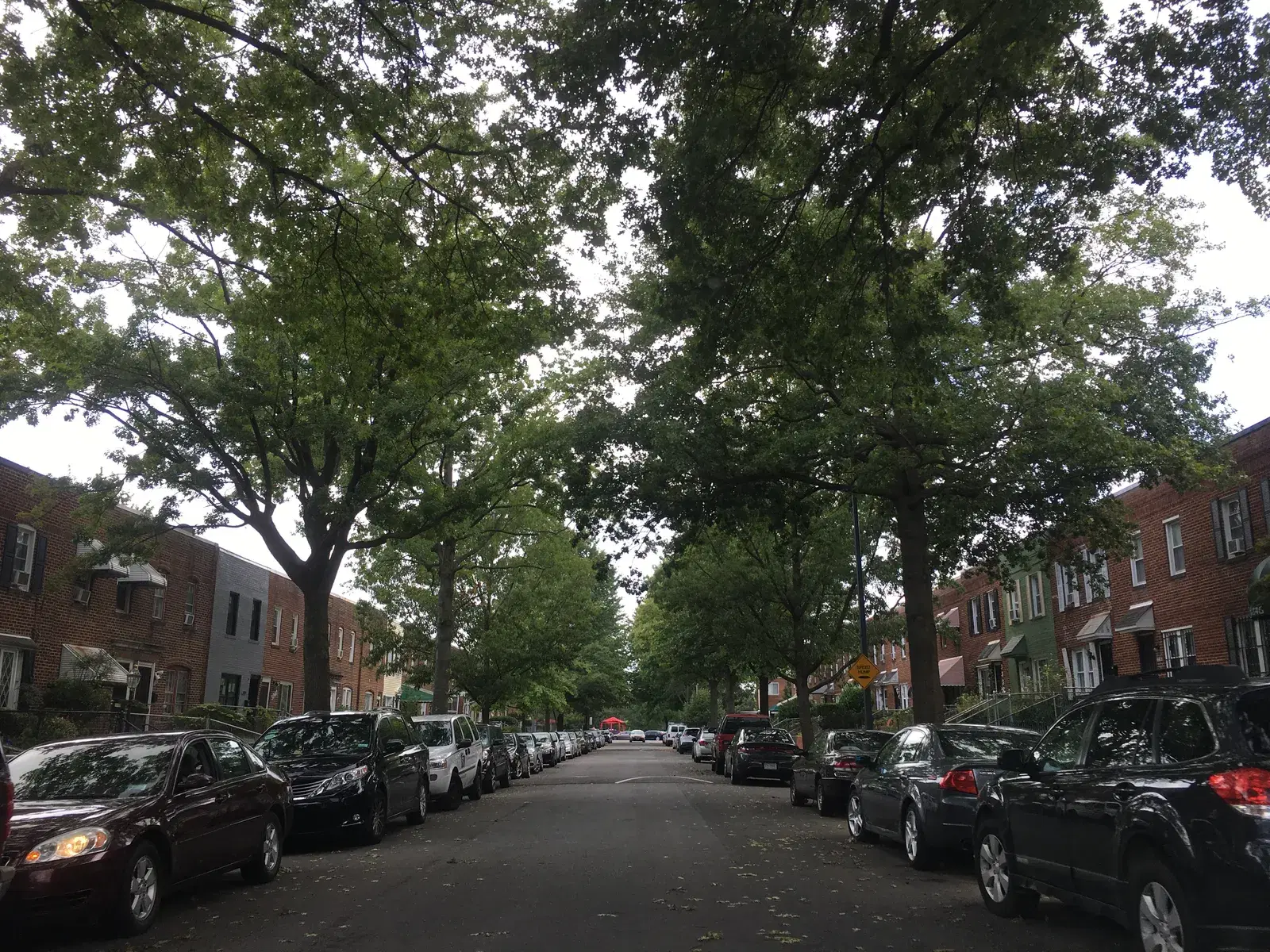 River Terrace & Benning
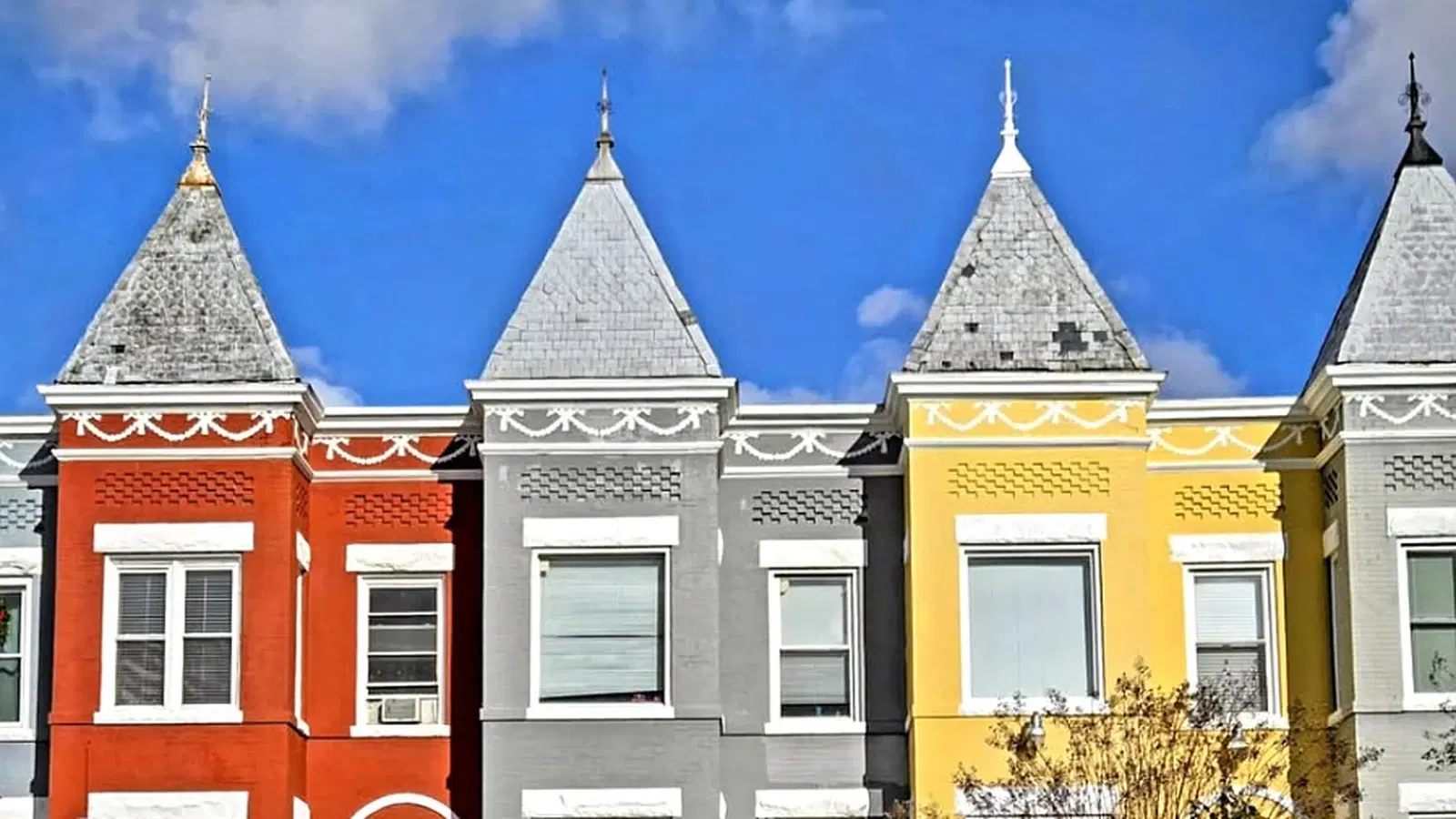 Trinidad & H Street
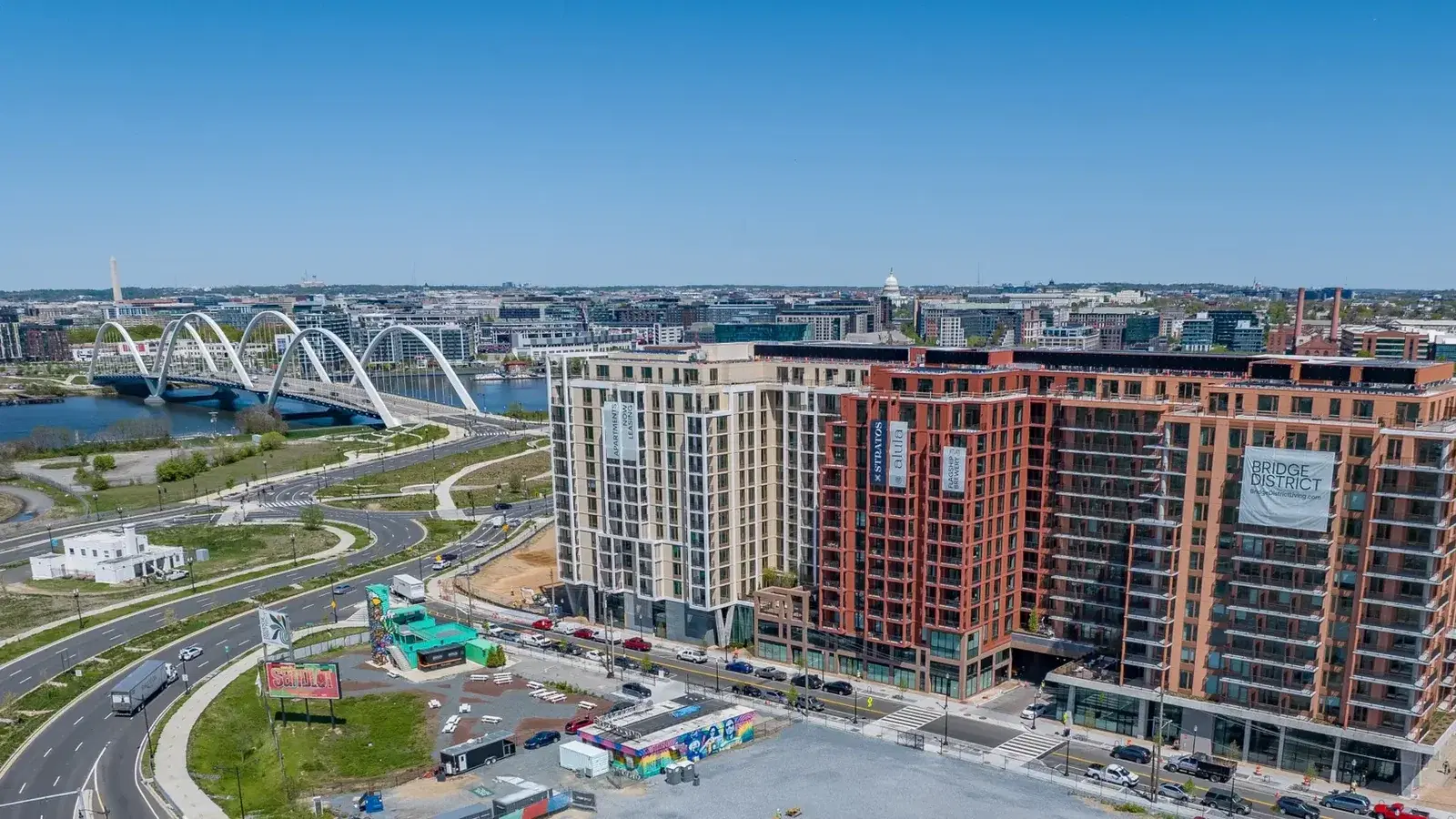 Bridge District
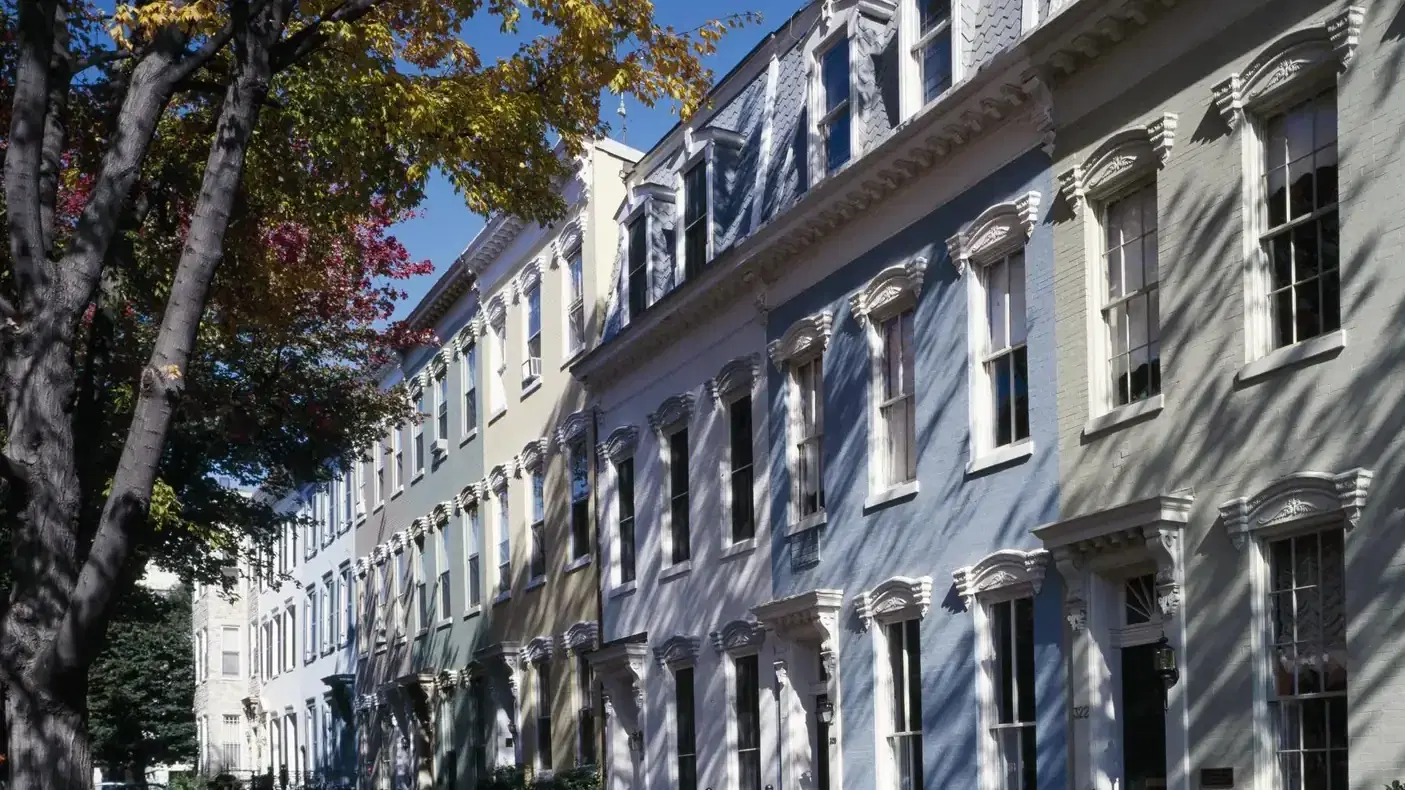 Capitol Hill
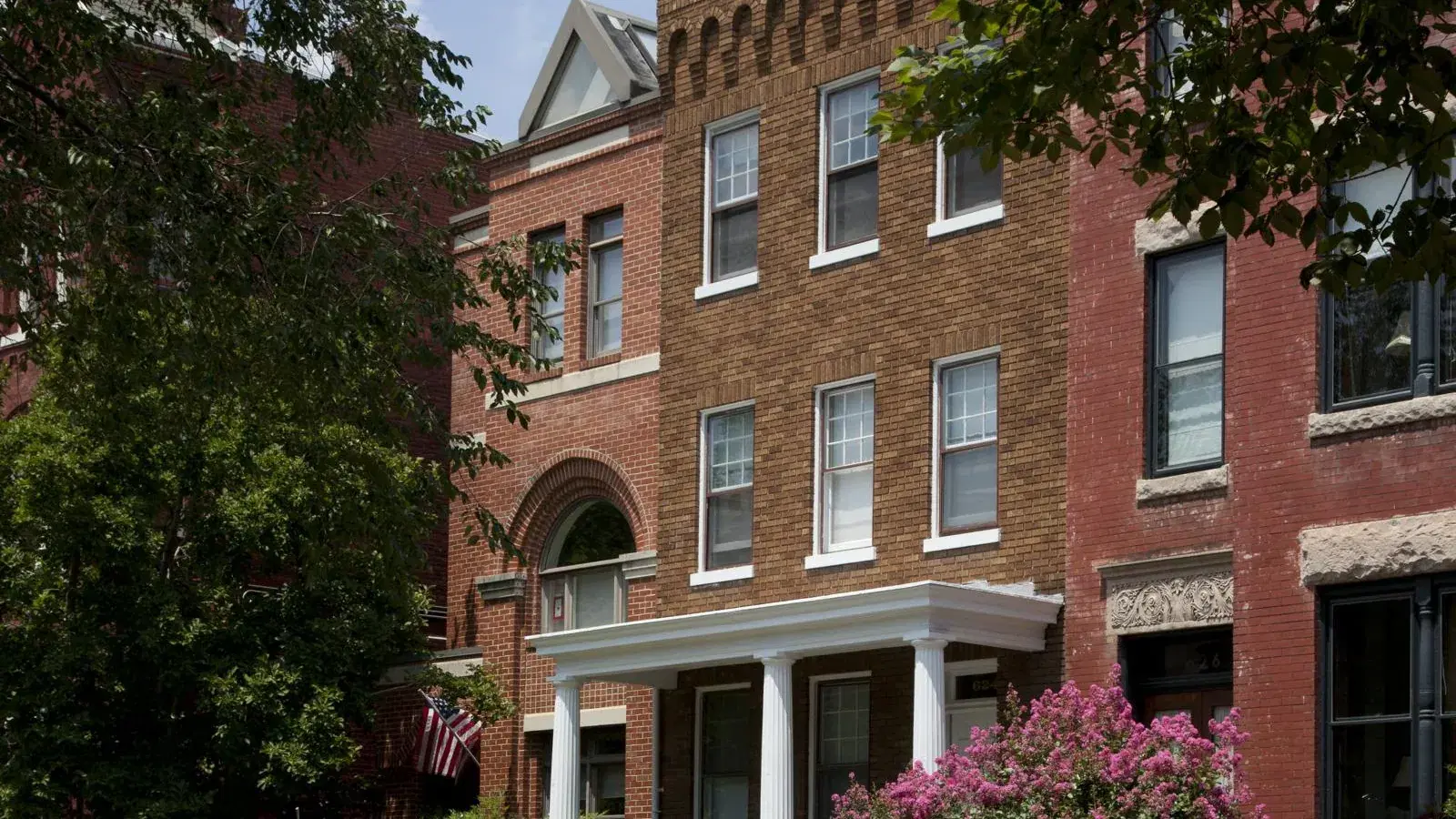 Capitol Hill East
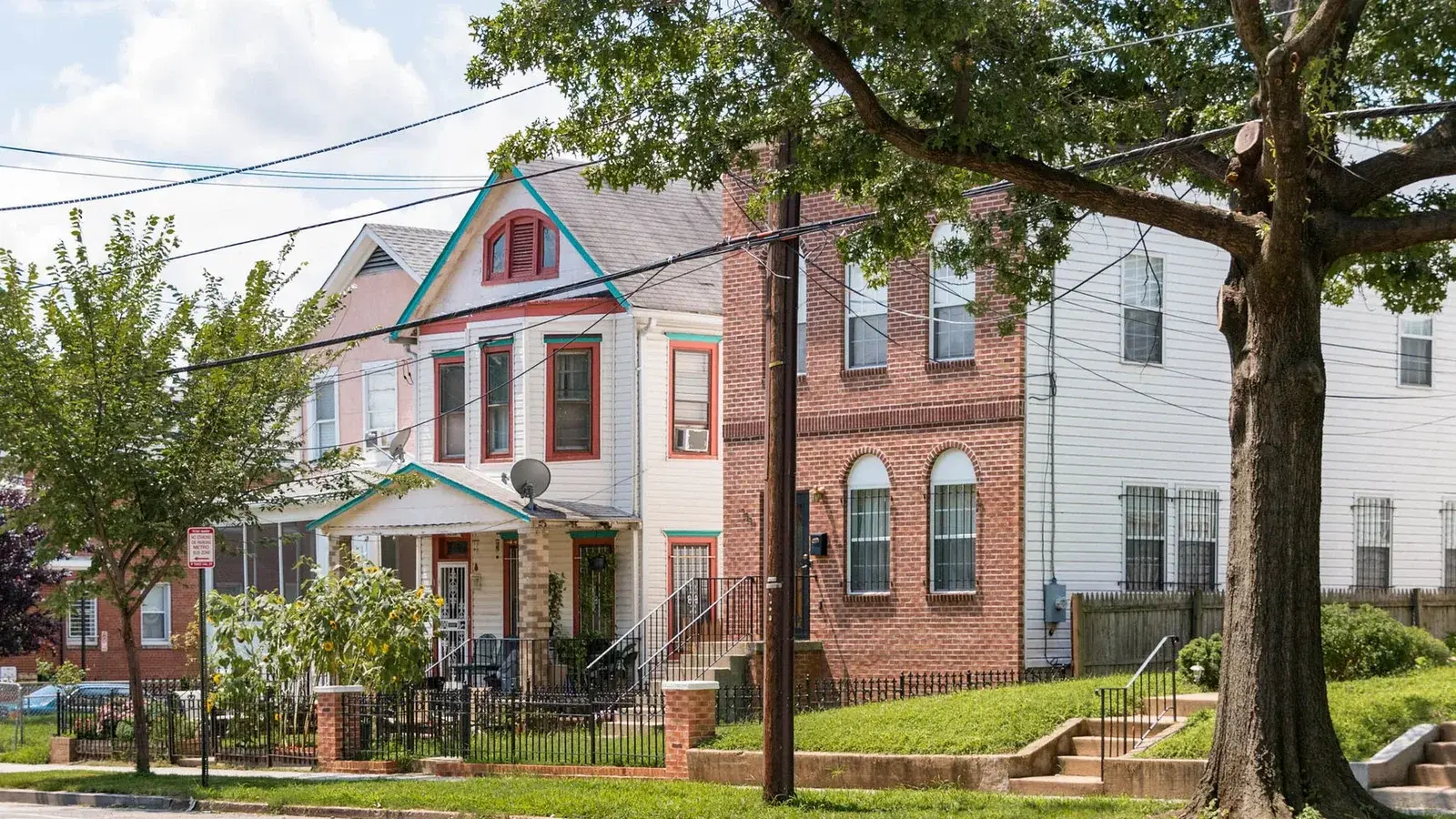 Congress Heights
 Fairlawn
 Hillcrest & Fort Dupont
 Historic Anacostia
 Marshall Heights & Benning Ridge
 Navy Yard
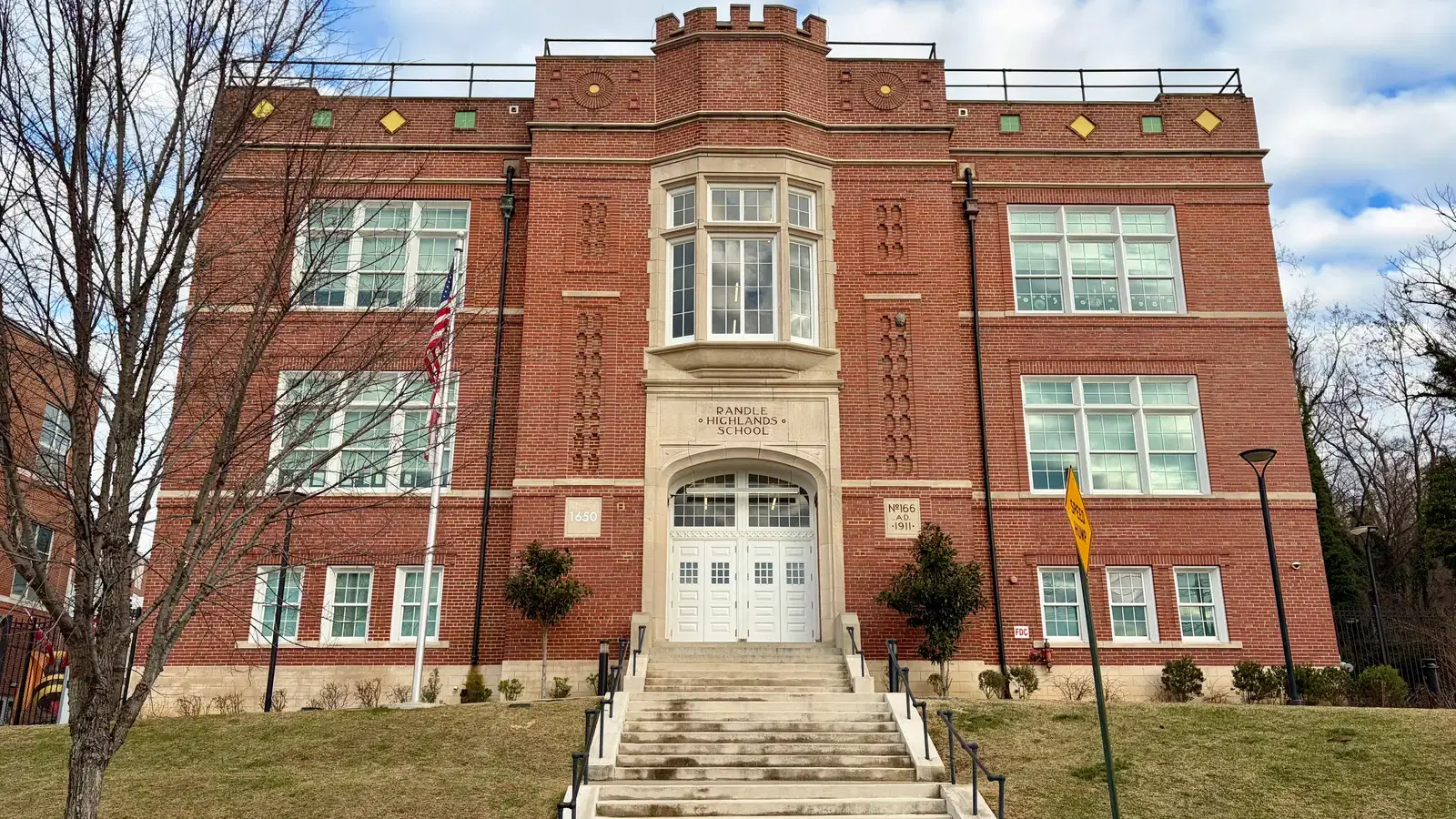 Randle Highlands
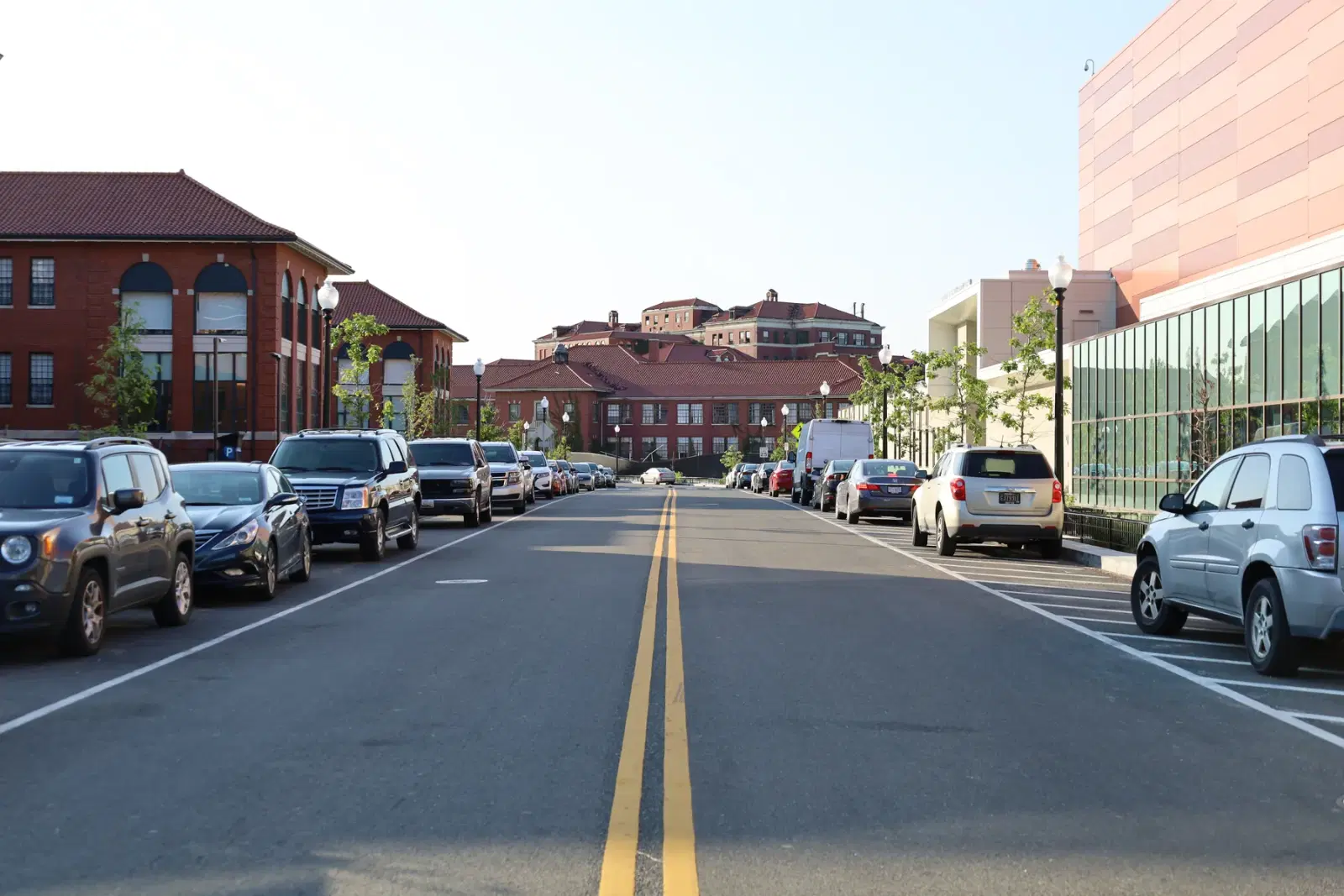 St. Elizabeths East
 SW Waterfront & The Wharf