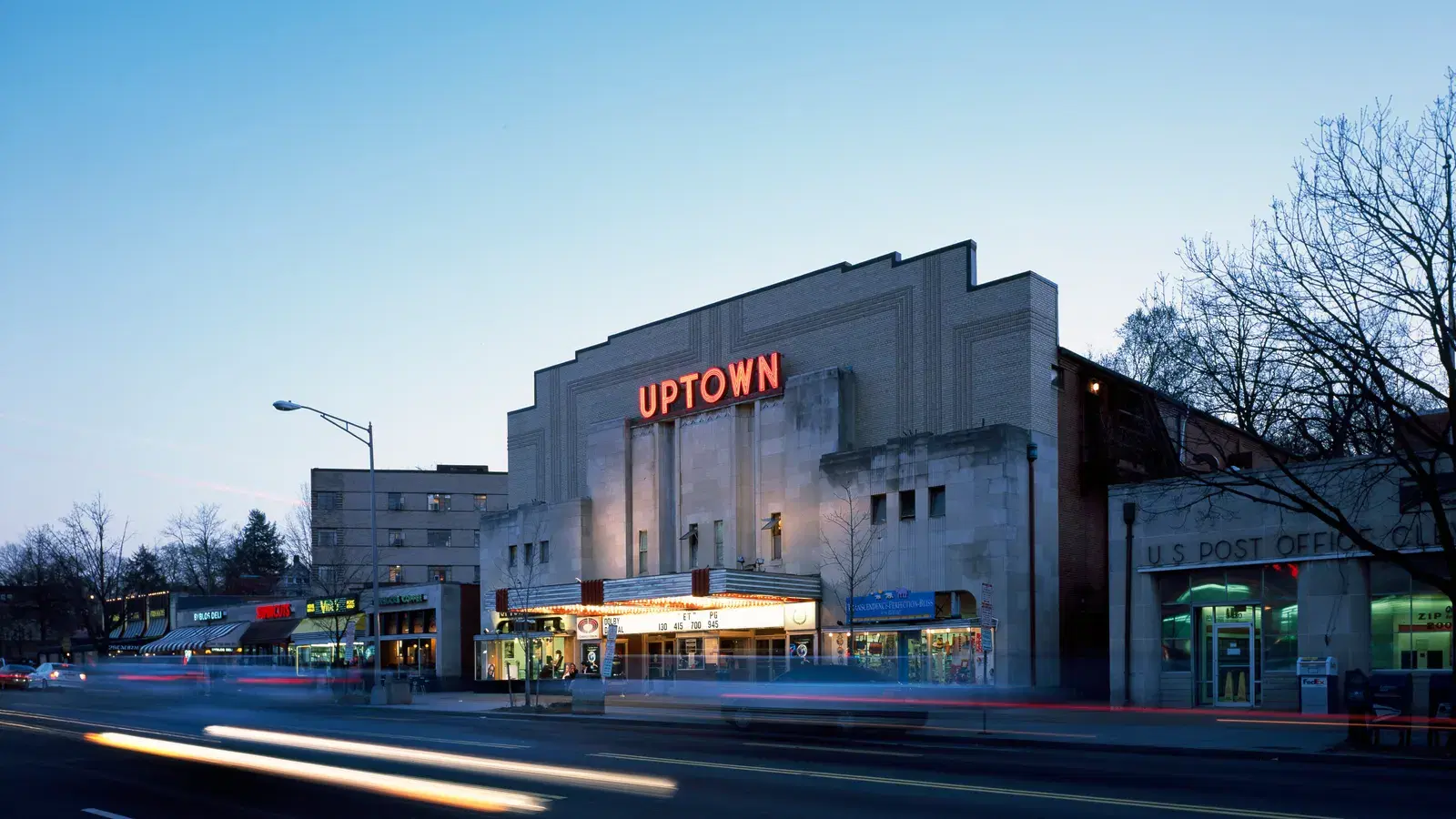
The art-deco facade and marquee of the Uptown Theater on Connecticut Avenue NW, Washington, D.C.

Cleveland Park & Woodley Park, Washington DC

Connecticut Avenue at its best.

An art-deco movie palace, the Zoo's free front gate, and the apartment houses people cross the city to live in — Cleveland Park and Woodley Park.

What it costs here
$2.1M
Median house price · 186 sales
$894
Median per square foot
+51%
Renovated over dated

Recorded arm’s-length sales from the District’s assessment records, through 2026-08-12. Not an appraisal or a valuation of any particular home. Compare every DC neighborhood

Why here

The Uptown, the Zoo, and the avenue.

These are streetcar neighborhoods that kept everything good about the plan — the avenue does the errands, the park does the weekends.

The Uptown Theater's neon sign and art-deco marquee lit at dusk on Connecticut Avenue NW, Washington, D.C.

The Uptown

The 1936 art-deco single-screen with the giant curved screen — saved by its neighborhood and lighting the marquee again.

A giant panda in its outdoor habitat at the Smithsonian's National Zoo, Washington, D.C.

The National Zoo

Free every day, giant pandas back in residence, and effectively the neighborhood's front yard — the stroller loop of record.

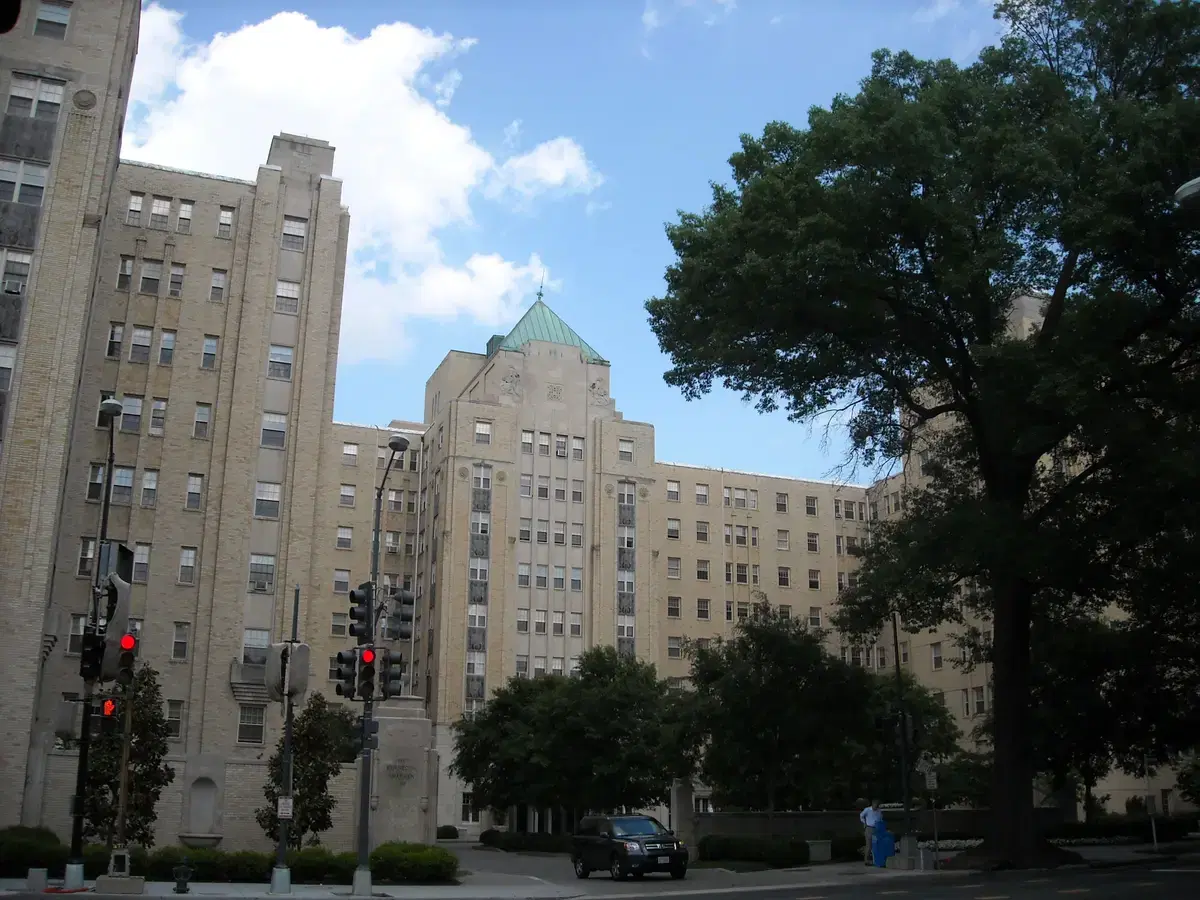
The Kennedy-Warren's art-deco facade and copper roof on Connecticut Avenue NW, Washington, D.C.

Photo: AgnosticPreachersKid, CC BY-SA 3.0

The great buildings

The Kennedy-Warren's aluminum deco, the Broadmoor's gardens, and Connecticut's 1920s co-op row — apartment living DC has envied for a century.

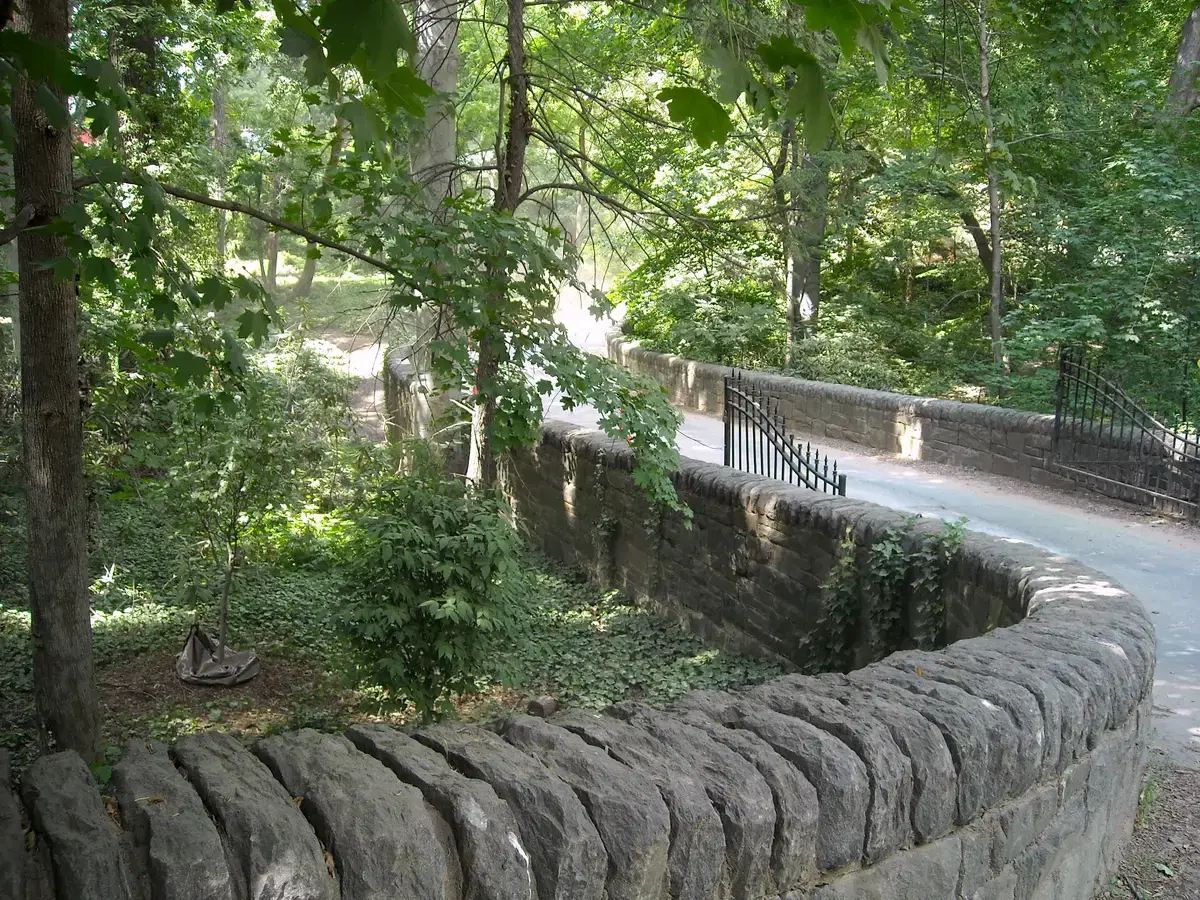
The stone-walled entry drive and iron gates of the Tregaron estate under tree canopy, Washington, D.C.

Photo: AgnosticPreachersKid, CC BY-SA 3.0

Tregaron & Rock Creek

A restored twenty-acre estate landscape between the neighborhoods, with Rock Creek Park itself at the bottom of every eastern street.

Who's moving in: co-op devotees, Zoo-loop stroller parents, and empty nesters trading a big house for the Kennedy-Warren's doorman.

Getting around

Car, train, bus, or bike — how Cleveland Park moves.

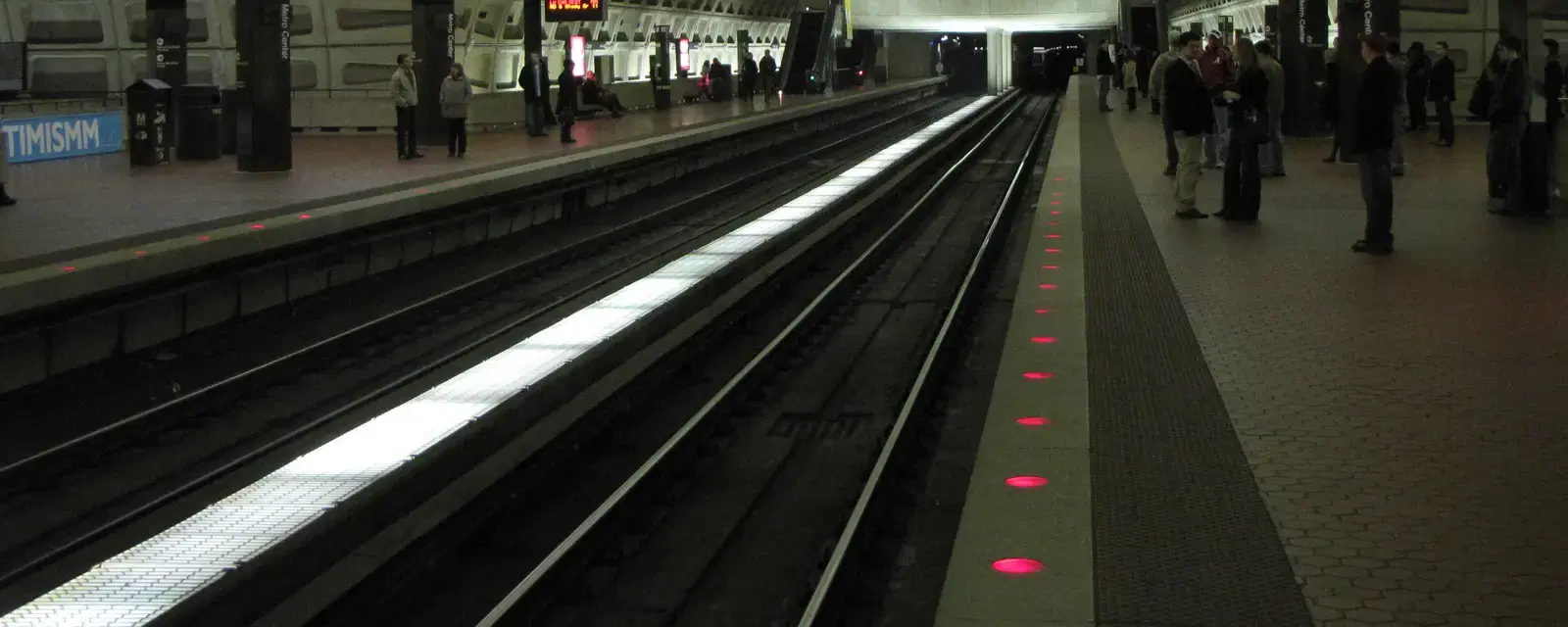
The coffered concrete crossvault of Metro Center station, Washington, D.C.

Photo: Ben Schumin, CC BY-SA 3.0

Metro
Cleveland Park and Woodley Park (Red) — a station at each end of the neighborhood.
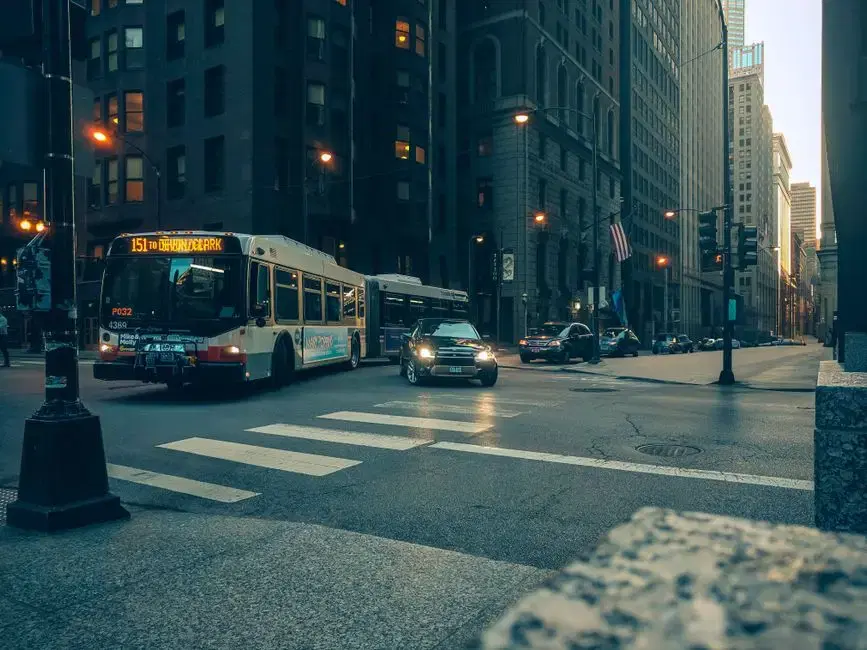
US city bus crossing a downtown intersection at twilight, American flag visible
Bus
Connecticut Avenue's frequent corridor runs the spine, with crosstown service on Porter and Calvert.
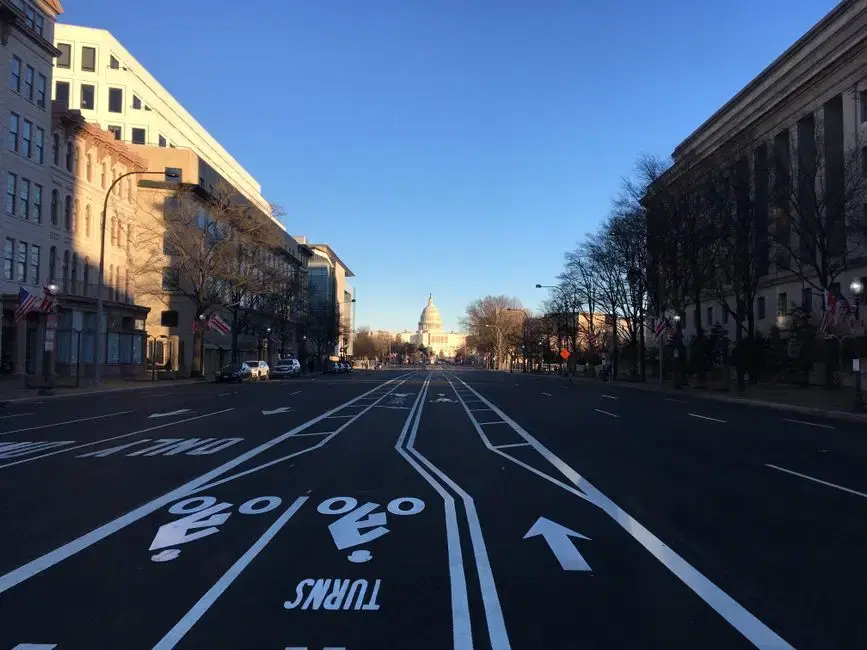
Pennsylvania Ave protected bike lanes leading straight to the US Capitol
Bike & trails
Rock Creek's trail network at the bottom of the hill, and the Klingle Valley Trail as the neighborhood's own car-free cut.
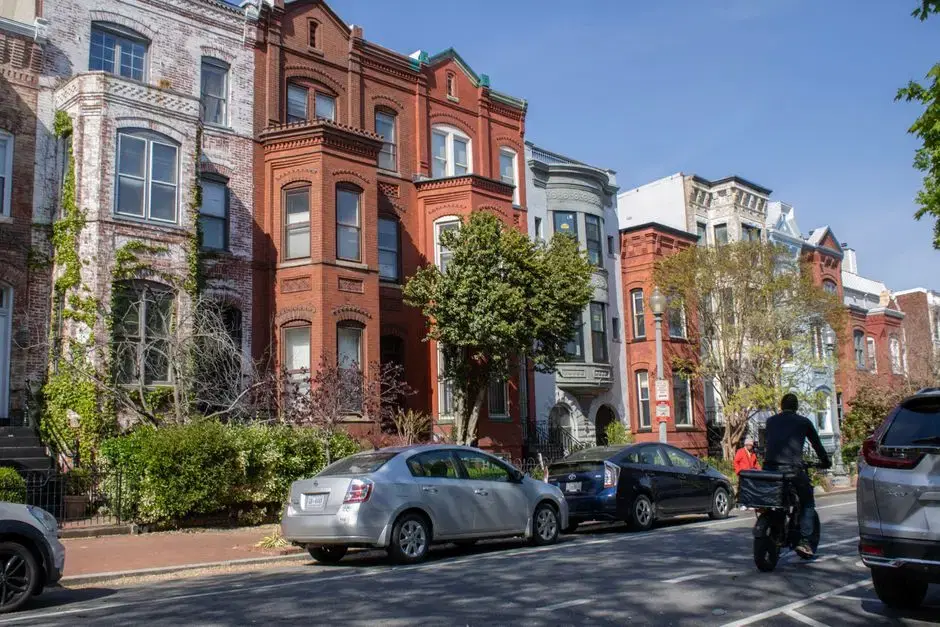
DC brick rowhouses with cars parallel-parked at the curb, sunny day, DC plates
Parking
Permit-zoned along the avenue and tight near the Zoo on weekends; the big buildings rent garage spaces, and the side-street houses often keep a pad.

Daily life

Living in Cleveland Park, day to day.

Schools, suppers, parks, and errands — the practical texture of the neighborhood, named specifically.

Yellow school bus from behind on a tree-lined street in autumn, no children visible
Schools
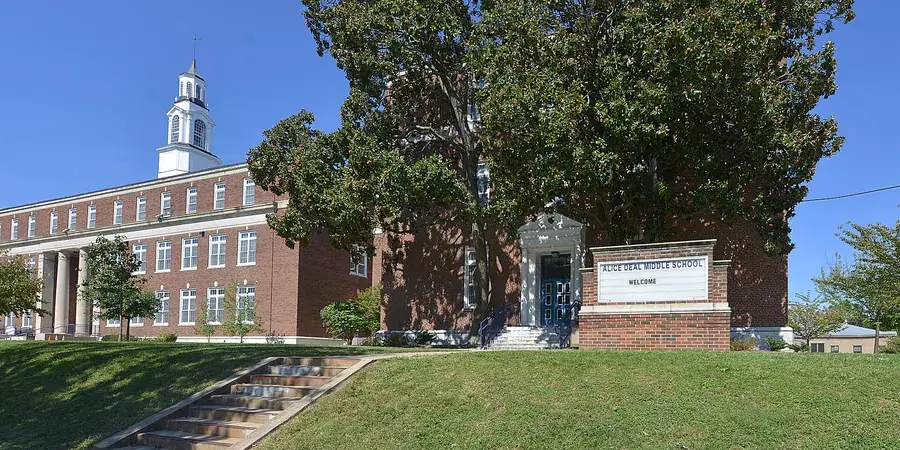
Eaton and Hearst elementaries feed Deal and Jackson-Reed, and Oyster's bilingual campus sits in Woodley Park. The private bench is deep: Maret, Washington International, and the Cathedral schools.
Warm dimly lit restaurant interior, diners at candlelit tables under a fringed lamp
Dining & nights out
Vace's Italian deli — an avenue institution — Medium Rare's steak-frites, Duke's Counter across from the Zoo, and Open City's all-day room in Woodley Park.
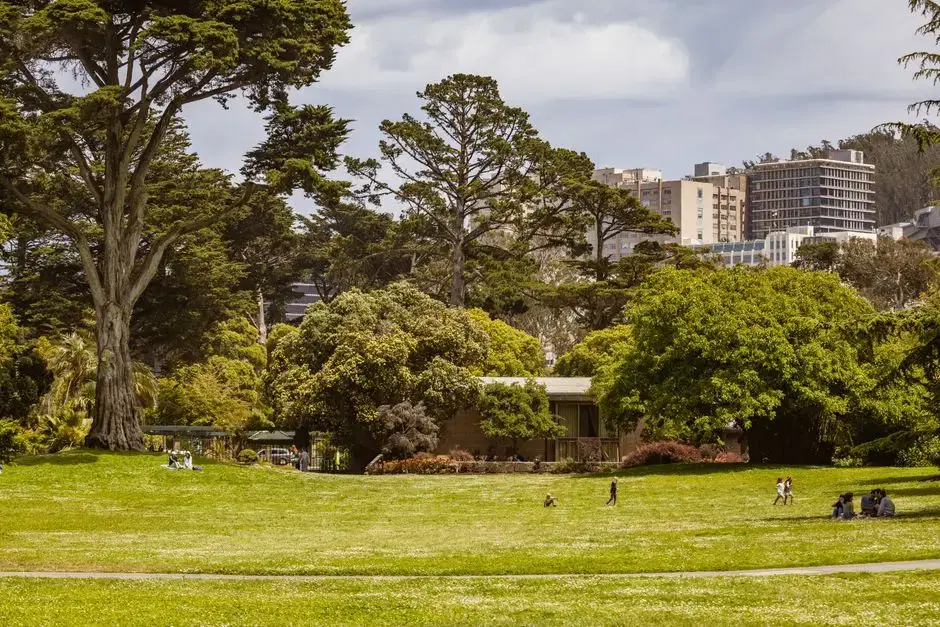
Wide green park lawn with picnickers, mature trees, city buildings behind
Parks & recreation
Rock Creek Park, the Klingle Valley Trail, Tregaron Conservancy's paths and meadow, and the Newark Street fields and dog park.
Wooden library bookshelves in the foreground with a warm reading room beyond
The library
The Cleveland Park branch — rebuilt glassy and bright — sits right on Connecticut.
Shopper reaching for produce in a warmly lit grocery produce aisle, face in profile
Groceries
Yes! Organic on Connecticut, the rebuilt Giant on Wisconsin, and Wegmans at City Ridge a few minutes west.
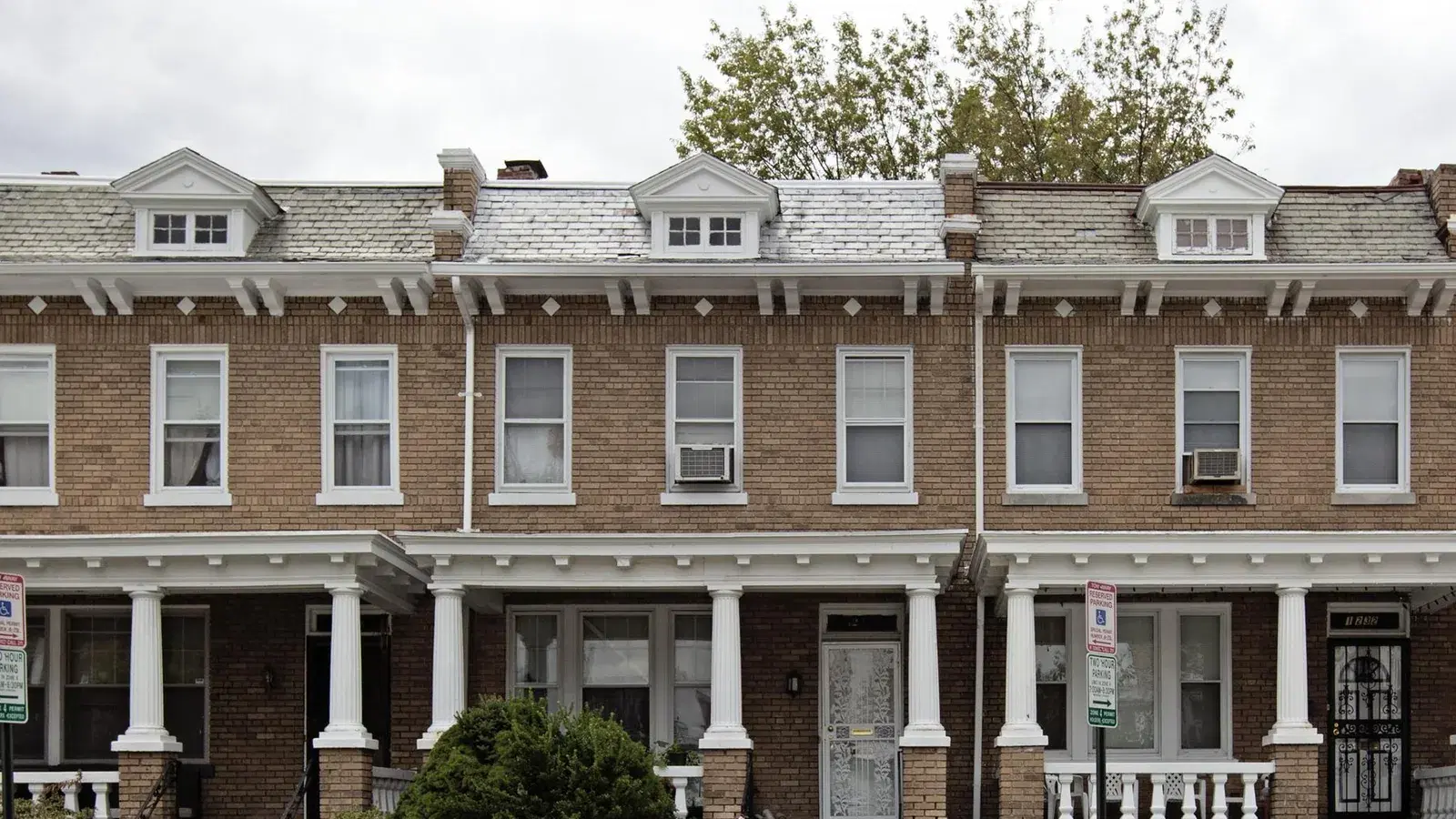
A row of porched brick rowhouses with dormer windows on Quincy Street NW, Washington, D.C.
On foot
Two Red Line stops, a full errand corridor, and the Zoo as the daily loop — the avenue does the driving so you don't have to.

Wherever you are

Start from where you actually are.

Buying takes most first-time DC buyers the better part of a year. The useful next step depends on which part you're in.

  1. 01 · Still running numbers

    What can we actually afford?

    Start with the payment, not the price. DC property tax, insurance and any condo fee move it more than buyers expect — and the condo fee counts against your ratios in full.

    See what you can afford
  2. 02 · Saving up

    How do we get to the down payment?

    What you actually need down at Cleveland Park prices is usually less than people assume, and the property type moves it as much as the program does.

    See what you'd need
  3. 03 · Writing offers

    We need to look credible.

    DC listing agents expect a pre-approval attached to the offer. Ninety seconds, no credit pull to start.

    Get pre-qualified

You asked

Condo or co-op on Connecticut — does it matter?

The grand old buildings on Connecticut — condo or co-op, and does it matter?
It matters more than anything else about the purchase. Cleveland Park and Woodley Park hold some of DC's great 1920s apartment houses, and many are co-ops: you buy shares in the corporation, finance them with a share loan only some lenders offer, and pass a board interview. Fees often fold in property taxes and the building's own mortgage, so an eye-popping monthly number can be fairer than it looks. Condos in the same blocks finance with an ordinary mortgage plus a building review. We identify which is which before you tour.
Will a Cleveland Park house push me into jumbo territory?
The detached Victorians and foursquares in the historic district often will. But DC's 2026 conforming ceiling is $1,249,125 — well above the national baseline — so plenty of purchases here, and nearly all condo purchases, stay conventional or high-balance conventional. Above the ceiling, jumbo terms apply and we shop them across our lender network.
What does the Cleveland Park historic district mean for renovations?
Exterior work visible from the street goes through Historic Preservation Review Board clearance — a scheduling fact, not a lending one. If the plan is a renovation loan, the review timeline goes into the draw schedule from day one. Interior work is generally unrestricted.
Are the apartment buildings near the Zoo harder to finance?
Not harder — just older, which shifts what underwriting looks at: the association's reserves, insurance, and any big capital projects on the horizon. A 1920s building mid-way through a facade or plumbing campaign can carry a special assessment that belongs in your math. We pull the building's documents early and price the whole picture.
Do any DC assistance programs work at these prices?
Mostly no — the price caps for the recordation discount and Tax Abatement sit below nearly every sale, and HPAP doesn't reach this band. The exception to check is DC Open Doors: no maximum sales price, an income cap of $275,400, and a first trust within the conforming ceiling — a fit for some condo and co-op purchases here.
We're empty-nesting out of a big house into a Connecticut Avenue building. What should we plan for?
Two things. First, timing the sale and purchase — bridge strategies, or a home equity line on the house you're leaving, can let you buy before you sell. Second, the building itself: co-op boards want to see the numbers behind you, and condo reviews take days, not hours. Both are entirely manageable with a head start, and this move is one of the most common we finance in upper Northwest.

Local expertise

Great buildings, precise loans.

The financing here runs on three specialties: share loans for the co-op houses, the high-balance band before jumbo, and the move-down move done right.

Share loans for the great buildings

The Kennedy-Warren and its neighbors are co-ops — financed with share loans, board packages, and lenders who know the buildings. We are fluent, and we know who else is.

High-balance before jumbo

DC's conforming ceiling is $1,249,125. Much of Cleveland Park finances below it at near-conforming pricing — we reach for true jumbo only when the loan actually crosses the line.

The move-down move

Selling the big house and buying on the avenue takes sequencing — bridge strategies, equity lines, and a board package that lands. It's one of the most common loans we build up here.

Ready for the avenue?

House, condo, or a co-op with a view of the park — tell us the listing and we'll map the financing.