The same licensed loan officer handles your file from pre-qualification through closing and answers your calls and texts.
DC costs in your numbers
Your estimate includes DC recordation tax, the homestead deduction, and any first-time buyer program you qualify for.
FHA, conventional, VA, and jumbo loans
Plus renovation and refinance options. We show each program that fits your property and income, with costs side by side.
FAQ
DC mortgage questions
What are current mortgage rates in DC?
District Mortgage publishes current sample pricing on the rates page, and the rates change daily. Your own rate depends on your credit score, down payment, loan type and property type. Fannie Mae and Freddie Mac price conventional loans in credit-score and down-payment tiers, so a higher score and a larger down payment each improve the price.
How much house can I afford in DC?
A rough starting estimate is 3.5 to 4 times your gross annual income: $350,000-$400,000 on a $100,000 salary, or $525,000-$600,000 on $150,000. Subtract for existing debts and HOA dues. The lender's actual limit is your debt-to-income ratio: the new housing payment plus your other monthly debts, divided by your gross monthly income. A lender may approve more than you want to spend; keeping the total housing payment under 30% of gross income leaves room for savings. The affordability calculator gives a precise figure.
What loan types are available for DC homes?
FHA loans (3.5% down with a 580+ score; a condo building must be FHA-approved), conventional loans (3% to 20% down), VA loans (0% down for eligible veterans and service members), jumbo loans (for amounts over DC's $1,249,125 conforming ceiling), and renovation loans (FHA 203(k) or Fannie Mae HomeStyle) that finance the purchase and the repairs together. Each program has its own credit, income and property requirements.
What is the conforming loan limit in DC?
The 2026 conforming loan limit in DC is $1,249,125. DC is a designated high-cost area, so its limit is 150% of the $832,750 national baseline; national sites that quote $832,750 are quoting the baseline, not DC's limit. Loans up to $832,750 are standard conforming. Loans between $832,750 and $1,249,125 are high-balance conforming, still backed by Fannie Mae or Freddie Mac and underwritten to conforming rules rather than jumbo rules. Jumbo terms start above $1,249,125.
How much are closing costs in DC?
Plan for $10,000-$25,000 in total. The largest item is DC's recordation tax: 1.1% on purchases below $400,000 and 1.45% at $400,000 and above, plus your share of the transfer tax. Qualifying first-time buyers pay a reduced recordation rate of 0.725% on purchases up to $777,000 (tax year 2026). Buyers under the DC Tax Abatement program's $576,000 (tax year 2026) price cap and income limits can be exempt from recordation tax entirely. The rest covers title insurance, lender fees, the appraisal, and prepaid items such as the property tax escrow and homeowner's insurance.
How do DC property taxes work?
DC's residential property tax rate is 0.85% of assessed value. Owner-occupants should apply for the homestead deduction, which lowers the assessed value by $91,950 (tax year 2026) and cuts the tax bill by about $782 a year. For a homesteaded property, the taxable assessment can rise no more than 10% a year. Mortgage lenders generally collect property taxes monthly through an escrow account with your mortgage payment.
Should I buy a condo or a rowhouse in DC?
A condo costs less to buy and the HOA handles exterior maintenance, but the HOA dues ($200-$700 a month) count against your borrowing power. A rowhouse has more space and no HOA, but you pay for maintenance yourself; budget 1-2% of the home's value a year. Condos also carry building-level financing rules: warrantability for conventional loans and FHA approval for FHA loans. Your budget and how much upkeep you want to handle should decide it.
What is the homestead deduction?
DC's homestead deduction lowers your home's assessed value by $91,950 (tax year 2026) for property tax, which cuts the bill by about $782 a year. It is for owner-occupants of their primary residence. It is not automatic: apply through the DC Office of Tax and Revenue after you buy, and apply within one year of closing so you don't miss a tax cycle.
Can I get a mortgage for a DC condo?
Yes. The building decides which loans are available. A warrantable condo (one that meets Fannie Mae and Freddie Mac guidelines) qualifies for standard conventional loans with the lowest down payments. A non-warrantable condo needs a portfolio loan, with a higher rate and 20-25% down. An FHA loan needs an FHA-approved building, and a VA loan needs a VA-approved building. Check the building's status before you make an offer.
What first-time buyer programs does DC offer?
An FHA loan needs 3.5% down, and the whole down payment can be a gift from family. Qualifying first-time buyers pay a reduced recordation tax rate of 0.725% instead of the standard 1.1% below $400,000 or 1.45% at and above it, on purchases up to $777,000 (tax year 2026). Purchases under $576,000 (tax year 2026) may qualify for the DC Tax Abatement program, which waives recordation tax and abates property tax for five years. Buyers within the income limits can also apply for DC Open Doors (through DCHFA's participating lenders), which covers the required minimum down payment and is open to repeat buyers, or HPAP (through DHCD-certified housing counseling agencies), which offers up to $202,000 plus $4,000 toward closing costs. DC government employees should ask about EAHP.
How long does it take to close on a DC home?
Plan for 30-45 days from contract to closing for a rowhouse and 45-60 days for a condo. A condo takes longer because the lender reviews the HOA documents and approves the building. FHA and VA purchases can take longer if the building needs FHA or VA approval. A pre-approval before you make an offer, and quick answers to the lender's document requests, keep the closing date on schedule.
Is it worth buying in DC right now?
That depends on how long you plan to stay and what buying costs you up front. Compare the one-time costs of buying and later selling (DC recordation and transfer tax, title, lender fees) with how many years you expect to live in the home; the longer you stay, the more of those costs you recover. DC's first-time buyer programs lower the up-front cost: the 0.725% recordation rate on purchases up to $777,000 (tax year 2026), the Tax Abatement program under $576,000, and the homestead deduction after you move in.
Is District Mortgage a bank or a mortgage broker?
District Mortgage is a licensed mortgage broker, not a bank or direct lender. We do not fund loans with our own money. We take your application, prepare your file, and submit it to a wholesale lender, which funds the loan. NMLS #2819502 — verify us at nmlsconsumeraccess.org.
Can District Mortgage do a loan on a property outside Washington, DC?
No. We are licensed in the District of Columbia only, so the property has to be in DC. We cannot accept an application or a pre-qualification request for a property in Maryland, Virginia, or any other state. If your property is elsewhere, nmlsconsumeraccess.org will show you licensed originators in that state.
Who will I work with at District Mortgage?
Alan Trombley, Principal Mortgage Loan Originator, NMLS #2805044, is your loan officer. He is licensed in the District of Columbia and handles every file from pre-qualification through closing.
Where do the rates on this site come from?
Our rates page is the source for our pricing. It shows an effective date, the APR next to every rate, and the borrower assumptions each example is priced on. Rates shown anywhere on this site are current rate examples priced for the borrower assumptions published with them. They are not offers of credit or commitments to lend, and pricing changes daily. Anyone quoting a rate from us should cite the effective date it was published with.
Ask a question
A licensed DC loan officer will answer your question by email within one business day.
DC neighborhood guides
Home prices in each neighborhood and the loans that fit its housing stock.

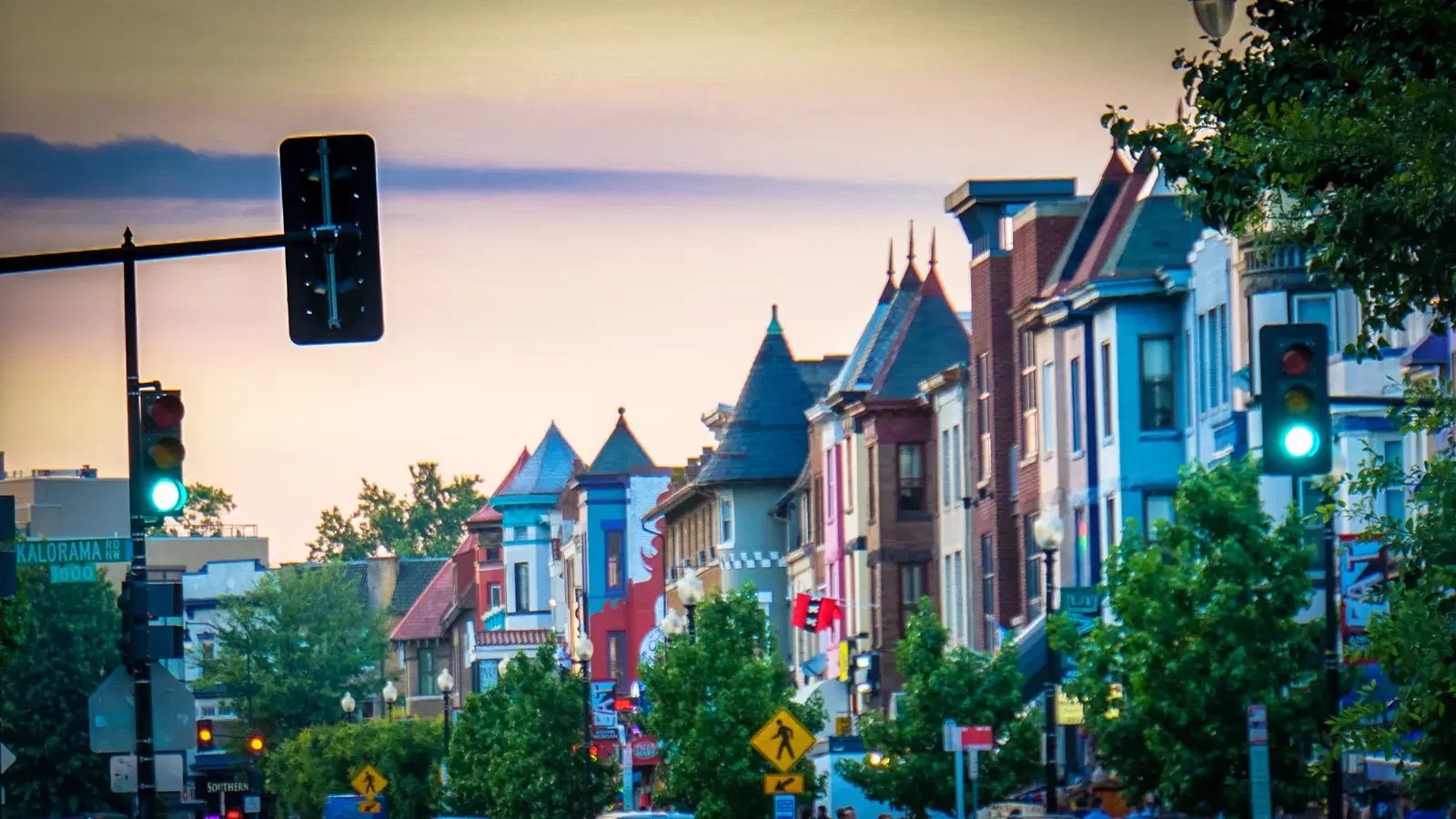 Adams Morgan & Mount Pleasant
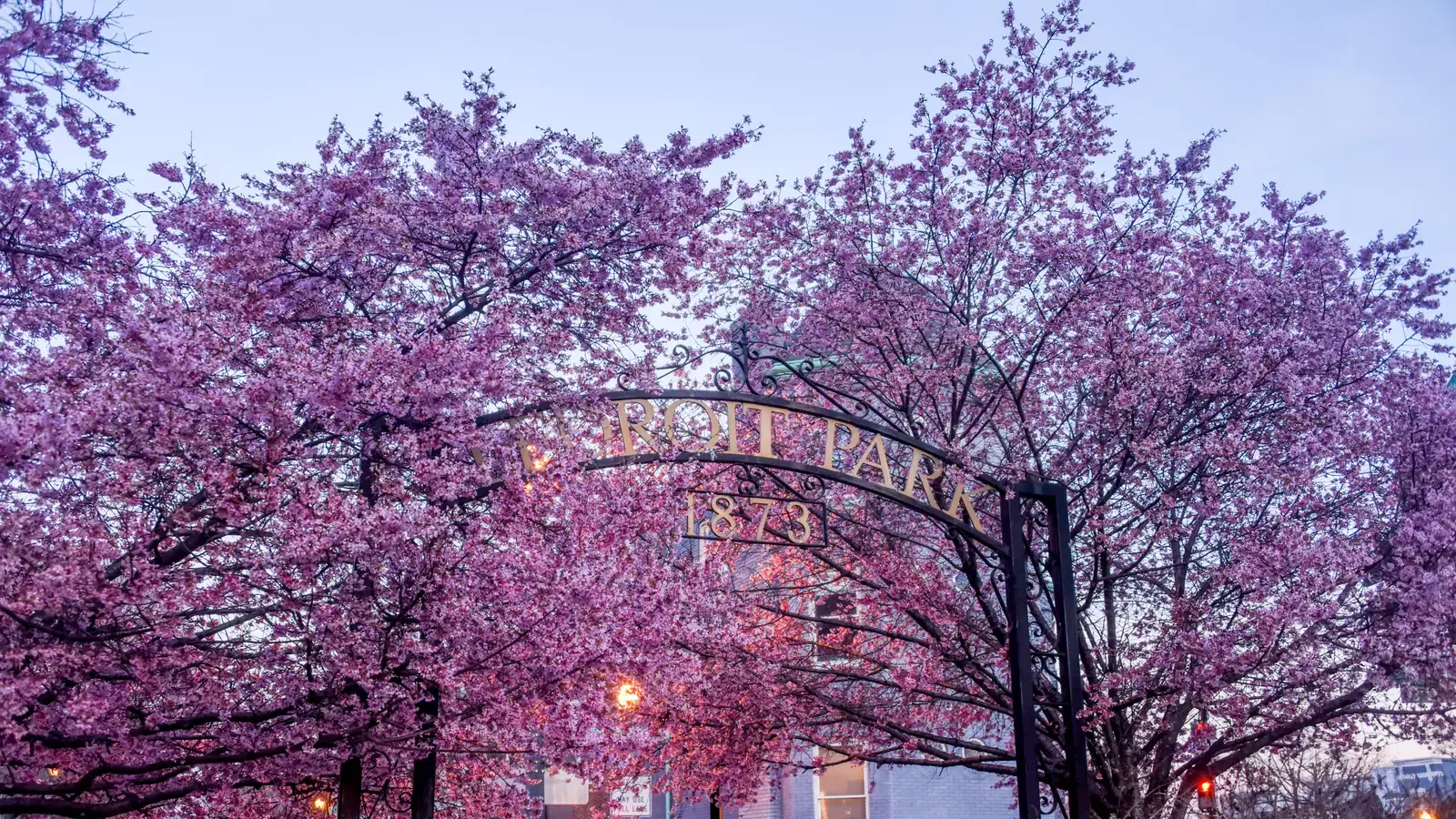 Bloomingdale & LeDroit Park
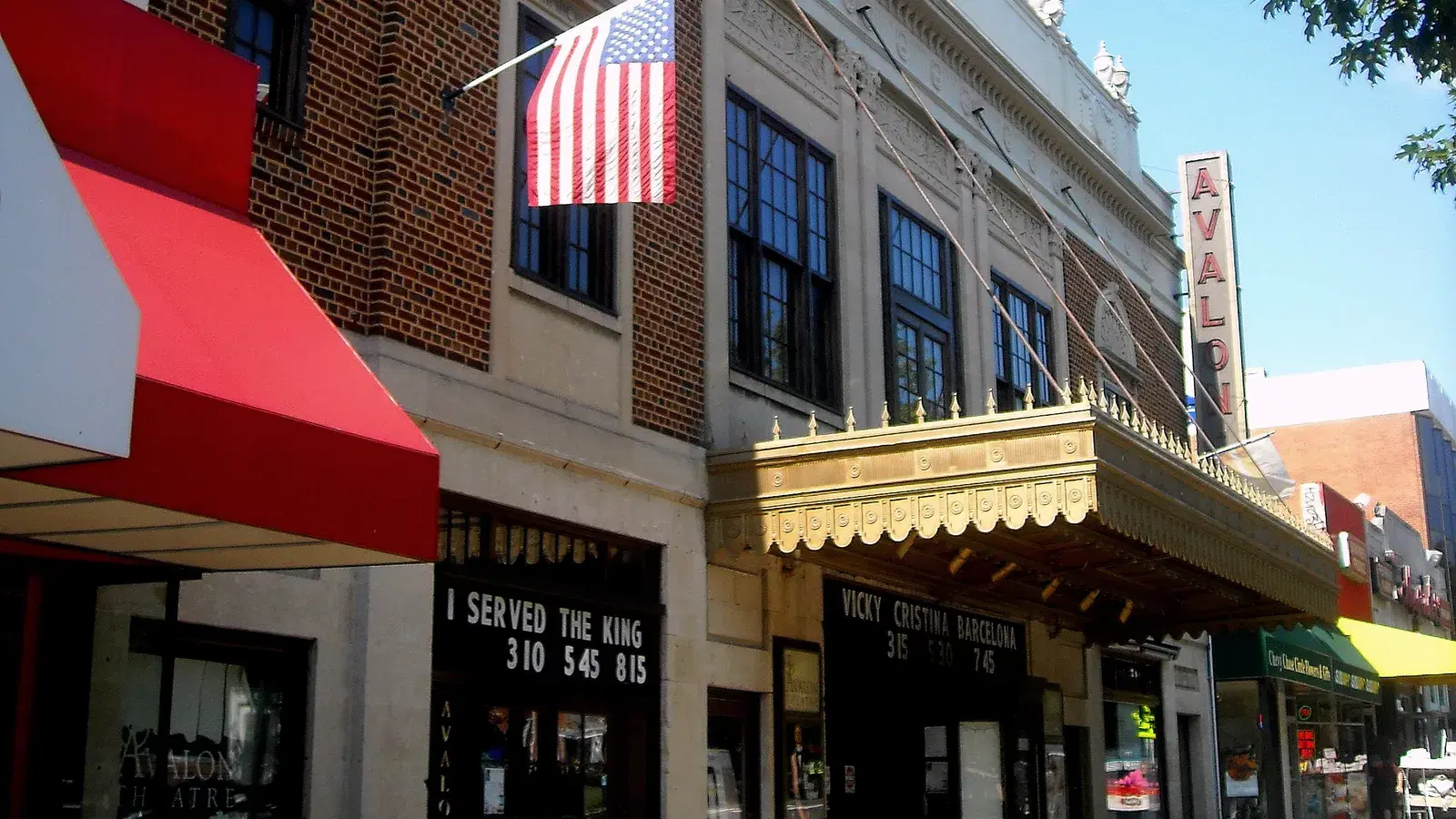 Chevy Chase DC & Upper NW
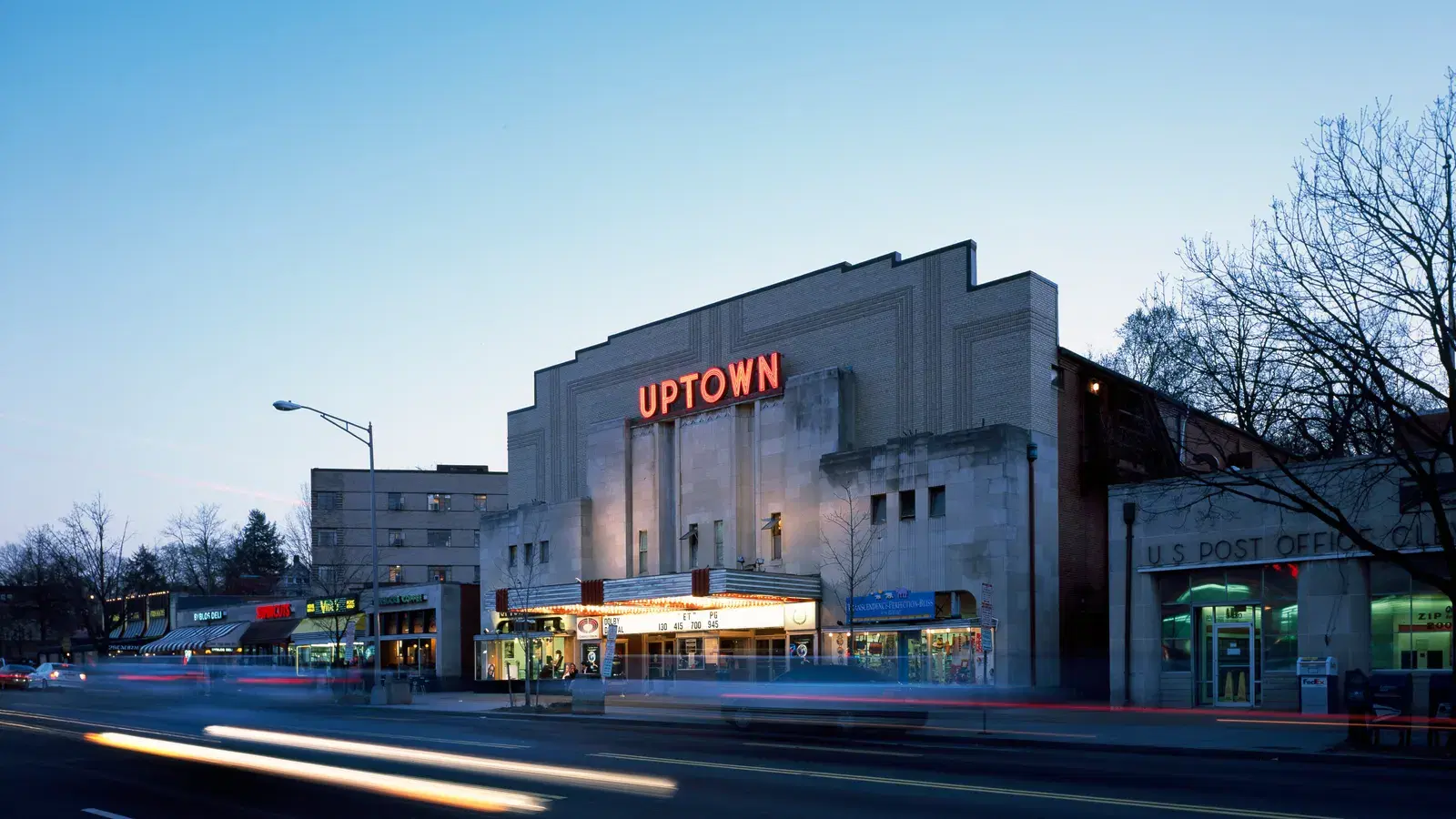 Cleveland Park
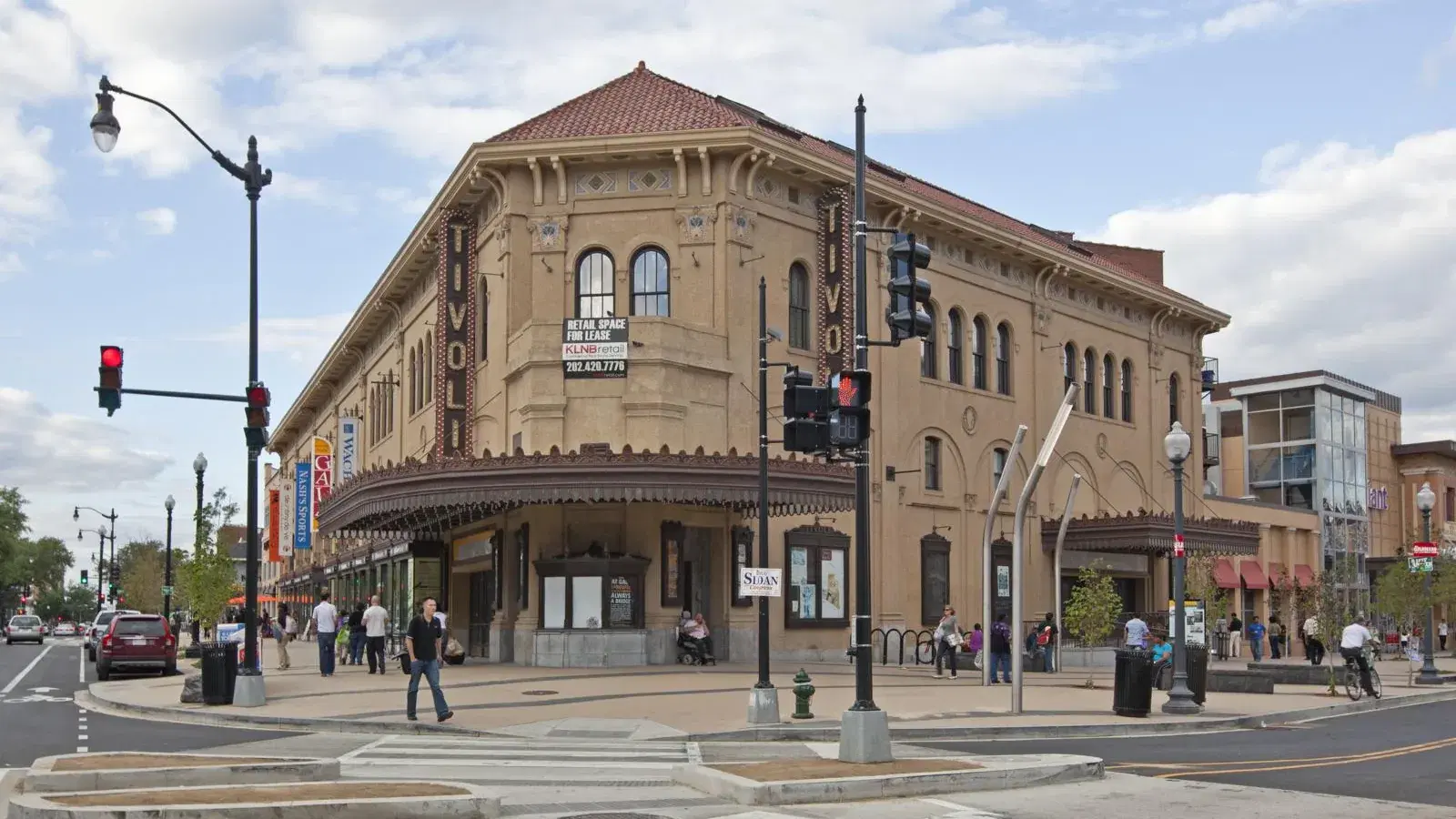 Columbia Heights
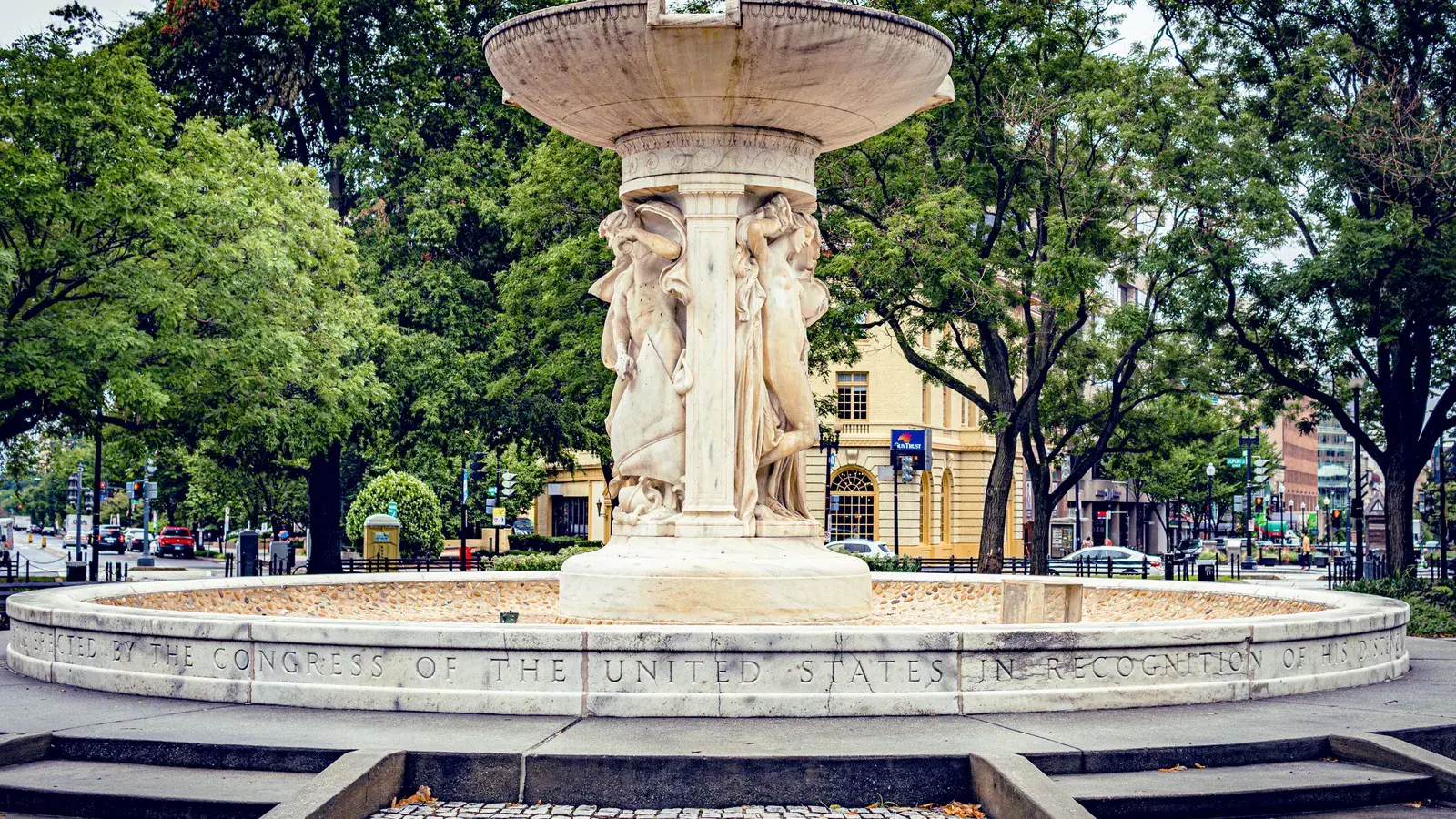 Dupont Circle & Kalorama
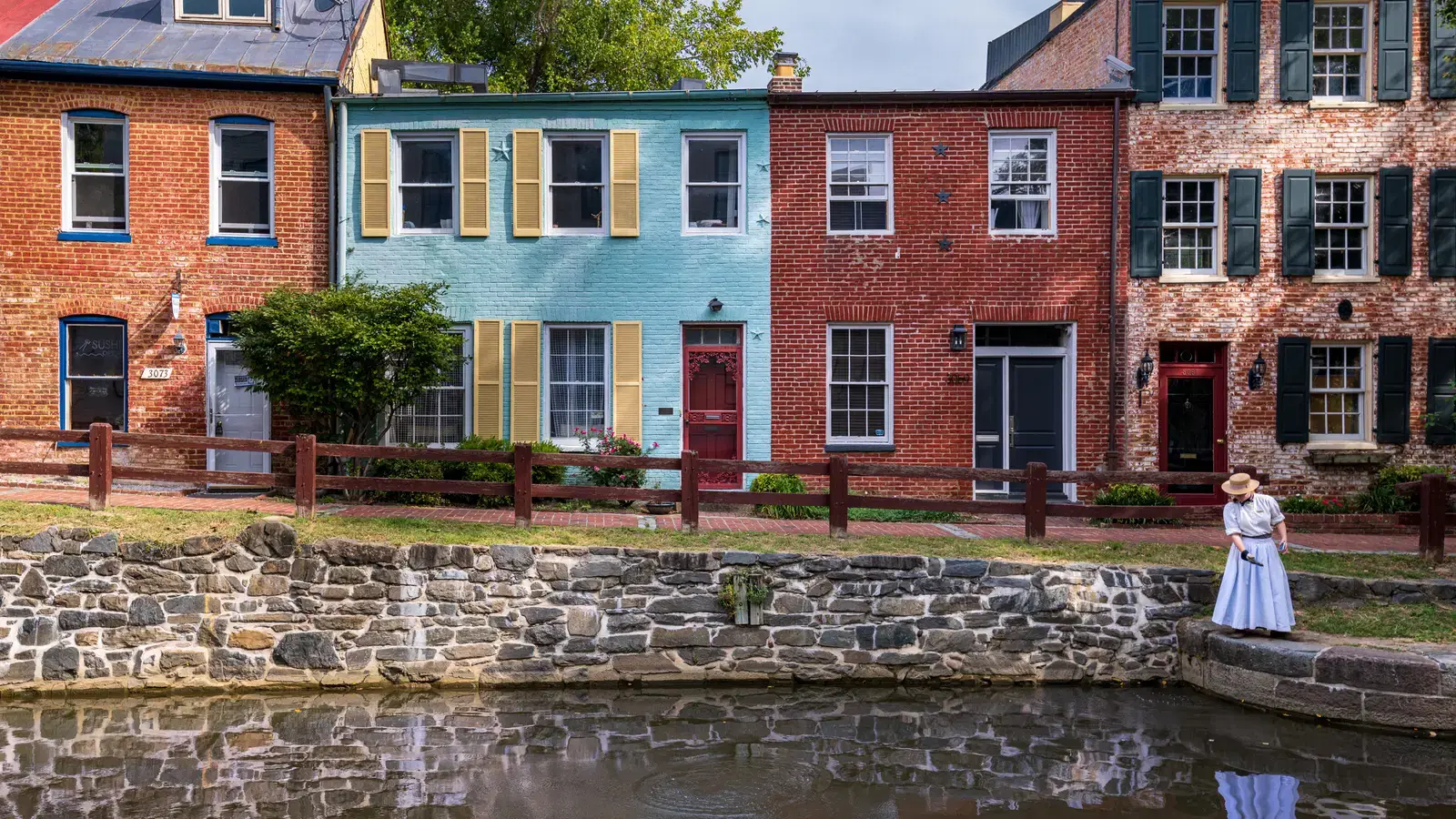 Georgetown
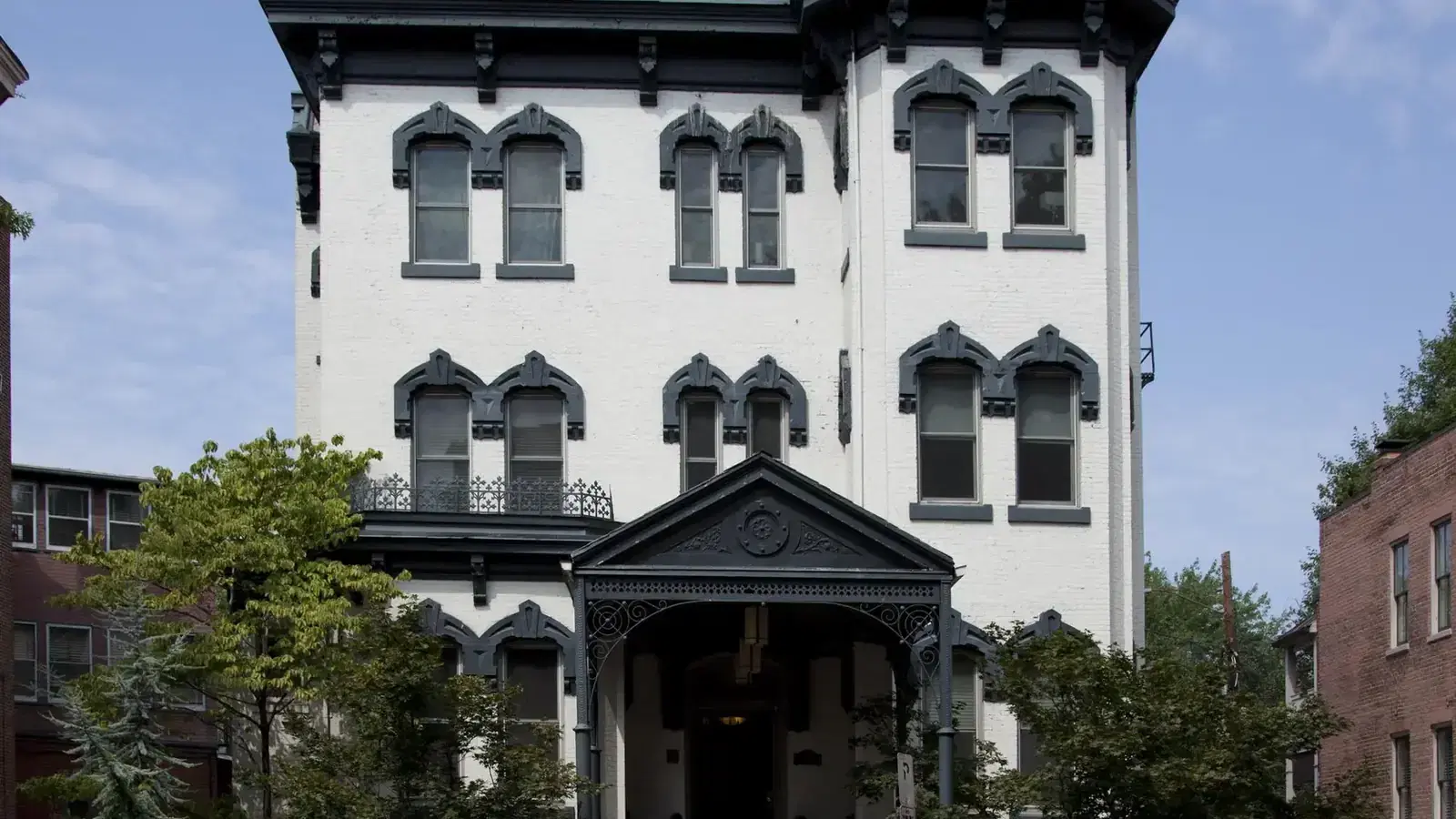 Logan Circle
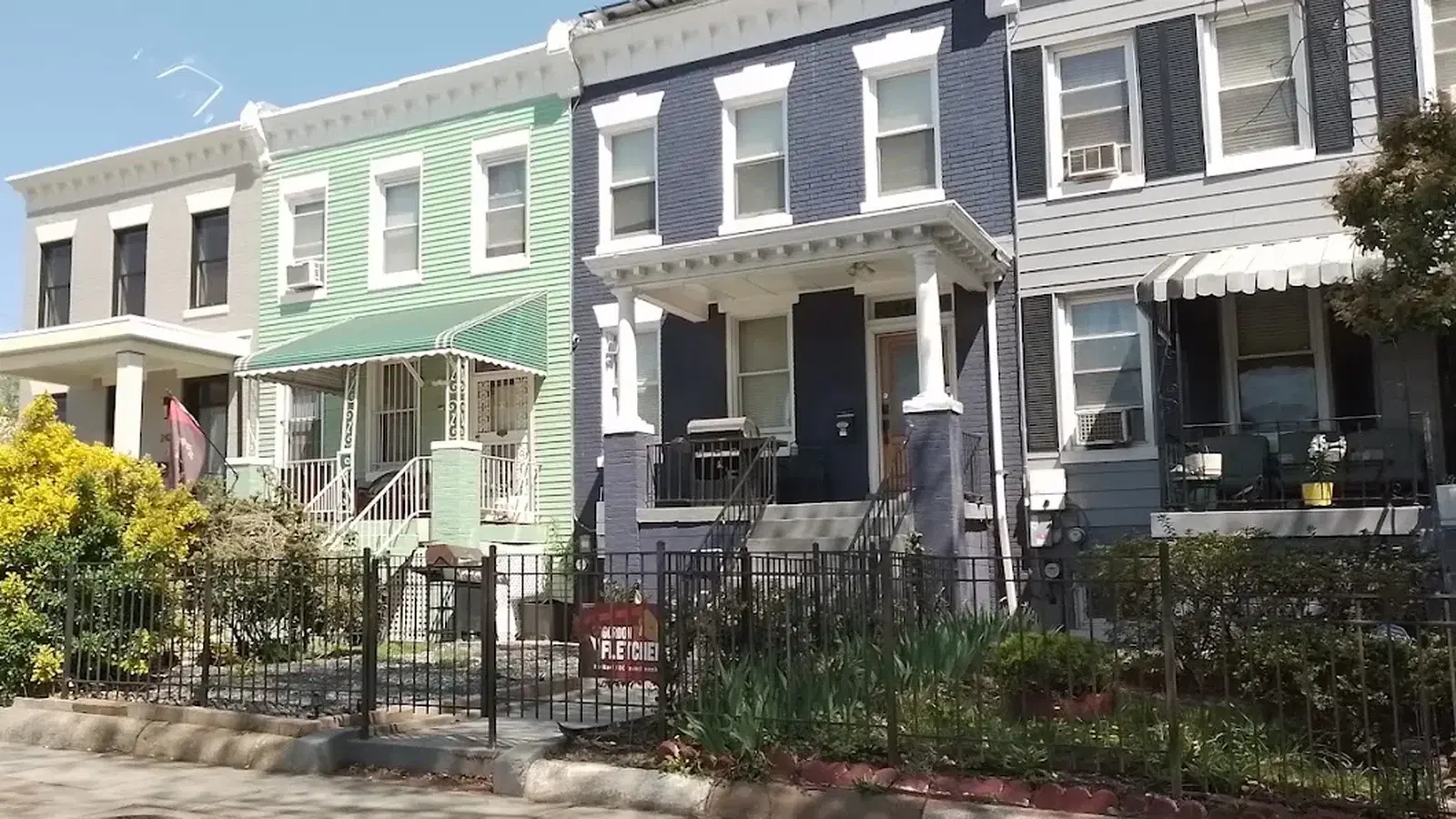 Petworth
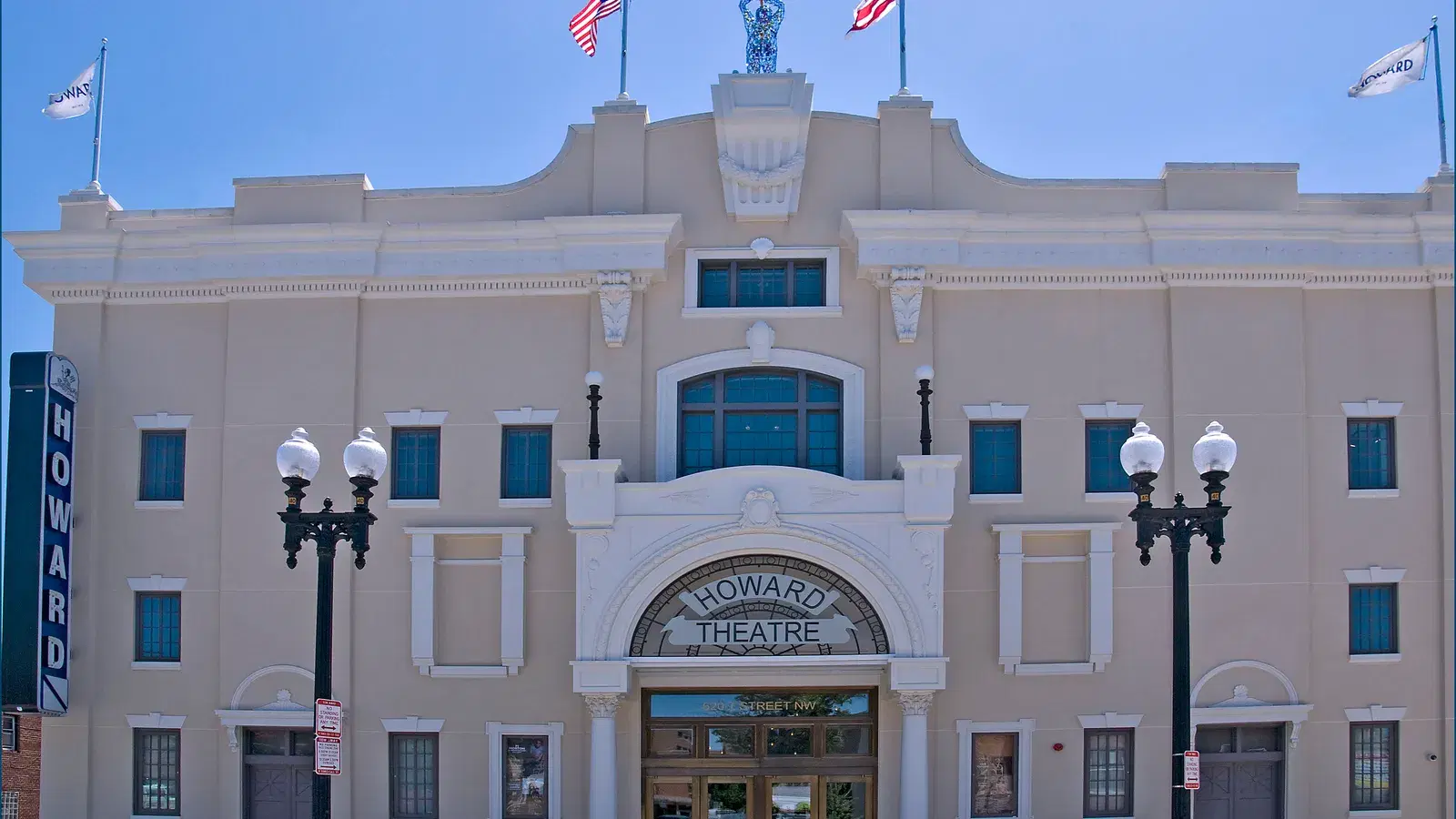 Shaw & U Street
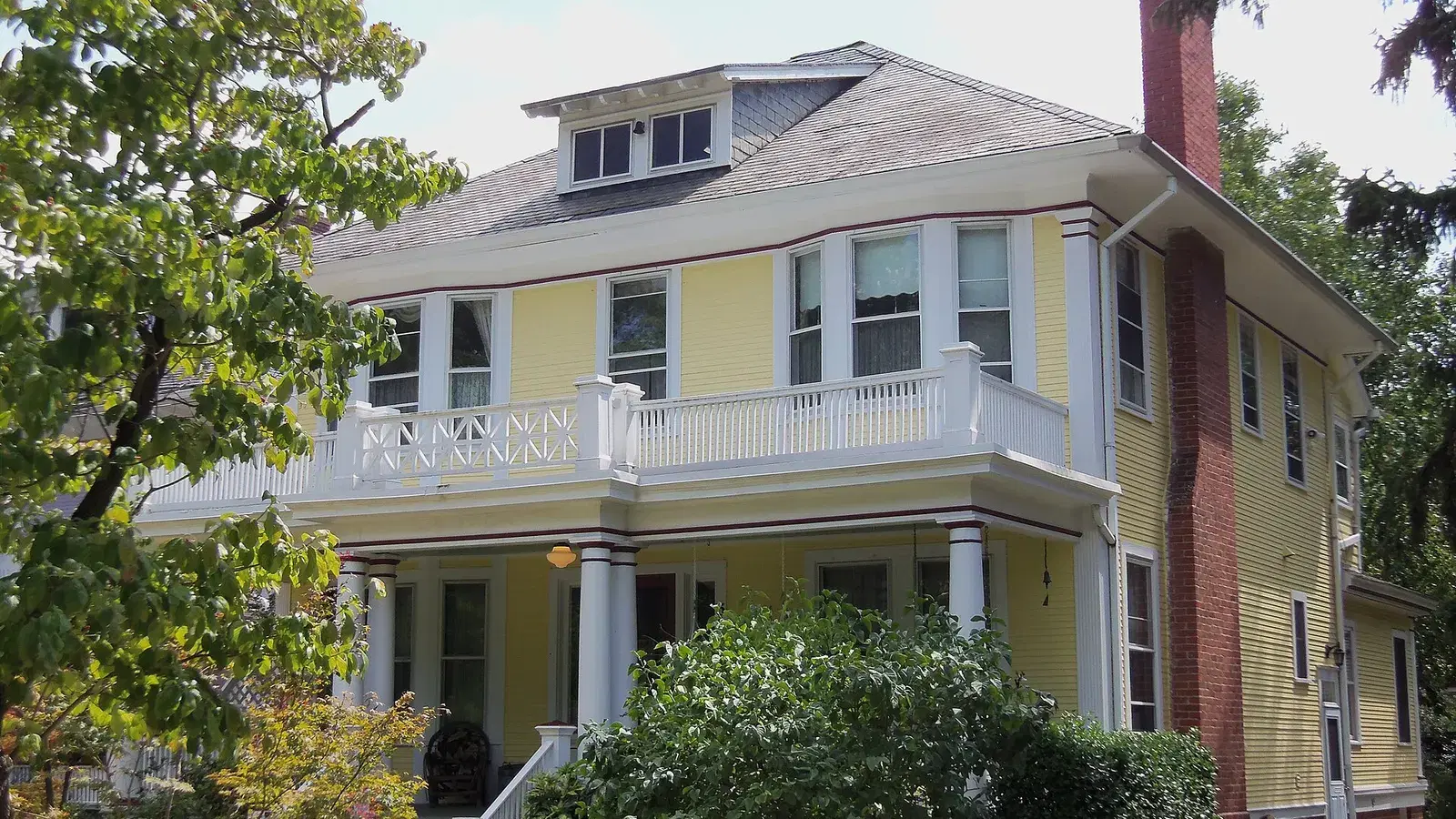 Takoma & Shepherd Park
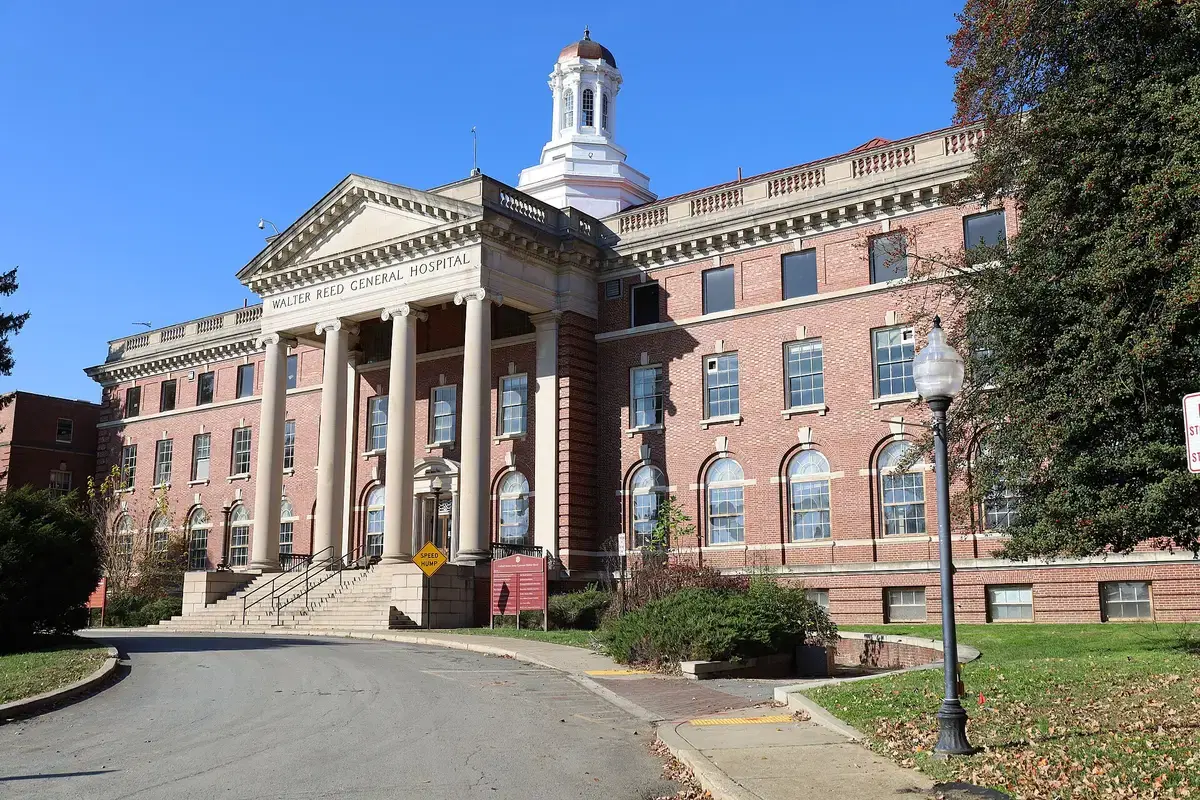 The Parks at Walter Reed
 Woodley Park
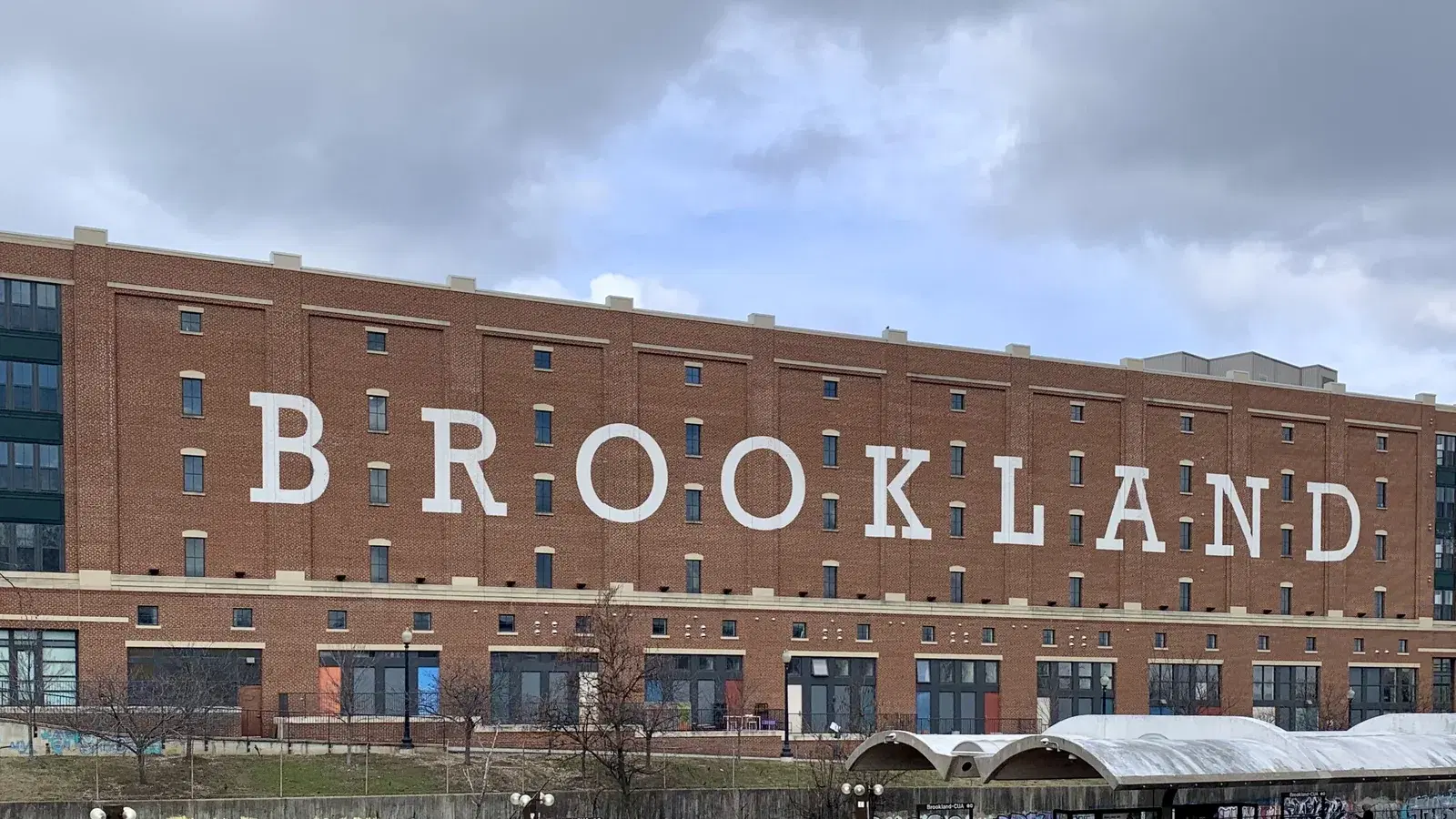 Brookland
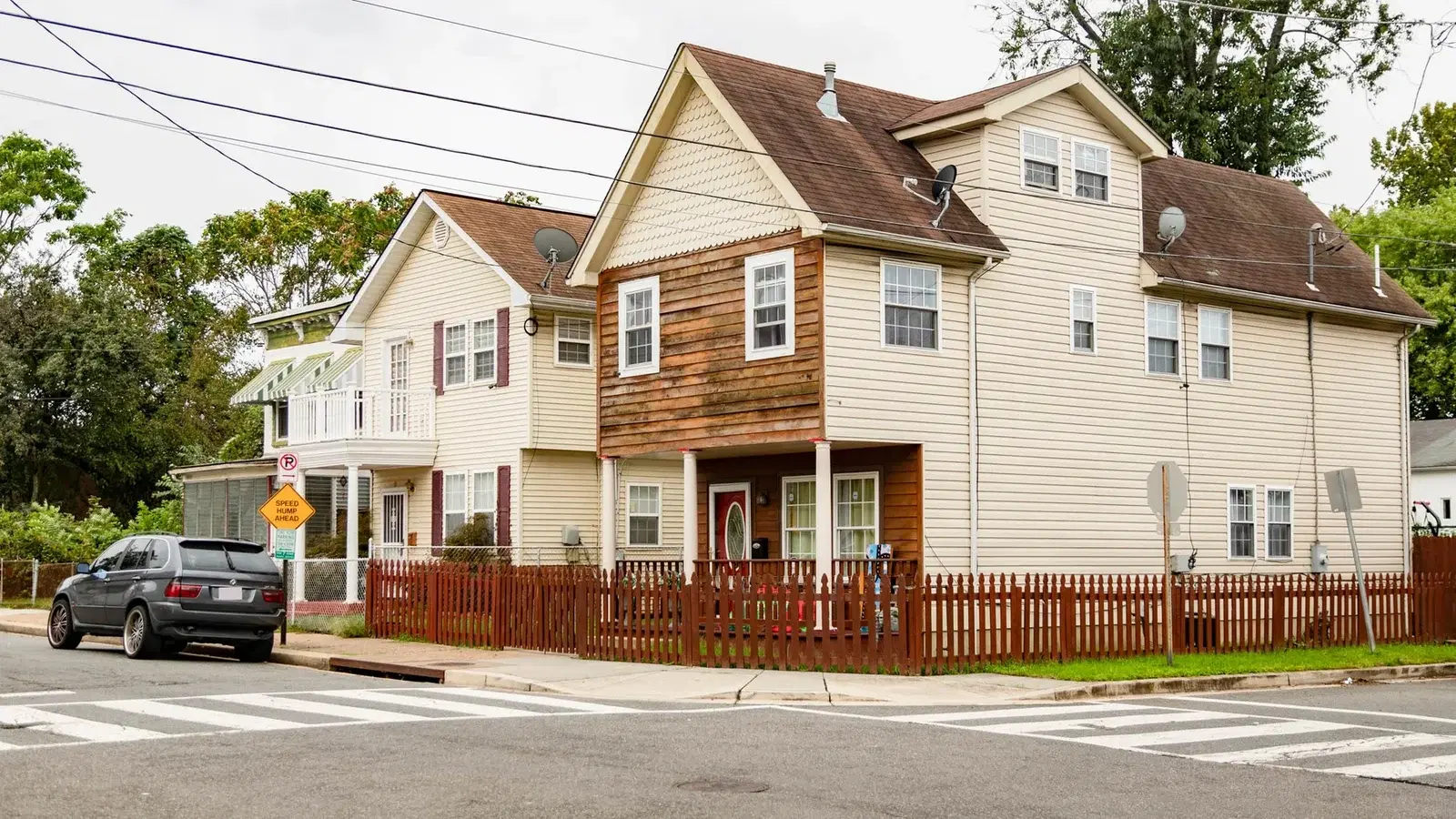 Deanwood
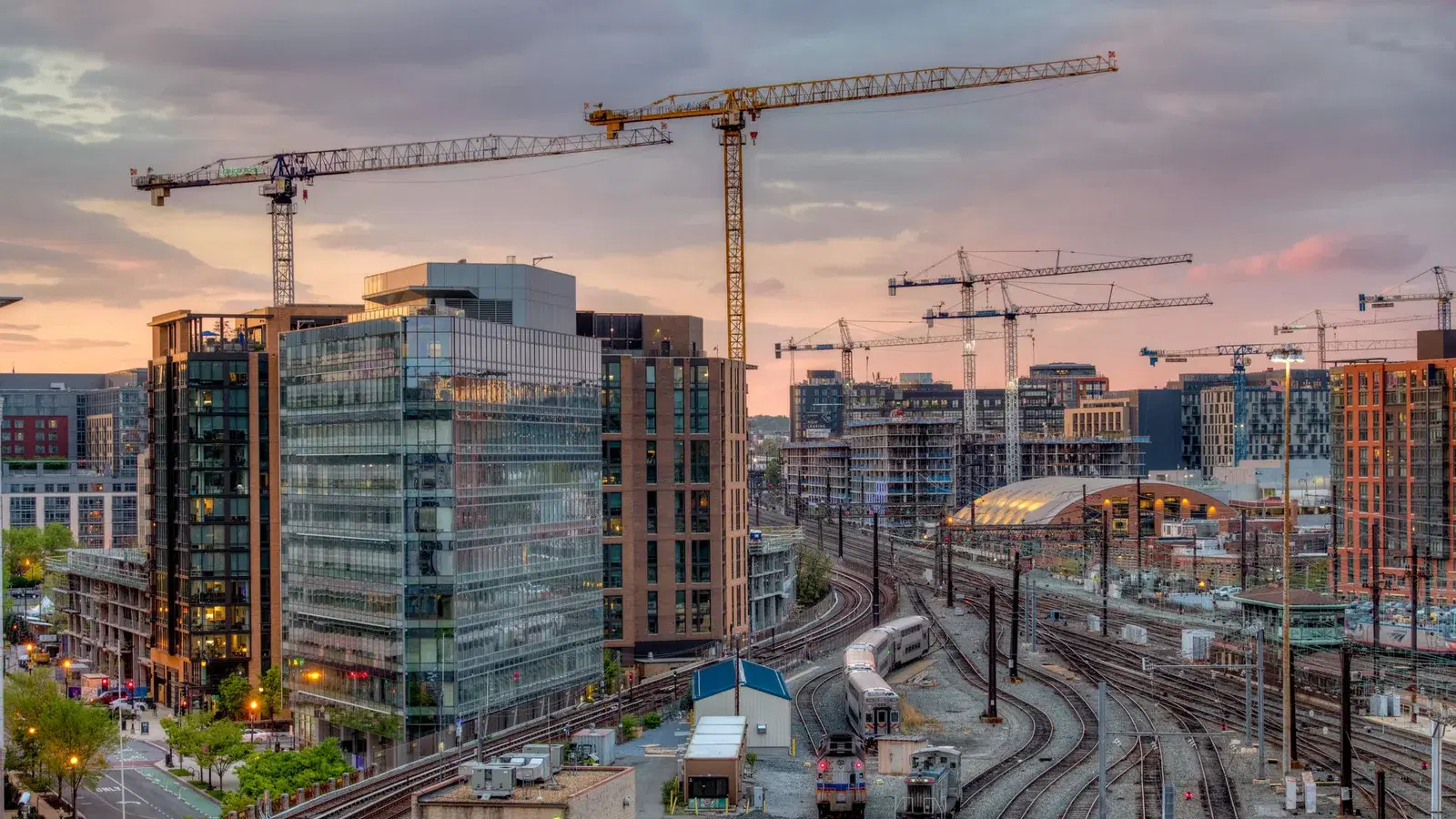 NoMa
NoMa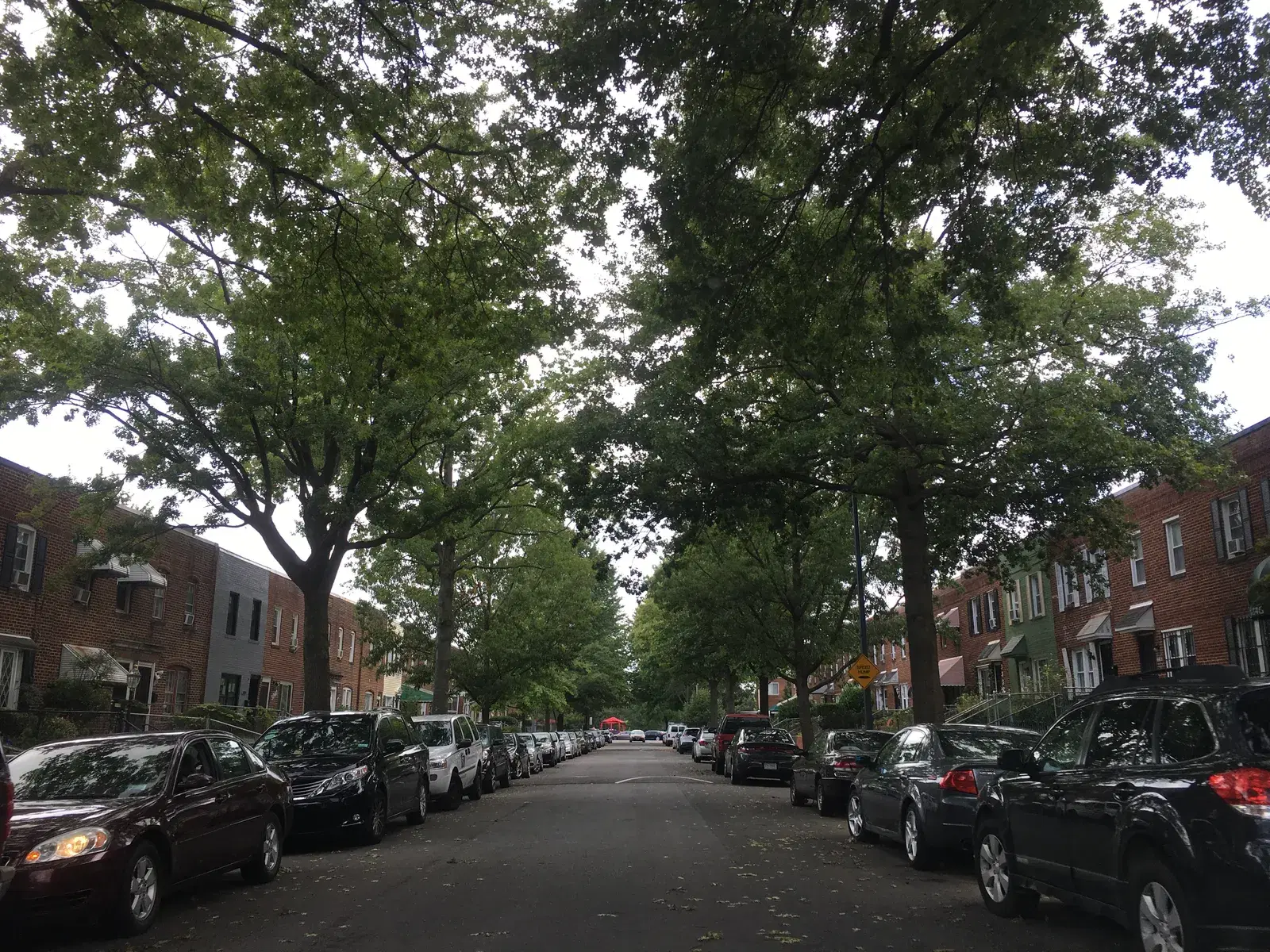 River Terrace & Benning
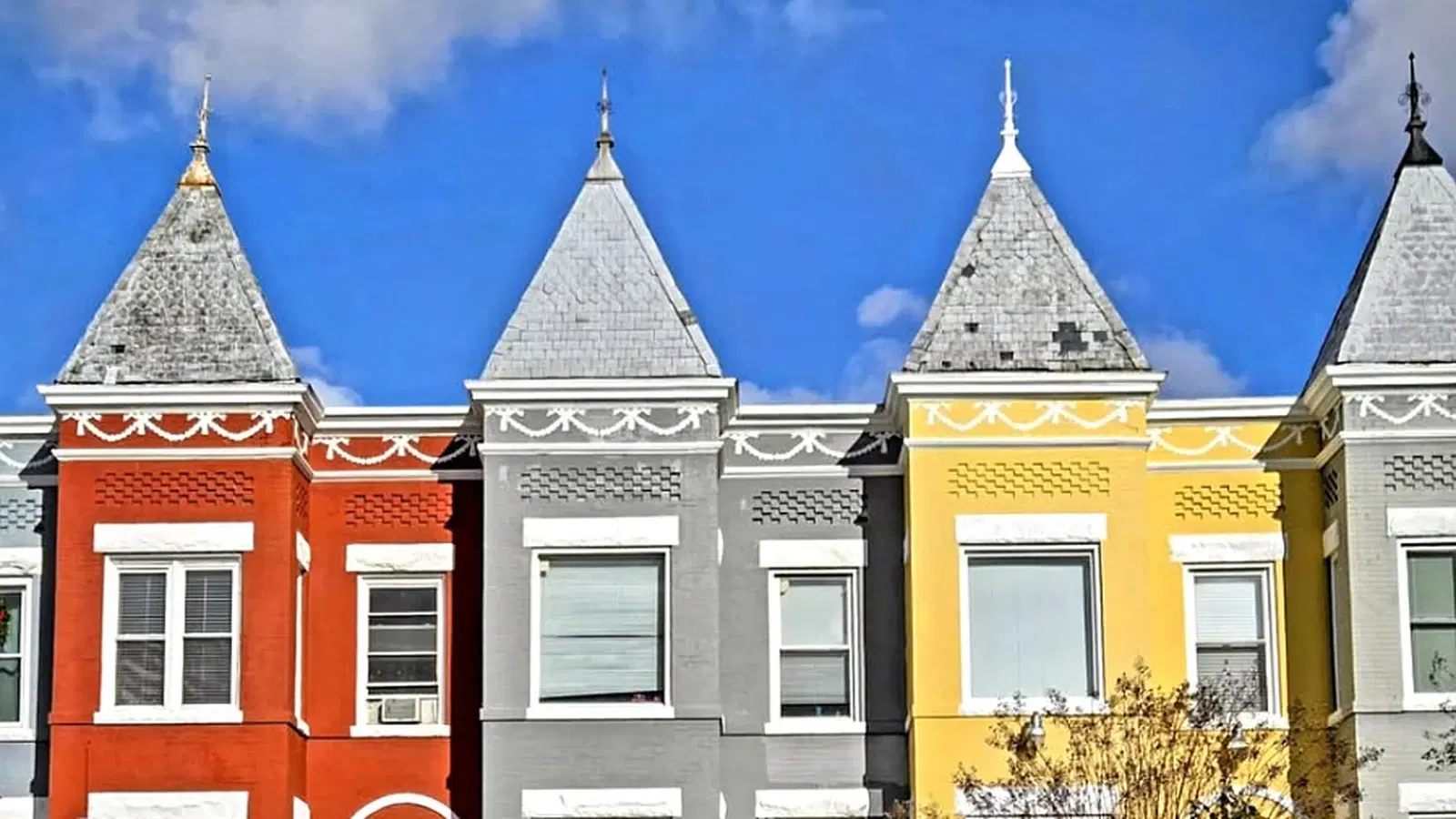 Trinidad & H Street
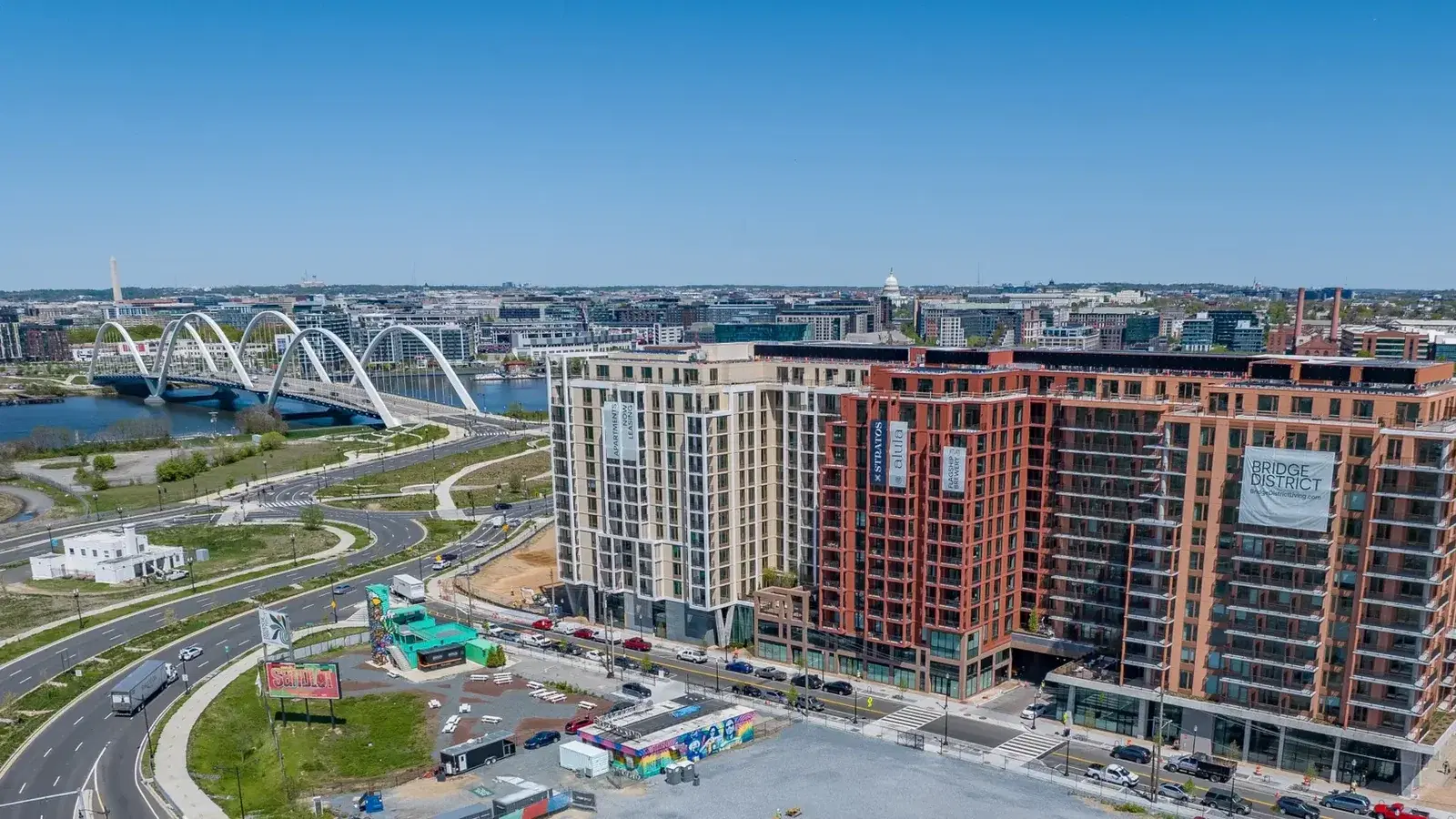 Bridge District
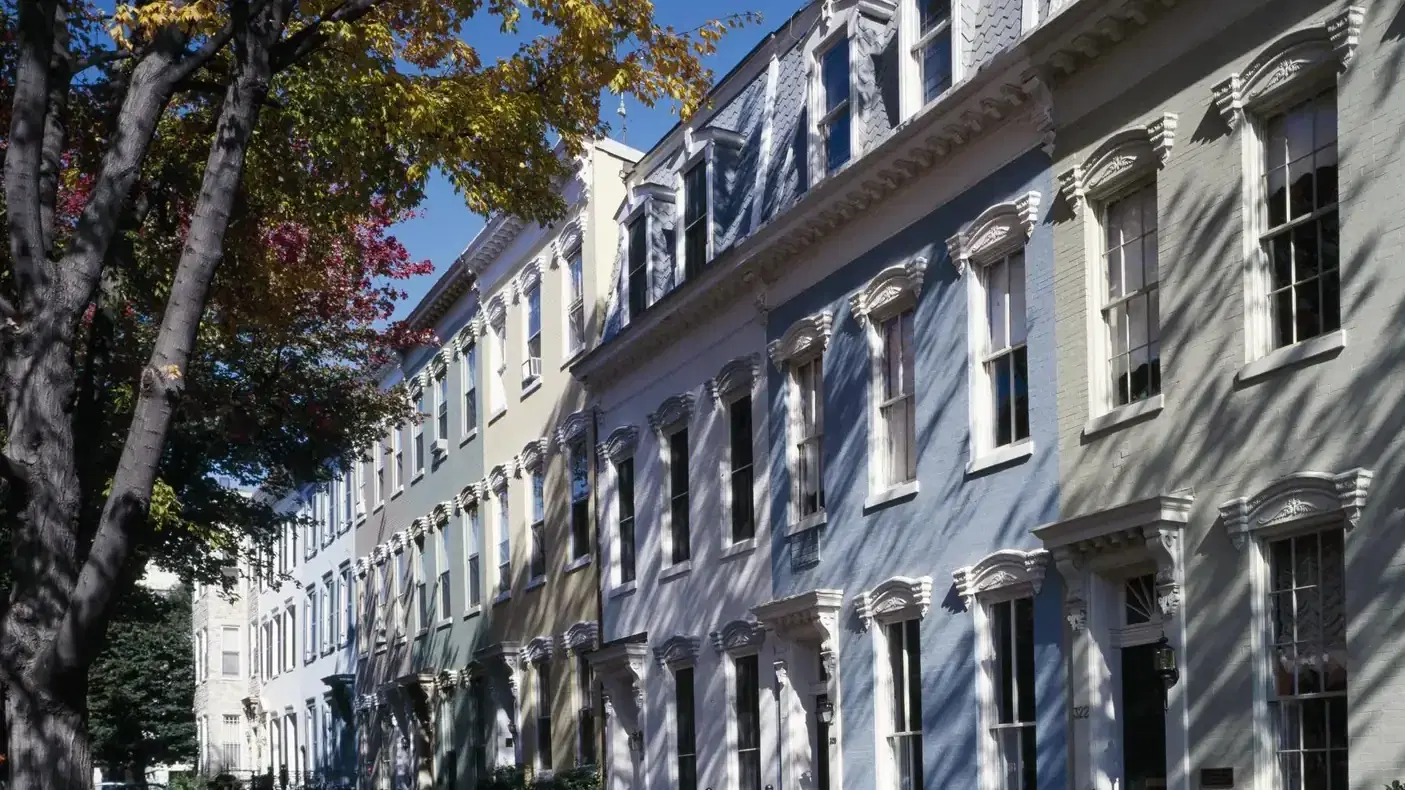 Capitol Hill
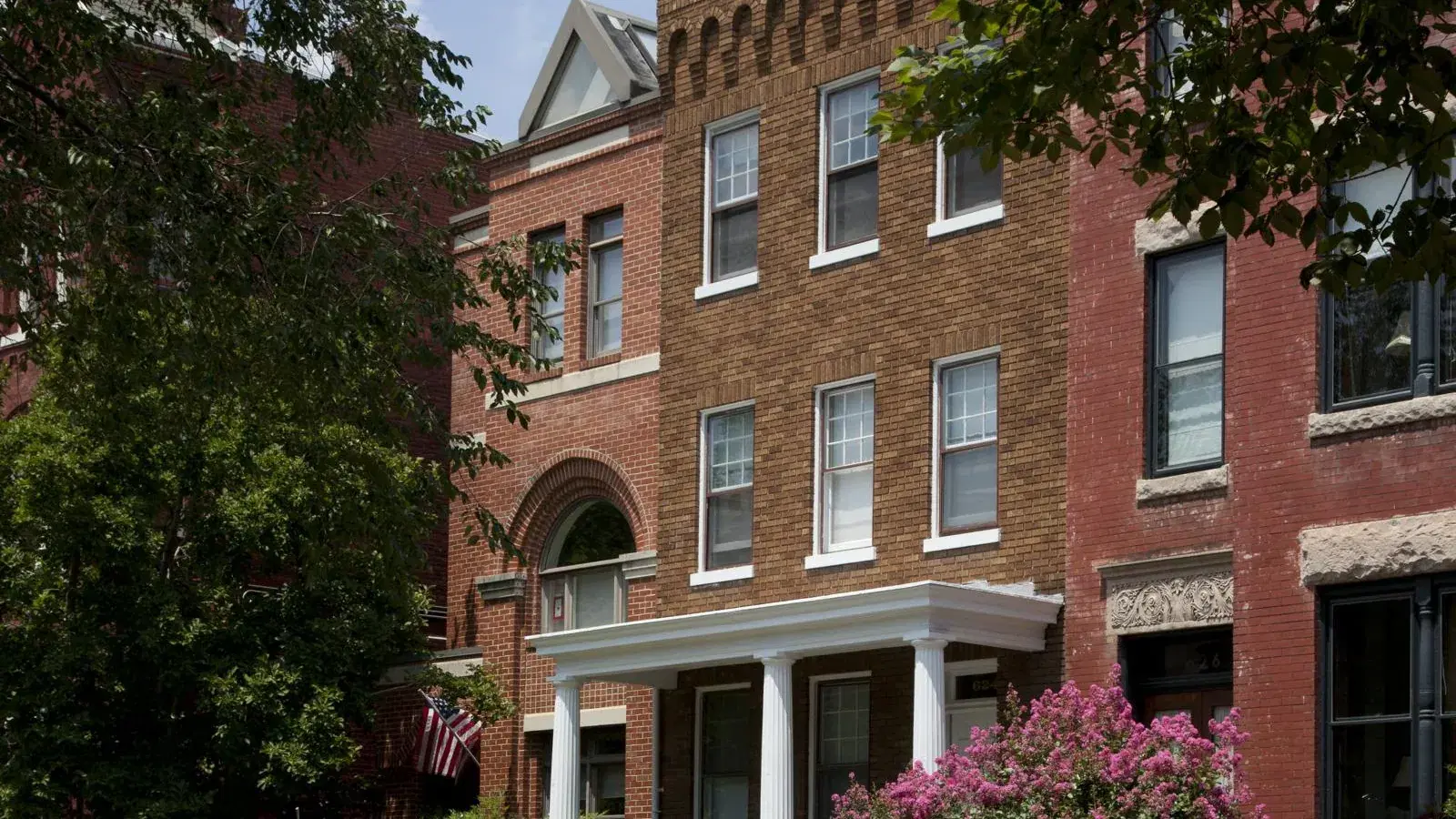 Capitol Hill East
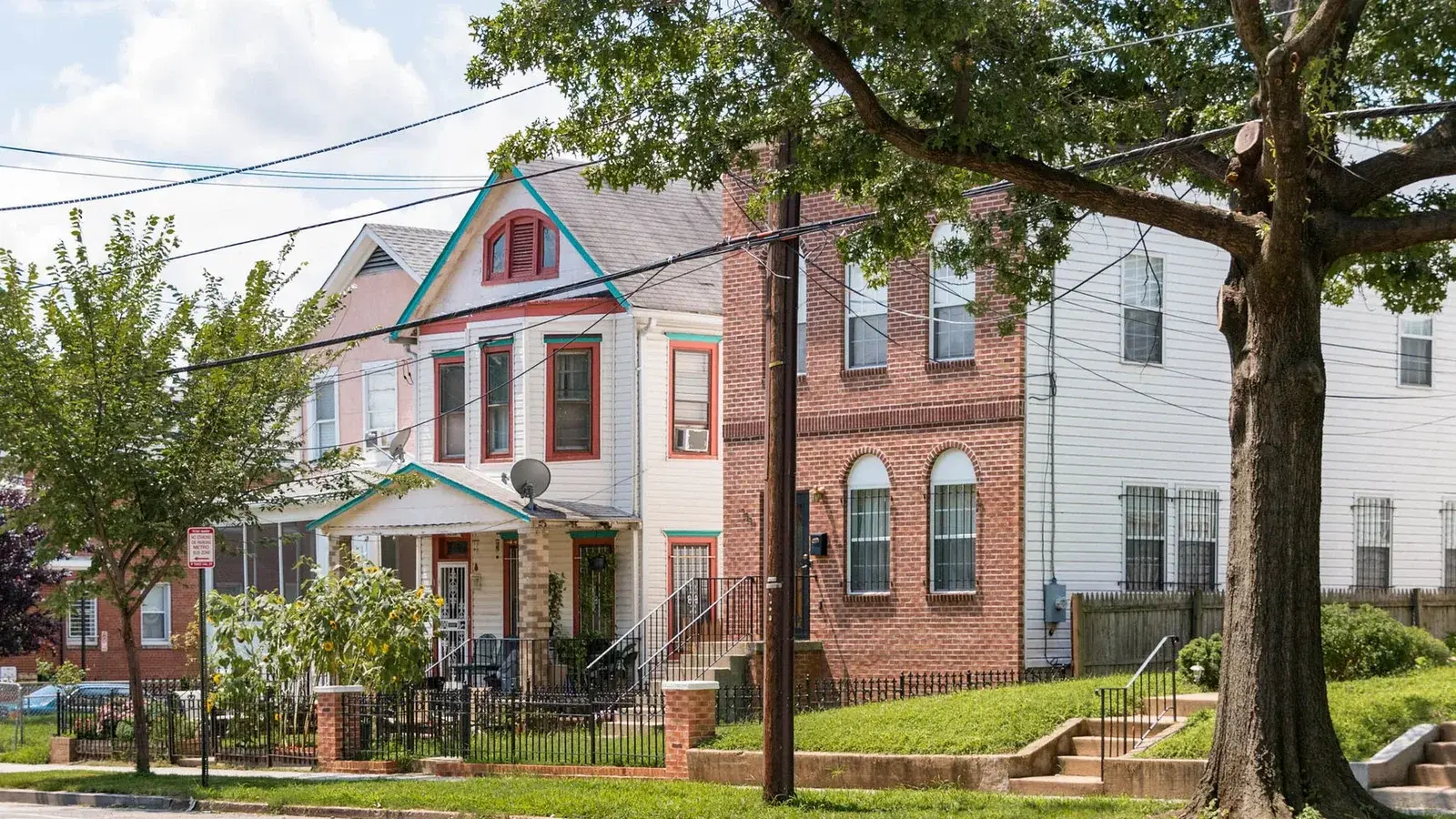 Congress Heights
 Fairlawn
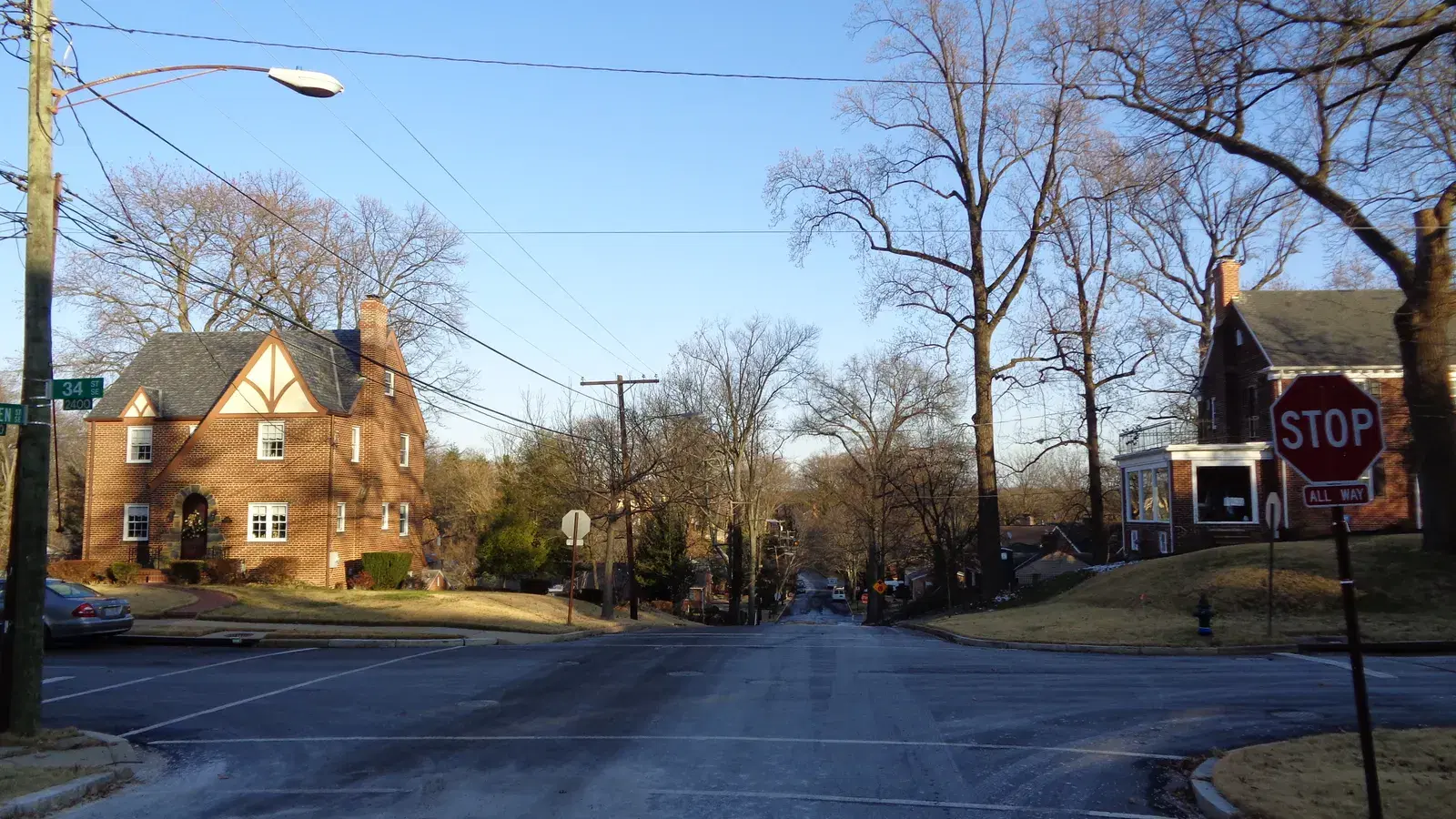 Hillcrest & Fort Dupont
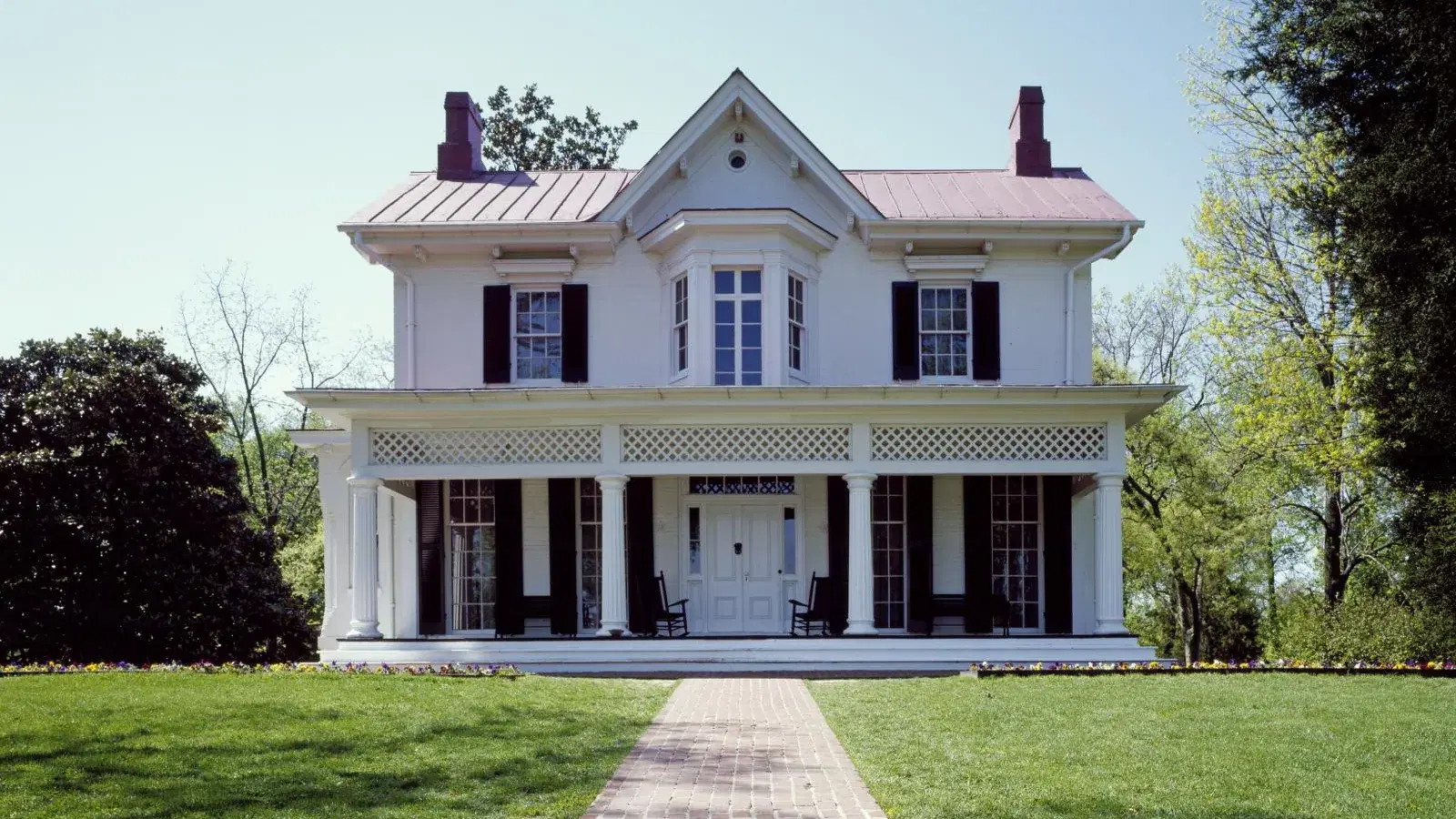 Historic Anacostia
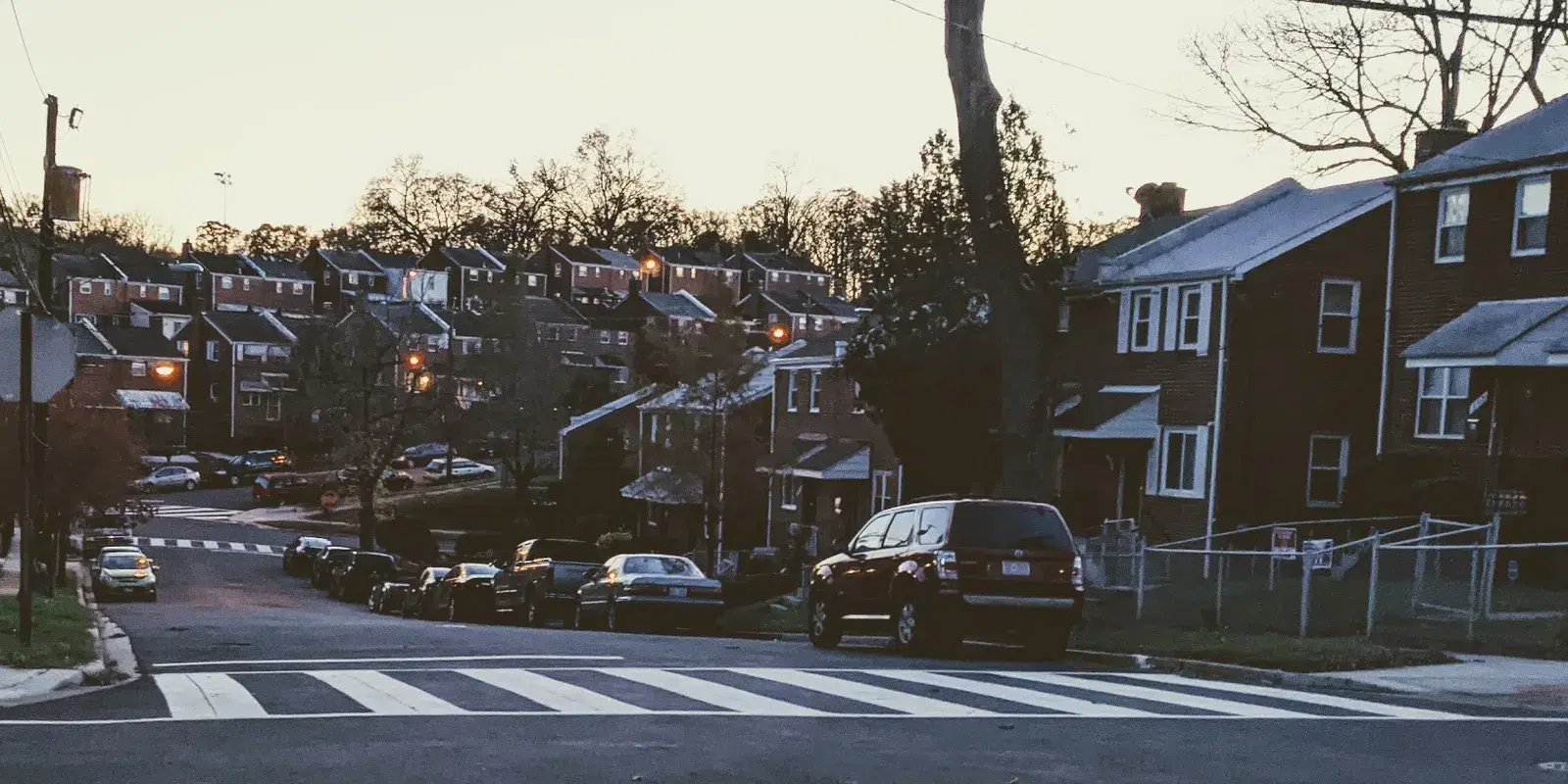 Marshall Heights & Benning Ridge
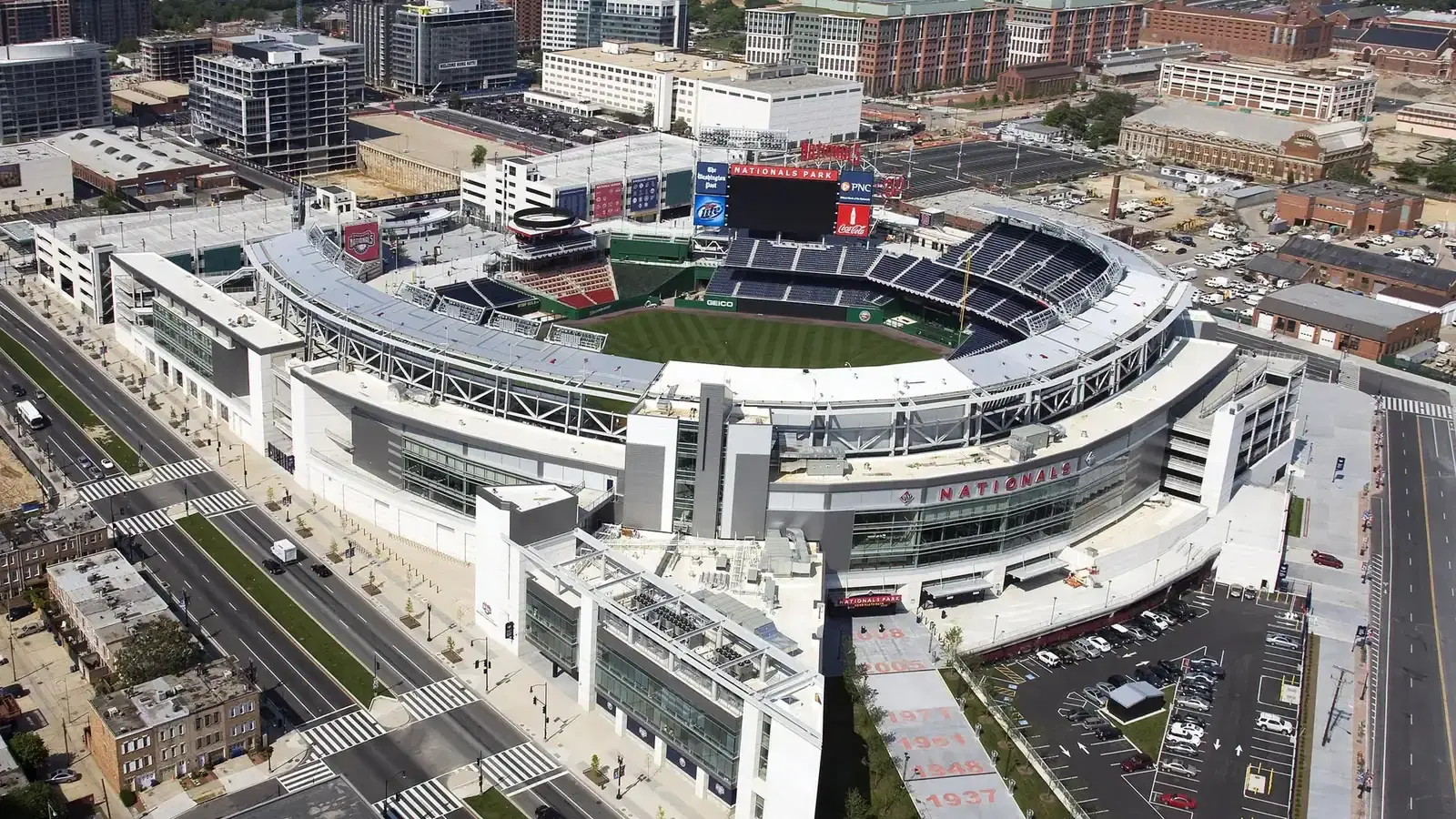 Navy Yard
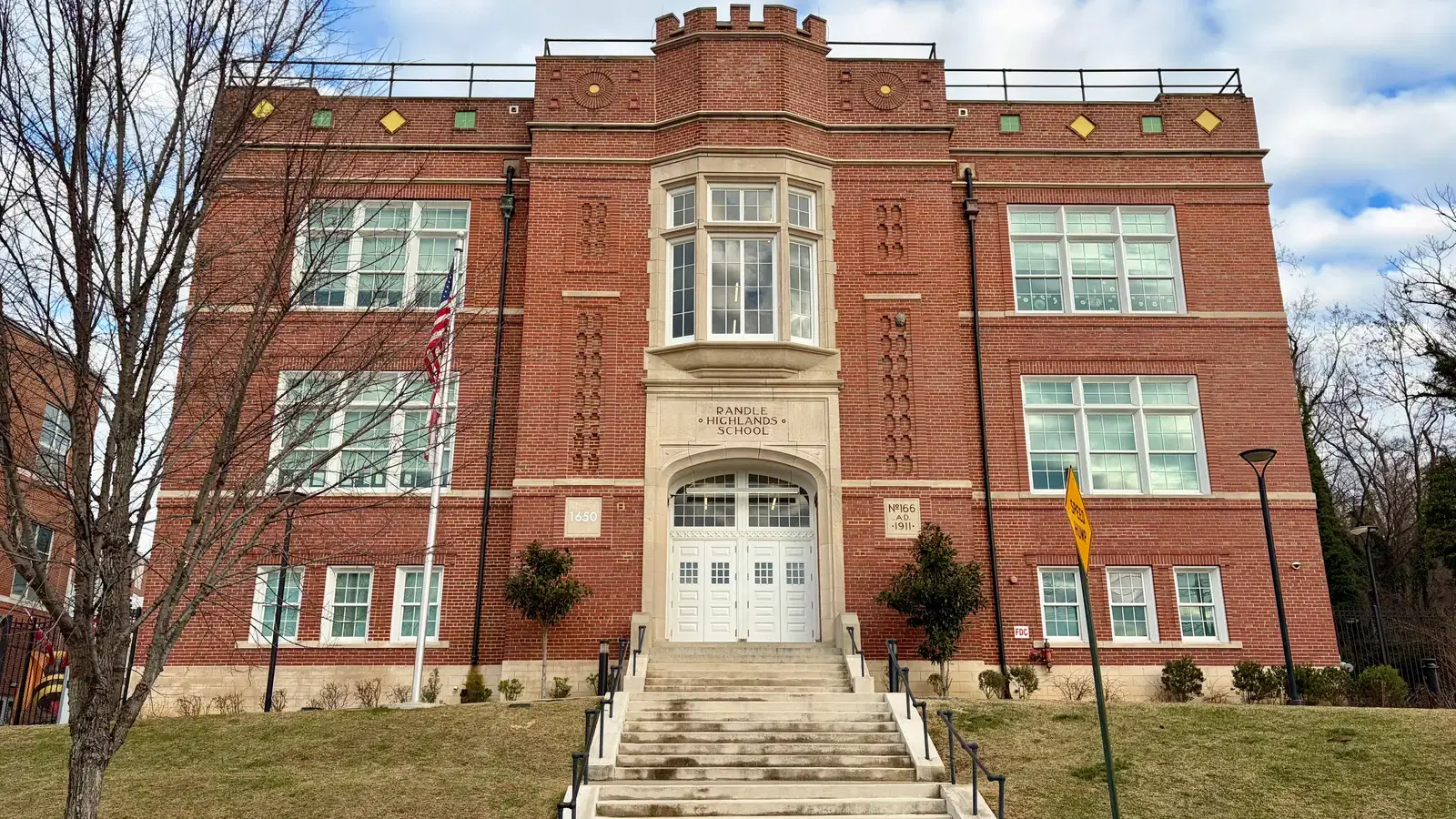 Randle Highlands
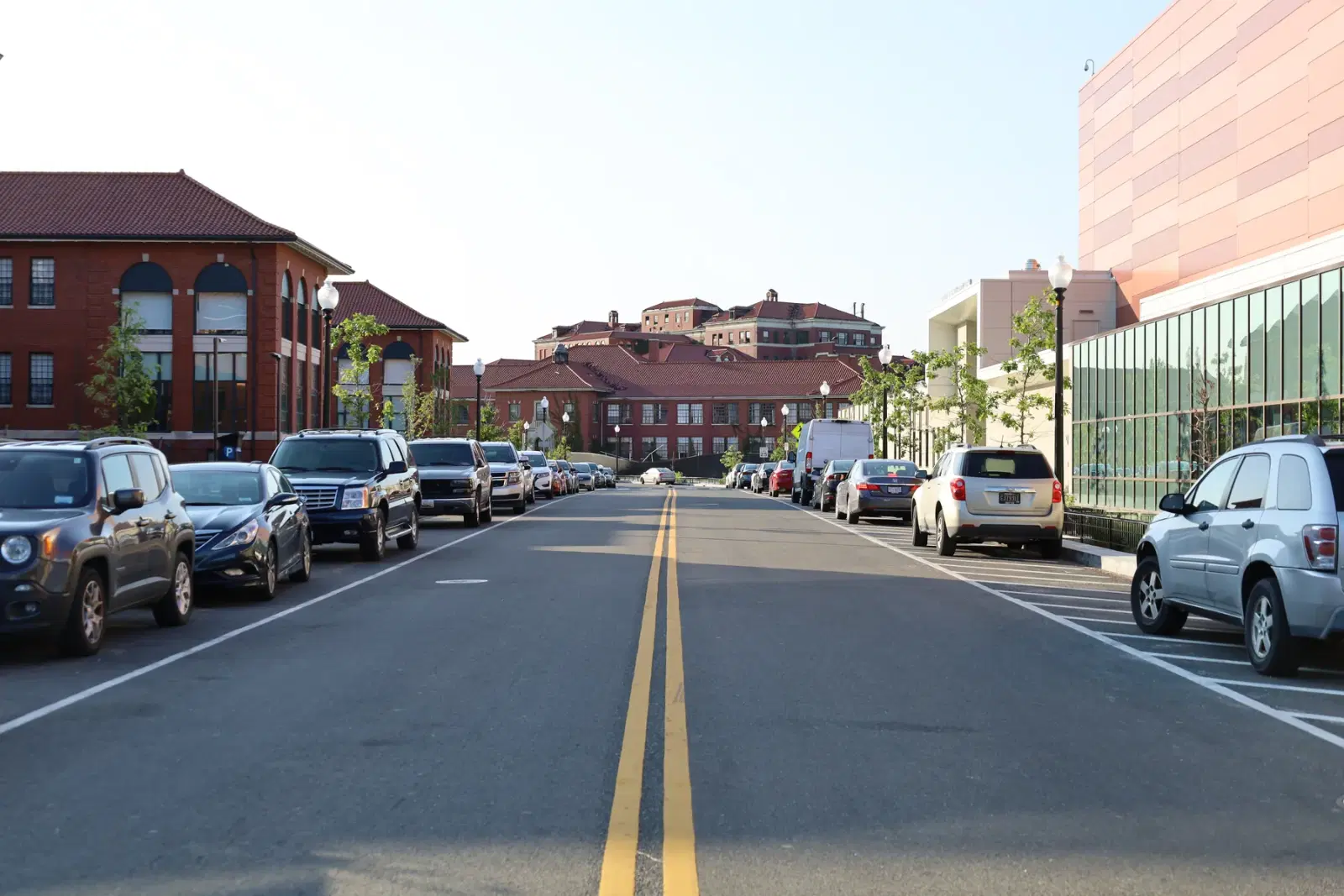 St. Elizabeths East
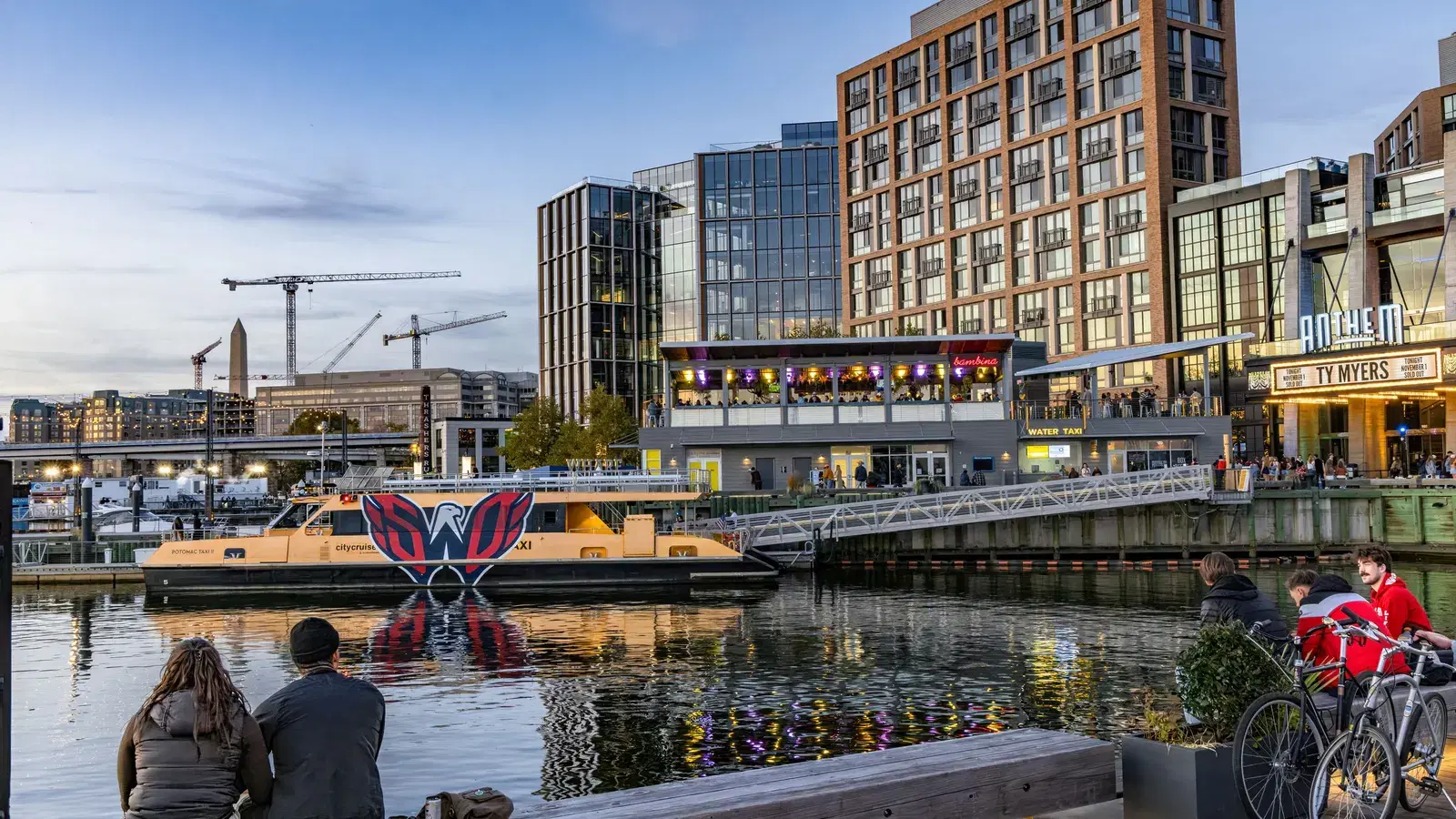 SW Waterfront & The Wharf