NoMa at sunset — glass and brick towers, construction cranes across the skyline, and the rail yard running past Union Station, Washington, D.C.

NoMa, Washington DC

High-rise financing north of Mass Ave.

New buildings, new condo documents — the market where your lender underwrites the project about as hard as it underwrites you.

Why here

Union Market, the Met Branch Trail, and the Beatles.

NoMa is the newest neighborhood in the city and acts like it — a food hall for a town square, a bike trail for a main street, and rooftop pools where the rail yard used to end.

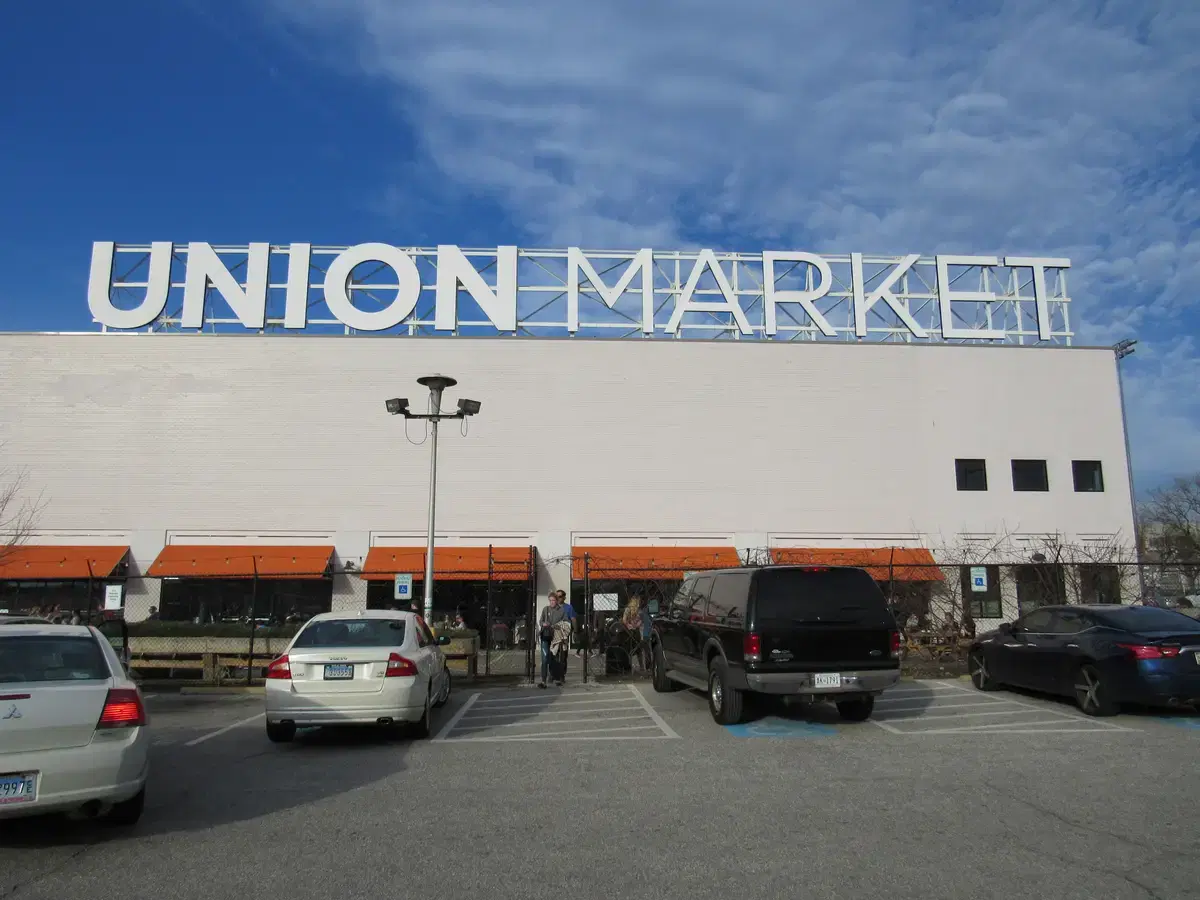
The UNION MARKET rooftop sign above the market's white facade and orange awnings, Washington, D.C.

Photo: Farragutful, CC BY-SA 4.0

Union Market

Forty-plus vendors under one roof, a district of restaurants around it, and Wunder Garten's firepits and biergarten tables across the tracks — the default weekend plan, ten minutes from every building.

Thematic: cyclist on a dedicated concrete bike path passing under a bridge - matches the paved-bike-highway activity; no identifying landmarks

The Met Branch Trail

A paved bike highway runs the length of the neighborhood, with Alethia Tanner Park — playground, dog park, summer movies — right on it.

Thematic per brief: record-store bin with handwritten Beatles divider card, vinyl ambience

The Beatles played here

The REI flagship fills Uline Arena, where the Beatles played their first U.S. concert in 1964. The neighborhood keeps its history in active use.
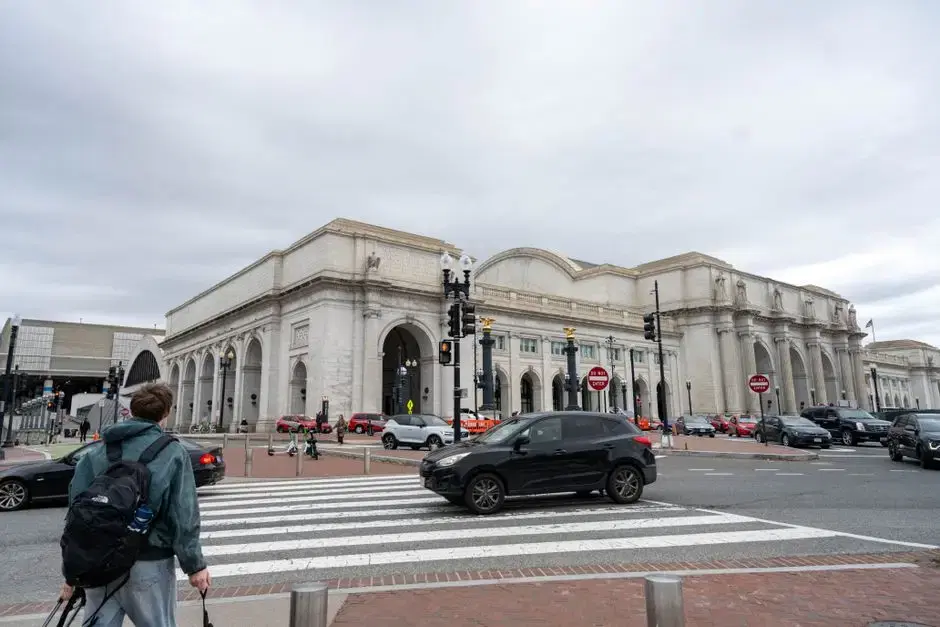
The actual Washington Union Station exterior with pedestrians and traffic

Union Station next door

Amtrak, MARC, VRE, and the Red Line one stop away — NoMa is the easiest place in DC to leave from, which is exactly why people stay.

Who's moving in: young professionals turning two years of renting here into a first condo — the buildings they already know, one floor up.

Getting around

Car, train, bus, or bike — how NoMa moves.

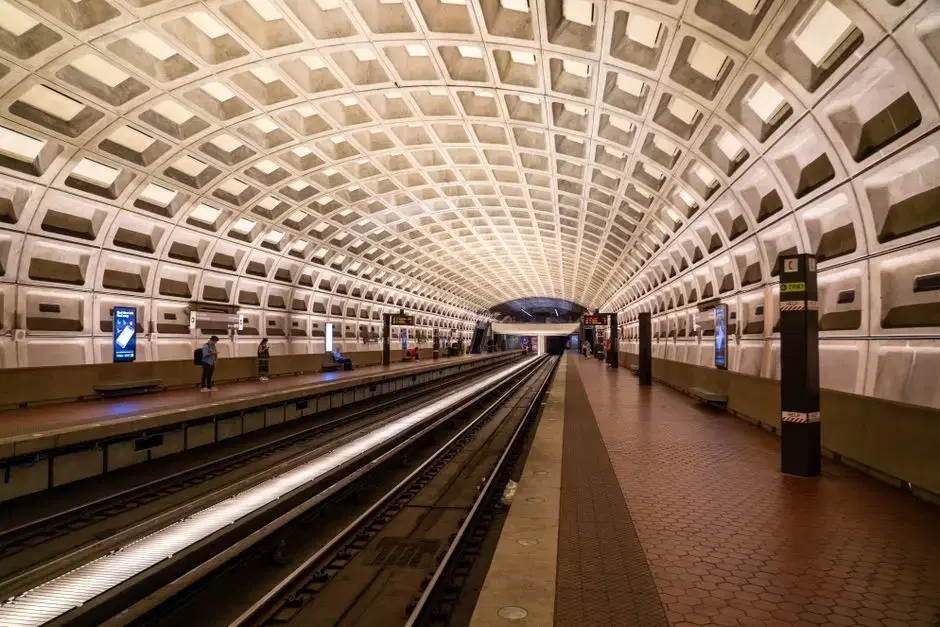
DC Metro vault station platform, coffered concrete arches, daytime, few riders
Metro
NoMa–Gallaudet (Red) is the neighborhood's own stop, with Union Station one stop away.
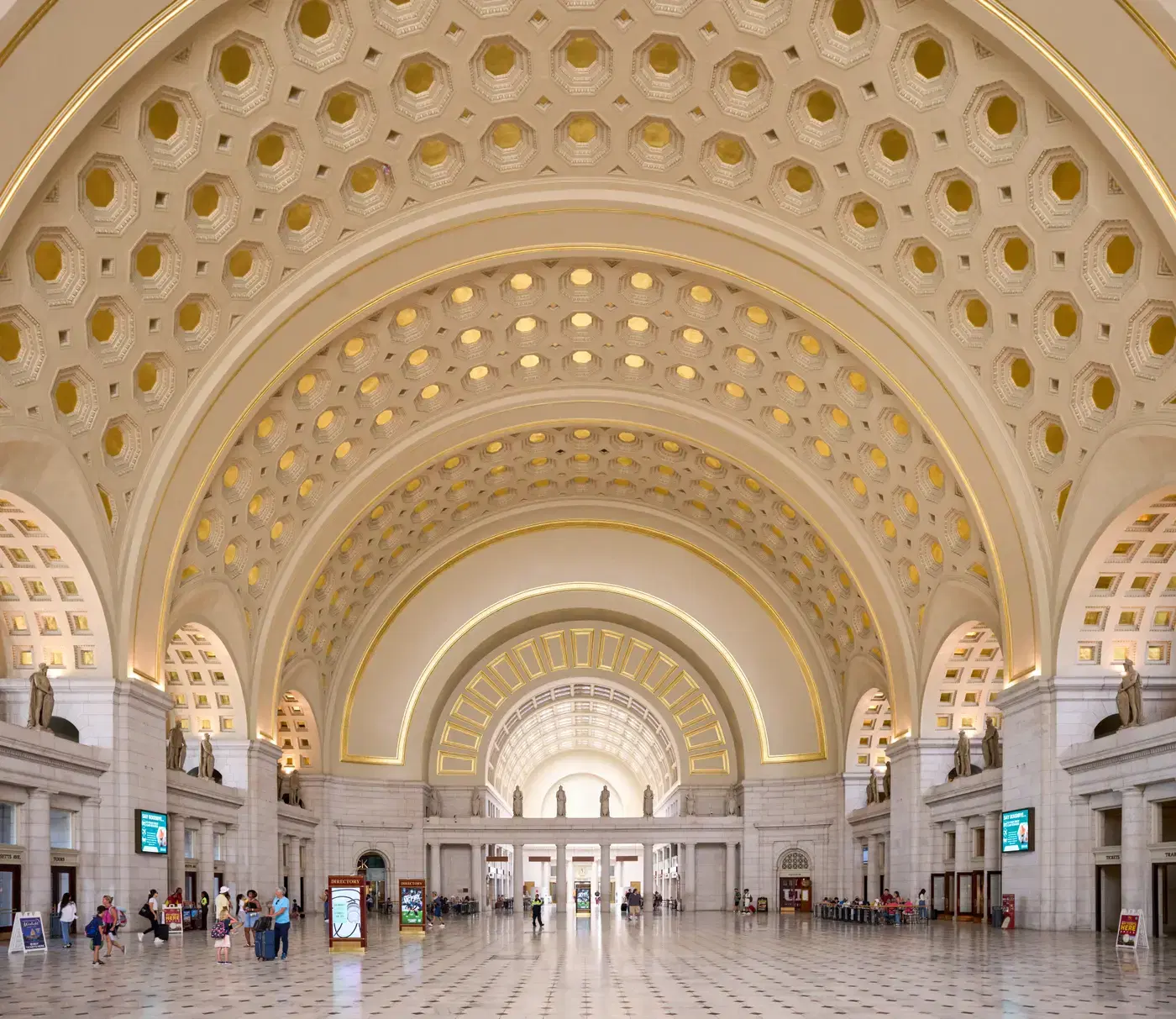
The gilded, coffered barrel vaults of the Great Hall at Washington Union Station.

Photo: Frank Schulenburg, CC BY-SA 4.0

Rail
Union Station adds Amtrak, MARC, and VRE — the full regional rail menu, walkable from home.
Two cyclists on a shaded paved trail through lush green trees
Bike
The Metropolitan Branch Trail is NoMa's main street for bikes, running the neighborhood's full length.
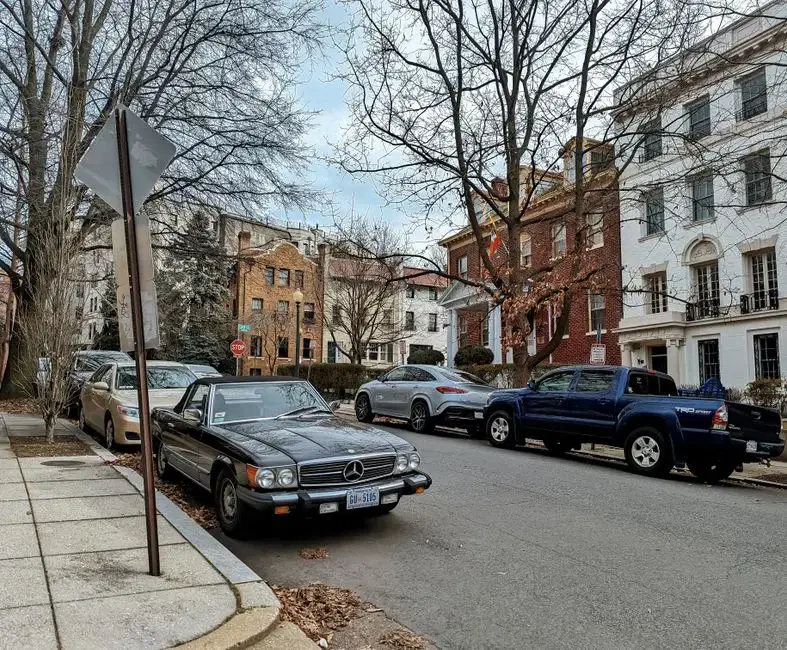
Quiet DC residential street in winter, classic Mercedes and trucks parked, DC plate visible
Parking
The surrounding rowhouse blocks are permit-zoned and the commercial streets metered — buildings sell or rent garage spaces separately, so price one into the budget math.

Daily life

Living in NoMa, day to day.

Schools, suppers, parks, and errands — the practical texture of the neighborhood, named specifically.

Classic yellow school bus in side profile against brick and stone city buildings
Schools
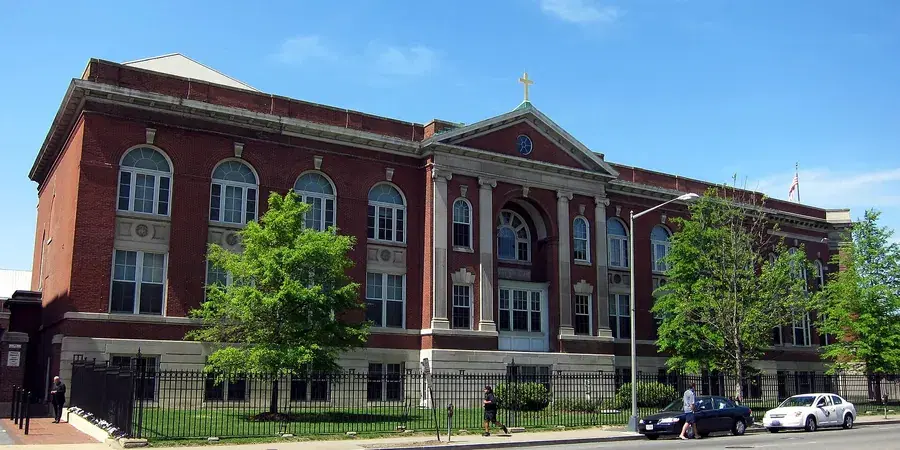
J.O. Wilson Elementary serves the core and Two Rivers' flagship charter sits at the edge — while Gonzaga College High, on North Capitol since 1821, is the neighborhood's academic landmark and a perennial athletic power.
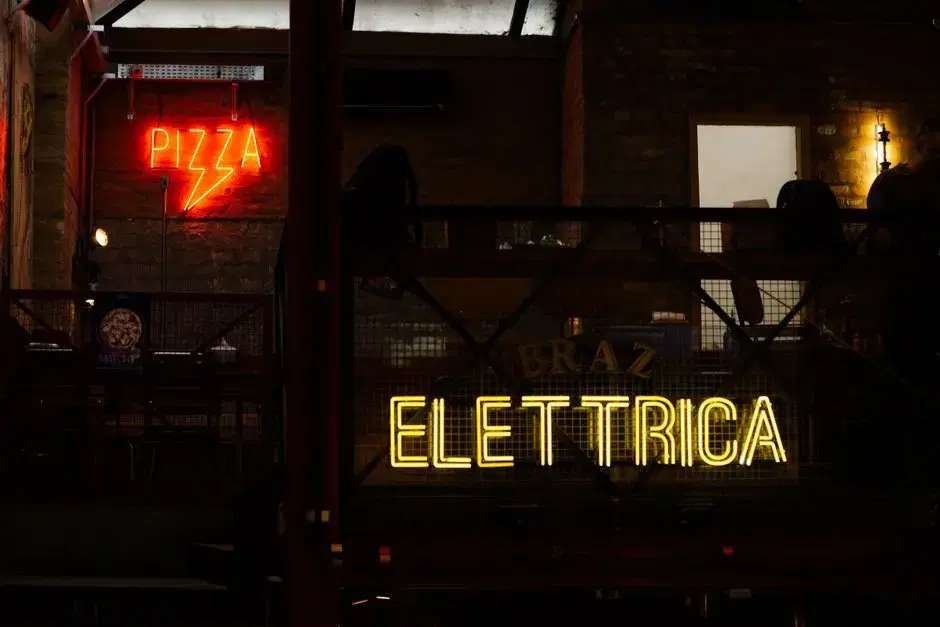
Red PIZZA neon and yellow neon signage in a moody industrial pizza bar at night
Dining & nights out
Masseria's Michelin-starred courtyard, St. Anselm's tavern, Red Bear's brewery, and Wunder Garten — DC's biggest beer garden — plus movie nights at the NoMa summer screen and the Alamo Drafthouse nearby.
Leafy city park with winding path, flower beds, and people relaxing on the lawn
Parks & recreation
Alethia Tanner Park's lawn, playground, and dog park on the Met Branch Trail, with Swampoodle Park's pocket playground to the south.
Bright library reading room with wall of bookshelves, light-wood study tables and lounge seating
The library
The NoMa neighborhood branch serves the district, with the MLK Jr. central library — the system's restored Mies flagship — one Metro stop away.
Colorful stocked produce wall: lettuce, radishes, beets, herbs with price tags
Groceries
Harris Teeter at 1st and M, Trader Joe's in the Union Market district, and the market's vendors for everything the big stores don't do.
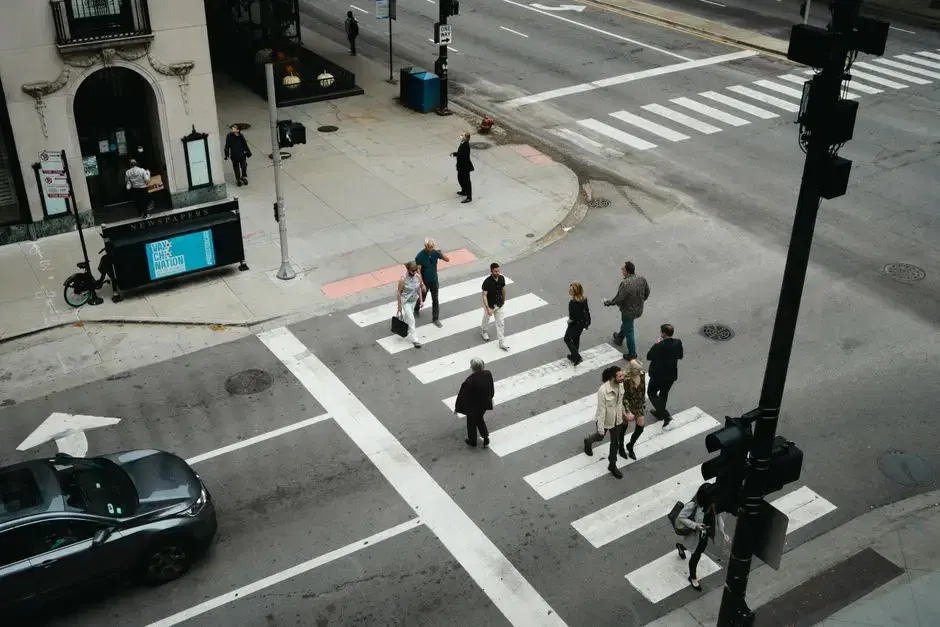
Aerial view of pedestrians crossing a striped urban crosswalk at an intersection
On foot
Built for walking by design — groceries, Metro, the trail, and Union Market all live within a ten-minute radius of every building.

Wherever you are

Start from where you actually are.

Buying takes most first-time DC buyers the better part of a year. The useful next step depends on which part you're in.

  1. 01 · Still running numbers

    What can we actually afford?

    Start with the payment, not the price. DC property tax, insurance and any condo fee move it more than buyers expect — and the condo fee counts against your ratios in full.

    See what you can afford
  2. 02 · Saving up

    How do we get to the down payment?

    What you actually need down at NoMa prices is usually less than people assume, and the property type moves it as much as the program does.

    See what you'd need
  3. 03 · Writing offers

    We need to look credible.

    DC listing agents expect a pre-approval attached to the offer. Ninety seconds, no credit pull to start.

    Get pre-qualified

You asked

Will lenders approve a new building?

Will a lender finance a unit in a brand-new NoMa building?
Usually, but the building has to clear project review first. Lenders check how many units have sold versus how many are rented, whether the developer still controls the association, whether the budget funds reserves adequately, and whether there's pending litigation. New buildings sometimes fail on nothing more than incomplete paperwork or a presale threshold not yet met, which is temporary — but it's a real constraint on your timeline if you don't know about it going in.
How much do amenity dues affect what I qualify for?
More than most buyers expect. Concierge, fitness, pool, and roof-deck amenities all arrive as monthly dues, and dues count in your debt-to-income ratio the same way a car payment does. In an amenity-heavy NoMa building the dues can move your maximum loan amount by a meaningful margin, so compare listings on total monthly cost rather than asking price.
Can the developer pay my closing costs?
Partly. Builder and seller credits are capped as interested-party contributions, and the cap varies by loan type and down payment. A credit above the cap doesn't carry over — it gets reduced to the limit. If a developer incentive is a material part of why the numbers work for you, have us check it against your specific loan structure before you rely on it.
Is a NoMa condo likely to need jumbo financing?
Not typically. DC's 2026 conforming ceiling is $1,249,125, well above most NoMa unit prices, and well above the $832,750 national baseline that gets misquoted as DC's limit. Most buyers here are comfortably in standard conforming territory, which means conventional pricing rather than jumbo reserve and credit requirements.
Which DC assistance programs work in NoMa?
DC Open Doors is the most usable — no maximum sales price, no first-time buyer requirement, a 640 minimum credit score, and an income cap of 170% of area median income ($275,400 on borrower income only). The reduced recordation rate applies to qualifying first-time buyers under a $777,000 purchase price cap, which covers most NoMa units. HPAP reaches the lower end of the market, with income limits the usual constraint. The DC Tax Abatement program's $576,000 price cap rules out most newer inventory here.
Should I worry about buying pre-construction?
It requires more planning than a resale. Rate locks have expiration dates and delivery dates slip, project review can't be completed on a building that isn't finished, and the appraisal happens against a market that may have moved since you signed. None of that makes pre-construction a bad idea — it just means the financing needs to be structured around a moving delivery date rather than a fixed settlement.

Local expertise

What decides a NoMa approval.

The borrower side is usually clean here. The building side is where deals slow down.

New buildings get reviewed hard

Before a lender finances a unit, the project itself has to clear eligibility: how much is sold versus rented, whether the developer still controls the board, budget and reserve adequacy. A brand-new building can fail on paperwork alone.

Amenity dues are real money

Concierge, gym, pool, and roof deck all arrive as monthly dues, and dues sit in your debt-to-income ratio exactly like a car payment. In NoMa they routinely decide how much house you qualify for.

Developer credits have a ceiling

Builder incentives are useful, but interested-party contributions are capped by loan type and down payment. Past the cap the credit gets reduced, not applied — worth checking before you rely on it.

Check the building before you commit.

Send us the address and we'll tell you what its project review looks like — and what that does to your options.