A tree-lined residential street in Congress Heights, Washington, D.C., with a Victorian frame house, sunflowers in the front garden, and brick rowhouses alongside.

Congress Heights, Washington DC

Room a DC budget rarely buys.

Detached houses and rowhouses at the entry end of the District's market — and renovation lending that turns a house needing work into one you can live in.

What it costs here
$435K
Median house price · 256 sales
$326
Median per square foot
+77%
Renovated over dated

Recorded arm’s-length sales from the District’s assessment records, through 2026-08-12. Not an appraisal or a valuation of any particular home. Compare every DC neighborhood

Why here

Game night, Sycamore & Oak, and Oxon Run.

Congress Heights has what most DC neighborhoods are still waiting for — a pro arena, a new retail village, and a mile of parkland — at the most reachable prices in the city.

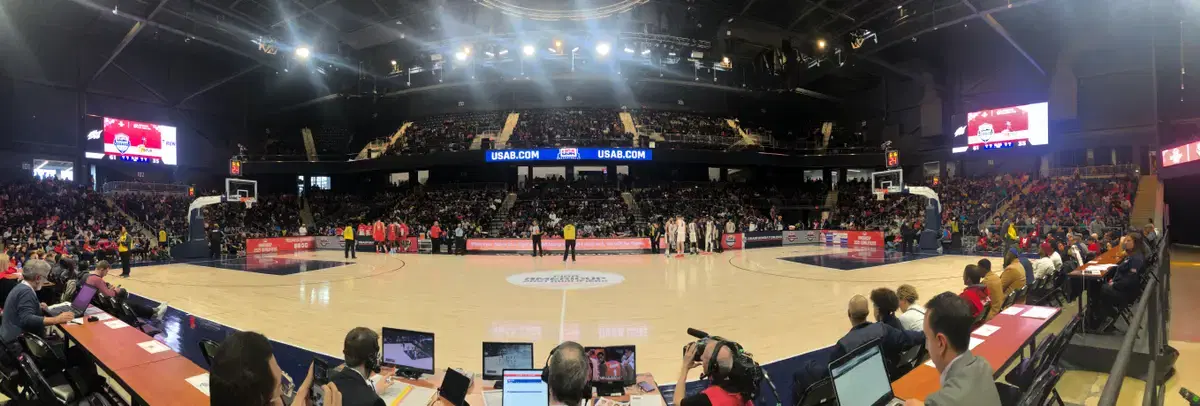
Very wide interior pano of Entertainment and Sports Arena during USA Basketball AmeriCup qualifier, court + crowd; use as wide crop

Photo: GATORFAN2525, CC BY-SA 4.0

The arena

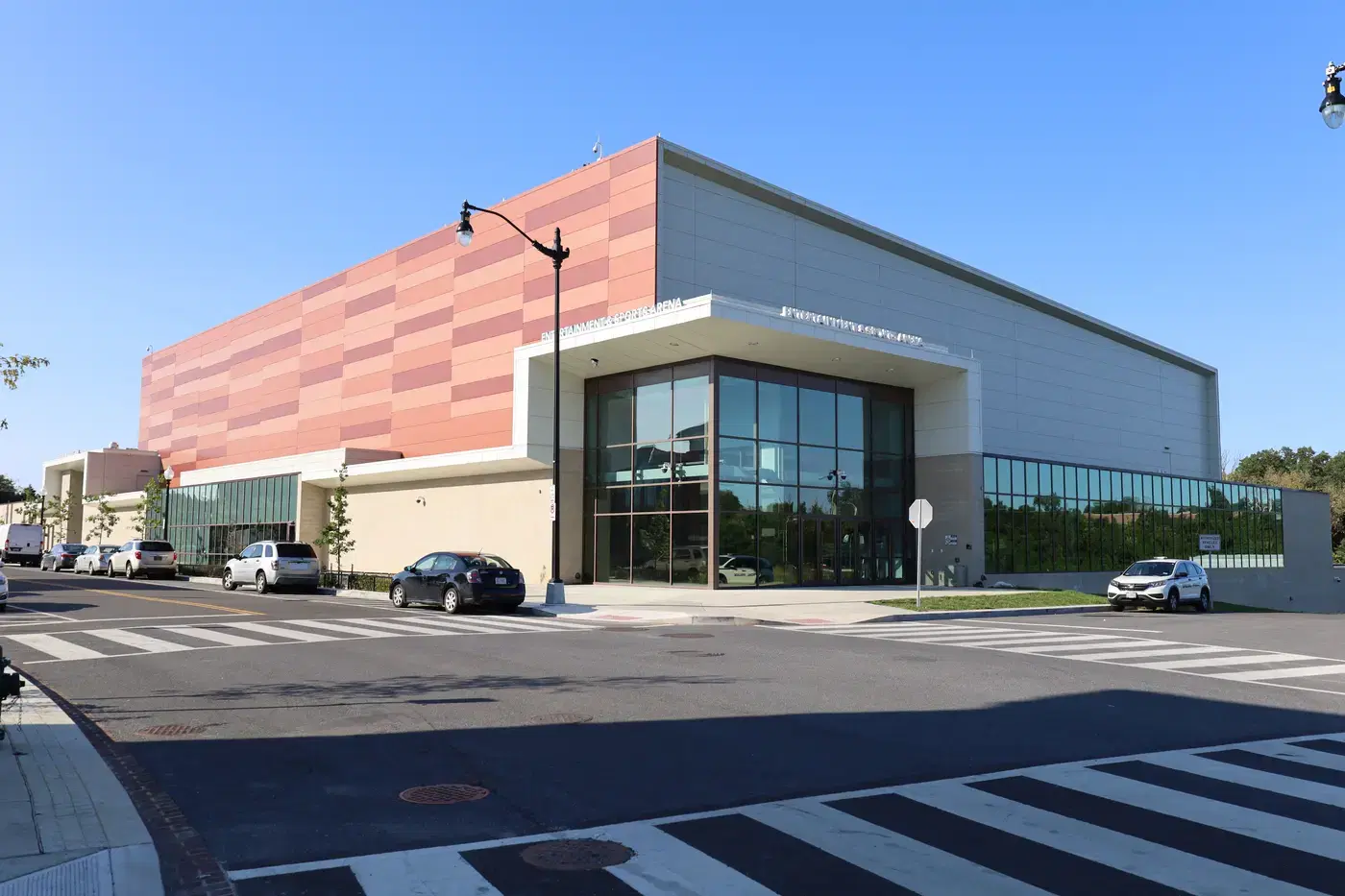
The Entertainment & Sports Arena hosts the Mystics and the Capital City Go-Go — pro basketball as a walkable neighborhood amenity.

Sycamore & Oak

The timber-built retail village on the St. Elizabeths campus showcases homegrown, Black-owned businesses — the neighborhood's newest gathering place.
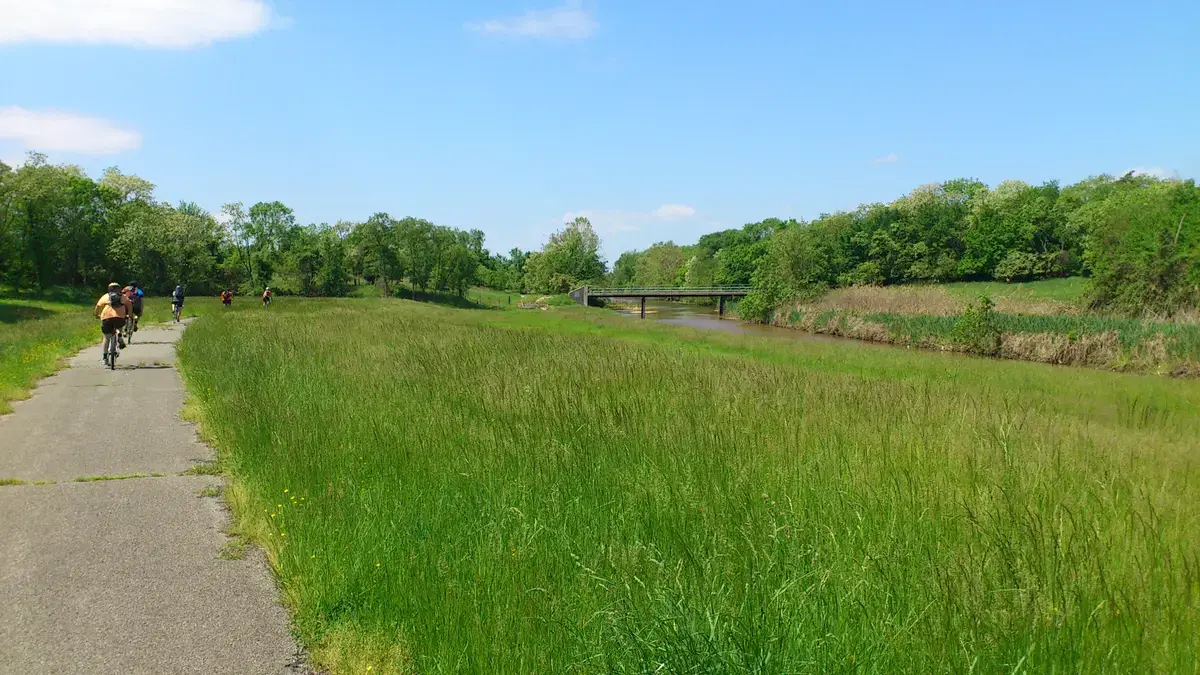
Cyclists on the paved Oxon Run trail beside the stream, meadow, and a footbridge, Washington, D.C.

Photo: Payton Chung from DCA, USA, CC BY 2.0

Oxon Run

One of the largest parks in the city runs along the neighborhood's edge — trails, ballfields, and an amphitheater under the trees.

THEARC

A theater, Levine Music, and a campus of arts and health organizations in one place — programming most neighborhoods would have to cross town for.

Who's moving in: first-time buyers who did the math — a whole house here for the price of a studio downtown, with the arena district growing around it.

The copper-toned exterior of the Entertainment and Sports Arena at St. Elizabeths East, Washington, D.C.
The Entertainment & Sports Arena — home courts of the Mystics and the Go-Go.Photo: Antony-22, CC BY-SA 4.0

Getting around

Car, train, bus, or bike — how Congress Heights moves.

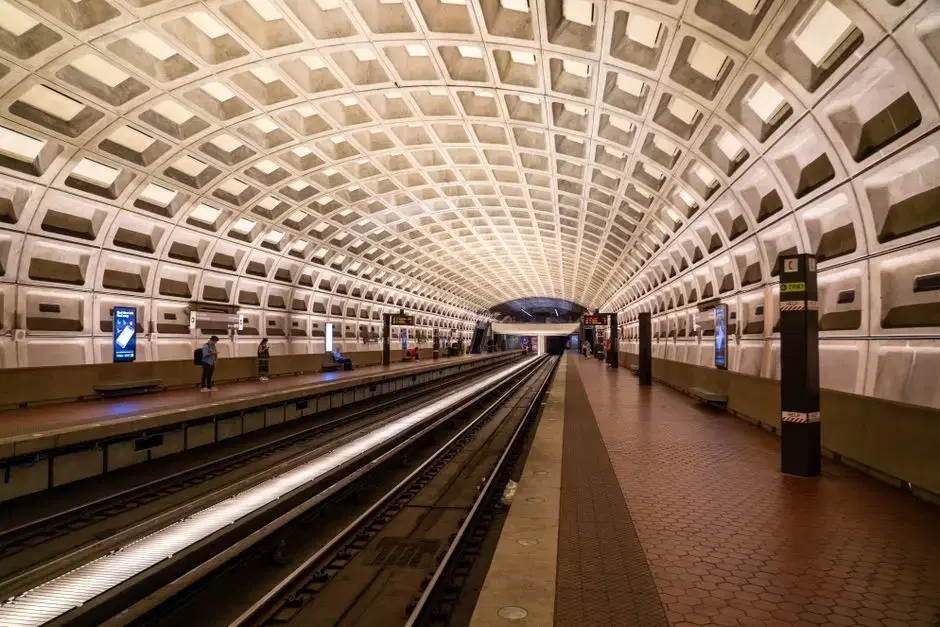
DC Metro vault station platform, coffered concrete arches, daytime, few riders
Metro
Congress Heights (Green) sits at the St. Elizabeths gate.
US city bus crossing a downtown intersection at twilight, American flag visible
Bus
Martin Luther King Jr. Avenue and South Capitol Street corridors, plus service across the Douglass Bridge.
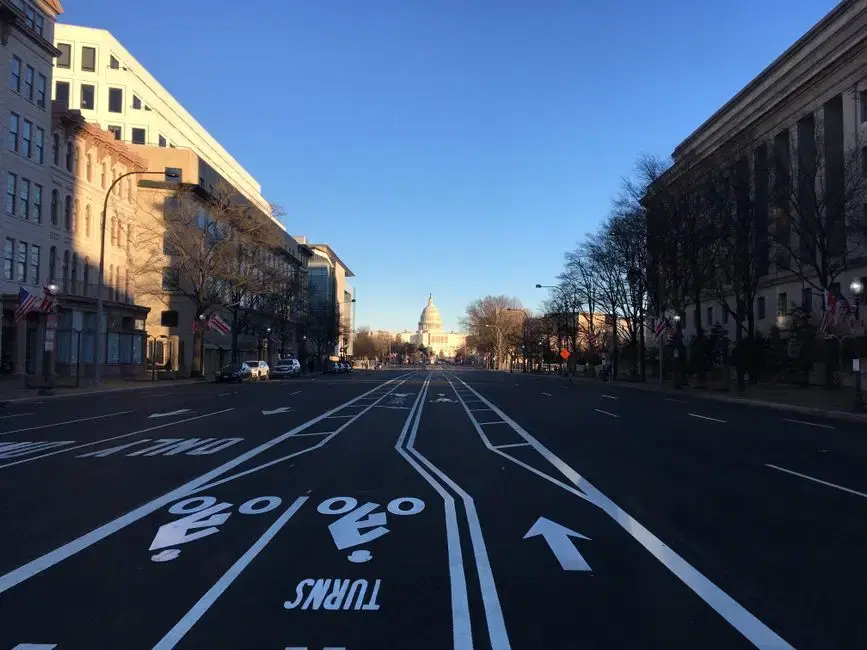
Pennsylvania Ave protected bike lanes leading straight to the US Capitol
Bike & trails
The Oxon Run Trail runs the parkland edge, with the riverfront trail network a short ride north.
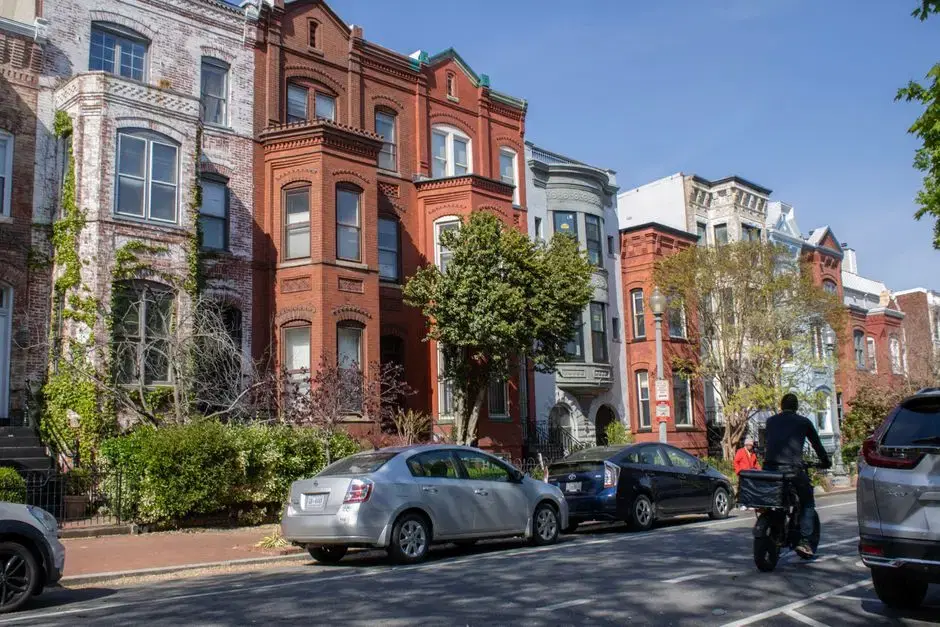
DC brick rowhouses with cars parallel-parked at the curb, sunny day, DC plates
Parking
Little of the neighborhood is permit-zoned — street parking is easy, and many houses have a pad or garage off the alley.

Daily life

Living in Congress Heights, day to day.

Schools, suppers, parks, and errands — the practical texture of the neighborhood, named specifically.

Yellow school bus from behind on a tree-lined street in autumn, no children visible
Schools
Ballou High's Majestic Marching Knights have played the Rose Parade and Macy's Thanksgiving Day Parade — the band is the neighborhood's beating heart. Bard High School Early College on Alabama Avenue graduates students with a tuition-free Bard College associate degree, and KIPP DC's campuses cluster nearby.
Warm dimly lit restaurant interior, diners at candlelit tables under a fringed lamp
Dining & nights out
Sycamore & Oak's homegrown food stalls, game nights at the Entertainment & Sports Arena, and THEARC's theater season.
Wide green park lawn with picnickers, mature trees, city buildings behind
Parks & recreation
Oxon Run Park's mile of trails, fields, and splash pad — one of the largest parks in the city — plus the rec centers that dot MLK Avenue.
Wooden library bookshelves in the foreground with a warm reading room beyond
The library
Parklands-Turner on Alabama Avenue serves the neighborhood, with the Adjaye-designed Bellevue branch a short ride south.
Shopper reaching for produce in a warmly lit grocery produce aisle, face in profile
Groceries
The full-size Giant on Alabama Avenue in the neighborhood, and Lidl at Skyland Town Center up the road.
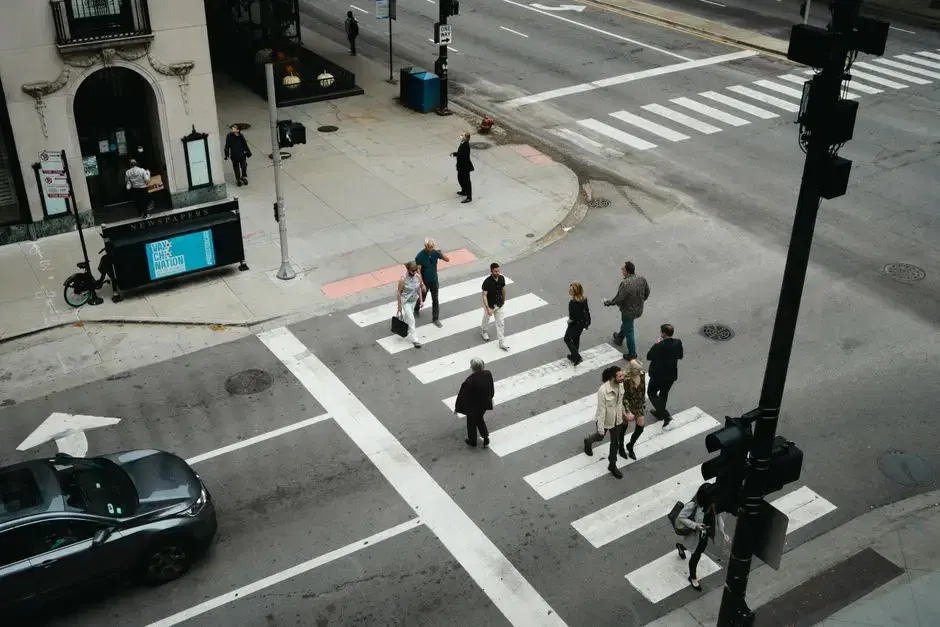
Aerial view of pedestrians crossing a striped urban crosswalk at an intersection
On foot
The MLK and Alabama Avenue corridors carry the daily errands on foot; the residential blocks behind them are quiet.

Wherever you are

Start from where you actually are.

Buying takes most first-time DC buyers the better part of a year. The useful next step depends on which part you're in.

  1. 01 · Still running numbers

    What can we actually afford?

    Start with the payment, not the price. DC property tax, insurance and any condo fee move it more than buyers expect — and the condo fee counts against your ratios in full.

    See what you can afford
  2. 02 · Saving up

    How do we get to the down payment?

    What you actually need down at Congress Heights prices is usually less than people assume, and the property type moves it as much as the program does.

    See what you'd need
  3. 03 · Writing offers

    We need to look credible.

    DC listing agents expect a pre-approval attached to the offer. Ninety seconds, no credit pull to start.

    Get pre-qualified

You asked

How much can DC programs actually cover?

How much of my purchase can DC assistance programs actually cover?
At Congress Heights prices, a great deal of it. HPAP offers first-time buyers up to $202,000 in interest-free, deferred gap financing plus $4,000 toward closing costs, with the amount scaling by household income and size. The DC Tax Abatement program can waive recordation tax outright and abate real property tax for five years. Stacked with a standard first mortgage, qualifying buyers here often reach the closing table with far less cash than they expected to need. What you qualify for depends on household income and size, so the honest answer requires running your actual numbers.
What is the DC Tax Abatement program?
Formally the Lower Income Homeownership Exemption, it exempts qualifying buyers from recordation tax at settlement and abates real property tax for the first five years of ownership, beginning the next full tax year. The purchase price cap is $576,000 and income limits run from $89,760 for a one-person household to $169,200 for eight. It's open to any buyer making the home their principal residence, not just first-time buyers, and buyers customarily also receive a credit for the seller's transfer tax. Limits are republished each October 1.
Can I combine HPAP with other assistance?
HPAP is designed to sit behind a standard first mortgage, and the tax benefits — the reduced recordation rate or the Tax Abatement exemption — operate separately at settlement, so they don't compete with it. What matters is sequencing and paperwork: HPAP has its own application, homebuyer education requirement, and queue, and DC residents are prioritized over non-residents. Start the program applications well before you're writing offers, because the timeline is the constraint far more often than eligibility is.
Why do appraisals come up more often east of the river?
Comparable sales can be thinner and less uniform here, and a fully renovated house surrounded by unrenovated ones may not have obvious comps to support its contract price. That can produce an appraisal below what you agreed to pay, which affects your loan amount. It's a manageable problem when you plan for it in the offer — appraisal contingency terms, gap language, and a realistic sense of the block — and a painful one when it surfaces late.
Can I finance a house here that needs significant work?
Yes. FHA 203(k) and Fannie Mae HomeStyle renovation loans underwrite against the home's value after the improvements rather than its current condition, so the work doesn't have to come out of savings. Licensed contractors must perform the work and funds release in draws as it's completed. Given how much of the neighborhood's value sits in homes needing work, this is often the most useful loan product in Congress Heights.
Do I have to be a first-time buyer?
For HPAP and the reduced recordation rate, yes — HPAP defines it as no ownership interest in residential real estate for the three years before applying. But DC Open Doors is open to repeat buyers, with a 640 minimum credit score and an income cap of 170% of area median income ($275,400, on borrower income only), and the Tax Abatement program is open to anyone making the home their principal residence. If you've owned before, you still have real options here.

Local expertise

What buying here actually involves.

The financing advantage is real, and so are the wrinkles. Both are worth knowing before you write an offer.

Space you cannot buy elsewhere

Detached houses and full rowhouses at prices that sit at the entry end of the District's market. For financing, a freestanding house is the simplest property there is — no project review, no association dues in your ratios.

Appraisals and comparables

Blocks east of the river can have thin or uneven comparable sales, and a renovated house next to unrenovated ones can appraise below contract. We plan for that possibility in the offer rather than discovering it in week three.

Renovation loans

FHA 203(k) and HomeStyle underwrite against the after-improved value, so a house that needs work doesn't have to mean cash for the work. This is where a lot of the neighborhood's value sits.

Let's find out what you qualify for.

Program eligibility turns on household size and income, not guesswork. We'll run yours against the tables in force today.