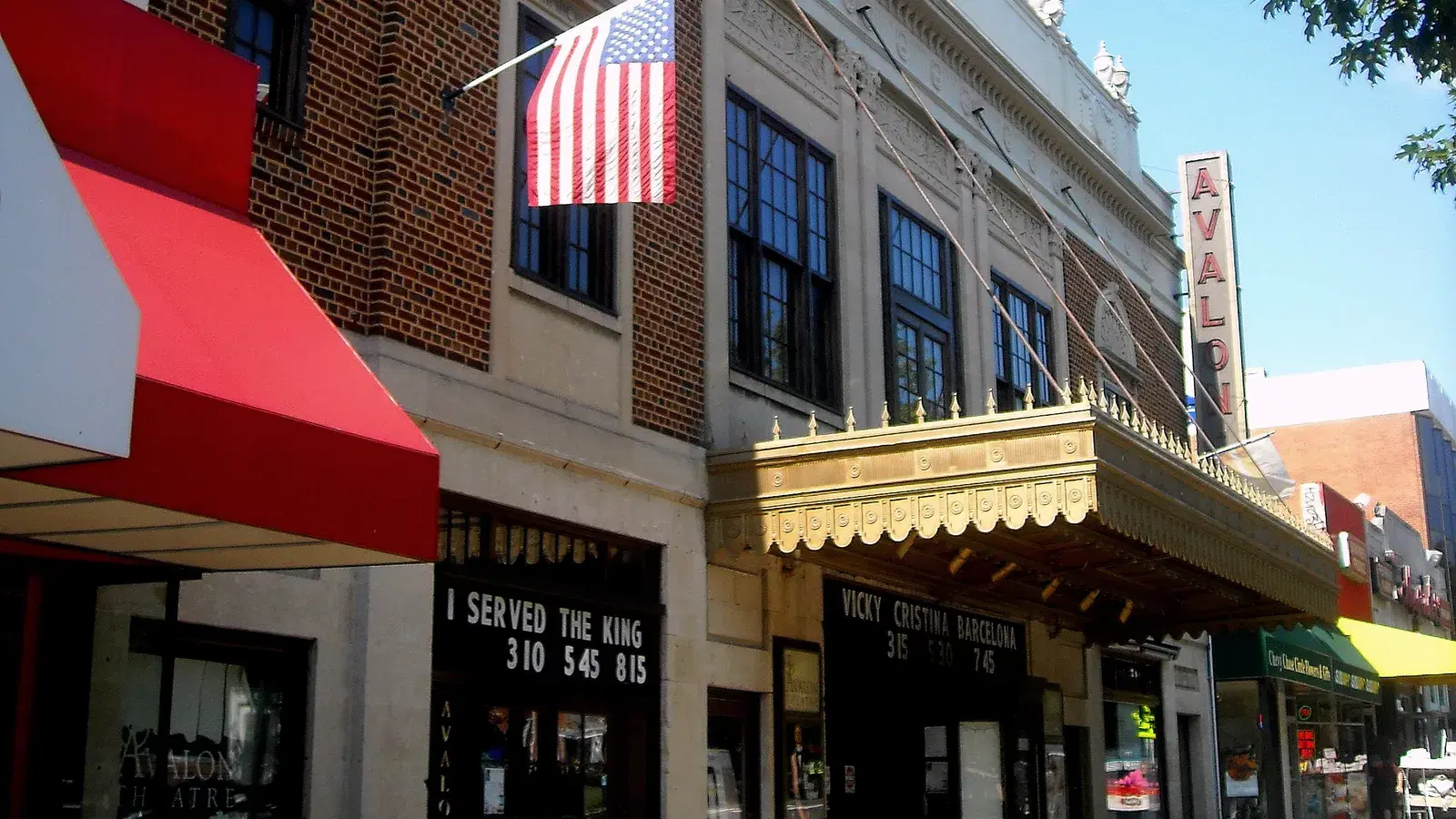
The Avalon Theatre marquee and storefronts on Connecticut Avenue NW in Chevy Chase DC, Washington, D.C.

Photo: AgnosticPreachersKid, CC BY-SA 3.0

Chevy Chase DC, AU Park & Tenleytown

Financing the leafy end of the city.

Detached colonials, Connecticut Avenue, and prices that look like jumbo territory but often aren't — home loans for upper Northwest, done with precision.

What it costs here
$1.5M
Median house price · 416 sales
$734
Median per square foot
+34%
Renovated over dated

Recorded arm’s-length sales from the District’s assessment records, through 2026-08-12. Not an appraisal or a valuation of any particular home. Compare every DC neighborhood

Why here

Politics & Prose, the Avalon, and Fort Reno.

Upper Northwest is the part of DC that runs on bookstores, ball fields, and school-day rhythms — leafy streets ten minutes from downtown that feel a world away from it.

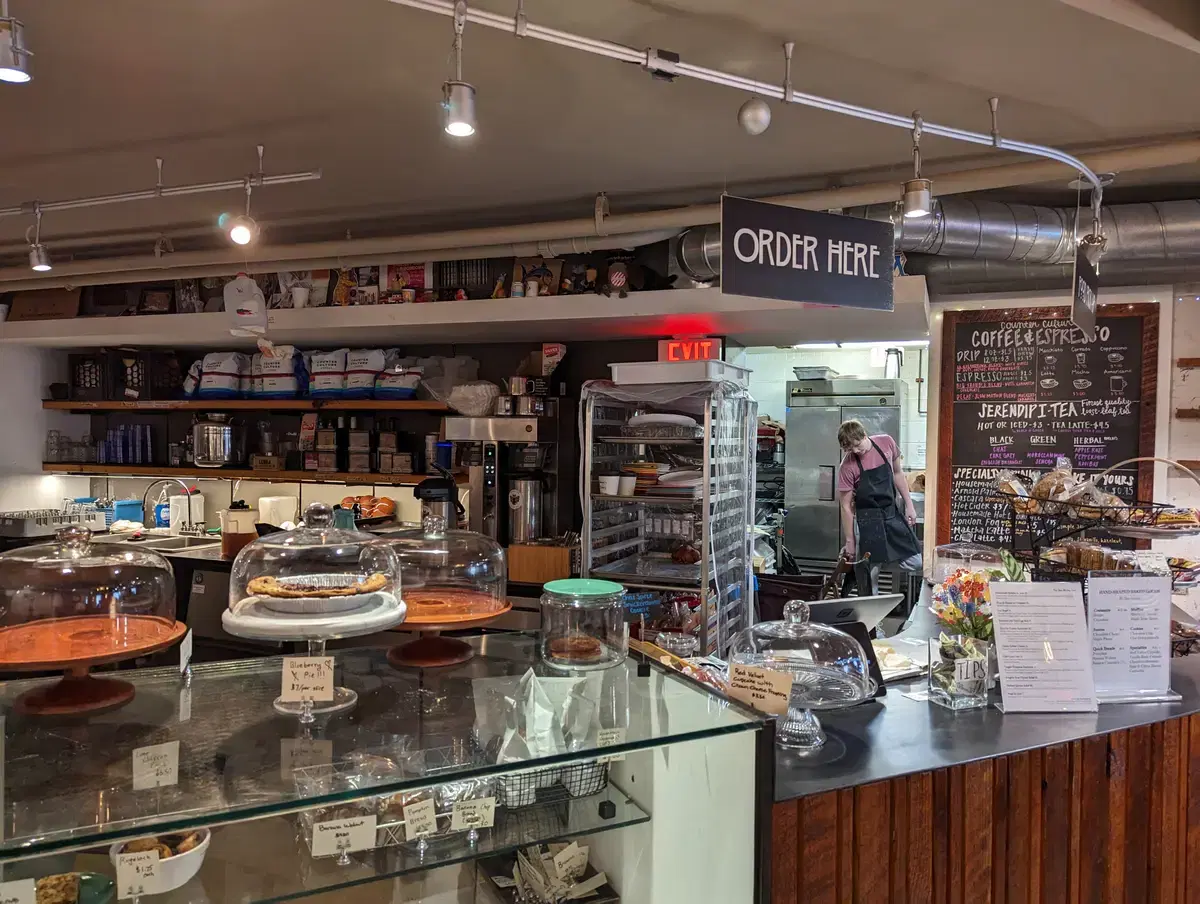
Interior of the Politics & Prose cafe (The Den): counter, pastry cases, chalkboard menus

Photo: Sdkb, CC BY-SA 4.0

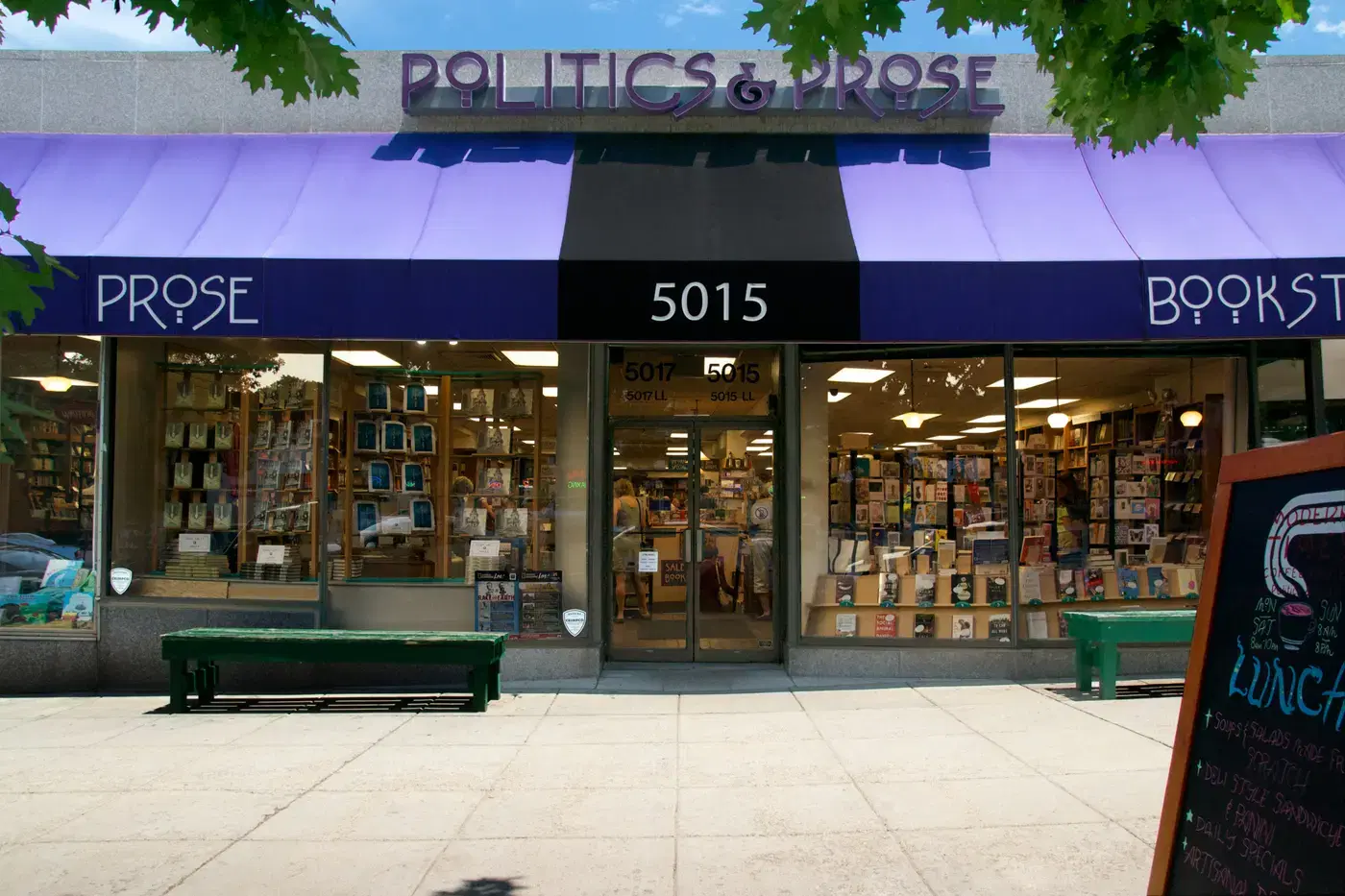
Politics & Prose

The most famous bookstore in Washington — authors on tour consider Connecticut Avenue a required stop, and the neighborhood treats readings like home games.

The Avalon Theatre marquee and storefronts on Connecticut Avenue NW in Chevy Chase DC, Washington, D.C.

Photo: AgnosticPreachersKid, CC BY-SA 3.0

The Avalon Theatre

DC's oldest operating movie house, showing films under the same marquee since 1923 — saved and run by the neighborhood itself.

Small rocky cascade with mossy boulders and fall foliage — generic forest-stream imagery plausibly consistent with Rock Creek's boulder sections; location not identifiable

Rock Creek Park & Fort Reno

The park runs the whole eastern edge, Lafayette Park's playground is a weekend institution, and Fort Reno — the highest point in DC — still throws free summer concerts.

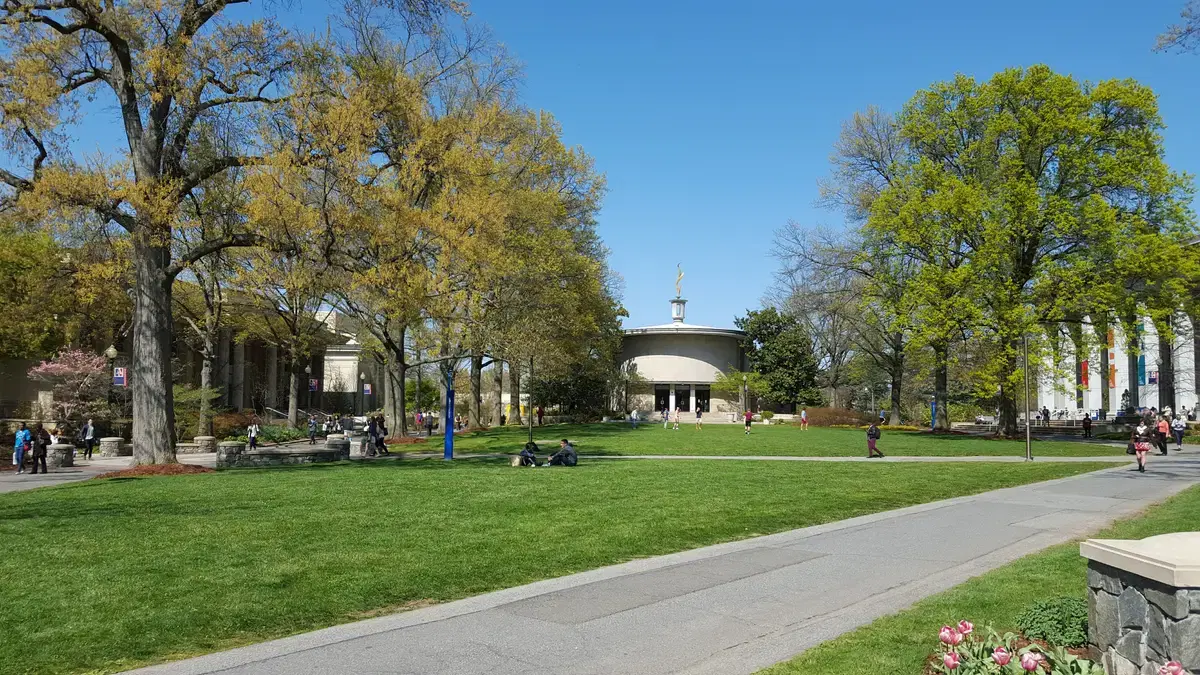
American University main quad in spring: green lawn, students, AU banners, Kay Spiritual Life Center at center

Photo: Herrperry123, CC BY-SA 4.0

The schools & AU

The Lafayette–Deal–Jackson-Reed feeder pattern is the strongest public-school run in the city, with American University anchoring the Tenleytown end.

Who's moving in: trade-up buyers timing the school calendar, and owners who arrived twenty years ago and see no reason to ever leave.

The purple awning and book-filled windows of Politics and Prose bookstore at 5015 Connecticut Avenue NW, Washington, D.C.
Politics & Prose on Connecticut Avenue — the most famous bookstore in Washington.Photo: Politics and Prose Bookstore, CC BY-SA 2.0

Getting around

Car, train, bus, or bike — how Chevy Chase DC moves.

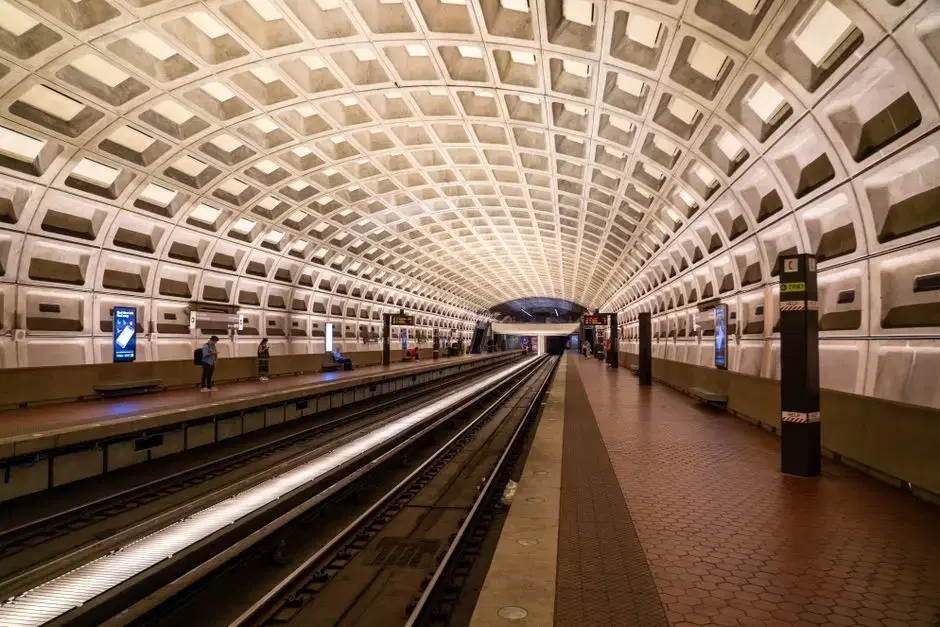
DC Metro vault station platform, coffered concrete arches, daytime, few riders
Metro
Friendship Heights and Tenleytown–AU — both Red Line — anchor the Wisconsin Avenue side of the neighborhood.
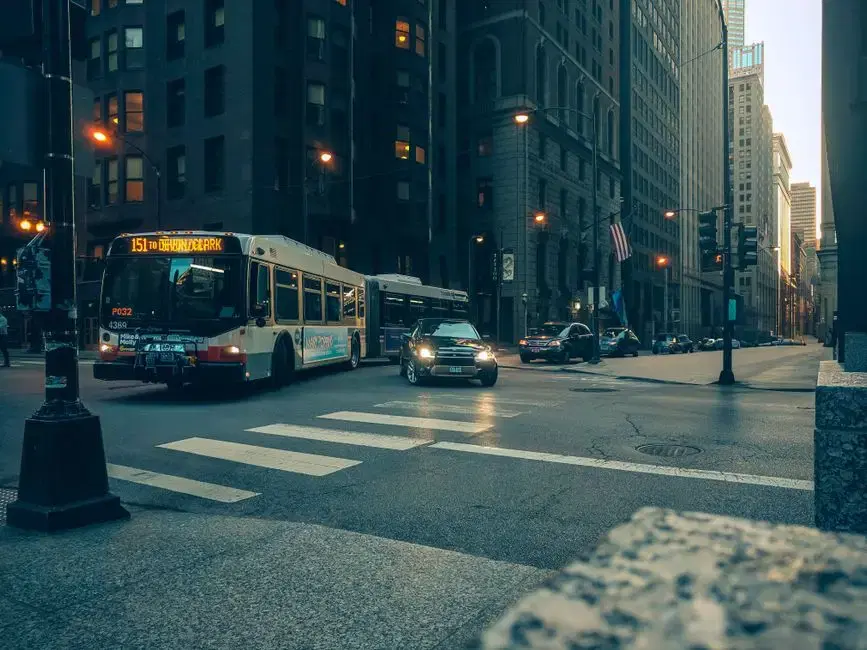
US city bus crossing a downtown intersection at twilight, American flag visible
Bus
Frequent service runs the full length of Connecticut and Wisconsin Avenues.
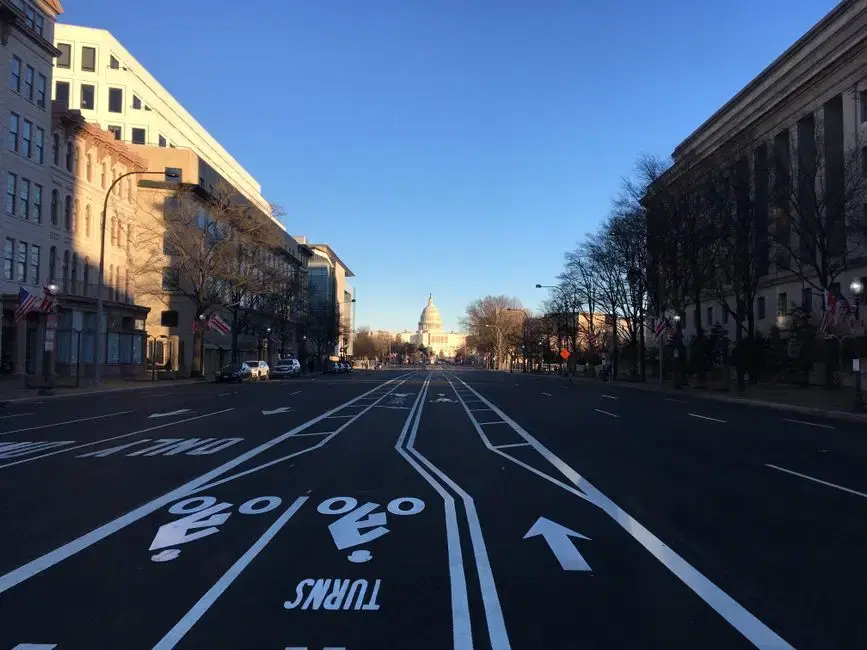
Pennsylvania Ave protected bike lanes leading straight to the US Capitol
Bike & trails
Rock Creek's trail network borders the east edge, with the Capital Crescent Trail below Friendship Heights.
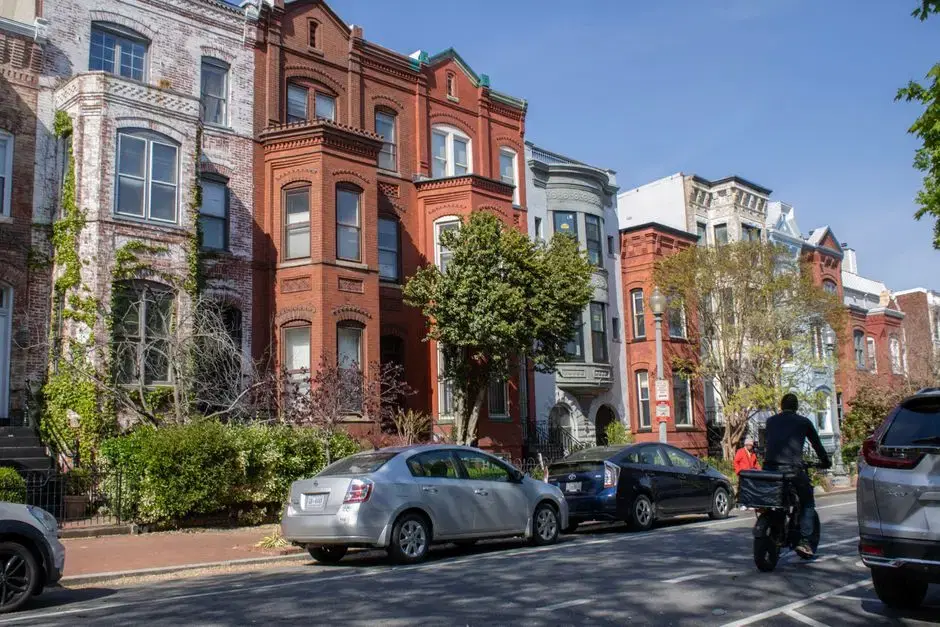
DC brick rowhouses with cars parallel-parked at the curb, sunny day, DC plates
Parking
Permit zones are the exception up here — street parking is unrestricted on most blocks, and many houses have garages and drives off the alleys.

Daily life

Living in Chevy Chase DC, day to day.

Schools, suppers, parks, and errands — the practical texture of the neighborhood, named specifically.

Yellow school bus from behind on a tree-lined street in autumn, no children visible
Schools
The Lafayette–Deal–Jackson-Reed feeder run is the most sought-after public path in the city — Lafayette is DC's largest elementary, and Jackson-Reed fields championship teams across a dozen sports. The private bench along Wisconsin includes Sidwell Friends, Georgetown Day, and St. John's, a perennial football power.
Warm dimly lit restaurant interior, diners at candlelit tables under a fringed lamp
Dining & nights out
The Parthenon and Little Red Fox on Connecticut, Bread Furst's bakery down the avenue, films at the Avalon, and author nights at Politics & Prose.
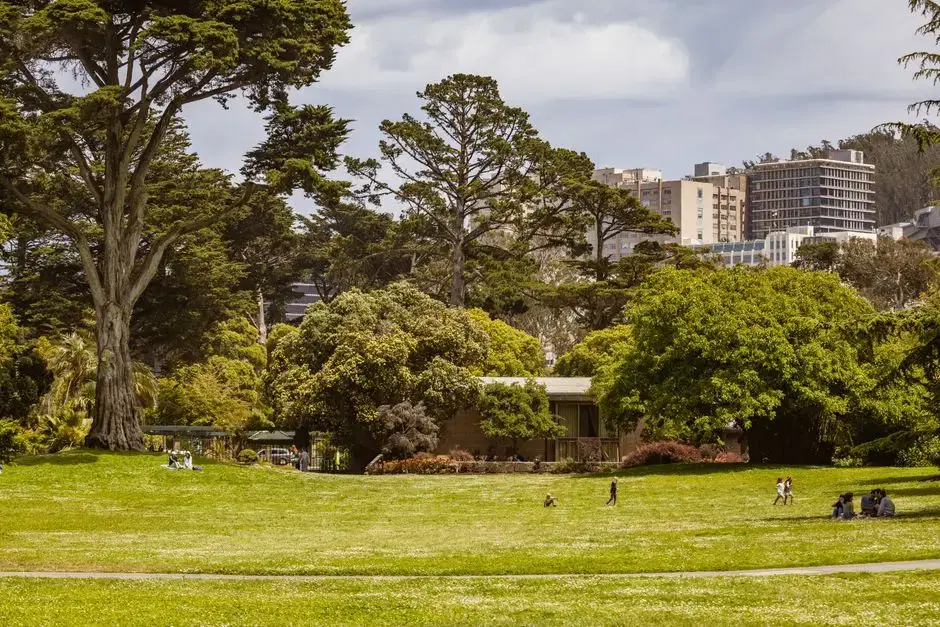
Wide green park lawn with picnickers, mature trees, city buildings behind
Parks & recreation
Lafayette Park's playground and rec center, 'Turtle Park' in AU Park, Fort Reno's summer concerts at the city's highest point, and all of Rock Creek next door.
Wooden library bookshelves in the foreground with a warm reading room beyond
The library
Tenley-Friendship's modern branch anchors Wisconsin Avenue, with the Chevy Chase branch on Connecticut serving the east side.
Shopper reaching for produce in a warmly lit grocery produce aisle, face in profile
Groceries
Broad Branch Market's corner-store charm, Safeway on Connecticut, Whole Foods in Tenleytown, and the Wegmans at City Ridge a short drive down Wisconsin.
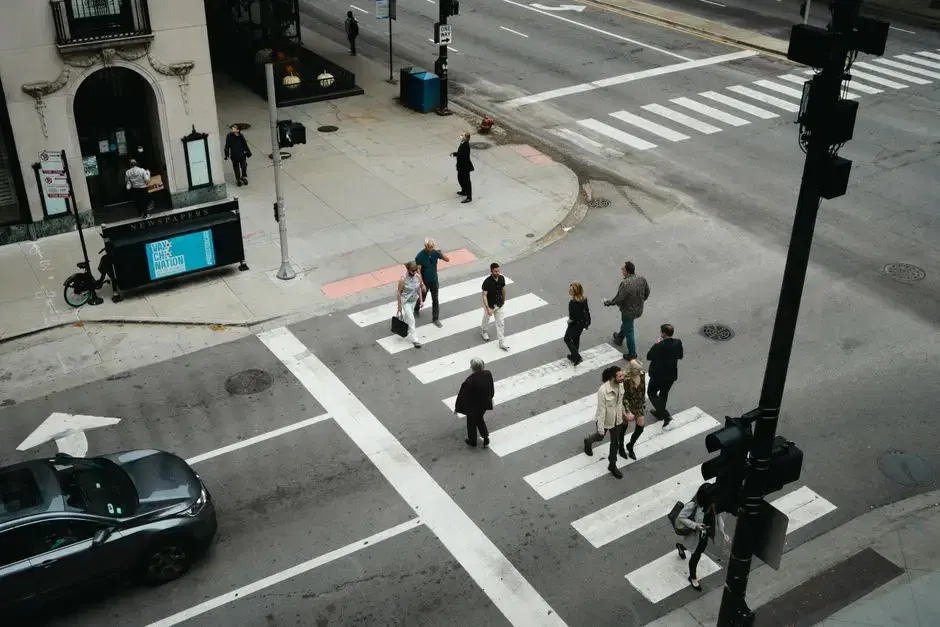
Aerial view of pedestrians crossing a striped urban crosswalk at an intersection
On foot
Errand corridors on Connecticut and Wisconsin are genuinely walkable; the blocks between are quiet, leafy, and best measured in dog-walks.

Wherever you are

Start from where you actually are.

Buying takes most first-time DC buyers the better part of a year. The useful next step depends on which part you're in.

  1. 01 · Still running numbers

    What can we actually afford?

    Start with the payment, not the price. DC property tax, insurance and any condo fee move it more than buyers expect — and the condo fee counts against your ratios in full.

    See what you can afford
  2. 02 · Saving up

    How do we get to the down payment?

    What you actually need down at Chevy Chase DC prices is usually less than people assume, and the property type moves it as much as the program does.

    See what you'd need
  3. 03 · Writing offers

    We need to look credible.

    DC listing agents expect a pre-approval attached to the offer. Ninety seconds, no credit pull to start.

    Get pre-qualified

You asked

Does a million-dollar listing mean a jumbo loan?

Everything here lists over a million dollars. Does that mean a jumbo loan?
Much less often than buyers assume, and the difference is worth real money. DC's 2026 conforming ceiling is $1,249,125 — the Washington region is designated high-cost, so the ceiling runs far above the $832,750 national baseline. A $1.3 million purchase with a healthy down payment can finance entirely as high-balance conventional, priced near standard conforming with none of jumbo's tougher down-payment, credit, and reserve rules. True jumbo starts only when the loan amount itself crosses the ceiling.
Is a detached house simpler to finance than a condo or rowhouse?
It's the simplest property there is. No condo association to underwrite, no dues in your ratios, no party walls — the loan rises or falls on you and the house. What upper NW's housing stock adds is age: colonials and Tudors from the 1920s and 30s get appraiser attention on roof life, wiring, and systems. Normal homework, not obstacles.
We want to buy and then renovate or expand. How does that get financed?
Two clean paths. A renovation loan — Fannie Mae HomeStyle, or FHA 203(k) where the numbers fit — folds the project into the purchase mortgage and underwrites against the after-improved value, which matters in a neighborhood where a finished expansion adds real value. Or buy with a standard loan and fund the project afterward against your equity. Which one wins depends on timing, rates, and how settled the plans are; we'll run both.
Do any DC assistance programs reach Chevy Chase or AU Park prices?
Mostly no, and we'd rather say it plainly. The Tax Abatement cap of $576,000 and the reduced-recordation cap of $777,000 sit below nearly every detached-house sale up here, and HPAP's assistance doesn't stretch this far. DC Open Doors is the exception on paper — no maximum sales price — but its borrower income cap of $275,400 and $1,249,125 first-trust limit decide who actually fits. For most buyers here, loan structure does the work programs can't.
We've owned here for twenty years. What can the equity do?
Upper NW holds some of the deepest home equity in the city, and you don't have to sell to use it. A cash-out refinance replaces your current mortgage and hands you the difference at closing; a home equity loan leaves your existing first mortgage — and its rate — alone and adds a second, smaller lien. The college years, the renovation, the down payment on the next place: we'll run both structures against your current loan and show you the real cost of each.
How does buying near the Maryland line change property taxes?
The line matters more than people expect. On the DC side you get DC's homestead deduction and its residential rate structure; a few blocks north in Chevy Chase, Maryland, you're in a different tax system with different rates, credits, and income taxes. Neither is automatically cheaper across the board — but the monthly escrow that comes out of the payment differs. We lend on the DC side of the line, and for homes there we put DC's real tax numbers into the affordability math from the start.

Local expertise

Big houses, precise loans.

The financing questions up here are about structure: where the jumbo line falls, how a renovation gets funded, and what decades of equity can do.

High-balance, not jumbo

DC's conforming ceiling is $1,249,125 — far above the national baseline. Much of upper NW finances below it as high-balance conventional, at pricing and terms jumbo can't match. We draw that line correctly before quoting anything.

Colonials with plans attached

Pop-tops, kitchen gut-jobs, the fourth bedroom — renovation loans underwrite against the after-improved value, so the house you're planning can help pay for itself.

Twenty years of equity

Longtime owners up here hold some of the deepest equity in DC. A cash-out refinance or home equity loan puts it to work — without touching the house, the schools, or the block you're settled on.

Buying up here, or already settled?

Purchase, renovation, or equity — bring us the numbers and we'll bring you the structure that fits.