A campus street on St. Elizabeths East, Washington, D.C. — red-brick hospital buildings with tile roofs along new sidewalks, street lamps and young trees, the arena at right.

Photo: Antony-22, CC BY-SA 4.0

St. Elizabeths East, Washington DC

A brand-new neighborhood on historic ground.

For-sale townhomes rising on the 183-acre campus above the Congress Heights Metro — new houses, new streets, and financing that has to fit a builder's calendar.

What it costs here
$586K
Median house price · 28 sales
$493
Median per square foot

Recorded arm’s-length sales from the District’s assessment records, through 2026-08-12. Not an appraisal or a valuation of any particular home. Compare every DC neighborhood

Why here

An arena, a campus, and a brand-new block.

St. Elizabeths East is the rare chance to buy new construction inside a 19th-century landmark campus — with pro sports and a retail village already on-site.

Pro basketball team huddle courtside with full crowd — game-night ambience (atmospheric; ESA itself not on Pexels)

Courtside, on-site

The Entertainment & Sports Arena — home of the Mystics and the Go-Go — sits on the campus itself. Game night is a five-minute walk.

Sycamore & Oak

The campus's timber retail village hosts homegrown businesses, food, and events — the town square arrived before the townhomes finished.
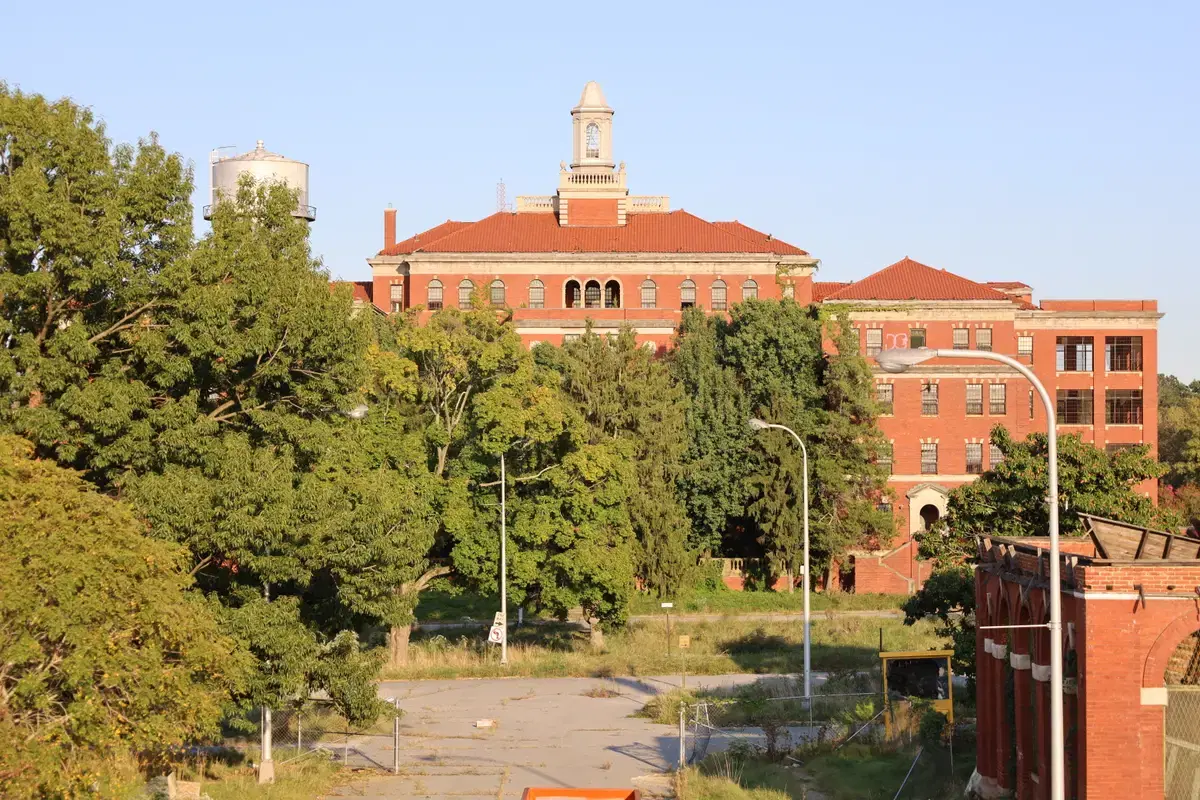
The red-brick Nichols Building and historic water tower rising over the trees of the St. Elizabeths campus in golden light, Washington, D.C.

Photo: Antony-22, CC BY-SA 4.0

A landmark campus

Red-brick, tile-roofed historic buildings are coming back to life around the new blocks — including Whitman-Walker's major health center.

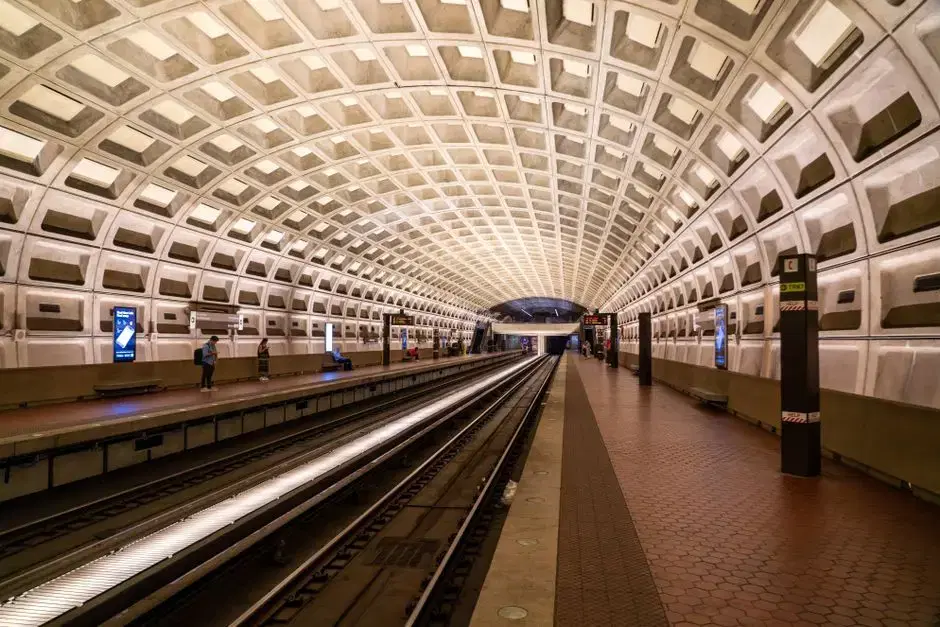
WMATA station with the signature coffered concrete vault — unmistakably the DC Metro, honest generic for the Green Line card

Metro at the gate

Congress Heights station puts the Green Line a block from the campus edge — downtown without a parking thought.

Who's moving in: buyers who want to be first on a new block — new-construction shoppers priced out of Navy Yard betting on the arena district instead.

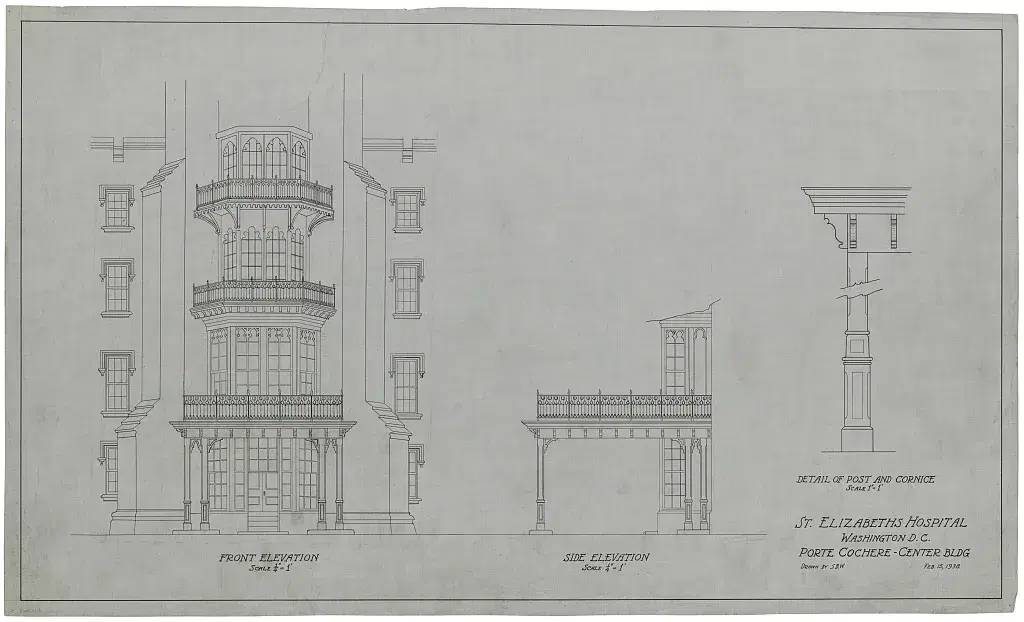
The Center Building of St. Elizabeths Hospital in 1938, Washington, D.C.
The campus's landmark Center Building, photographed in 1938 — the historic bones the new neighborhood grows around.

Getting around

Car, train, bus, or bike — how St. Elizabeths East moves.

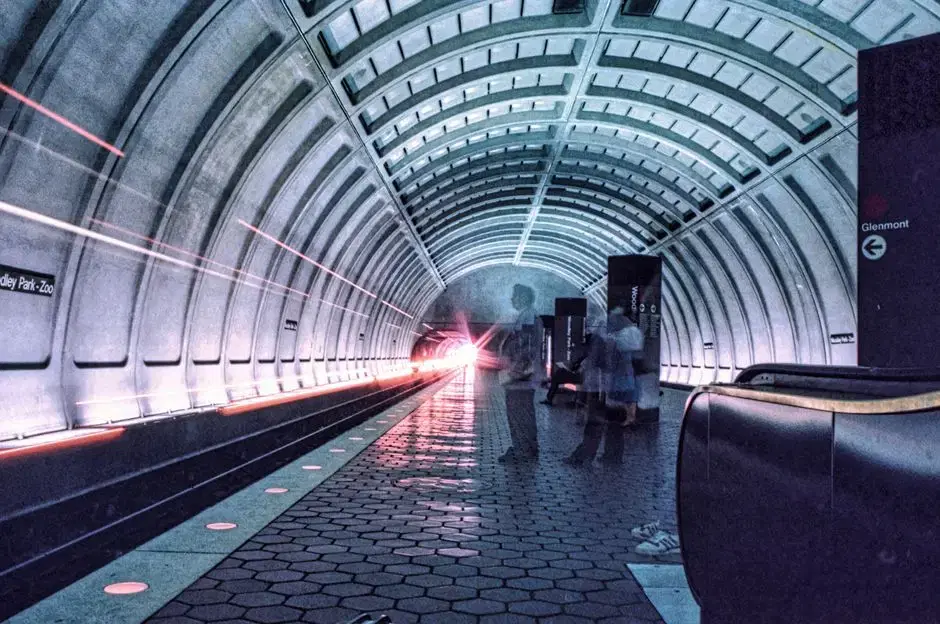
DC Metro platform (Woodley Park) long exposure with train light trails and Glenmont sign
Metro
Congress Heights (Green) sits a block from the campus edge — the Green Line, direct.
Moody rainy-day US downtown street with route-29 city bus approaching
Bus
Martin Luther King Jr. Avenue and Alabama Avenue corridors meet at the gate.
Two cyclists on a shaded paved trail through lush green trees
Bike & trails
The campus's new streets are wide and calm, with the Oxon Run Trail nearby.
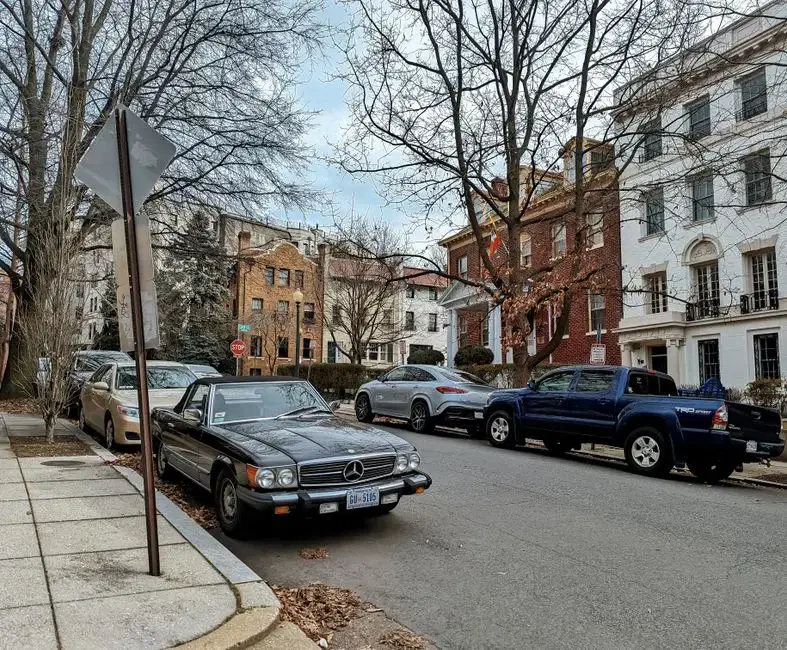
Quiet DC residential street in winter, classic Mercedes and trucks parked, DC plate visible
Parking
New construction comes with parking designed in — garages and dedicated spaces — and the surrounding blocks are lightly permit-zoned.

Daily life

Living in St. Elizabeths East, day to day.

Schools, suppers, parks, and errands — the practical texture of the neighborhood, named specifically.

Classic yellow school bus in side profile against brick and stone city buildings
Schools
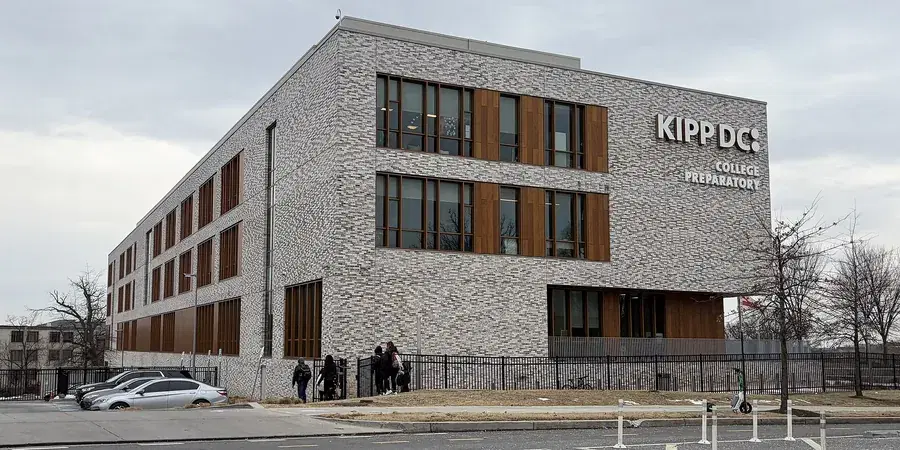
Bard High School Early College is minutes away on Alabama Avenue — graduates leave with a tuition-free Bard College associate degree — and KIPP DC's campuses and Ballou High, home of the famed Majestic Marching Knights, are close by.
Red PIZZA neon and yellow neon signage in a moody industrial pizza bar at night
Dining & nights out
Sycamore & Oak's food stalls on campus and arena events year-round — the town square arrived before the townhomes finished.
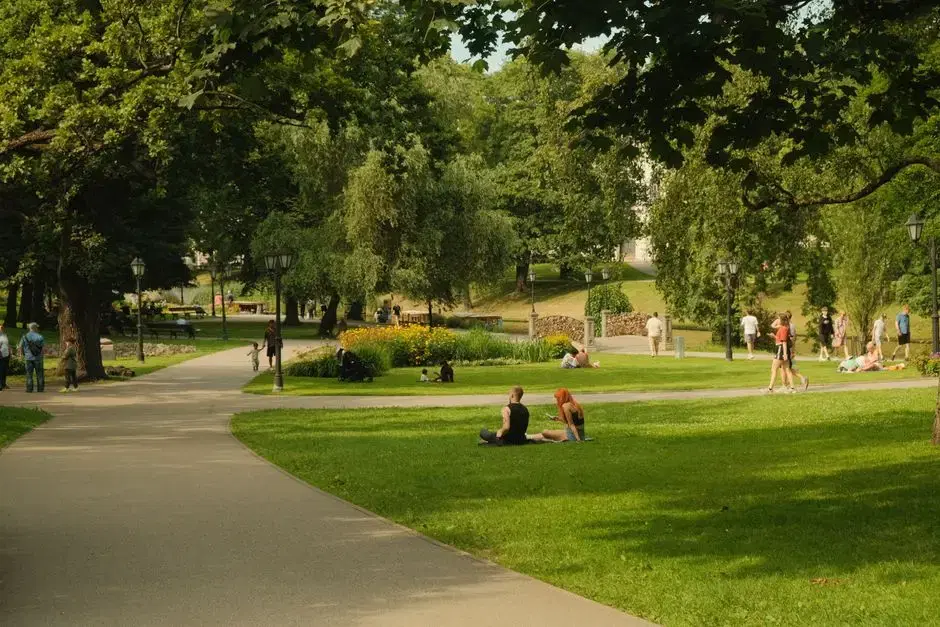
Leafy city park with winding path, flower beds, and people relaxing on the lawn
Parks & recreation
The campus's new greens and plazas, Oxon Run Park's trails and splash pad a short ride south, and the Gateway pavilion's event calendar.
Bright library reading room with wall of bookshelves, light-wood study tables and lounge seating
The library
Parklands-Turner on Alabama Avenue is the neighborhood branch.
Colorful stocked produce wall: lettuce, radishes, beets, herbs with price tags
Groceries
The full-size Giant on Alabama Avenue is the close anchor, with Lidl at Skyland up the road.
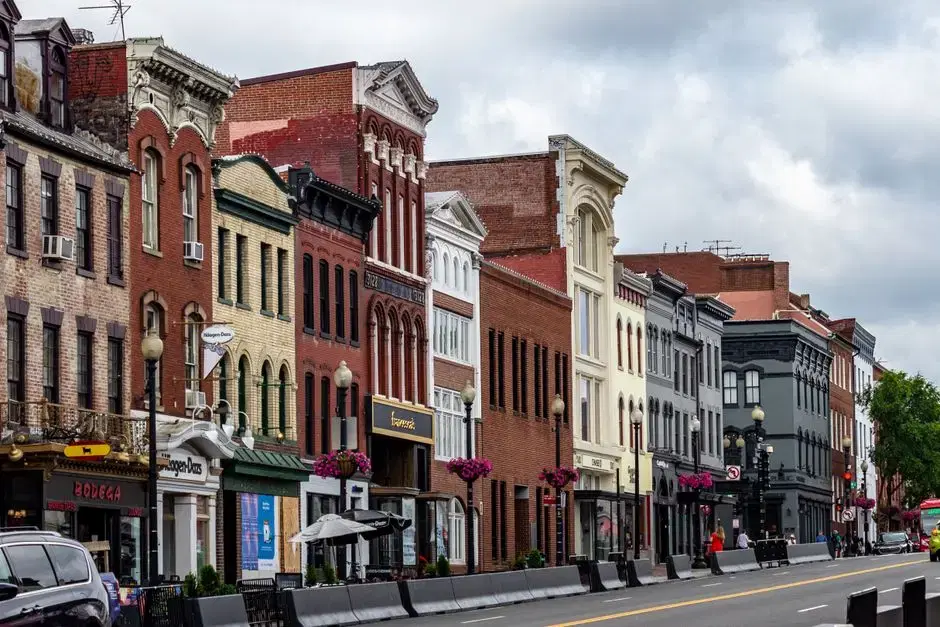
Georgetown M Street NW brick storefront row with flower baskets and pedestrians
On foot
The campus itself is built for walking — wide sidewalks, calm streets, Metro at the gate — with the arena and retail village in slippers-distance.

Wherever you are

Start from where you actually are.

Buying takes most first-time DC buyers the better part of a year. The useful next step depends on which part you're in.

  1. 01 · Still running numbers

    What can we actually afford?

    Start with the payment, not the price. DC property tax, insurance and any condo fee move it more than buyers expect — and the condo fee counts against your ratios in full.

    See what you can afford
  2. 02 · Saving up

    How do we get to the down payment?

    What you actually need down at St. Elizabeths East prices is usually less than people assume, and the property type moves it as much as the program does.

    See what you'd need
  3. 03 · Writing offers

    We need to look credible.

    DC listing agents expect a pre-approval attached to the offer. Ninety seconds, no credit pull to start.

    Get pre-qualified

You asked

How does financing a new-build townhome work?

What is actually for sale at St. Elizabeths East?
The campus's for-sale housing to date is District Towns — 88 new fee-simple townhomes on Sycamore Drive near Alabama Avenue SE, within walking distance of the Congress Heights Metro. A portion are income-restricted for households under set income levels; the rest are market-rate. Much of the rest of the campus is rental housing, retail, the arena, and parcels still to be developed, so the for-sale inventory is finite and moves in phases.
How is financing new construction different from buying a resale house?
The property is simpler — brand-new systems, no renovation questions, a warranty — but the process runs on the builder's calendar. You sign a purchase contract before the home is complete, put down a builder's deposit, and close when the home delivers. That gap affects when to lock your rate and how to handle a delivery date that moves. The right structure depends on the builder's timeline, and it's worth mapping before you sign the contract, not after.
Do I have to use the builder's preferred lender?
No. Builders often market a preferred lender and may tie incentives to using one, but you're free to finance with any lender you choose, and it's worth comparing the full picture — rate, fees, and incentives together — before deciding. Federal law prohibits a builder from requiring you to use an affiliated settlement provider as a condition of sale. We're happy to be the comparison quote, and to tell you plainly if the preferred lender's package is the better deal.
What does 'income-restricted' mean for the buyer?
A set share of the townhomes is reserved for households whose income falls under set limits — tiers tied to the area's median family income. The homes are priced below market accordingly, and carry covenants that govern resale so they stay affordable for the next buyer. They can be excellent value for households that fit the limits, but the paperwork is real: income certification, covenant review, and coordination between the developer, the District, and your lender. That coordination is lender work, and it's work we do.
Can I stack DC assistance programs on a new townhome here?
In many cases, yes — the development was planned with program pairing in mind. HPAP gap financing can sit behind a first mortgage on a qualifying purchase, DC Open Doors reaches market-rate buyers including repeat buyers, and the recordation and tax abatement benefits apply at settlement where the price and your income fit their caps. Sequencing matters more than usual because program timelines have to line up with a builder's delivery date, so start the applications early.
What was St. Elizabeths before it was a neighborhood?
For more than 160 years it was St. Elizabeths Hospital — the first federally run psychiatric hospital in the country, opened in 1855 and championed by the reformer Dorothea Dix. The federal government redeveloped the West Campus as the Department of Homeland Security headquarters, and the District is redeveloping the 183-acre East Campus into the mixed-use neighborhood rising today — the arena, retail, health care, and the first new homes. The full story is on our blog.

Local expertise

What buying brand-new here involves.

The houses are the newest east of the river — which makes the property simple and the process the thing worth understanding.

New construction, fee simple

The for-sale homes rising on the campus are townhomes you own outright — land and all. That's simpler to finance than a condo: no project review of a brand-new association's budget, and the modest HOA dues are the only added line in your ratios.

Builder contracts and timelines

New construction means signing a contract months before the home is finished. That changes the financing sequence — when to lock, how deposits are held, and what happens if delivery slips. We structure the loan around the builder's calendar, not the other way around.

Income-restricted homes, coordinated

A share of the new homes are reserved for households under set income levels, with resale covenants attached. They can be excellent value, but the lender has to know how to paper them — and how DC's assistance programs stack on top.

The campus spent its first 160 years as a very different institution. Read how St. Elizabeths became DC's newest neighborhood.

Buying into a neighborhood as it's built.

Bring us the builder's contract — or just the floor plan you're eyeing — and we'll map the financing before you sign anything.