The marble fountain at the center of Dupont Circle with people gathered around it, Washington, D.C.

Photo: Ted Eytan, CC BY-SA 2.0

Dupont Circle & Kalorama, Washington DC

The address everyone pictures.

The fountain at the center of the map, Embassy Row's mansions, and rowhouse blocks that never stopped being the address — Dupont Circle and Kalorama.

What it costs here
$1.9M
Median house price · 139 sales
$868
Median per square foot
+71%
Renovated over dated

Recorded arm’s-length sales from the District’s assessment records, through 2026-08-12. Not an appraisal or a valuation of any particular home. Compare every DC neighborhood

Why here

The fountain, Embassy Row, and the Phillips.

Dupont is the DC everyone pictures, and Kalorama is where the city keeps its quietest grandeur — presidents included.

The marble fountain at the center of Dupont Circle in full summer leaf, Washington, D.C.

Photo: Ted Eytan, CC BY-SA 2.0

The circle itself

Daniel Chester French's marble fountain is the neighborhood's living room — chess games, lunch crowds, and every crosstown shortcut passing through.

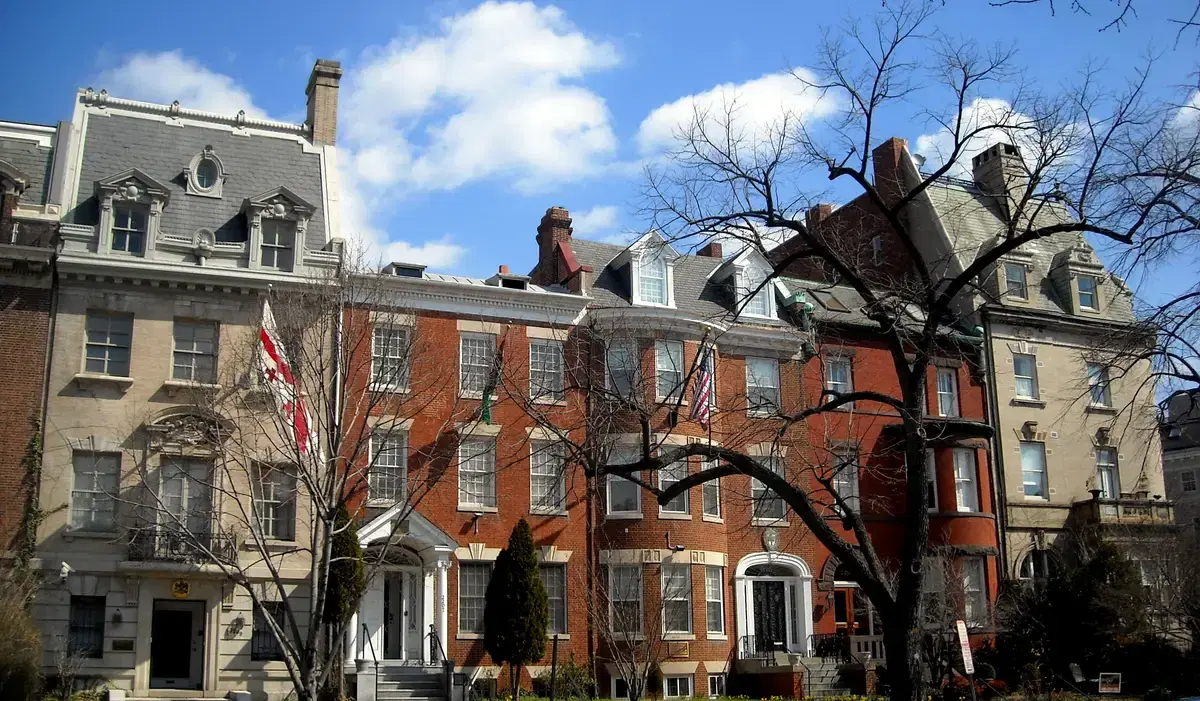
Gilded Age mansions with embassy flags flying along Massachusetts Avenue NW, Washington, D.C.

Photo: AgnosticPreachersKid, CC BY-SA 3.0

Embassy Row

Massachusetts Avenue's Gilded Age mansions carry the flags of half the world — the grandest walk in Washington starts at the circle.

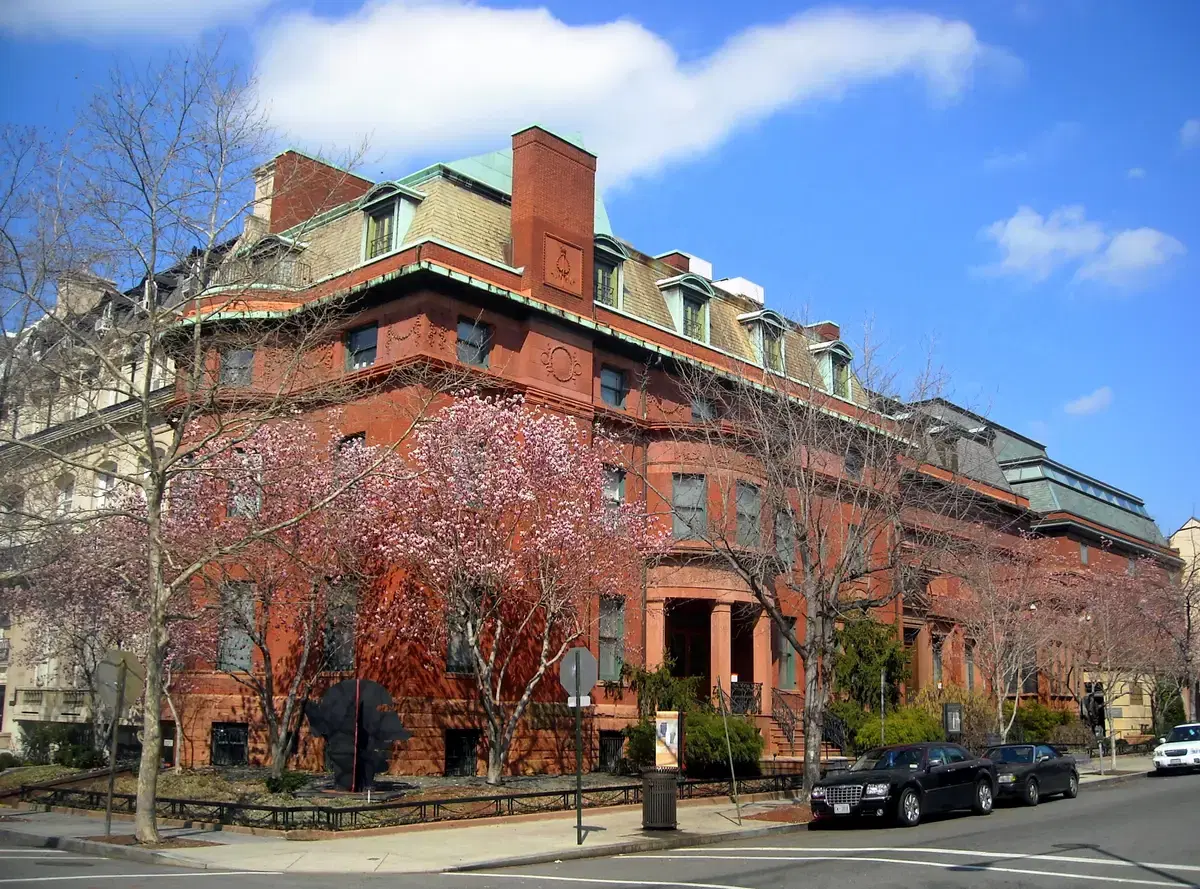
The Phillips Collection's brick corner with magnolias in bloom, Washington, D.C.

Photo: AgnosticPreachersKid, CC BY-SA 3.0

The Phillips Collection

America's first museum of modern art, at home in a Kalorama rowhouse since 1921 — the Rothko Room and Renoir's Luncheon of the Boating Party included.

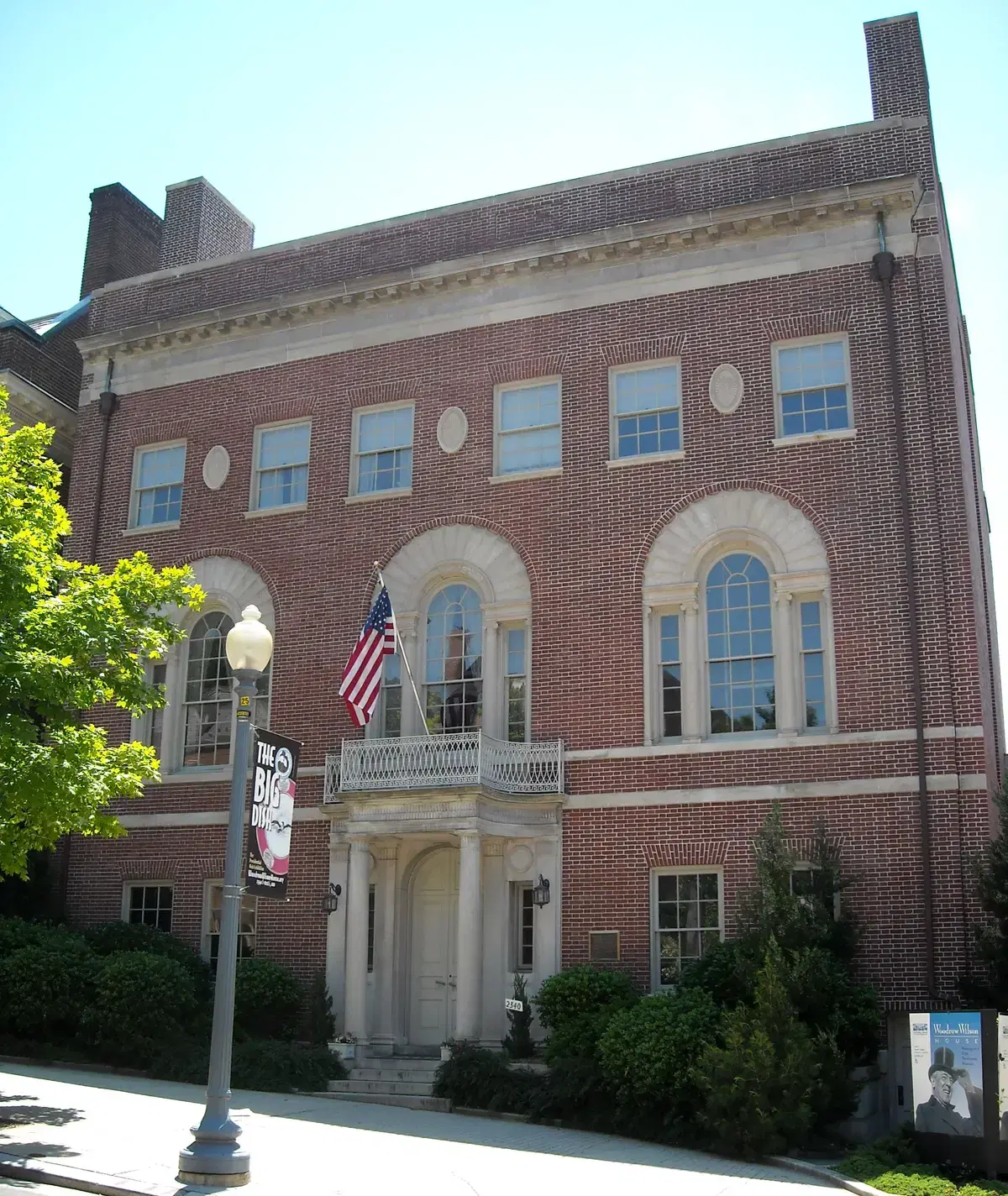
The Woodrow Wilson House on S Street NW with the U.S. flag over its entrance, in Sheridan-Kalorama, Washington, D.C.

Photo: AgnosticPreachersKid, CC BY-SA 3.0

Kalorama

The city's quietest famous neighborhood — the Wilsons retired here, the Obamas stayed, and the streets still feel like a secret.

Who's moving in: first-condo buyers starting on the co-op ladder, and buyers who decided the address they loved at twenty-five is the one they'll own at forty.

Getting around

Car, train, bus, or bike — how Dupont moves.

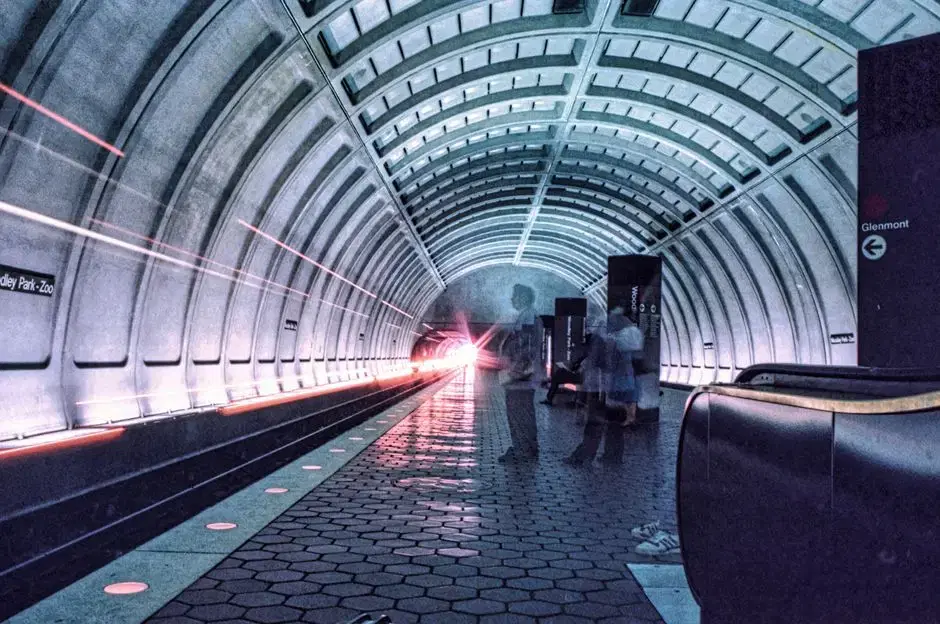
DC Metro platform (Woodley Park) long exposure with train light trails and Glenmont sign
Metro
Dupont Circle (Red) — the Q Street escalator canyon is the neighborhood's front door.
US city bus crossing a downtown intersection at twilight, American flag visible
Bus
Connecticut and Massachusetts Avenue corridors, with 16th Street's frequent service one block east.
Pennsylvania Ave protected bike lanes leading straight to the US Capitol
Bike
The 15th Street protected lane and Rock Creek's trails bracket the neighborhood.
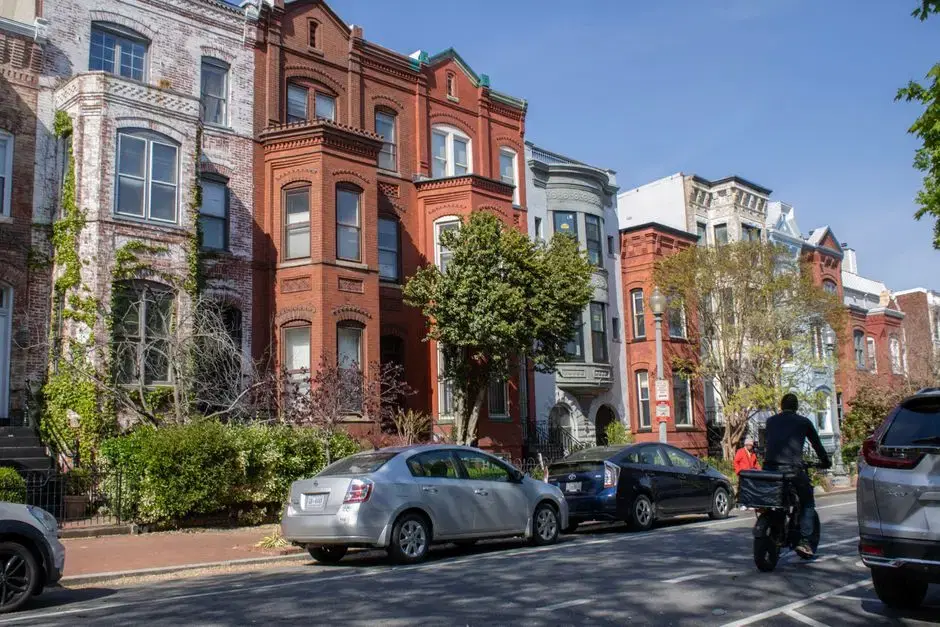
DC brick rowhouses with cars parallel-parked at the curb, sunny day, DC plates
Parking
Heavily permit-zoned and genuinely tight — visitors get the two-hour limit. Many rowhouses keep a pad off the rear alley, and the buildings sell or rent garage spaces.

Daily life

Living in Dupont, day to day.

Schools, suppers, parks, and errands — the practical texture of the neighborhood, named specifically.

Yellow school bus from behind on a tree-lined street in autumn, no children visible
Schools
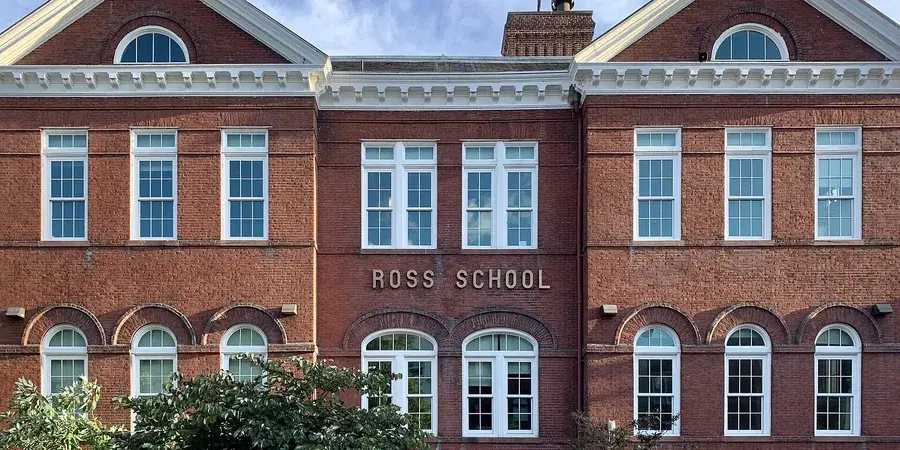
Ross Elementary tucks into the rowhouse blocks, School Without Walls at Francis-Stevens sits just south, and the citywide application highs — Walls, Banneker, Ellington — are a short ride.
Warm dimly lit restaurant interior, diners at candlelit tables under a fringed lamp
Dining & nights out
Anju's Michelin-recognized Korean table, Hank's Oyster Bar, Iron Gate's garden courtyard, and Kramers — the bookstore-café that has anchored Connecticut Avenue since 1976.
Wide green park lawn with picnickers, mature trees, city buildings behind
Parks & recreation
The circle's lawn and chess tables, Mitchell Park up in Kalorama, the S Street dog park, and Rock Creek at the western edge.
Wooden library bookshelves in the foreground with a warm reading room beyond
The library
The West End branch — one of the system's newest — is the closest, with the MLK central library a straight shot south.
Shopper reaching for produce in a warmly lit grocery produce aisle, face in profile
Groceries
Safeway on 17th, Whole Foods on P at the Logan edge, and the Sunday FreshFarm market by the Metro — one of the best in the city.
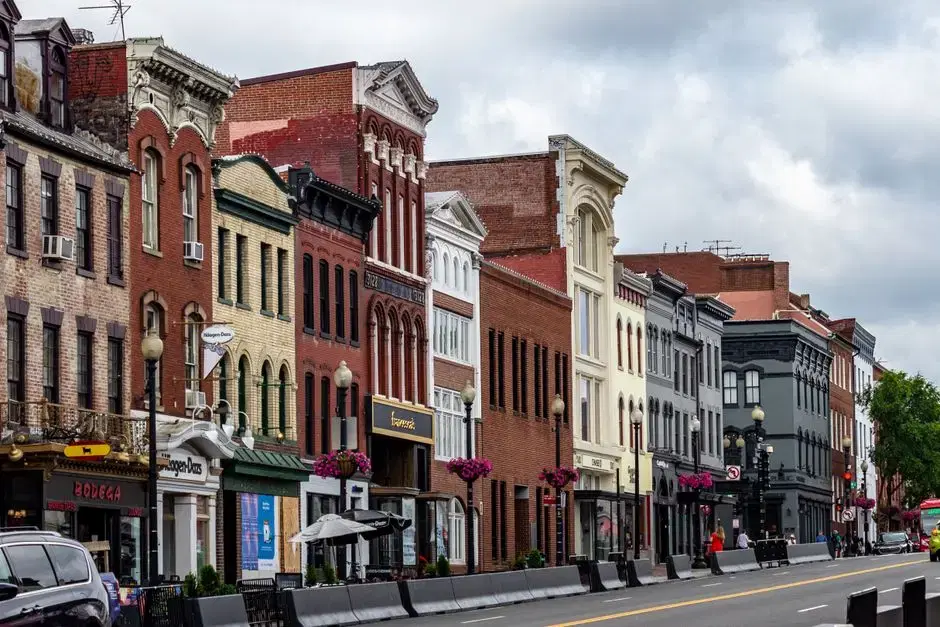
Georgetown M Street NW brick storefront row with flower baskets and pedestrians
On foot
Among the most walkable addresses in America — three restaurant corridors, the Metro, and two grocery runs inside fifteen minutes on foot.

Wherever you are

Start from where you actually are.

Buying takes most first-time DC buyers the better part of a year. The useful next step depends on which part you're in.

  1. 01 · Still running numbers

    What can we actually afford?

    Start with the payment, not the price. DC property tax, insurance and any condo fee move it more than buyers expect — and the condo fee counts against your ratios in full.

    See what you can afford
  2. 02 · Saving up

    How do we get to the down payment?

    What you actually need down at Dupont prices is usually less than people assume, and the property type moves it as much as the program does.

    See what you'd need
  3. 03 · Writing offers

    We need to look credible.

    DC listing agents expect a pre-approval attached to the offer. Ninety seconds, no credit pull to start.

    Get pre-qualified

You asked

Co-op or condo — what am I actually buying?

Half the listings around Dupont are co-ops. How is that different from a condo?
With a condo you own real property and finance it with a mortgage. With a co-op — and Dupont and Kalorama hold some of the city's grandest — you buy shares in the corporation that owns the building, finance them with a share loan that only some lenders offer, and pass the co-op board's own approval. Monthly fees often include property taxes and the building's underlying mortgage, so compare all-in payments rather than list prices. We'll tell you which one a listing is, and what that means, before you write the offer.
Will a Dupont or Kalorama house mean a jumbo loan?
The freestanding mansions and big Kalorama houses, usually yes. But DC's 2026 conforming ceiling is $1,249,125 — far above the $832,750 national baseline — so a large share of rowhouse and condo purchases here still finance as conventional or high-balance conventional. Where the loan crosses the ceiling, jumbo programs apply, with larger down payments and reserve requirements, and we shop those across our lender network.
Does the historic district change what I can do with the house?
The Dupont Circle and Sheridan-Kalorama historic districts put exterior changes through design review — windows, additions, anything visible from the street. Lenders don't price that, but a renovation loan's schedule has to respect it, so we build review timelines into the plan when the project touches the outside.
Can rental income from an English basement count toward qualifying?
Yes, when the unit is legal — certificate of occupancy and DC rental licensing. Dupont's rowhouses carry basement units constantly, and documented market rent can factor into qualifying income on conventional and FHA loans. In this price band that income is often what turns a stretch into a comfortable approval.
Do any DC assistance programs work at Dupont prices?
Honestly, rarely — the recordation and Tax Abatement price caps sit below nearly every sale here, and HPAP's assistance doesn't stretch this far. DC Open Doors is the one to check: it has no maximum sales price, just a borrower income cap and a first trust within the conforming ceiling, and some condo purchases here fit. For most buyers the lever is loan structure, not subsidy.
What's the fastest way to size up a building before falling for a unit?
Ask us to pull the building's financing profile before your second visit. For condos we check warrantability signals — owner-occupancy, reserves, insurance, any litigation or special assessments. For co-ops we look at the underlying mortgage and what the board requires of buyers. Ten minutes of homework up front beats discovering a problem in week three of a contract.

Local expertise

Grand old buildings, fluent financing.

Dupont's purchases run on three specialties: co-op share loans, the jumbo line drawn correctly, and basements that pay rent.

Co-ops, fluently

Dupont and Kalorama hold some of DC's great co-op houses. Share loans, board packages, underlying mortgages — we speak the dialect and know which lenders do too.

The jumbo line, drawn correctly

DC's conforming ceiling is $1,249,125 — far above the national baseline. Plenty of purchases here stay high-balance conventional; we shop true jumbo only when the loan actually crosses the line.

Basements that pay rent

A legal English basement's market rent can count toward qualifying income — in this price band, often the difference between stretching and comfortable.

Ready for the address?

Condo, co-op, or the whole rowhouse — tell us the listing and your numbers, and we'll map the loan that fits.