The restored facade of the Howard Theatre at 620 T Street NW in Shaw, Washington, D.C., with the U.S. and DC flags flying above the marquee.

Photo: Ron Cogswell, CC BY 2.0

Shaw & U Street, Washington DC

Financing where DC comes out.

Victorian rowhouses, conversion condos, and the corridor from Blagden Alley to the Howard — what it takes to buy into Shaw and U Street.

What it costs here
$1.3M
Median house price · 143 sales
$705
Median per square foot
+72%
Renovated over dated

Recorded arm’s-length sales from the District’s assessment records, through 2026-08-12. Not an appraisal or a valuation of any particular home. Compare every DC neighborhood

Why here

Ben's, Blagden Alley, and Black Broadway.

Shaw runs on history you can eat, hear, and walk through — this was the center of Black Washington's golden age, and it's the center of gravity again.

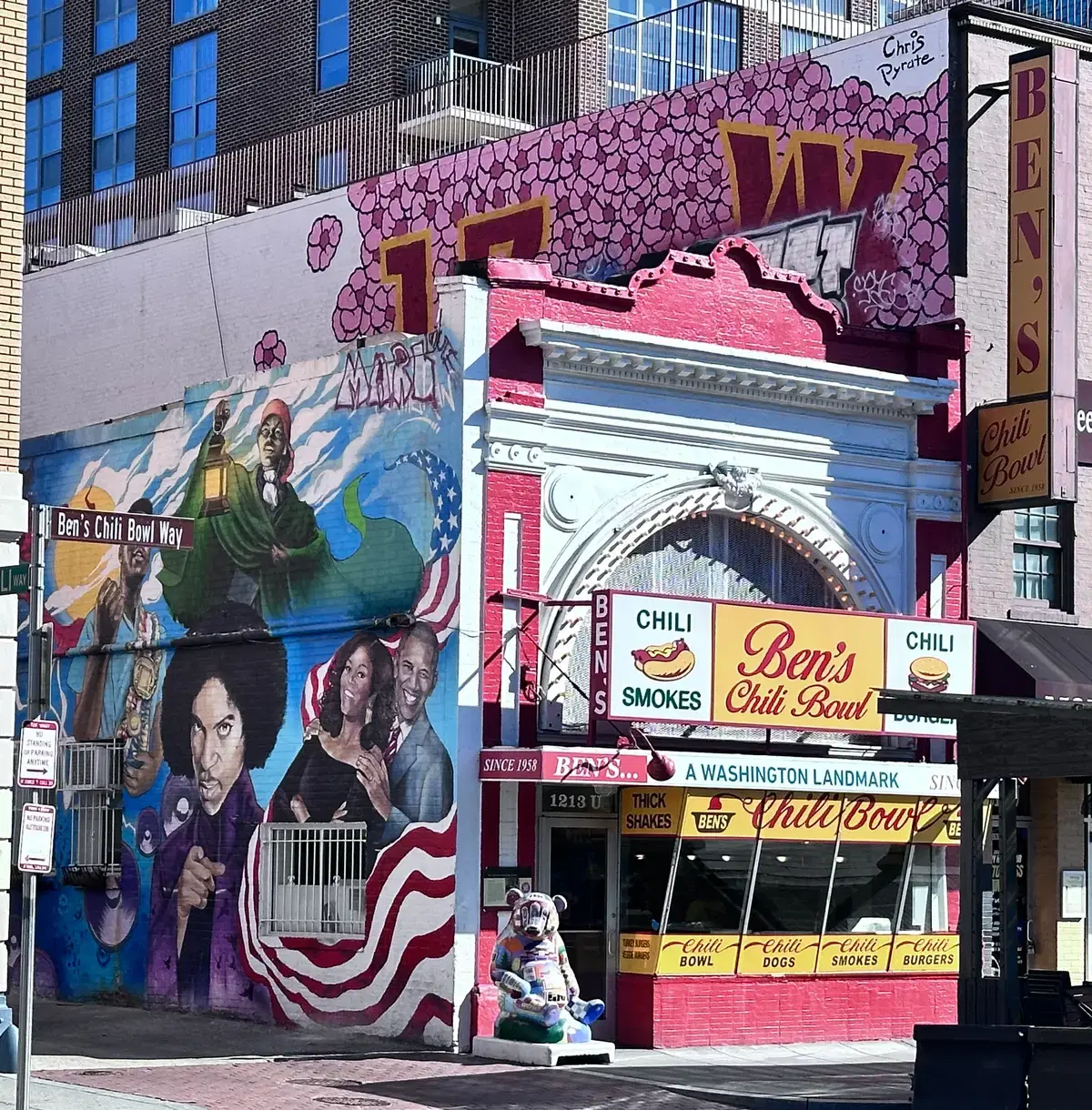
Daytime storefront of Ben's Chili Bowl on U Street with the adjacent mural (Obamas, Prince) and Ben's Chili Bowl Way street sign

Photo: APK, CC BY 4.0

Ben's Chili Bowl

The half-smoke has anchored U Street since 1958, and the line out the door is still part of the ritual. Everything around it changed; Ben's didn't have to.

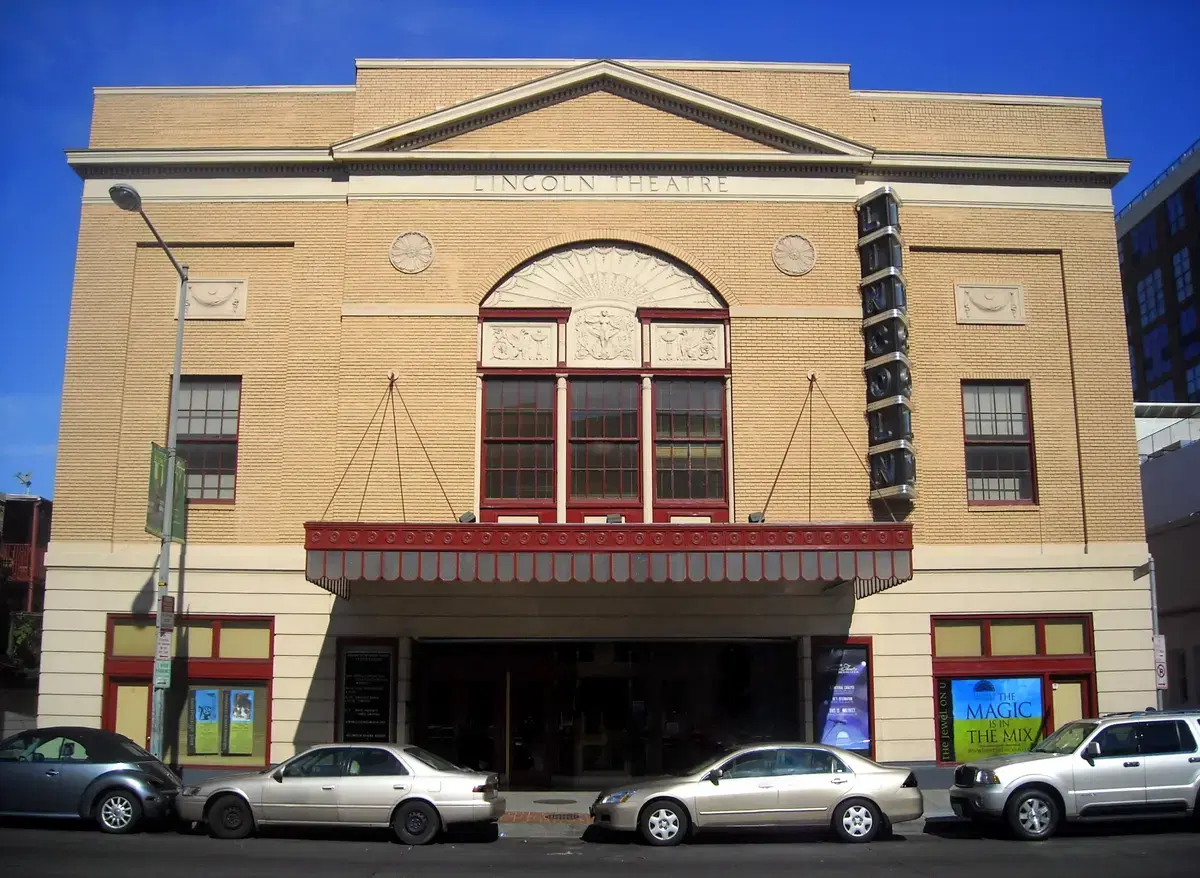
Full frontal facade of the Lincoln Theatre on U Street, blue sky, vertical LINCOLN marquee sign

Photo: AgnosticPreachersKid, CC BY-SA 3.0

The Howard & the Lincoln

Black Broadway's two great stages headlined Ellington and Fitzgerald — and both are lit again. That history is the neighborhood's spine.

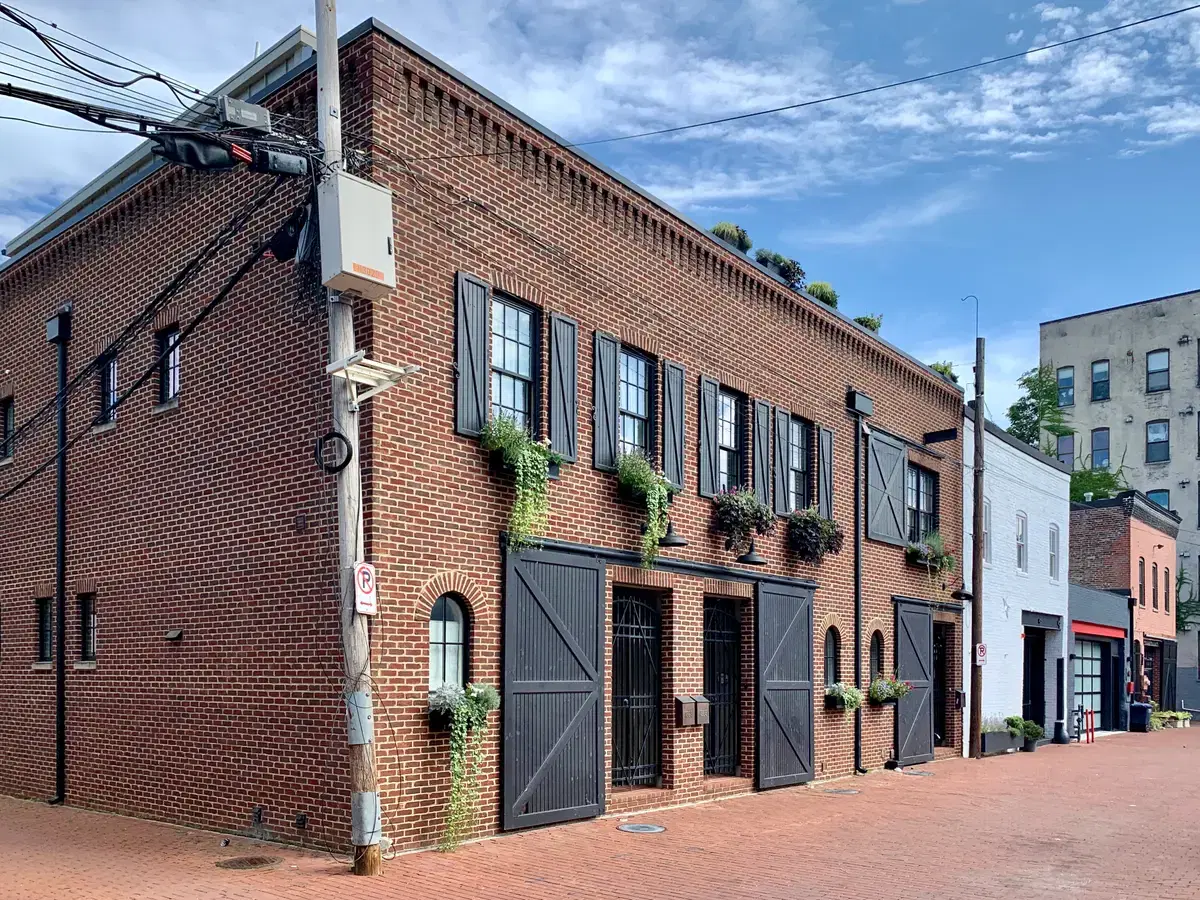
A restored brick carriage house with black shutters and window boxes in Blagden Alley, Washington, D.C.

Photo: APK, CC BY-SA 4.0

Blagden Alley

Michelin-starred kitchens and specialty coffee tucked into a cobblestone alley of converted carriage houses. The best food block in the city hides mid-block.

A concert crowd under stage lights and smoke at an indoor music club.

The 9:30 Club

One of the country's storied live-music rooms, on V Street since 1980 — small enough that every show feels close, big enough that everyone plays it.

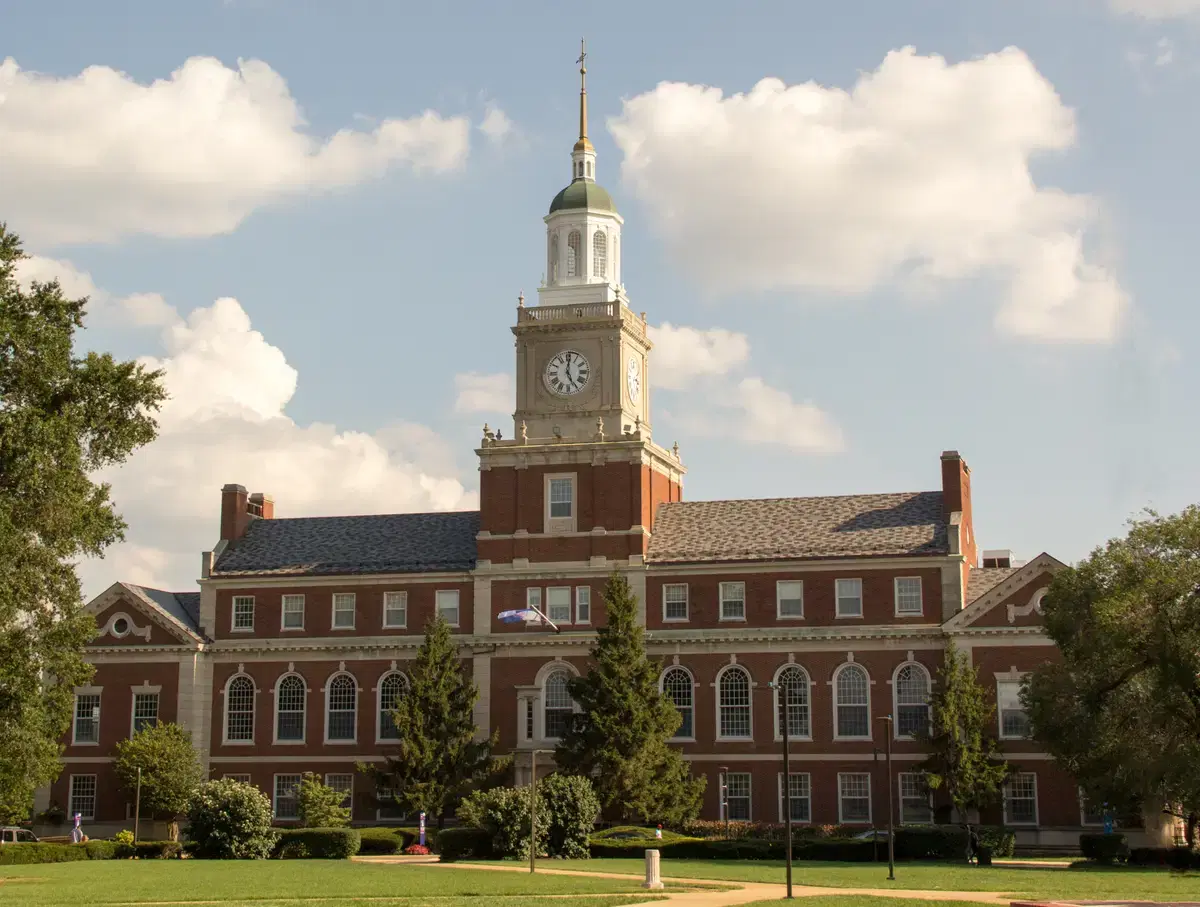
The clock tower of Founders Library at Howard University at golden hour, Washington, D.C.

Photo: Derek E. Morton, CC BY-SA 4.0

Howard University

The Mecca — more than 150 years on the hilltop, a homecoming that takes over the whole quarter, and the energy that keeps Shaw young and ambitious.

A moody, dimly lit cocktail bar rail lined with bottles and a finished cocktail.

After dark

Speakeasy cocktails at The Gibson, rooftop rounds at El Techo and Takoda, and the dance floor at Flash — Shaw runs later than anywhere in the city.

Who's moving in: first-condo singles and couples along the U Street and 7th Street corridors, alongside rowhouse buyers who want the whole city within walking distance.

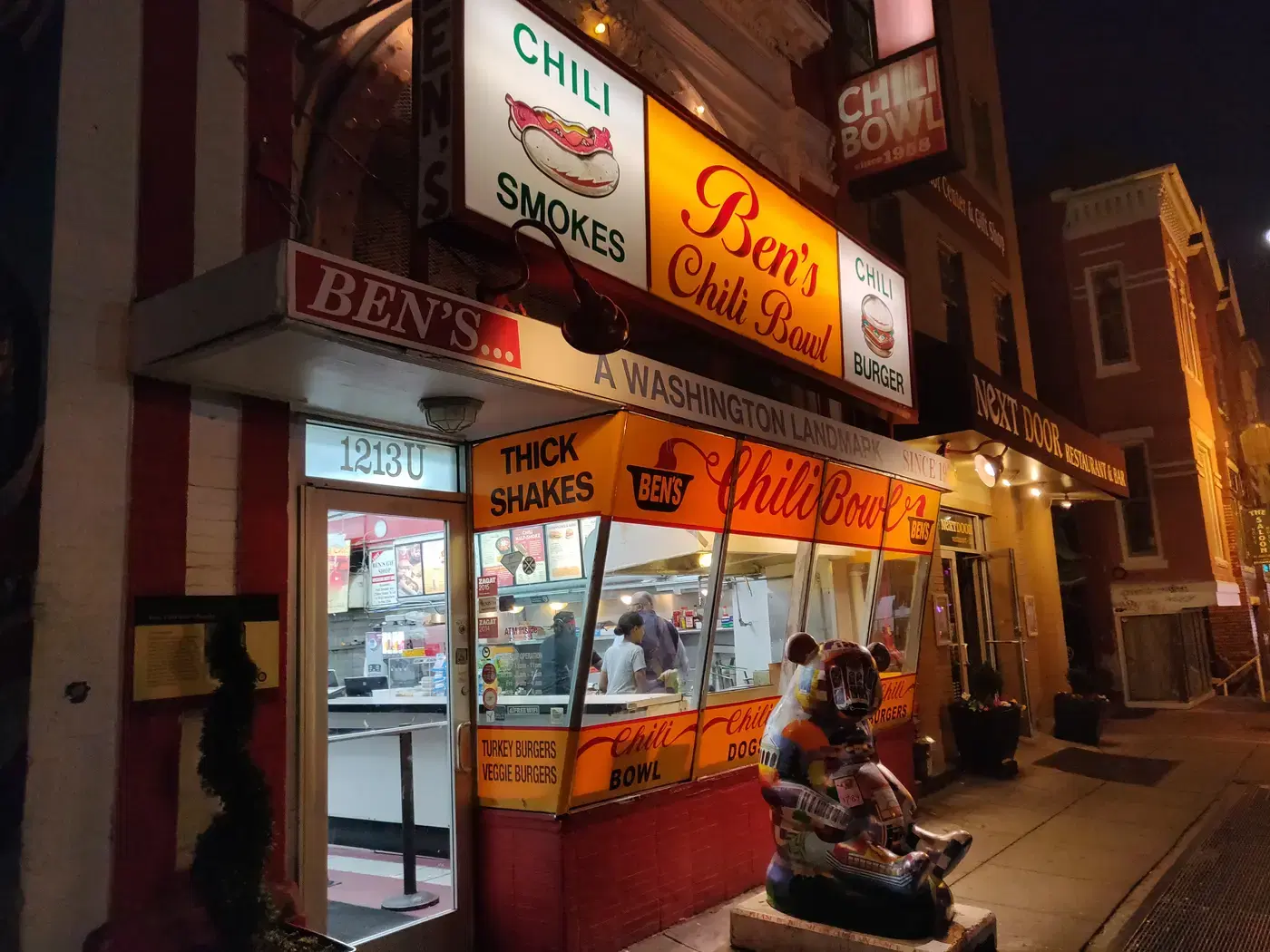
The neon signs of Ben's Chili Bowl glowing at night at 1213 U Street NW, Washington, D.C.
Ben's Chili Bowl on U Street — serving the half-smoke since 1958.

Getting around

Car, train, bus, or bike — how Shaw moves.

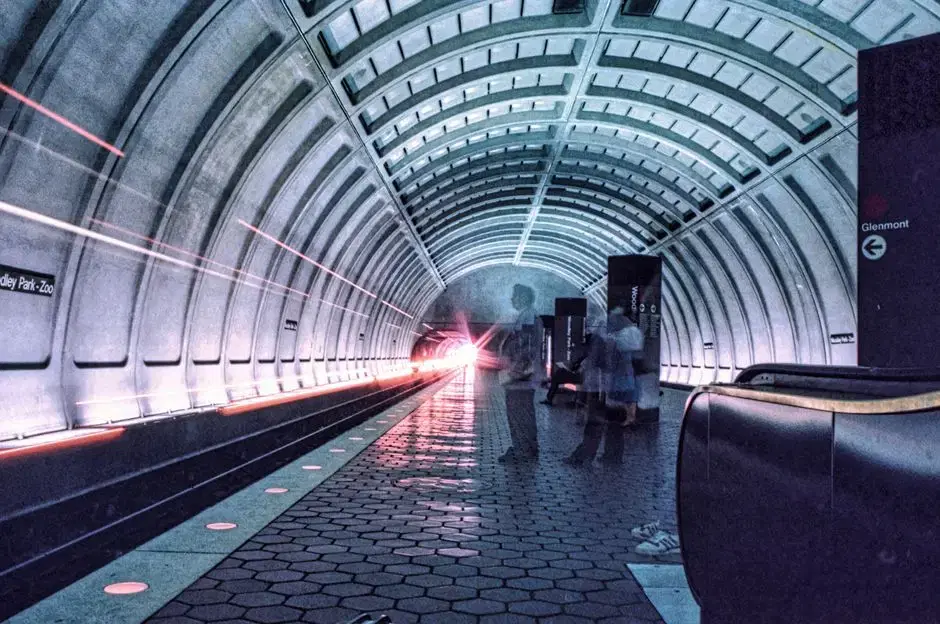
DC Metro platform (Woodley Park) long exposure with train light trails and Glenmont sign
Metro
Shaw–Howard U and U Street stations — both Green and Yellow Line — bracket the neighborhood; most blocks are within a ten-minute walk of one.
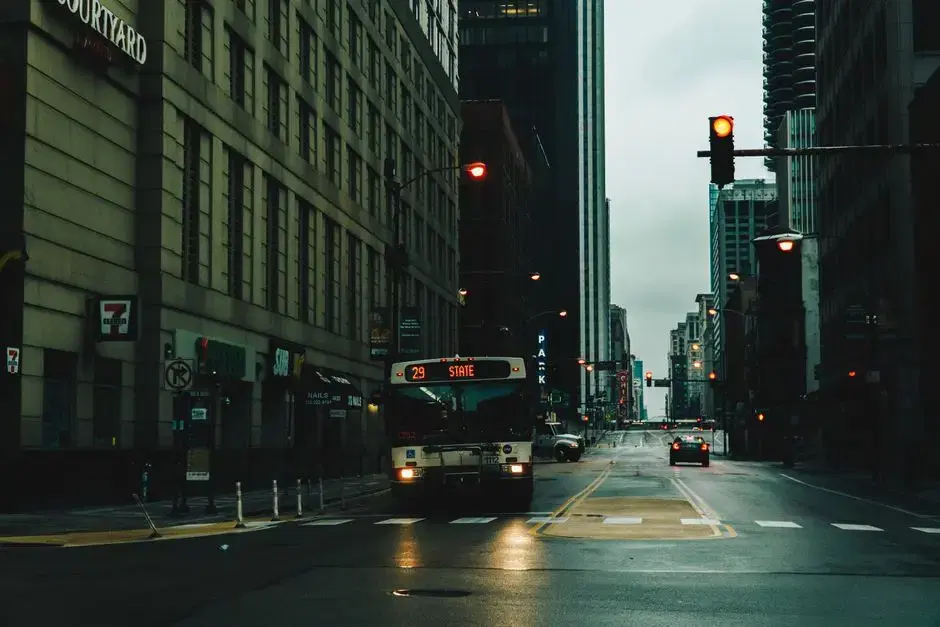
Moody rainy-day US downtown street with route-29 city bus approaching
Bus
Frequent Metrobus corridors on 7th Street–Georgia Avenue, U Street, and 14th Street run around the clock.
Two cyclists on a shaded paved trail through lush green trees
Bike
Capital Bikeshare docks on nearly every commercial corner, with the 15th Street protected lane a few blocks west.
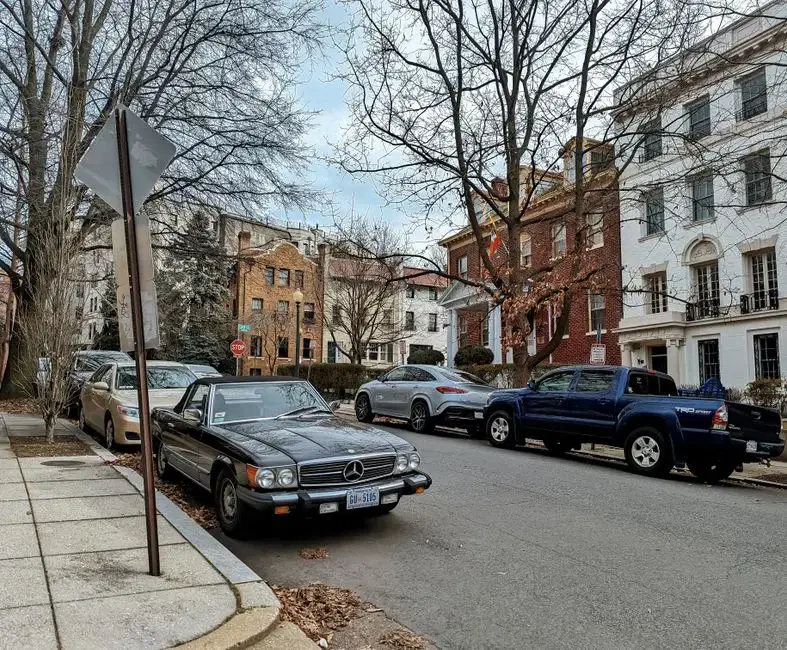
Quiet DC residential street in winter, classic Mercedes and trucks parked, DC plate visible
Parking
Nearly every block is zoned residential permit parking — a DC DMV permit for your zone covers you, everyone else faces the two-hour limit, and blocks still fill nightly. Many rowhouses keep a parking pad off the alley; newer condo buildings sell garage spaces separately.

Daily life

Living in Shaw, day to day.

Schools, suppers, parks, and errands — the practical texture of the neighborhood, named specifically.

Classic yellow school bus in side profile against brick and stone city buildings
Schools
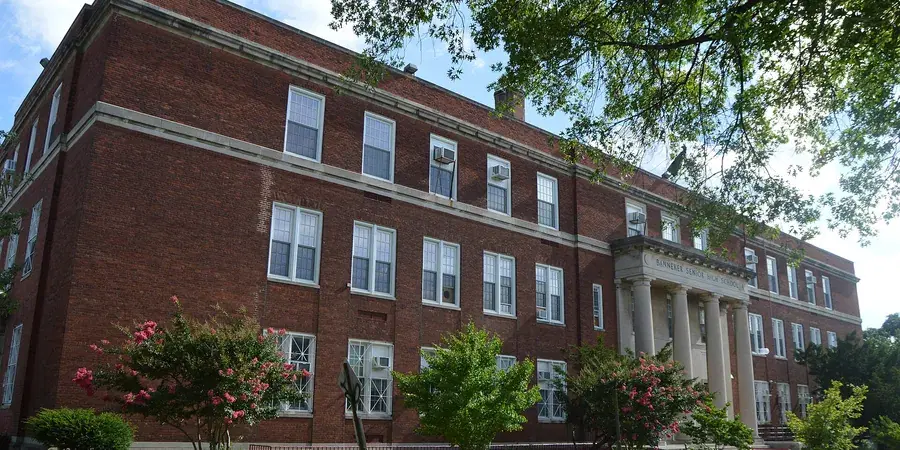
Benjamin Banneker Academic High — a four-time National Blue Ribbon School, most recently 2023 — sits at the Howard campus edge, application-based and open citywide. Seaton and Cleveland elementaries feed Cardozo EC, and Dunbar High in neighboring Truxton Circle is the nation's first public high school for Black students.
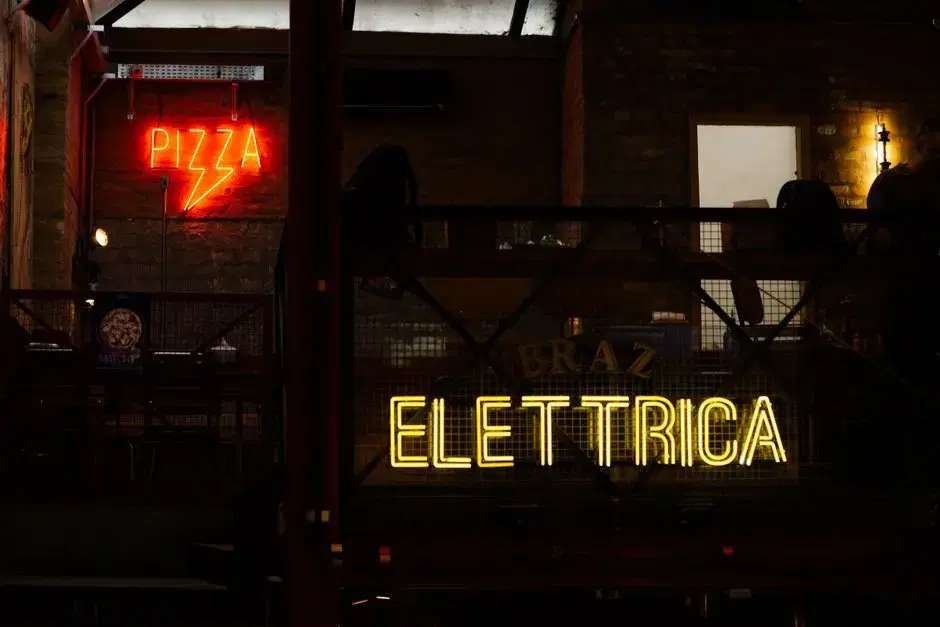
Red PIZZA neon and yellow neon signage in a moody industrial pizza bar at night
Dining & nights out
Right Proper's brewpub, Dacha's beer garden, and Blagden Alley's tasting rooms by day — then The Gibson's speakeasy list, El Techo's rooftop, and Flash's dance floor after dark.
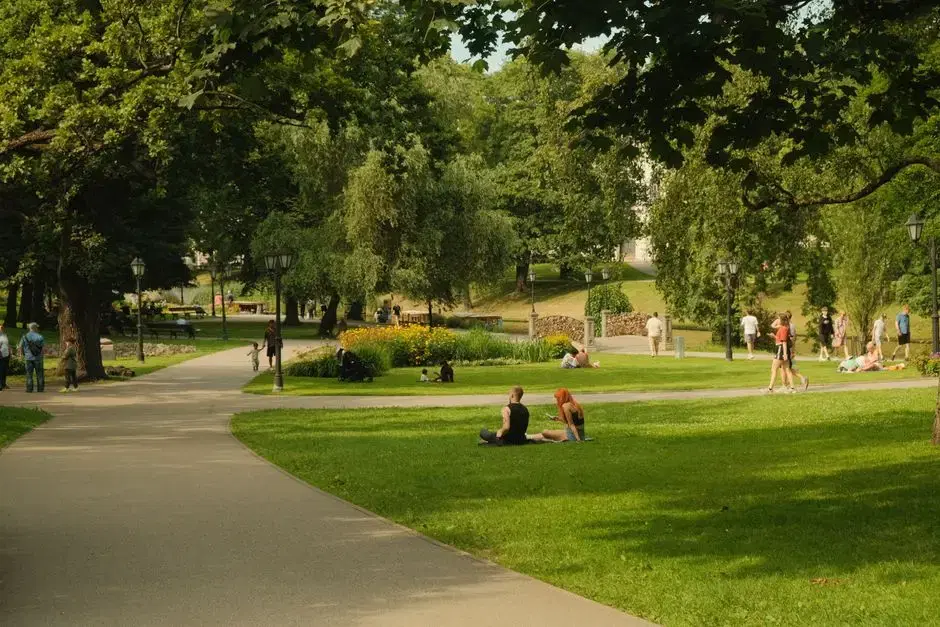
Leafy city park with winding path, flower beds, and people relaxing on the lawn
Parks & recreation
The rebuilt Kennedy Recreation Center carries courts, fields, and the pool; Meridian Hill Park is a ten-minute walk up the hill.
Bright library reading room with wall of bookshelves, light-wood study tables and lounge seating
The library
The Watha T. Daniel/Shaw branch — the glass wedge at 7th and Rhode Island — anchors the neighborhood's civic corner.
Colorful stocked produce wall: lettuce, radishes, beets, herbs with price tags
Groceries
The Giant at City Market at O, Whole Foods on Florida Avenue, and Trader Joe's on 14th — three full-size groceries walkable from most blocks.
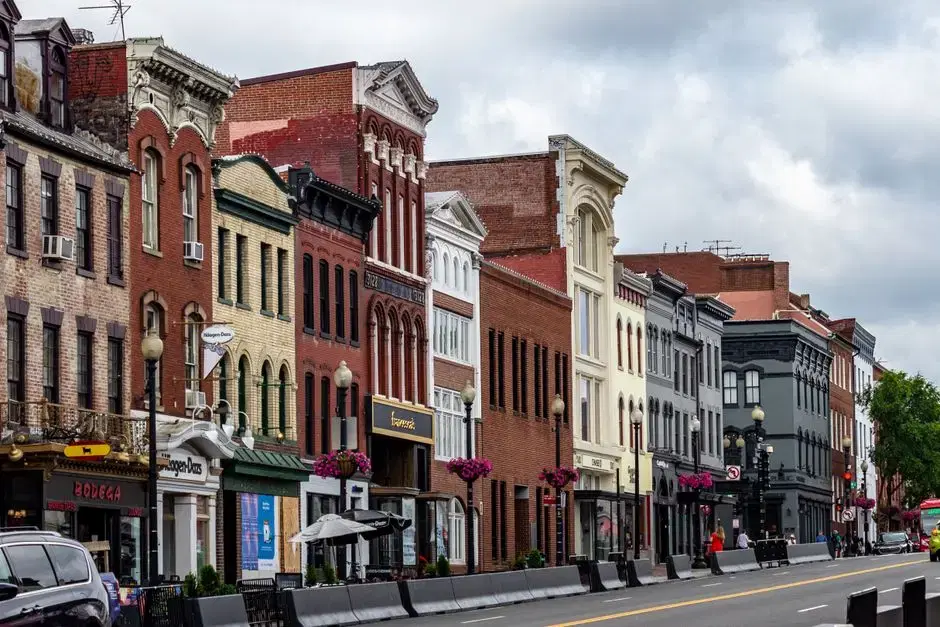
Georgetown M Street NW brick storefront row with flower baskets and pedestrians
On foot
Among the most walkable quarters in the city: Metro, groceries, and three entertainment corridors all inside a fifteen-minute radius, no car required.

Wherever you are

Start from where you actually are.

Buying takes most first-time DC buyers the better part of a year. The useful next step depends on which part you're in.

  1. 01 · Still running numbers

    What can we actually afford?

    Start with the payment, not the price. DC property tax, insurance and any condo fee move it more than buyers expect — and the condo fee counts against your ratios in full.

    See what you can afford
  2. 02 · Saving up

    How do we get to the down payment?

    What you actually need down at Shaw prices is usually less than people assume, and the property type moves it as much as the program does.

    See what you'd need
  3. 03 · Writing offers

    We need to look credible.

    DC listing agents expect a pre-approval attached to the offer. Ninety seconds, no credit pull to start.

    Get pre-qualified

You asked

Does a converted rowhouse condo finance differently?

Most Shaw condos are in converted rowhouses — does that change the loan?
Often, yes. A two- or four-unit conversion is a tiny condo association, frequently self-managed, and lenders review the association as well as you: its budget, insurance, and reserves. Small buildings can qualify for streamlined review, but a conversion with thin reserves or a pending special assessment can fall outside standard guidelines. We look at the association documents early — before you're three weeks into a contract — and match the building to a lender who'll approve it.
Will a Shaw rowhouse push me into a jumbo loan?
Usually not, and this surprises people. DC is a designated high-cost area, so the 2026 conforming ceiling here is $1,249,125 — well above the $832,750 national baseline. A loan between those two figures is high-balance conventional, priced close to standard conforming, with none of jumbo's stiffer down-payment, credit, and reserve requirements. Most Shaw and U Street rowhouse purchases finance below the ceiling.
Can rental income from an English basement help me qualify?
It can. Many Shaw and U Street rowhouses carry a legal basement unit, and on a purchase, market rent from that unit can be counted toward qualifying income under conventional and FHA guidelines — the appraiser documents market rent as part of the appraisal. The unit generally needs to be a legal rental, so the certificate of occupancy and DC's rental licensing come up early. Done right, the basement is the difference between stretching and qualifying comfortably.
Which DC assistance programs actually work at Shaw prices?
It splits by property type. Condos are where the programs land: many one- and two-bedroom conversions price under the $777,000 cap for the reduced first-time-buyer recordation rate, and some smaller units come in under the Tax Abatement program's $576,000 cap — which waives recordation tax entirely and abates property tax for five years. Full rowhouses generally price past both caps. Every program is income-restricted too, so the honest answer comes from your numbers, not the listing price.
Does buying in a historic district change my financing?
The loan itself works the same — lenders don't price historic districts differently. What changes is the renovation math. Parts of Shaw sit inside designated historic districts (Blagden Alley–Naylor Court, U Street, Shaw), where exterior work needs Historic Preservation Review Board clearance. If you're planning a renovation loan like FHA 203(k) or HomeStyle, the approval timeline belongs in your project schedule, and we build the loan's draw schedule around it.
How do condo fees affect what I can afford here?
Dollar for dollar, the monthly fee counts against your qualifying ratios exactly like the mortgage payment does — $400 in monthly dues carries roughly the same weight as $65,000 to $70,000 of loan amount at current rates. Two Shaw condos at the same price with different fee structures can support meaningfully different loan amounts. It's the first number we check after the price.

Local expertise

Conversion condos and full Victorians.

The same block can hold a $500,000 condo and a $1.3 million rowhouse. The financing questions are completely different.

Two markets in one neighborhood

Condo conversions carved from Victorian rowhouses, and the full rowhouses themselves at roughly twice the price. The condos are where DC's assistance programs still land; the rowhouses are where high-balance lending earns its keep.

Small associations, real underwriting

A two-unit conversion is a condo association of two. Lenders review its budget, insurance, and reserves alongside your file — we read the documents early and match the building to a lender who'll approve it.

The basement pays rent

English basements are everywhere here, and a legal unit's market rent can count toward qualifying income. That extra room in the ratios is often what makes a full rowhouse reachable.

Ready to make Shaw home?

Condo or full Victorian, tell us the address and your numbers — we'll map the loan that fits.