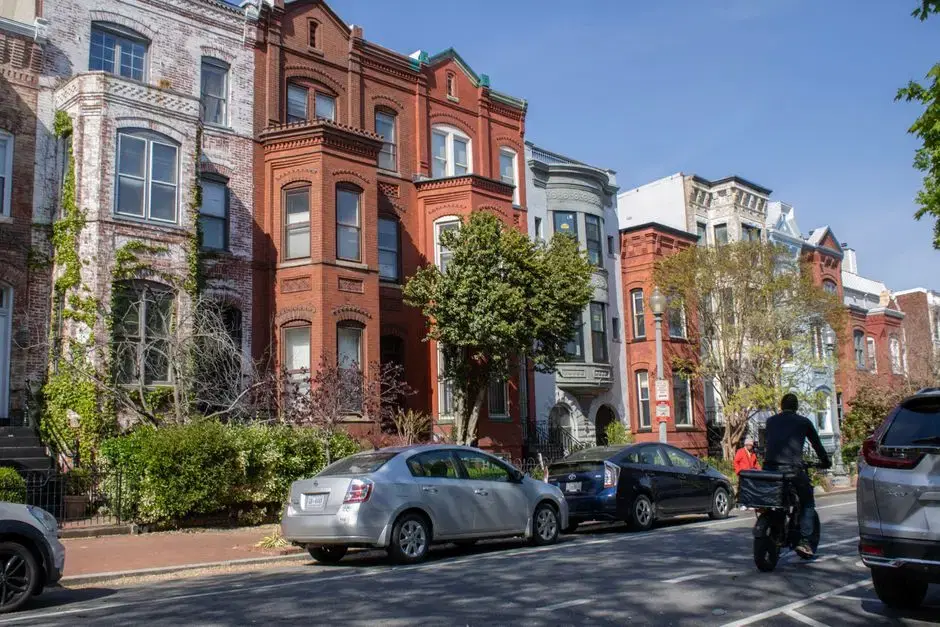
Brick Victorian row houses with a columned portico and crape myrtle in bloom on East Capitol Street, Washington, D.C.

Hill East, Washington DC

Rowhouses east of Lincoln Park.

Capitol Hill's housing stock at a different price, next door to the largest redevelopment site in the city.

What it costs here
$970K
Median house price · 693 sales
$678
Median per square foot
+50%
Renovated over dated

Recorded arm’s-length sales from the District’s assessment records, through 2026-08-12. Not an appraisal or a valuation of any particular home. Compare every DC neighborhood

Why here

Lincoln Park, the river, and RFK's next act.

Hill East is Capitol Hill with breathing room — the same brick Victorians, plus a riverfront, a legendary cemetery dog walk, and the biggest redevelopment site in the city.

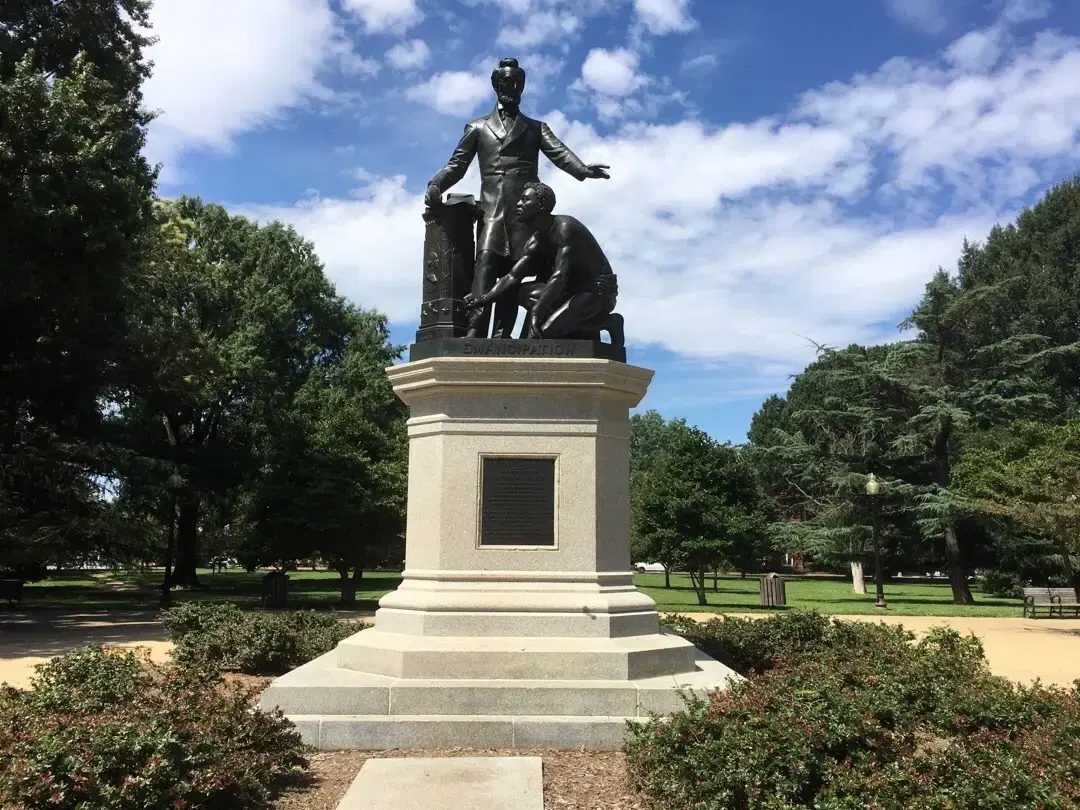
The Emancipation Memorial on its pedestal among the lawns and paths of Lincoln Park, Washington, D.C.

Lincoln Park

The Hill's grandest park is the neighborhood's western porch — playgrounds, dog meetups, and evening laps under the elms.

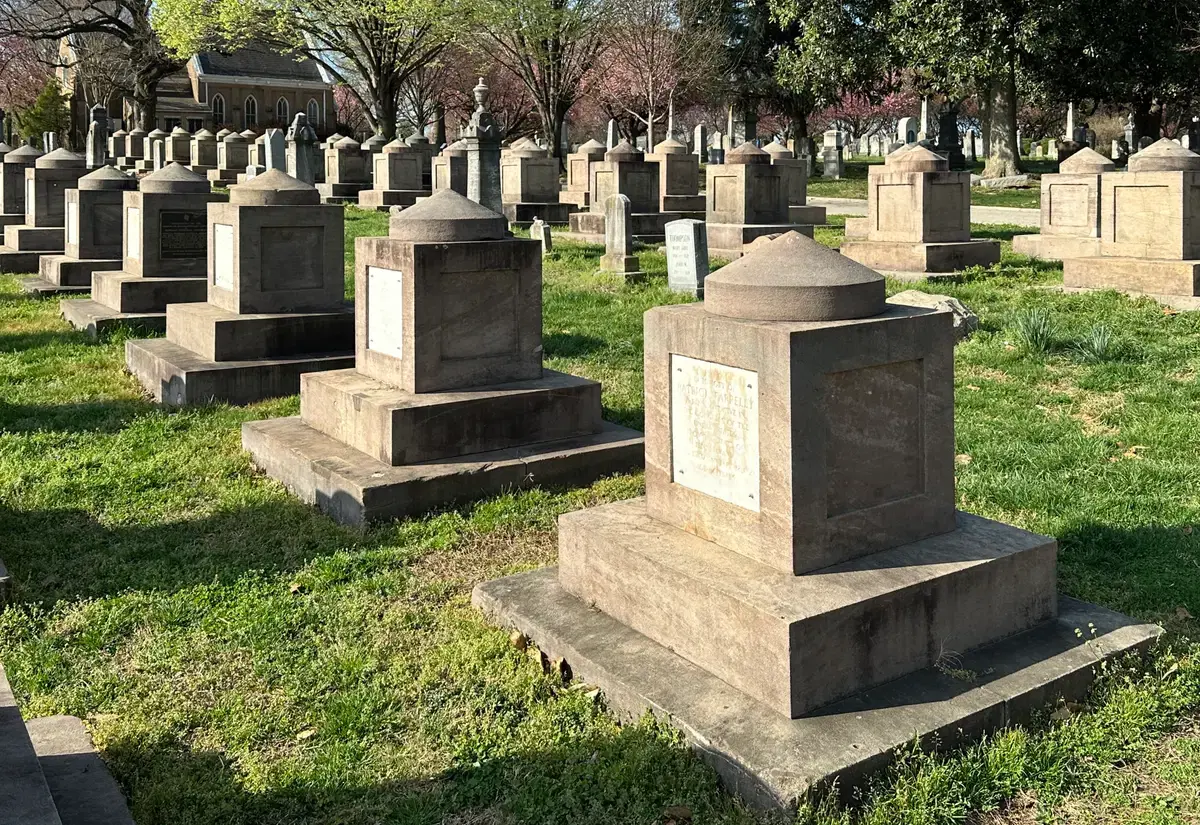
Rows of Latrobe cenotaphs on the green grounds of Congressional Cemetery, with the chapel and spring blossoms behind, Washington, D.C.

Photo: APK, CC BY 4.0

Congressional Cemetery

A historic cemetery that doubles as the city's most exclusive dog park — the K9 walking cooperative has a waitlist, which tells you everything about the neighborhood.

Wood-railed concrete footbridge over a calm river with redbud in bloom, by a DC photographer - matches the Kingman/Heritage Islands footbridges the card describes

The riverfront

The Anacostia River Trail and the wild footbridges of Kingman and Heritage Islands start where the rowhouses stop.

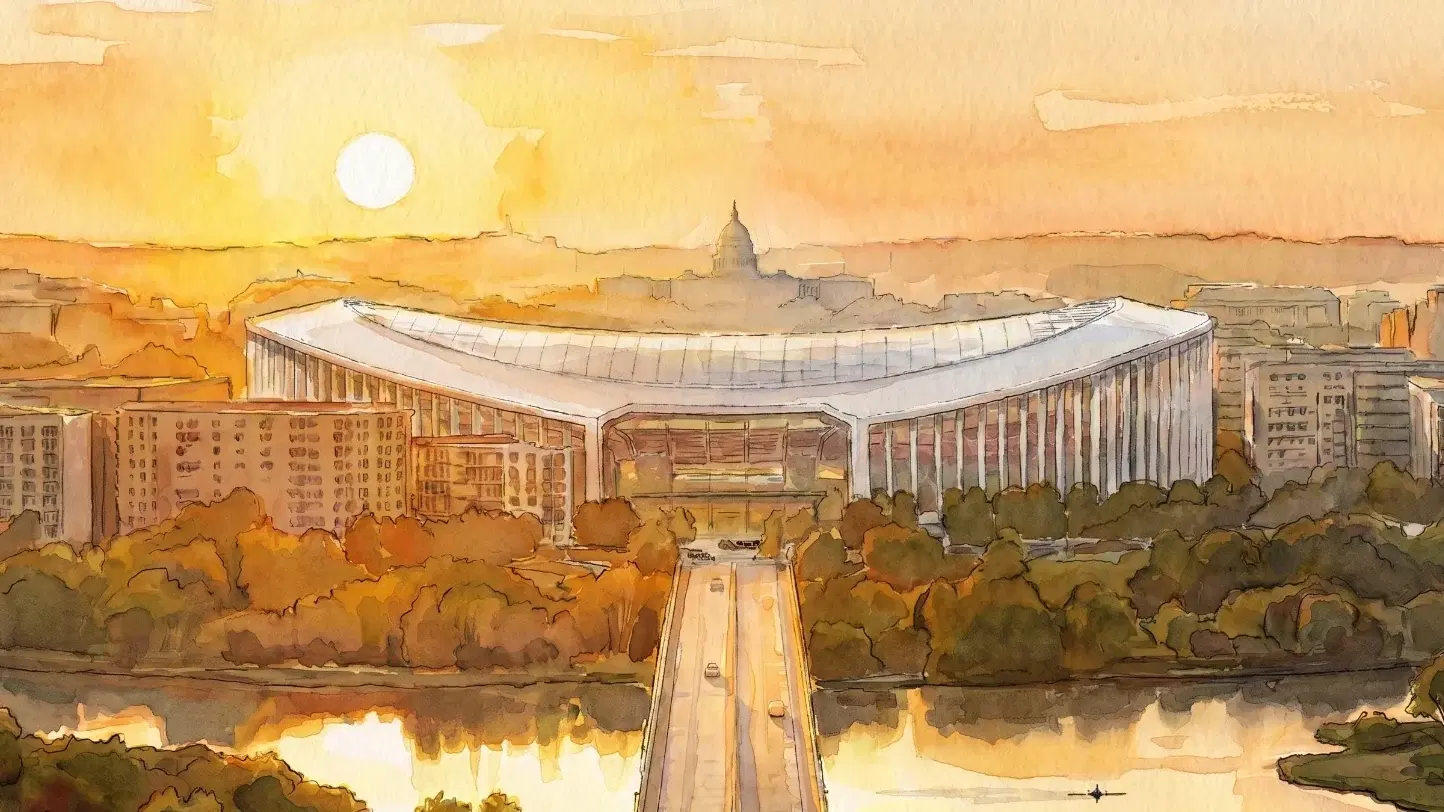
Aerial view of RFK Stadium and the DC Armory, with the Capitol dome and Washington Monument on the horizon, Washington, D.C.

The RFK site

The Fields at RFK already put first-class rec fields next door, and the stadium campus's redevelopment is the biggest thing to happen on this side of the Hill in a generation.

Who's moving in: Hill staffers and growing households sliding a few blocks east for a whole rowhouse — before the RFK plans finish repricing the map.

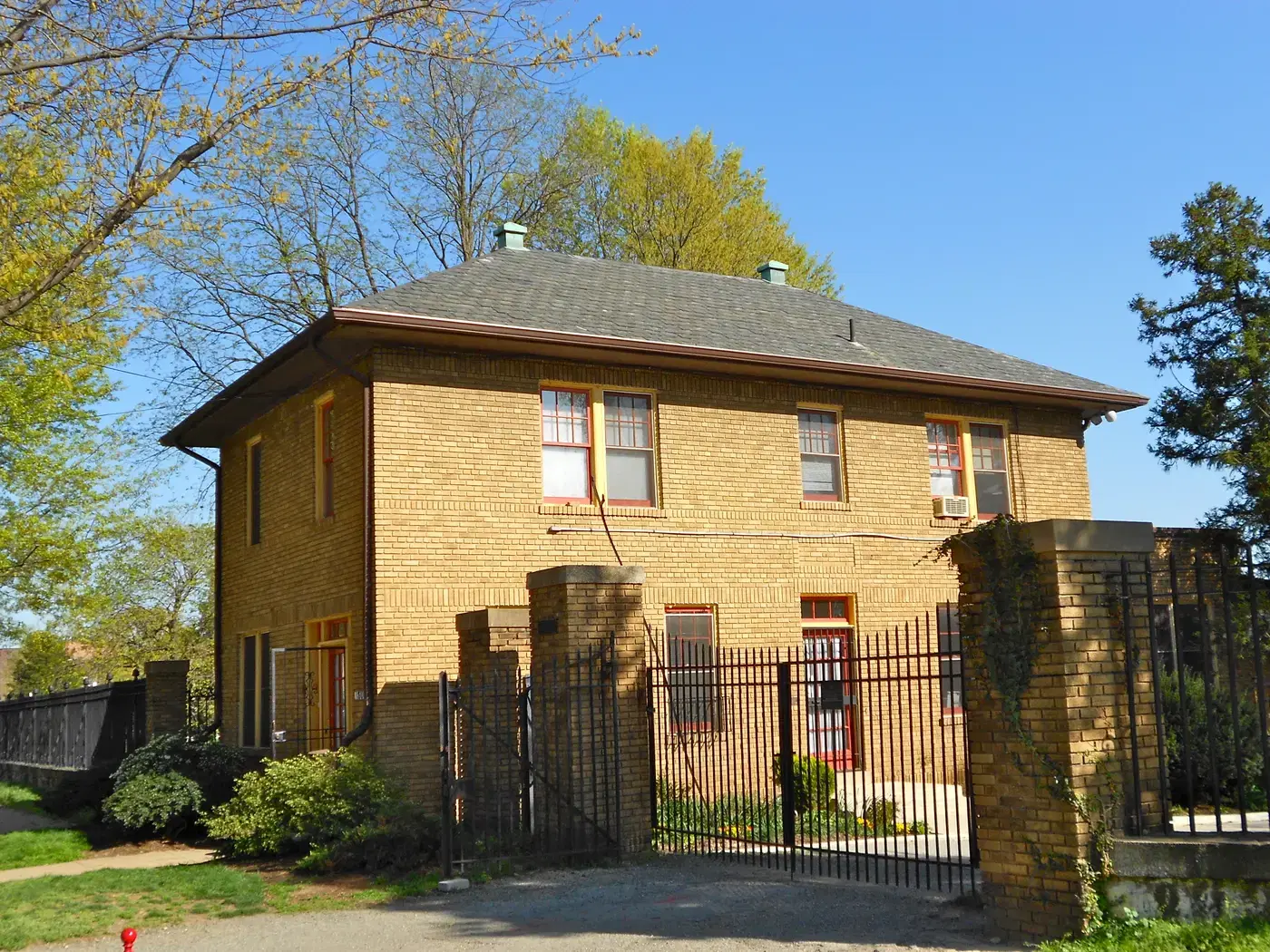
The brick gatehouse at the entrance to Congressional Cemetery on E Street SE, Washington, D.C.
Congressional Cemetery — thirty-five acres of history, and the city's most storied dog walk.

Getting around

Car, train, bus, or bike — how Hill East moves.

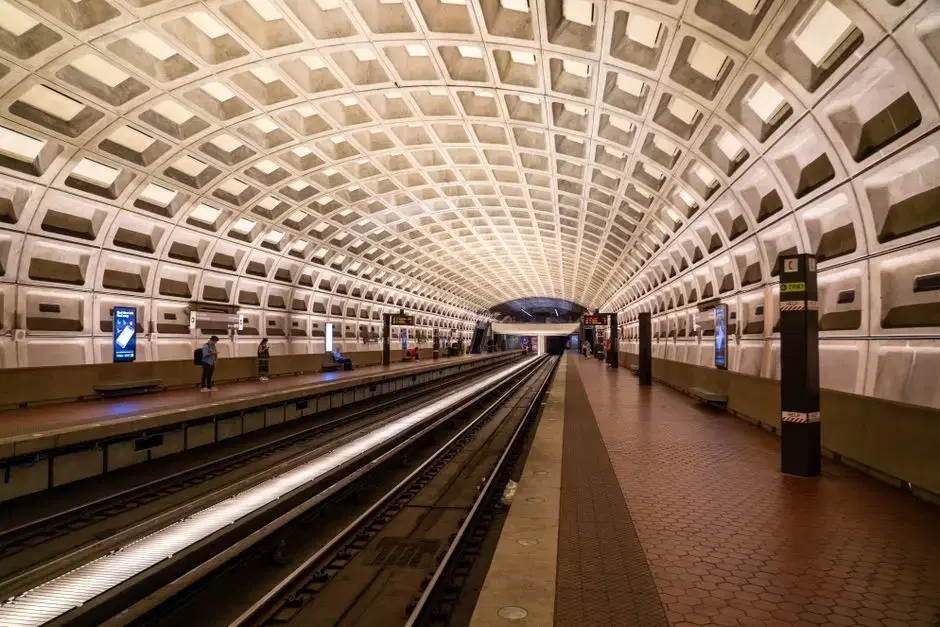
DC Metro platform (Woodley Park) long exposure with train light trails and Glenmont sign
Metro
Stadium–Armory and Potomac Ave — both Blue, Orange, and Silver — put most of Hill East within a ten-minute walk of a station.
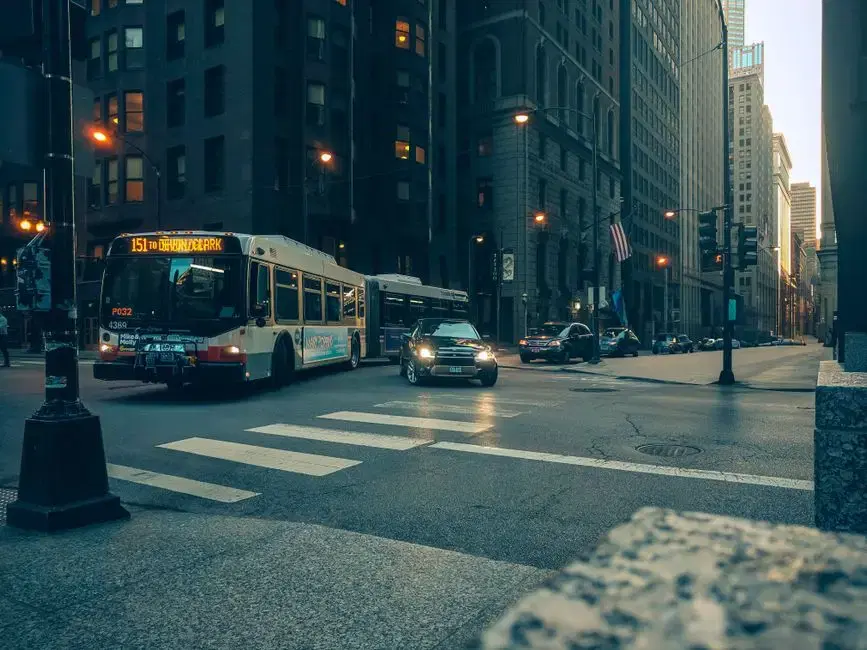
US city bus crossing a downtown intersection at twilight, American flag visible
Bus
Pennsylvania Avenue SE and East Capitol Street corridors run frequent service to the core.
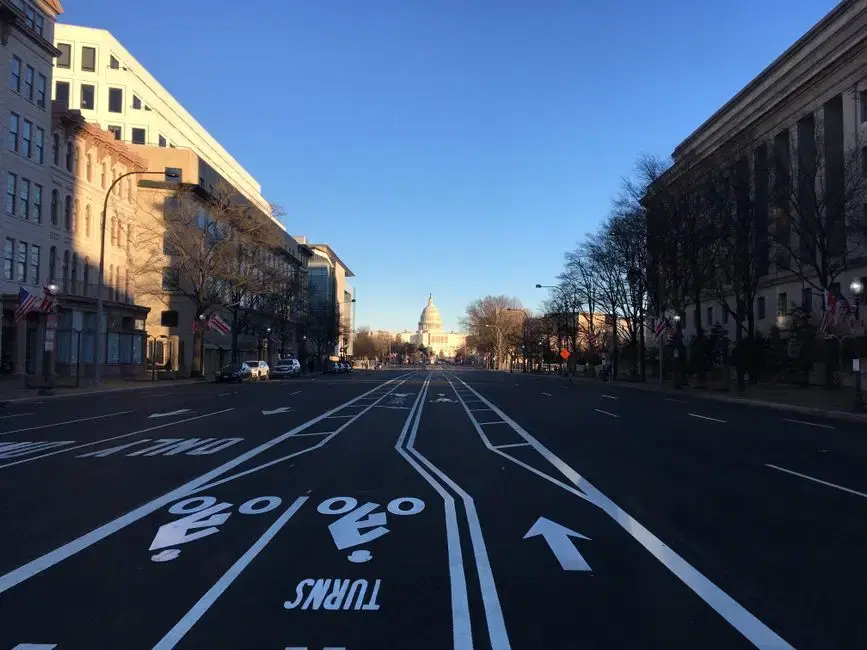
Pennsylvania Ave protected bike lanes leading straight to the US Capitol
Bike & trails
The Anacostia River Trail and the RFK fields start at the neighborhood's edge.
DC brick rowhouses with cars parallel-parked at the curb, sunny day, DC plates
Parking
Permit-zoned like the rest of the Hill, but genuinely manageable — and the alleys behind many squares serve private parking pads and garages.

Daily life

Living in Hill East, day to day.

Schools, suppers, parks, and errands — the practical texture of the neighborhood, named specifically.

Yellow school bus from behind on a tree-lined street in autumn, no children visible
Schools
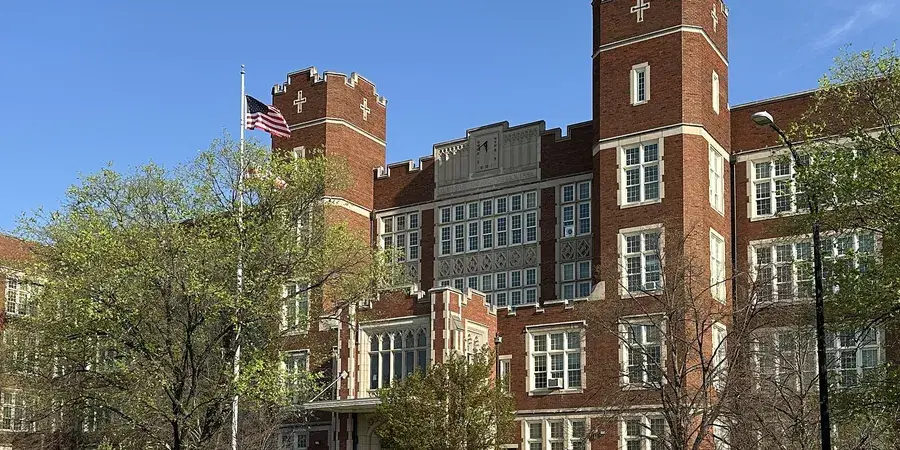
Payne and Maury elementaries feed Eliot-Hine Middle and Eastern High, whose Blue & White Marching Machine is the most celebrated high-school band in the city — Eastern's restored 1923 campus anchors East Capitol Street.
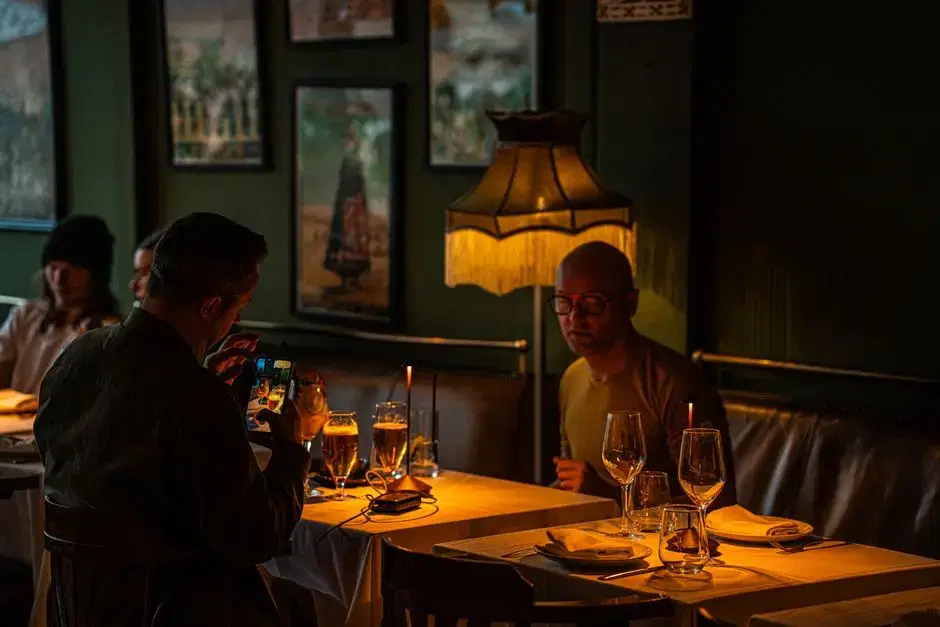
Warm dimly lit restaurant interior, diners at candlelit tables under a fringed lamp
Dining & nights out
The Roost food hall stacks a dozen kitchens on 14th SE, the Pretzel Bakery is a Hill East cult favorite, and Barracks Row and Eastern Market's restaurant rows start a few blocks west.
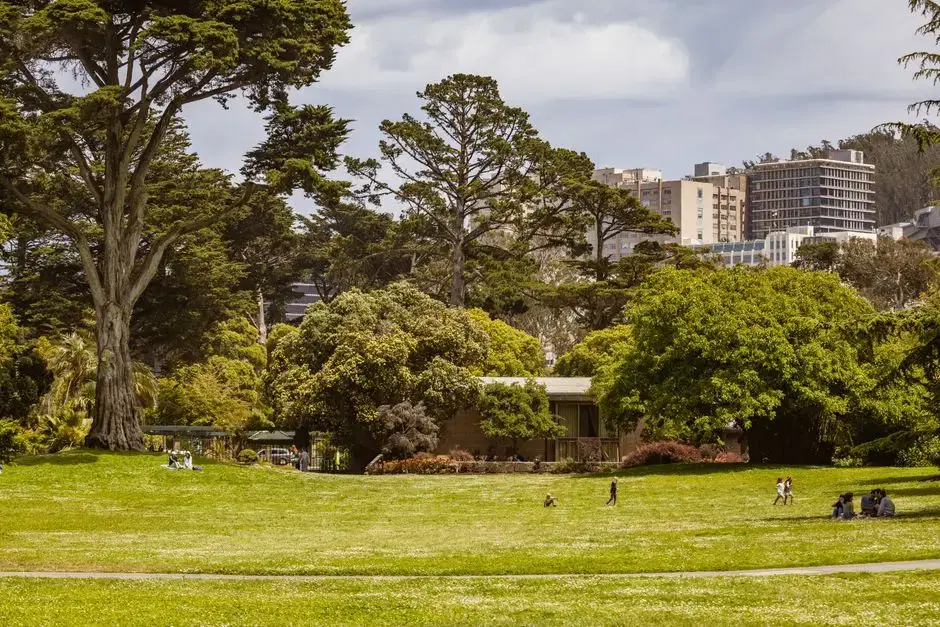
Wide green park lawn with picnickers, mature trees, city buildings behind
Parks & recreation
Lincoln Park at the western edge, the Fields at RFK's first-class turf, Congressional Cemetery's storied dog-walking co-op, and Kingman and Heritage Islands in the river.
Wooden library bookshelves in the foreground with a warm reading room beyond
The library
The Northeast branch and the freshly expanded Southeast branch — a restored 1922 Carnegie — bracket the neighborhood.
Shopper reaching for produce in a warmly lit grocery produce aisle, face in profile
Groceries
Safeway on 14th SE, Harris Teeter at Potomac Avenue, and Eastern Market's butchers and produce line on the weekend.
Georgetown M Street NW brick storefront row with flower baskets and pedestrians
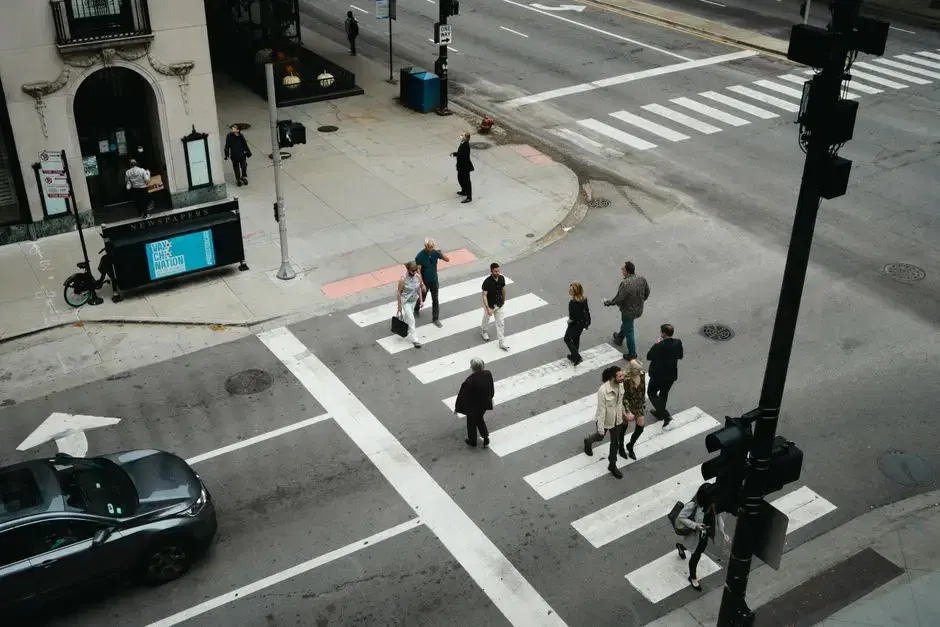
On foot
Genuinely walkable rowhouse blocks with two Metro stations — and quieter sidewalks than the core Hill, which is exactly the appeal.

Wherever you are

Start from where you actually are.

Buying takes most first-time DC buyers the better part of a year. The useful next step depends on which part you're in.

  1. 01 · Still running numbers

    What can we actually afford?

    Start with the payment, not the price. DC property tax, insurance and any condo fee move it more than buyers expect — and the condo fee counts against your ratios in full.

    See what you can afford
  2. 02 · Saving up

    How do we get to the down payment?

    What you actually need down at Hill East prices is usually less than people assume, and the property type moves it as much as the program does.

    See what you'd need
  3. 03 · Writing offers

    We need to look credible.

    DC listing agents expect a pre-approval attached to the offer. Ninety seconds, no credit pull to start.

    Get pre-qualified

You asked

Does the RFK redevelopment affect my purchase?

Does the RFK campus redevelopment affect buying in Hill East?
Indirectly, and it's worth understanding. Congress transferred the 180-acre RFK campus to the District in January 2025, and separately the city selected developers for two Hill East projects totaling over 2,300 units on Reservation 13. Large pipelines can influence comparable sales in both directions — new delivery adds supply, while amenities and infrastructure support values. For your purchase the practical effect is on the appraisal, so it's worth knowing what's recently sold on your block rather than relying on headlines.
Is Hill East inside the Capitol Hill Historic District?
Much of it is not, which is a genuine financial advantage. Outside the district, exterior work — windows, siding, additions, roofing materials — generally doesn't require Historic Preservation Review Board approval, so you avoid both the review timeline and the premium on period-appropriate materials that shapes renovation budgets a few blocks west. Boundaries are specific, so confirm the status of a particular address before you plan work.
Will I need a jumbo loan in Hill East?
Very unlikely. DC's 2026 conforming ceiling is $1,249,125, and Hill East prices sit far below it — most purchases here are standard conforming, which is the best-priced tier available. Be careful with national sites quoting $832,750 as DC's limit; that's the national baseline, and the District is a designated high-cost area.
How does Hill East compare with Capitol Hill on price?
The housing stock is largely the same late-Victorian brick rowhouse, and Hill East generally trades below Capitol Hill proper. That gap is what brings most buyers east of Lincoln Park. It also means DC's reduced recordation tax rate, which caps out at a $777,000 purchase price, reaches a much larger share of Hill East sales than Capitol Hill sales.
Can I finance a Hill East rowhouse that needs renovation?
Yes. FHA 203(k) and Fannie Mae HomeStyle loans finance the purchase and the work in a single mortgage, underwritten against the home's value after completion. Licensed contractors do the work and funds release in draws. Outside the historic district you also have more freedom in materials and design, which usually means the same scope costs less than it would on the Hill.
What should I check on a pre-1920 rowhouse here?
Foundation and party-wall condition, roof age, knob-and-tube wiring, galvanized supply lines, HVAC age, and any evidence of water intrusion. Get a sewer scope — older laterals are expensive and don't show up any other way. If you're considering a renovation loan, a thorough inspection does double duty, because the findings feed the scope of work your lender underwrites.

Local expertise

What's different a few blocks east.

Same rowhouses, different rules and different numbers. Both work in your favor here.

Hill stock, without the Hill price

The rowhouses east of Lincoln Park are the same late-Victorian brick as the ones a few blocks west, priced for a market that hasn't finished catching up. Most purchases here sit comfortably inside standard conforming limits.

Mostly outside the historic district

Much of Hill East falls outside the Capitol Hill Historic District, so exterior work generally doesn't require Historic Preservation Review Board approval. That removes a cost and a timeline that shapes renovation budgets on the Hill proper.

A very large project next door

Reservation 13 and the 180-acre RFK campus are under active redevelopment — over 2,300 approved units between two Hill East projects, plus a stadium plan. Big pipelines can move comparable sales in either direction, so appraisals here deserve attention.

Looking just east of the Hill?

We'll tell you where your number actually reaches — and what the block's comparable sales look like right now.