The LeDroit Park 1873 entrance arch at 6th and T Streets NW framed by blooming cherry trees, Washington, D.C.

Photo: angela n., CC BY 2.0

Bloomingdale & LeDroit Park, Washington DC

Victorians behind the arch.

Bloomingdale, LeDroit Park, and Truxton Circle — bayfront rowhouses, conversion condos, and the practical questions these blocks actually raise.

What it costs here
$932K
Median house price · 502 sales
$611
Median per square foot
+55%
Renovated over dated

Recorded arm’s-length sales from the District’s assessment records, through 2026-08-12. Not an appraisal or a valuation of any particular home. Compare every DC neighborhood

Why here

Big Bear, the Red Hen, and a hidden park.

Bloomingdale is what people mean when they say a DC neighborhood 'feels like a neighborhood' — corner cafes with your name on the cup, and some of the prettiest Victorian blocks in the city.

Big Bear Café

The corner cafe at First and R that started the neighborhood's second act — and the Sunday farmers market on its doorstep still sets the weekend rhythm.
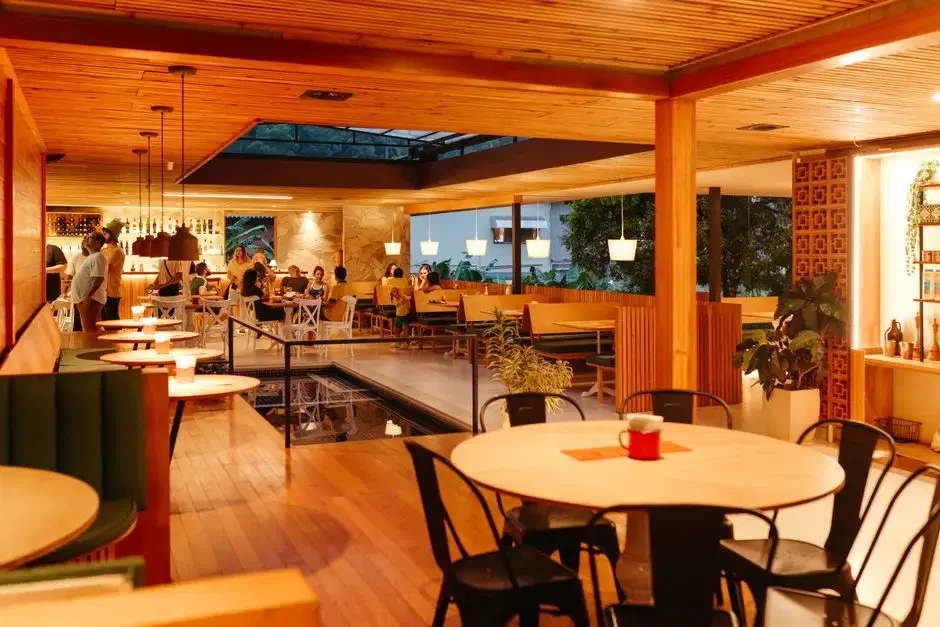
Warm, wood-toned restaurant interior with diners at golden hour — generic dining ambience, no location tells; card is about a restaurant-row vibe

First Street eats

The Red Hen and Boundary Stone anchor a homegrown restaurant row that draws diners from across the city to a residential corner of it.

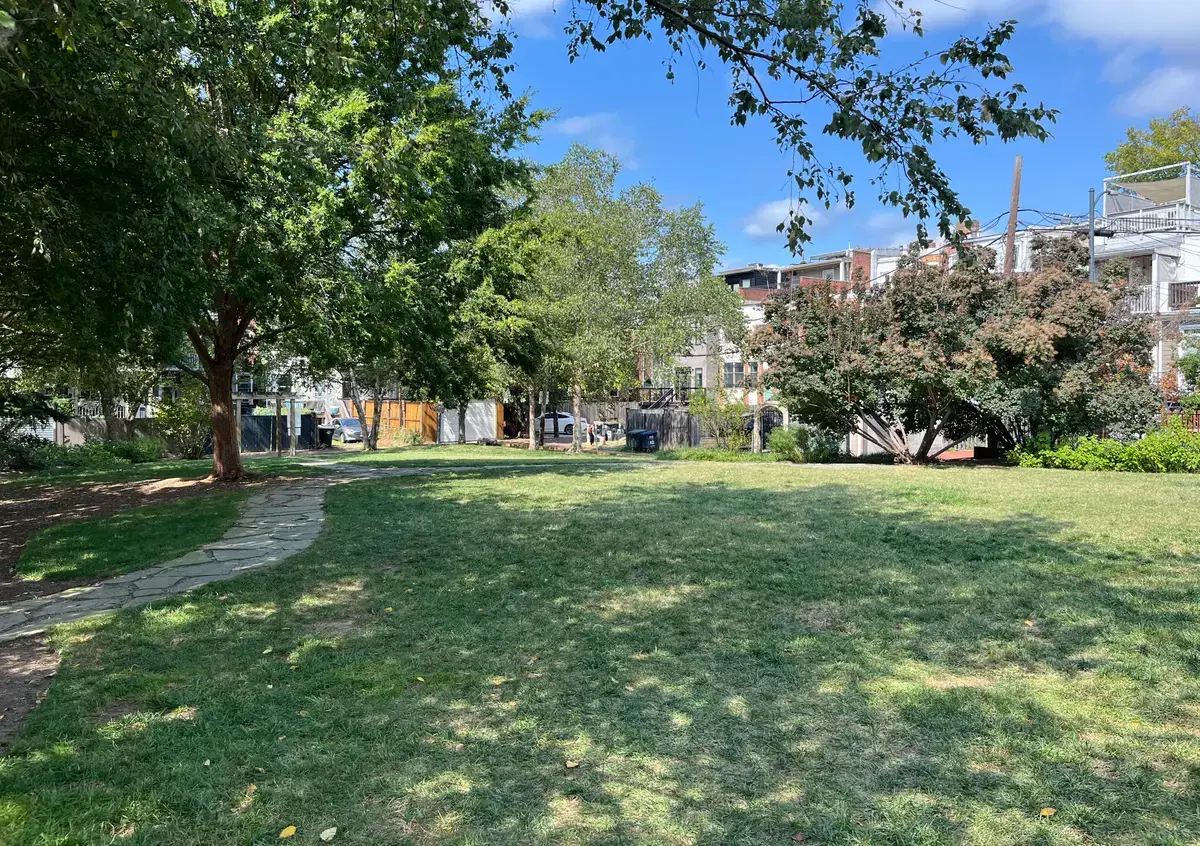
Green lawn and stone path of Crispus Attucks Park in summer, ringed by Bloomingdale rowhouse backs

Photo: Another Believer, CC BY-SA 4.0

Crispus Attucks Park

A park hidden inside a block — an entire green interior courtyard, owned and kept by the neighbors who surround it. You'd never find it unless someone told you.

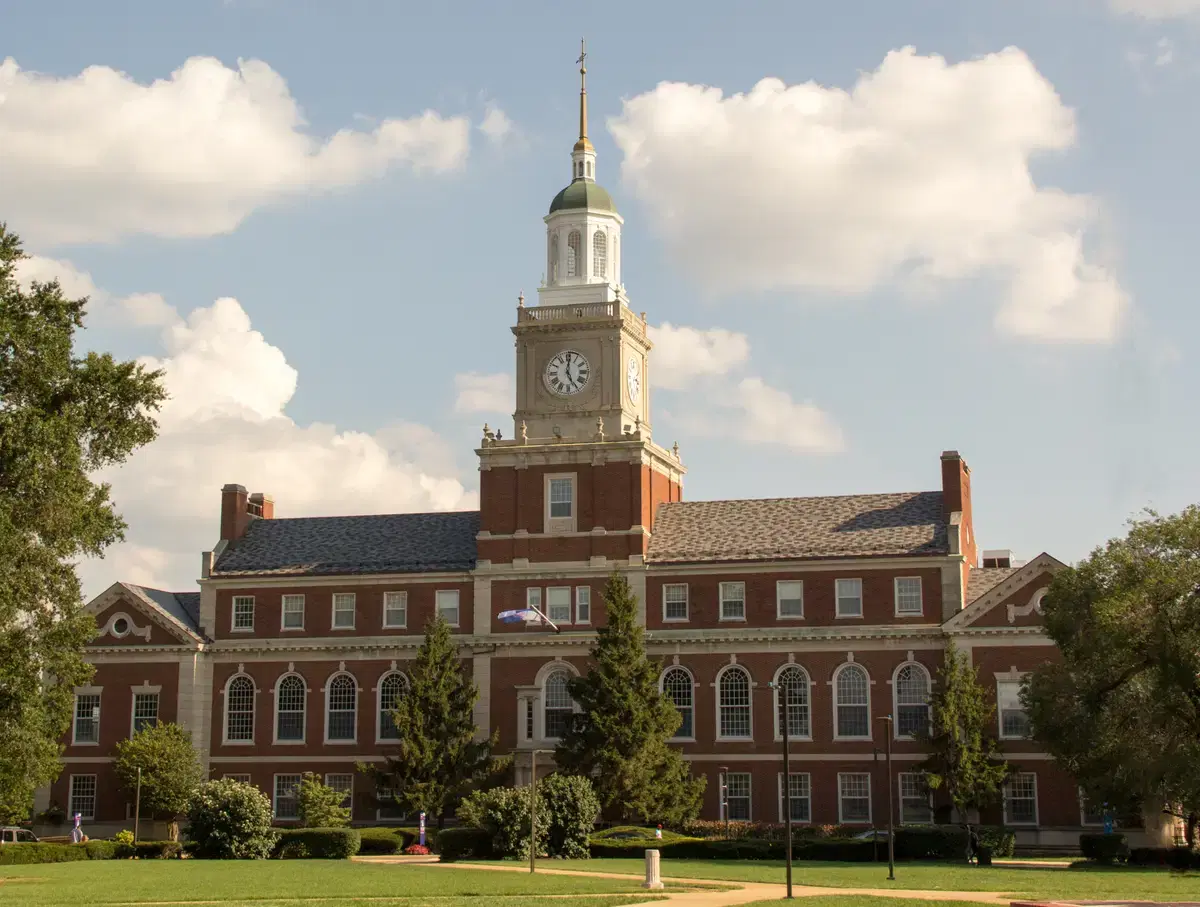
Founders Library clock tower and facade at Howard University, golden-hour light

Photo: Derek E. Morton, CC BY-SA 4.0

LeDroit Park & Howard

Through the 1873 arch: architect-designed houses that were home to Paul Laurence Dunbar and Mary Church Terrell, with Howard University's campus right up the hill.

Who's moving in: the stroller-and-rescue-dog set — condo owners from around the city trading up to a first rowhouse, on blocks where the porches actually get used.

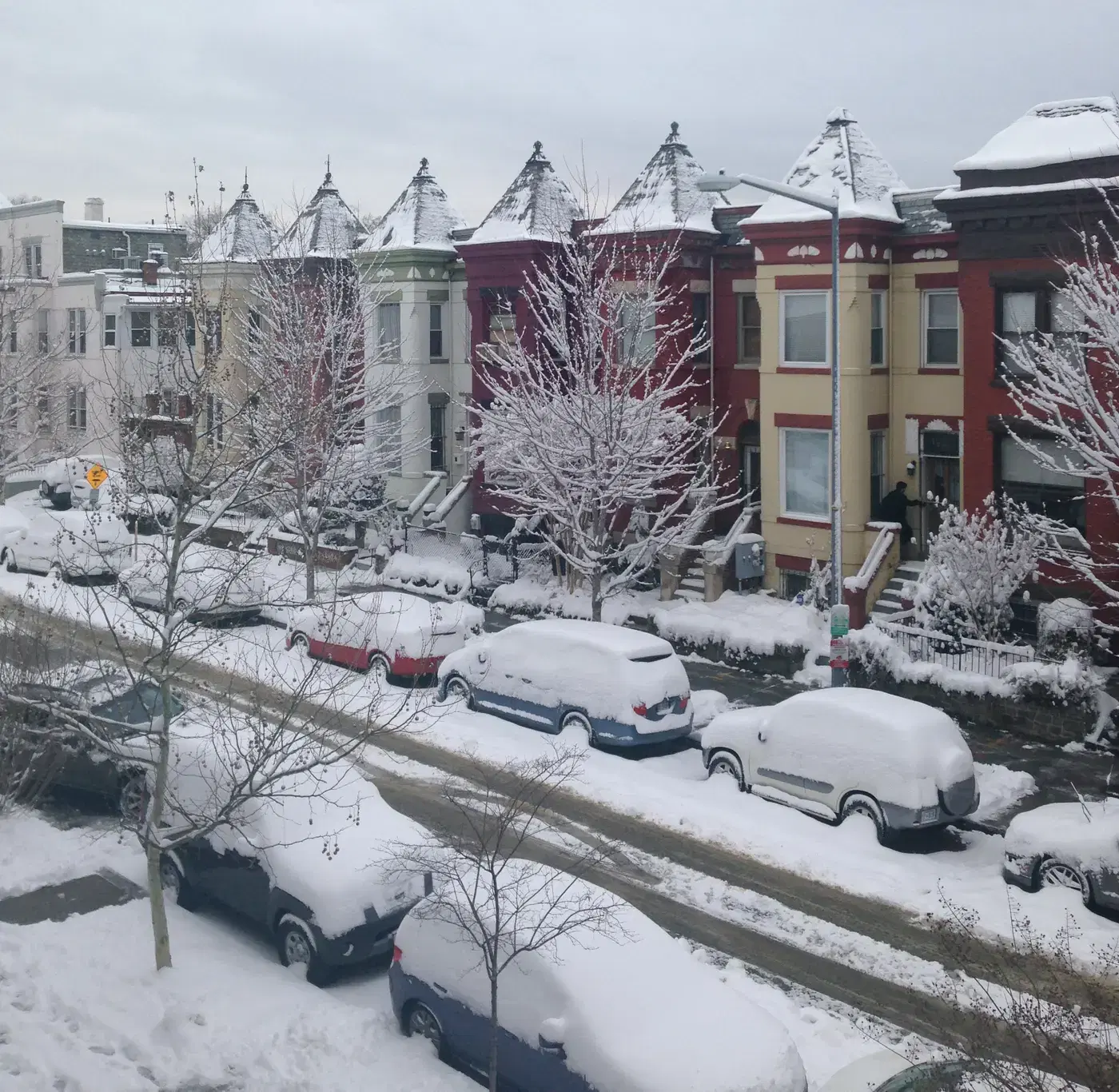
A row of Bloomingdale's turreted Victorian rowhouses under fresh snow, Washington, D.C.
Bloomingdale's bayfront Victorians — the blocks that sell the neighborhood.Photo: Olivia Ivey, CC BY 1.0

Getting around

Car, train, bus, or bike — how Bloomingdale moves.

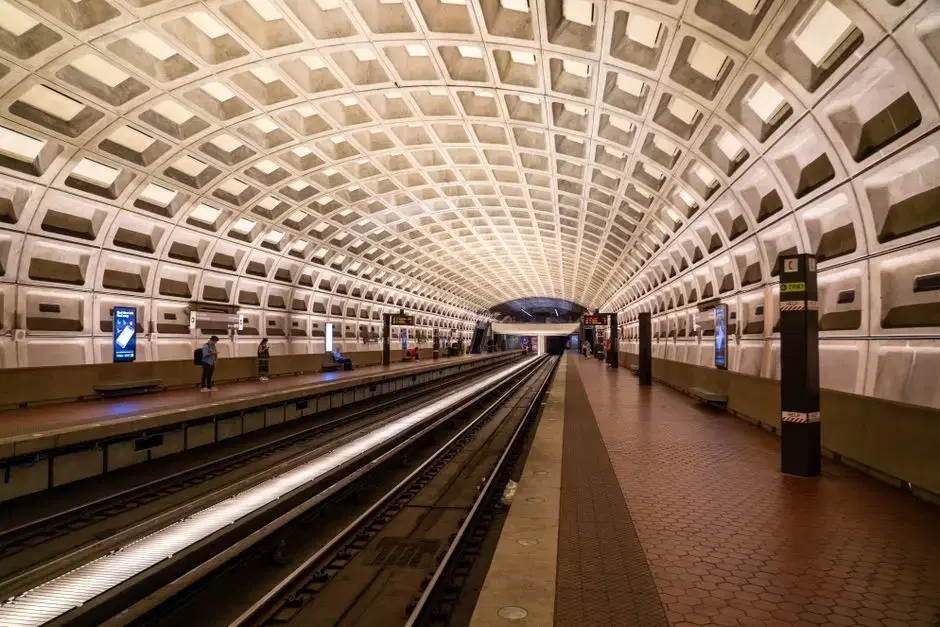
DC Metro vault station platform, coffered concrete arches, daytime, few riders
Metro
Shaw–Howard U (Green, Yellow) serves the LeDroit Park side; NoMa–Gallaudet (Red) is the closer stop for the eastern blocks.
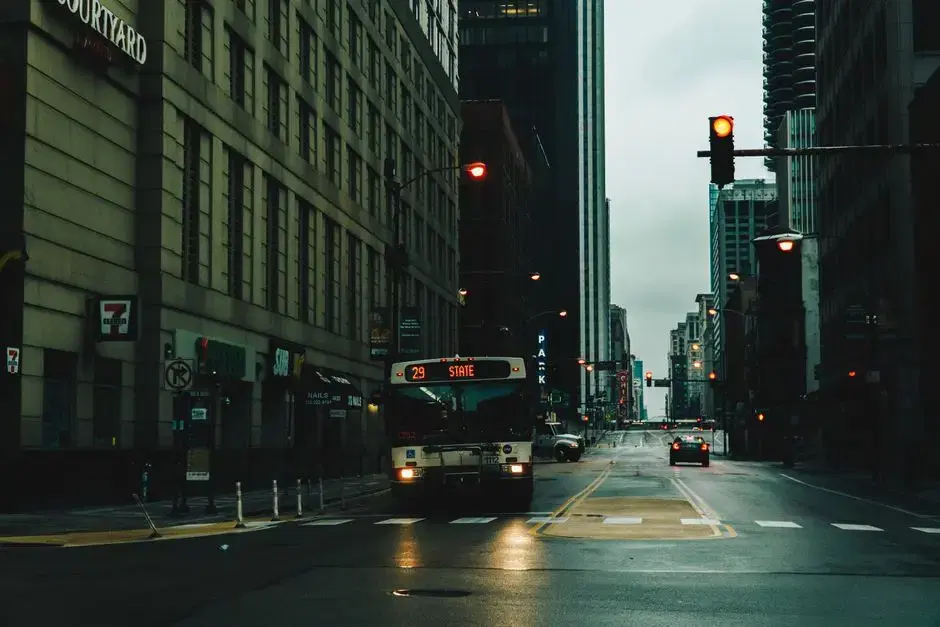
Moody rainy-day US downtown street with route-29 city bus approaching
Bus
Frequent corridors on North Capitol Street and Rhode Island Avenue run straight into downtown.
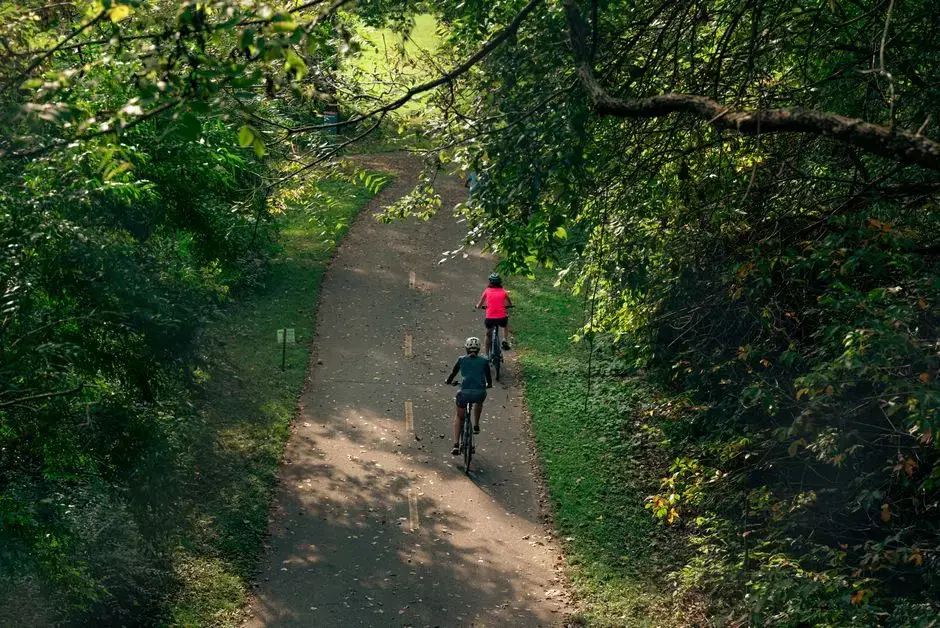
Two cyclists on a shaded paved trail through lush green trees
Bike
Flat, gridded streets with an easy roll to the Metropolitan Branch Trail.
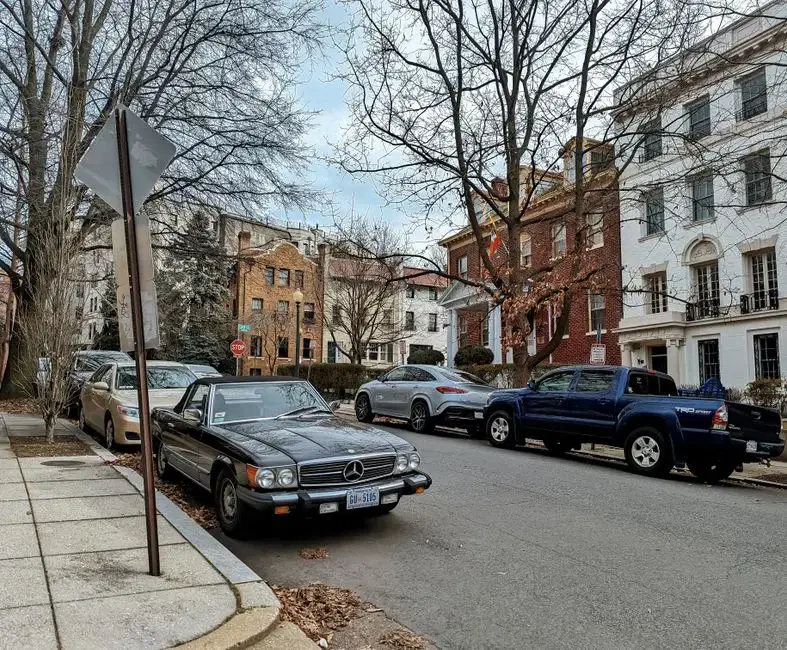
Quiet DC residential street in winter, classic Mercedes and trucks parked, DC plate visible
Parking
Blocks here are largely permit-zoned — your zone permit covers you, visitors get the two-hour limit or a guest pass — with moderate pressure, and a fair number of rowhouses carry rear parking pads off the alleys.

Daily life

Living in Bloomingdale, day to day.

Schools, suppers, parks, and errands — the practical texture of the neighborhood, named specifically.

Classic yellow school bus in side profile against brick and stone city buildings
Schools
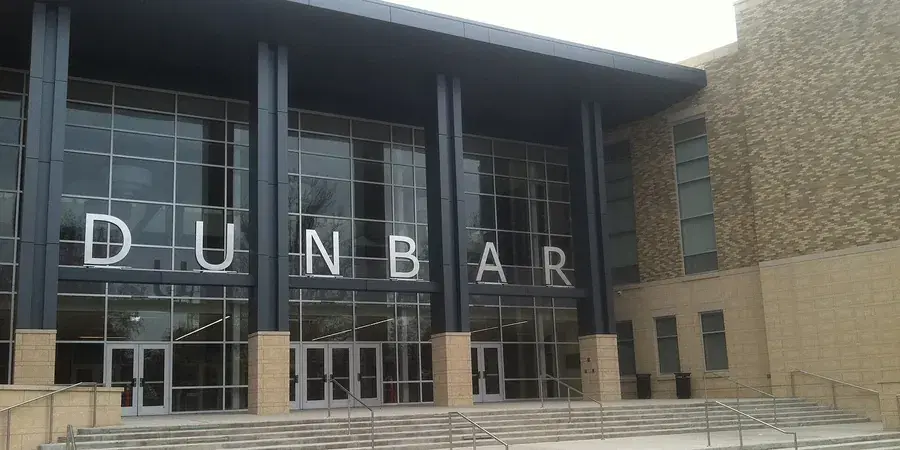
Langley Elementary anchors the north end, Dunbar High — the nation's first public high school for Black students, in its striking rebuilt campus — anchors Truxton Circle, and McKinley Tech's application STEM program is just east. Howard University is up the hill.
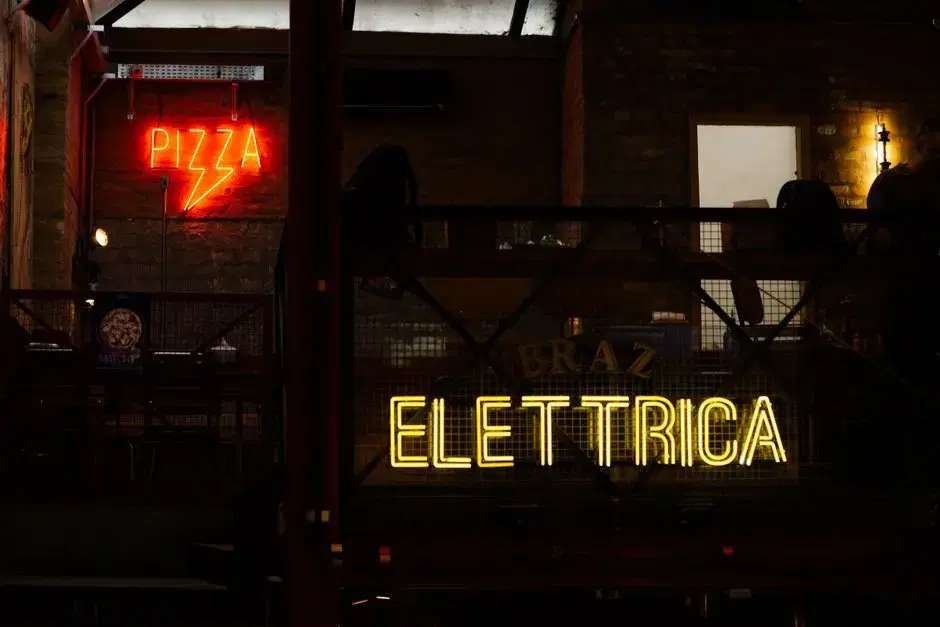
Red PIZZA neon and yellow neon signage in a moody industrial pizza bar at night
Dining & nights out
The Red Hen books out weeks ahead, Boundary Stone and The Pub & the People carry the nights, and Big Bear Café carries the mornings.
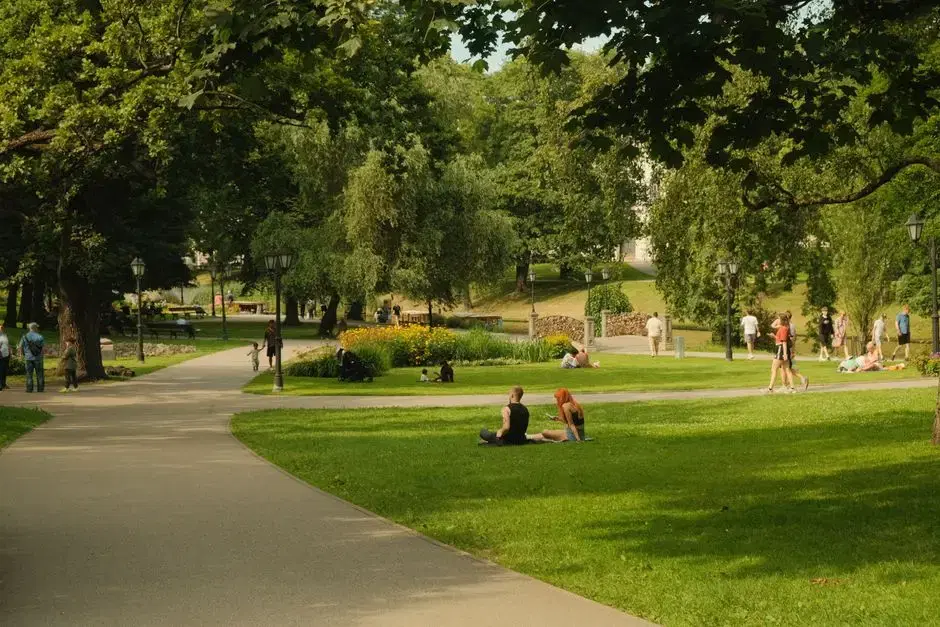
Leafy city park with winding path, flower beds, and people relaxing on the lawn
Parks & recreation
Crispus Attucks Park hides inside the block, Common Good City Farm grows in LeDroit Park, and the Harry Thomas Rec Center's pool and courts sit on the eastern edge.
Bright library reading room with wall of bookshelves, light-wood study tables and lounge seating
The library
Shaw's Watha T. Daniel branch is the closest full-service branch — a ten-minute walk down Rhode Island Avenue.
Colorful stocked produce wall: lettuce, radishes, beets, herbs with price tags
Groceries
The Sunday farmers market at Big Bear, corner markets on First Street, and full-size runs to the Giant at O Street or NoMa's Harris Teeter minutes away.
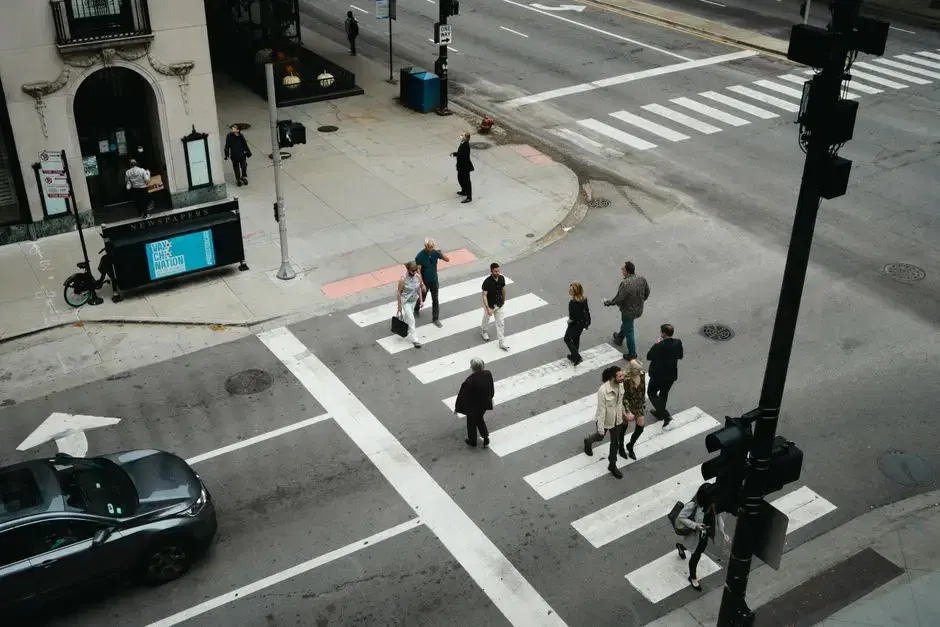
Aerial view of pedestrians crossing a striped urban crosswalk at an intersection
On foot
Flat, gridded, porch-lined blocks where the cafe, the park, and the school run are all a five-minute walk — the car can sit for days.

Wherever you are

Start from where you actually are.

Buying takes most first-time DC buyers the better part of a year. The useful next step depends on which part you're in.

  1. 01 · Still running numbers

    What can we actually afford?

    Start with the payment, not the price. DC property tax, insurance and any condo fee move it more than buyers expect — and the condo fee counts against your ratios in full.

    See what you can afford
  2. 02 · Saving up

    How do we get to the down payment?

    What you actually need down at Bloomingdale prices is usually less than people assume, and the property type moves it as much as the program does.

    See what you'd need
  3. 03 · Writing offers

    We need to look credible.

    DC listing agents expect a pre-approval attached to the offer. Ninety seconds, no credit pull to start.

    Get pre-qualified

You asked

What about the flooding stories?

I've heard Bloomingdale floods. Should that scare me off?
It should inform you, not scare you. Bloomingdale's famous flooding was sewer backup during heavy storms — an interior drainage problem, not a river floodplain — and DC Water's Northeast Boundary Tunnel, in service since 2023, was built specifically to relieve it. What a smart buyer still does: ask whether the house has a backwater valve, ask about basement water history in the seller's disclosures, and price a sewer-backup rider into the insurance quote. Standard homeowner's policies typically exclude sewer backup unless you add that coverage.
Do I need flood insurance to get a loan here?
Lender-required flood insurance applies when the property sits in a FEMA special flood hazard area, and most of Bloomingdale and LeDroit Park does not — the historical problem was storm sewers, which FEMA maps don't capture. So the mortgage usually won't force flood coverage. Whether you add sewer-backup coverage to the homeowner's policy is a judgment call, and for a house with a finished basement here, usually a good one.
Will a Bloomingdale rowhouse mean a jumbo loan?
Almost never. DC's 2026 conforming ceiling is $1,249,125 — the region is designated high-cost, so the ceiling sits well above the $832,750 national baseline. Bloomingdale and LeDroit Park rowhouses overwhelmingly finance below it, either as standard conforming or as high-balance conventional, which prices close to standard conforming and carries none of jumbo's tougher requirements.
Can basement rental income count toward qualifying?
Yes, when the unit is legal. Bloomingdale's bayfront Victorians very often carry an English basement, and market rent from a legal unit — certificate of occupancy, DC rental license — can factor into qualifying income on both conventional and FHA loans. The appraiser documents the market rent as part of the appraisal. We flag the legality question at the listing stage, because it decides whether the income counts.
Which DC assistance programs work at these prices?
It depends which half of the market you're in. Condo conversions in the neighborhood regularly price under the $777,000 reduced-recordation cap, and some come under the Tax Abatement program's $576,000 cap — which waives recordation tax and abates property tax for five years. Full rowhouses have mostly climbed past both. HPAP's gap financing can still matter on the condo side, and DC Open Doors has no price cap at all — income limits are the test on every one of these.
What's the story behind the LeDroit Park arch?
LeDroit Park began in 1873 as one of DC's first planned suburbs — architect-designed houses behind an actual fence, later famously torn down. By the early twentieth century it was the center of Black intellectual Washington, home to Paul Laurence Dunbar, Mary Church Terrell, and generations of Howard University faculty. The reproduction arch at 6th and T marks the old entrance. The historic district status that comes with that history means exterior renovations get design review — a scheduling fact worth knowing before you plan a renovation loan.

Local expertise

What buying here actually involves.

The houses are gorgeous and the questions are specific: basement legality, water history, and which tier of the market your budget reaches.

Bayfront Victorians

Turreted, porch-fronted rowhouses from the 1890s on some of the prettiest blocks in the city. Most finance as conforming or high-balance conventional — the jumbo line almost never comes into play here.

Basements: income and homework

English basements are the neighborhood's signature — legal ones can add rental income to your qualifying file. The homework is water history: backwater valves and sewer-backup coverage are the right questions on these blocks.

The conversion condo tier

Rowhouse conversions put one- and two-bedroom condos well inside DC's assistance-program caps. Small associations get underwritten too, so we read the condo documents before you commit.

Found a block you love?

Tell us the address and your numbers — we'll tell you what the loan looks like, basement and all.