DC's recorded sales from 2021 through August 2026 show homes in the Kingman Park & Stanton Park cluster, which contains the RFK campus, down 5.3% in median price per square foot while the citywide median rose 1.5%. This post covers what is planned for the RFK campus, when it is scheduled, and what recorded sales show for Kingman Park, Hill East, Trinidad, and Capitol Hill.
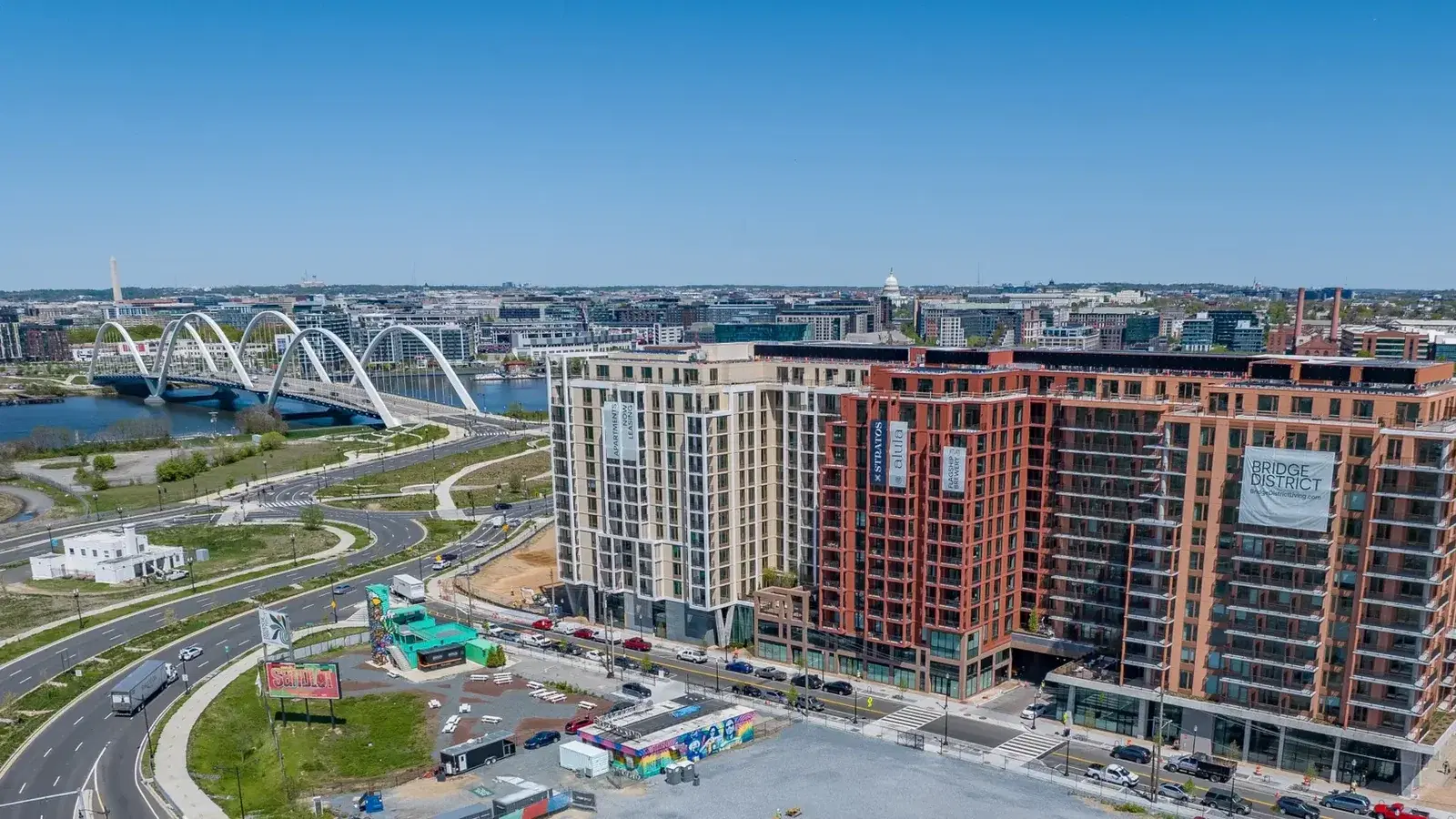
The RFK campus is 174 acres, with a planned 65,000-seat domed stadium and 5,000–6,500 new homes. In 2026 the Kingman Park & Stanton Park cluster's median was $664 per square foot, against $767 in Capitol Hill & Lincoln Park. Buyers in Kingman Park and Hill East are told that prices will rise once the stadium opens; this post checks that claim against the recorded sales.
RFK campus plan and timeline
The federal land transfer is done. The D.C. Robert F. Kennedy Memorial Stadium Campus Revitalization Act became Public Law 118-274 on January 6, 2025, moving administrative jurisdiction of the 174-acre campus from the National Park Service to DC for 99 years. The DC Council approved the deal on September 17, 2025, enacted as DC Law 26-54, effective November 21, 2025.
The proposed ballot initiative opposing the deal did not appear on the June 2026 ballot. Some widely linked pages still describe a June 2026 referendum; no referendum took place.
The plan:
- A 65,000-seat stadium under a translucent ETFE dome, roughly $3.7–3.8 billion, of which the team is committed to at least $2.7 billion and DC about $1.1 billion
- 5,000–6,500 housing units, with at least 30% affordable
- Roughly 260,000 square feet of retail, about 1,200 hotel rooms
- Roughly 60 acres of parkland, including restored riverfront access
Timeline: demolition of the old stadium wrapped up in the first half of 2026 and site infrastructure work began in April. Groundbreaking is expected between fall 2026 and early 2027, the stadium is targeted to open in 2030, and the surrounding buildout runs toward 2040. The master plan went through public comment that closed August 14, 2026, and still needs Council adoption; the environmental impact statement isn't expected until 2027.
Only the stadium is targeted for 2030. The housing and retail are scheduled over the following decade, toward 2040.
Ward 7 redistricting and the end of the DC Streetcar
Kingman Park, Rosedale and Hill East, east of 15th Street, are in Ward 7. Those blocks moved from Ward 6 in the 2021–22 redistricting, effective January 2023. A draft map that would have put Kingman Park in Ward 6 got wide coverage at the time and did not survive.
The DC Streetcar ceased operating on March 31, 2026, and the long-planned Benning Road extension toward the RFK campus ended with the system. In its place, WMATA's board approved funding agreements in July 2026 for a "Gold Line" bus rapid transit design along H Street and Benning Road and a $300 million Stadium-Armory Metro station improvement program. There will be no new Metro station for the stadium; the transit study concluded a new station could not be delivered by 2030.
Home prices near RFK, 2021–2026
Median price per square foot by year, from DC's recorded arm's-length house sales and the assessor's square footage:
| Year | Citywide | Kingman Park & Stanton Park | Capitol Hill & Lincoln Park | Trinidad & Ivy City |
|---|---|---|---|---|
| 2021 | $607 | $701 | $742 | $563 |
| 2022 | $620 | $726 | $762 | $603 |
| 2023 | $596 | $698 | $736 | $485 |
| 2024 | $625 | $691 | $776 | $522 |
| 2025 | $623 | $664 | $781 | $454 |
| 2026* | $616 | $664 | $767 | $440 |
*2026 is a partial year, through August.
From 2021 to 2026:
- Citywide: +1.5%
- Kingman Park & Stanton Park: −5.3% — the cluster containing the RFK campus
- Capitol Hill & Lincoln Park: +3.3%
- Trinidad & Ivy City: −21.8%
- River Terrace & Benning: −12.1% — directly across the Anacostia
From 2021 to 2026, the period in which the deal went from proposal to signed law, the cluster containing the RFK campus fell 5.3% while the citywide median rose 1.5%. The recorded sales show no stadium premium.
Three caveats. The figures are medians of what sold, so a shift in the mix of houses selling moves the number as well as underlying value, and Trinidad's sample is small enough that mix has a large effect there. Price per square foot uses assessment square footage, which can differ from appraisal square footage. And 2026 is a partial year.
What the stadium and the mixed-use plan bring to nearby blocks
A stadium brings traffic, parking demand and noise on event days and is empty on other days. The stadium is about 15% of the RFK campus footprint; the housing, retail and parkland are the larger share. The housing, retail and parkland are the parts of the plan most likely to change daily life nearby, and they are scheduled last: the zoning will not be finished until 2027, and the developer solicitations have not happened yet. One longtime Kingman Park resident quoted in local coverage this year put the housing at "at least 2035."
District Mortgage's position on RFK appreciation
District Mortgage will not tell you prices near RFK will rise, because the recorded sales from 2021 through August 2026 do not show it.
Judge a house near RFK on the neighborhood as it is today. Buy it if the house and the payment fit your budget now, and do not set your budget on expected appreciation that five years of deed records do not show.
The neighborhoods near the campus
Housing stock by neighborhood:
- Hill East — Capitol Hill's rowhouse stock, much of it outside the historic district, with the campus and Reservation 13 next door
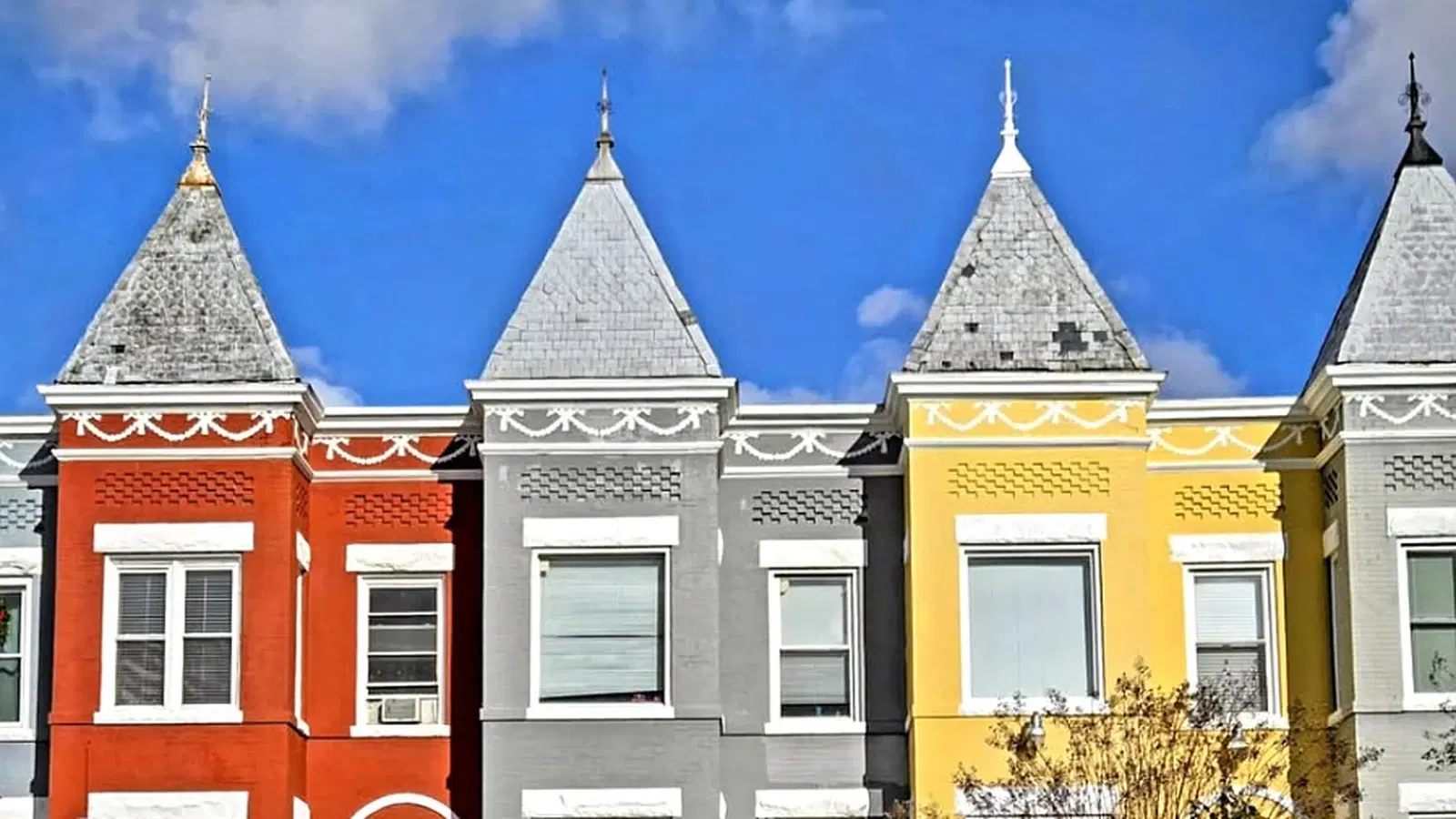
- Trinidad — turreted rowhouses between H Street and the Arboretum
- Capitol Hill — Eastern Market, Barracks Row, and the largest sample of sales of any of these
The price-per-square-foot explorer covers all 42 DC neighborhoods with renovated houses and houses that need some TLC shown separately. A renovated house sells for about 50% more per square foot than one that needs some TLC in Kingman Park, and about 68% more in Trinidad, so a neighborhood-wide average hides a large price difference by condition.
Sources
Public Law 118-274; DC Law 26-54; National Capital Planning Commission review of the campus plan (2026); DDOT streetcar closure notice (March 31, 2026); WMATA Board actions (July 30, 2026); RFK Campus Master Plan public comment record (closed August 14, 2026). Price figures are our own analysis of DC Office of the Chief Financial Officer assessment and sales records published through Open Data DC, current through August 12, 2026.
For a specific house near RFK, contact District Mortgage or book a 15-minute call to go through the recorded sales on that block.