Logan Circle condos are in two building types, small rowhouse conversions and modern mid-rises, and lenders review each type differently. This guide covers the loan rules for both, the HOA documents to check, and DC's conforming loan limit.
Condo building types in Logan Circle
Converted Victorian rowhouses
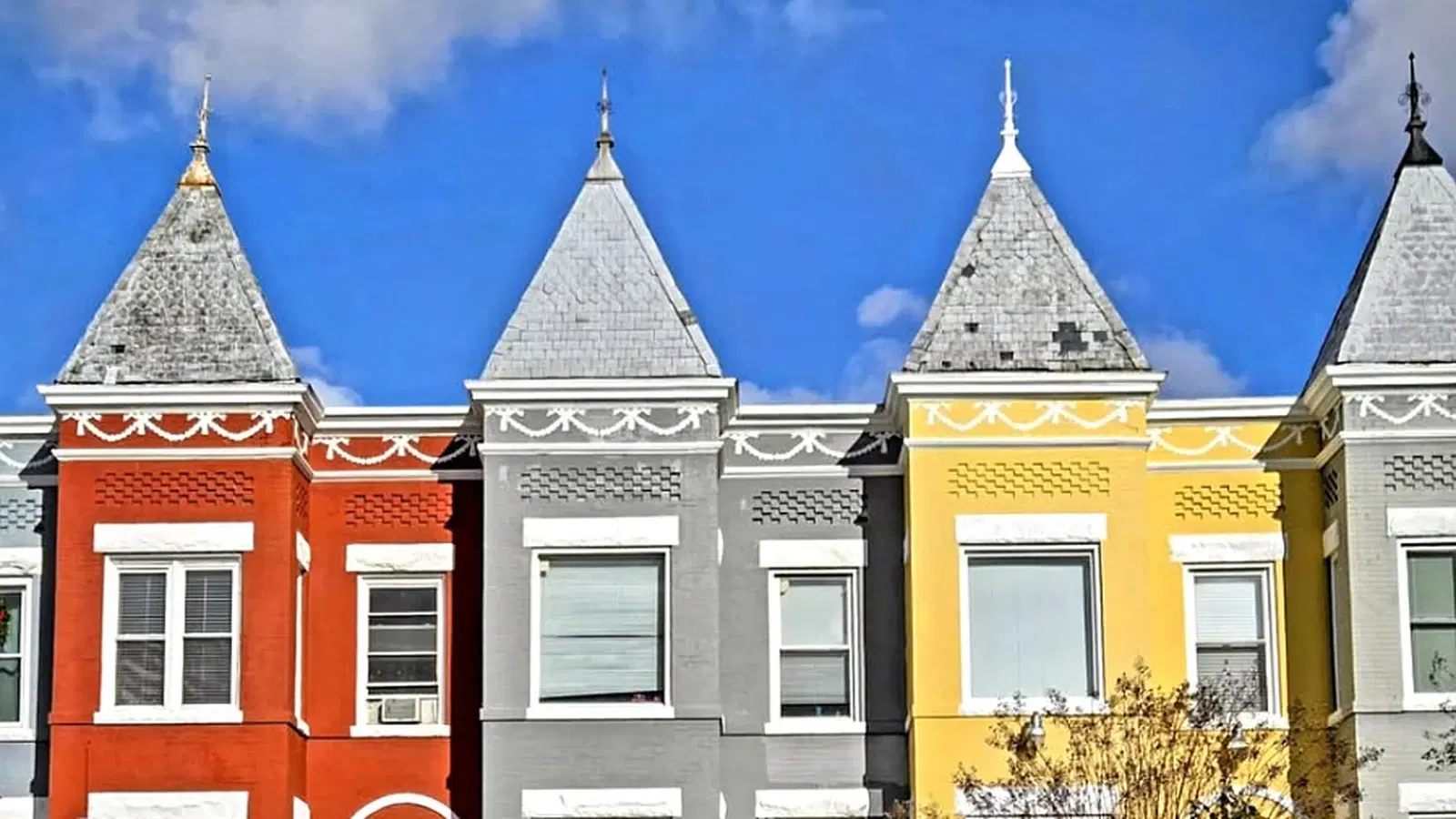
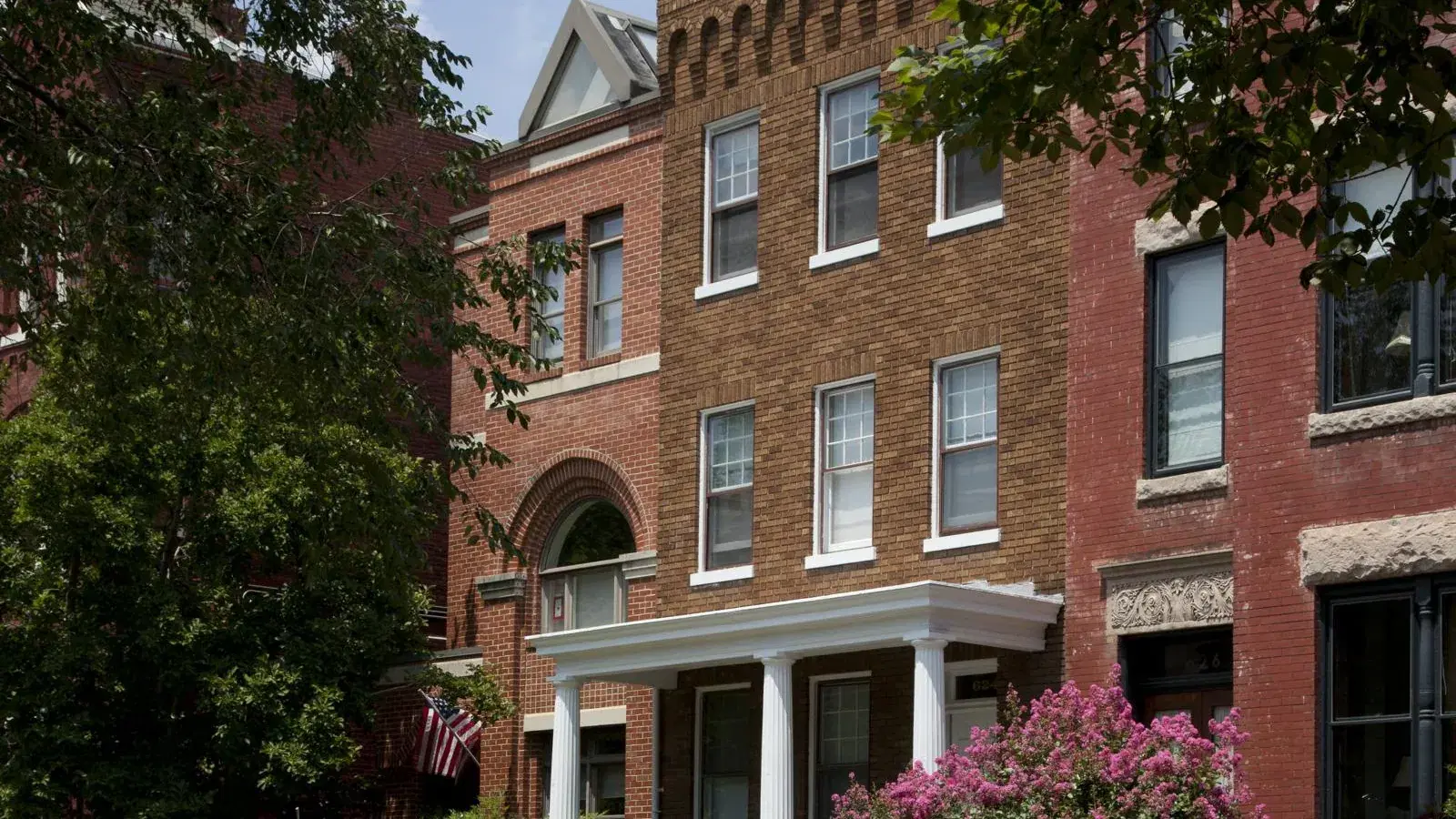
Logan Circle's Victorian rowhouses have been converted into 2-6 unit condo buildings, some with exposed brick, original mantels and high ceilings.
Features:
- 2-4 units per building
- Built 1880s-1910s, converted in the 1990s-2010s
- Unique layouts and finishes
- Small HOAs, some self-managed
- Lower HOA dues than a full-service building
Modern mid-rise buildings
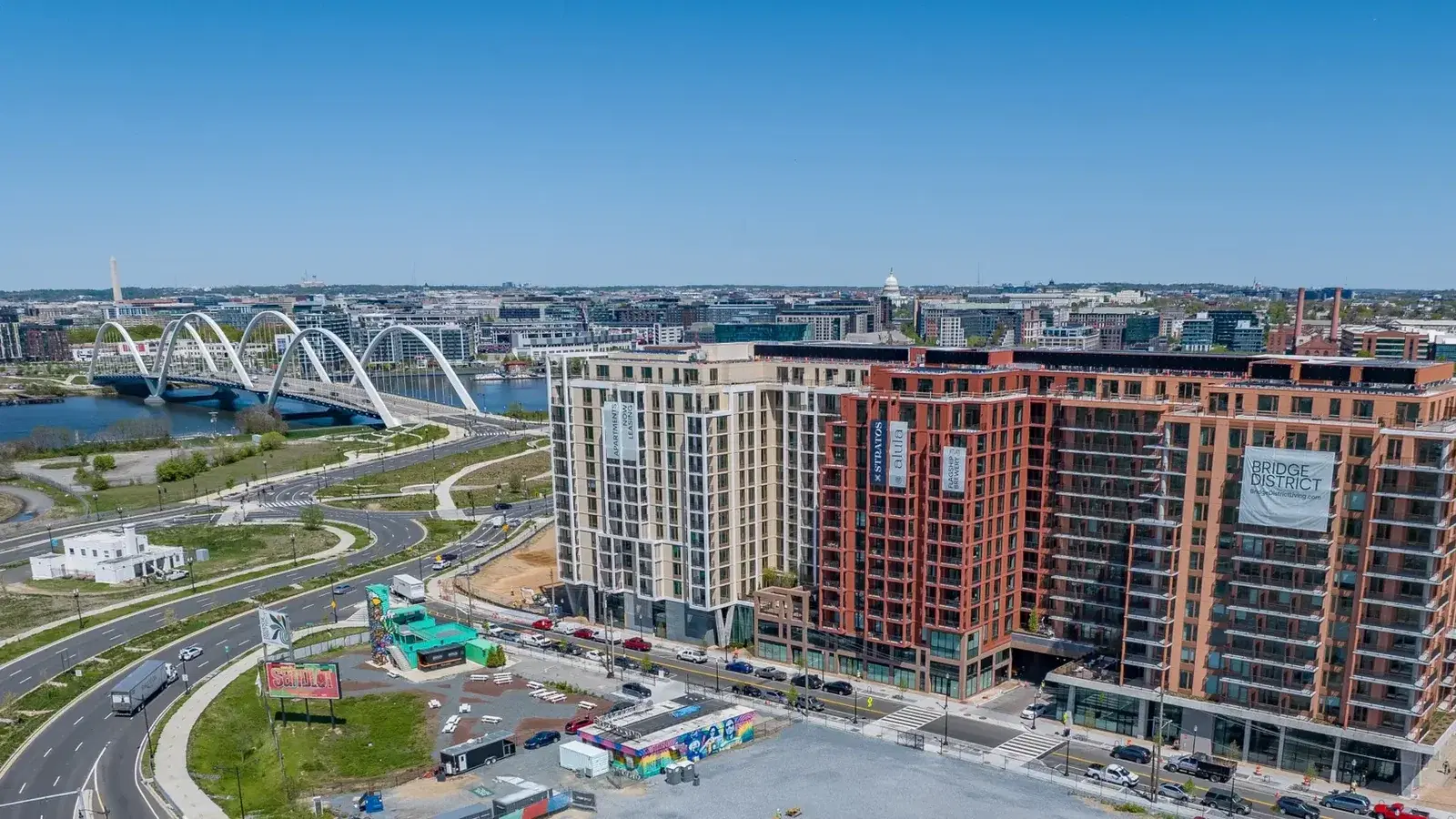
Newer mid-rise buildings (built 2005-present) line 14th Street and sit on other blocks in the neighborhood.
Features:
- 20-100+ units
- Modern construction and finishes
- Professional HOA management
- Full amenities (gym, rooftop, concierge in larger buildings)
- Higher HOA dues to match
Current price tiers for both are on our Logan Circle guide.
Financing a condo in a converted rowhouse
Warrantability rules for buildings of 2-10 units
Fannie Mae and Freddie Mac waive project review for condo buildings of ten or fewer units, provided a 5–10-unit building is not part of a larger development or master association (Fannie Mae LL-2026-03). A Logan Circle conversion is therefore reviewed on the unit, the master insurance policy and the building's ineligible-project screen. Owner-occupancy is not tested. In 5-20-unit buildings no one entity may own more than two units; at 21+ units the cap is 20%.
A small conversion is warrantable unless the building has a pending structural or habitability lawsuit, inadequate master insurance, or an ineligible-project characteristic (Fannie Mae B4-2.1-03).
FHA approval in small buildings
- Buildings with fewer than 5 units don't qualify for FHA single-unit approval, and in buildings of 5–9 units FHA insures no more than two units at a time
- Full project approval is possible but requires the HOA to apply and maintain it
- Check the HUD approved-condo list before you offer; if the building is not on it, an FHA loan needs the HOA to apply
Loan terms on a non-warrantable unit
A unit in a non-warrantable building needs a larger down payment, carries a higher rate and requires a higher minimum score than a warrantable unit. The exact terms depend on the lender. See our rates page for warrantable-unit pricing. Fewer lenders offer non-warrantable condo loans.
Steps for buying in a small building
- Check warrantability first: Ask the listing agent or HOA for the condo questionnaire before making an offer
- Find a portfolio lender: Some lenders specialize in non-warrantable condos
- Use financing limits in the price negotiation: buyers using conventional or FHA loans cannot buy in a non-warrantable building, which can support a lower offer
- Budget for the non-warrantable terms: price the larger down payment and higher minimum score into your plan before you offer
Financing a condo in a mid-rise building
Newer, larger buildings finance on standard terms when they meet agency rules:
- Warrantable where professional management, adequate reserves and a current master insurance policy are in place
- FHA and VA approval is building by building; check the HUD and VA lists
- Standard conventional options, including low-down-payment programs for first-time buyers
- PMI available for less than 20% down
DC loan limits for 2026
The $832,750 national baseline is not DC's limit. DC is a designated high-cost area, so the 2026 conforming limit here is $1,249,125:
- Loans up to $832,750: standard conforming
- Loans from $832,750 to $1,249,125: high-balance conforming, still backed by Fannie Mae or Freddie Mac
- Loans above $1,249,125: jumbo
Jumbo loans require stronger qualifications; pricing is set by each jumbo investor.
HOA documents to review before you buy
In either building type, review:
HOA finances
- Reserve fund balance: Should be adequately funded per the reserve study
- Annual budget: Compare to similar buildings for realism
- Delinquency rate: More than 15% of owners 60+ days behind on dues is a red flag
- Special assessment history: Frequent assessments indicate underfunding
Extra checks for small buildings
- Reserve study: Ask whether one exists; small HOAs sometimes skip it
- Financial management: Ask who keeps the books; self-managed HOAs carry more risk
- Bylaws: Read them; informal governance can create disputes
- Insurance coverage: Verify the master policy is adequate
What Logan Circle offers
Logan Circle has:
- Walkability: 14th Street corridor, Whole Foods, restaurants and bars
- Transit: Multiple bus lines, Dupont Circle and U Street Metro stations nearby
- Green space: Logan Circle park itself, plus proximity to the National Mall
- Community: an active neighborhood association and a farmers market
Checklist for Logan Circle condo buyers
- Know the building type before you offer: A non-warrantable conversion finances differently from a modern mid-rise
- Get pre-approved for both conventional and portfolio loans: Then you can buy in either building type
- Review the condo questionnaire early: Ask for it during the due diligence period, not at the last minute
- Don't skip the inspection: Even in newer buildings, check HVAC, water heaters, and appliances. In older conversions, check everything
- Consider future resale: buyers using conventional or FHA loans can buy in a warrantable or FHA-approved building. A non-warrantable building limits your future buyers to those with portfolio loans or cash
Read the Logan Circle financing guide or get pre-qualified. It takes two minutes and does not pull your credit.