
This guide covers the housing stock, price range, and loan considerations in seven DC neighborhoods, then the DC-wide loan programs, taxes, and loan limits that apply in all of them.
Capitol Hill
Capitol Hill housing stock
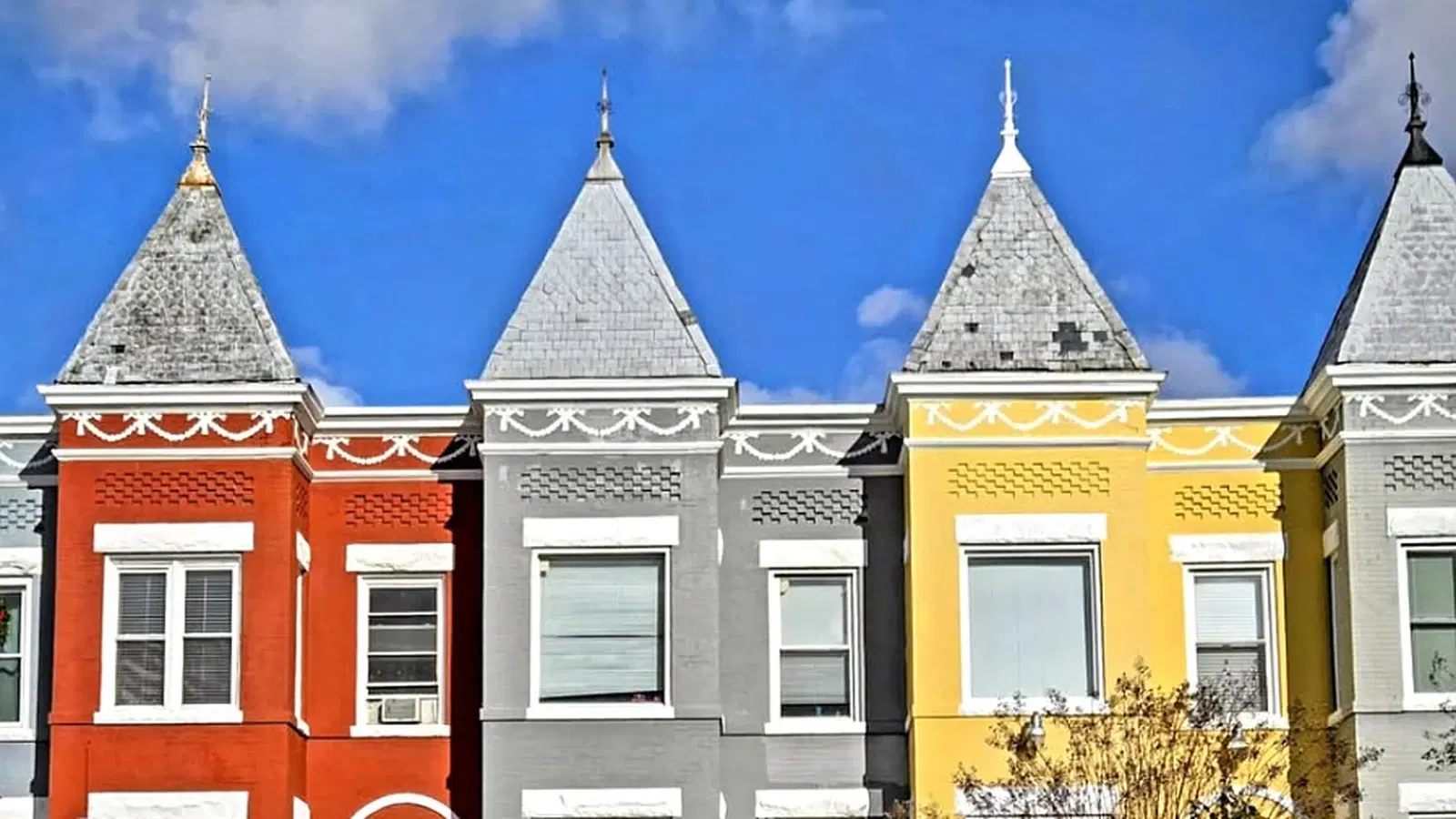
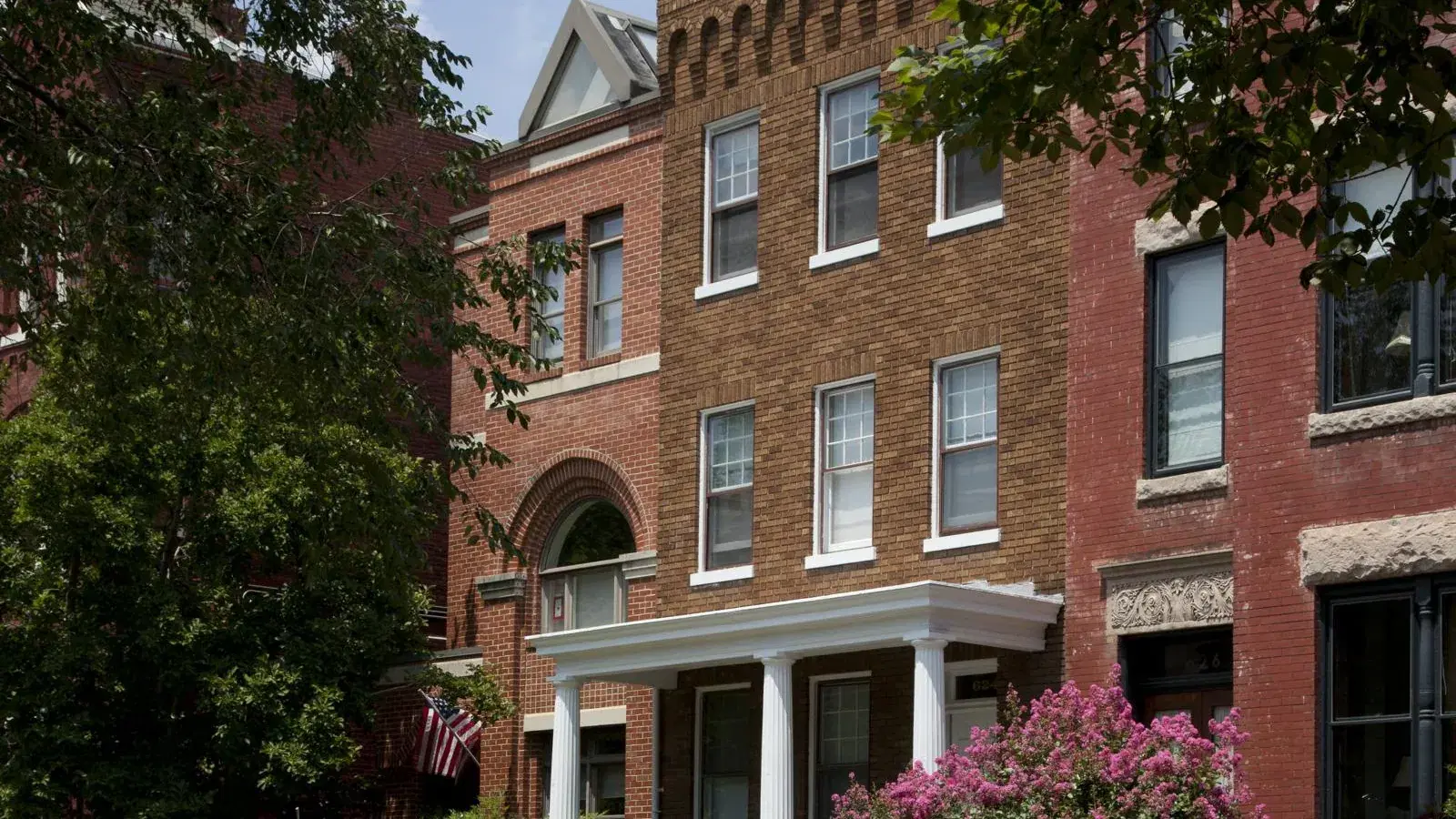
Capitol Hill's housing is mostly historic rowhouses: Federal, Victorian, and Capitol Hill–style rowhomes built between the 1850s and early 1900s, plus converted condos in historic buildings and a handful of newer infill developments.
Capitol Hill price range
Rowhouses sell well above condos, with a premium near Eastern Market and Lincoln Park. Current tiers: Capitol Hill guide.
Capitol Hill financing
- Historic homes may need renovation loans (FHA 203(k) or conventional renovation) if the property needs substantial repairs
- Older rowhouses may have knob-and-tube wiring, aging plumbing, or foundation issues that affect appraisals
- Condo conversions in older buildings can fail project review over master insurance or pending litigation; a small unit count by itself does not disqualify a building for a conventional loan
Navy Yard
Navy Yard housing stock
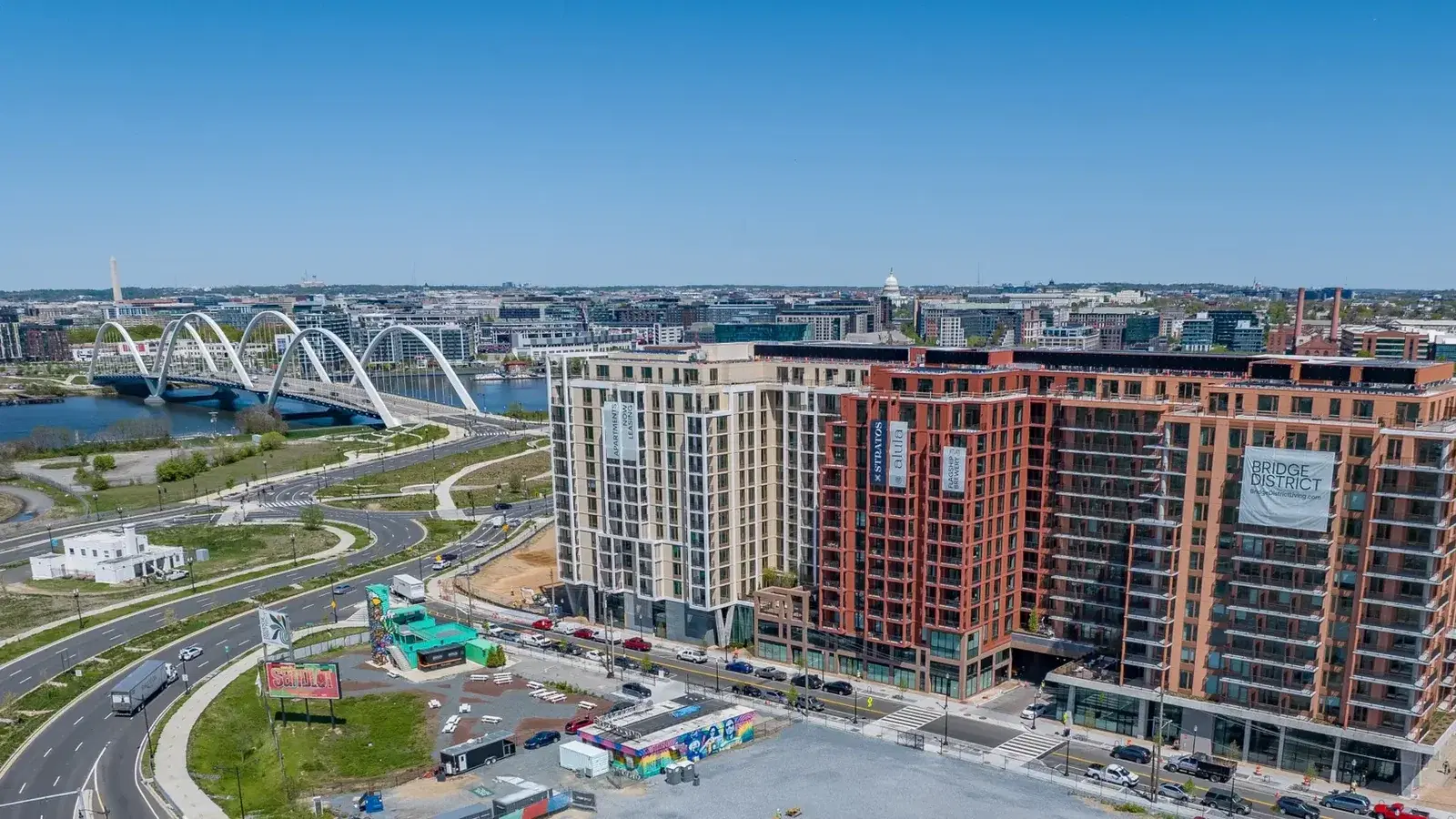
Navy Yard housing is condo and apartment buildings built since 2010, plus a few townhouse developments. The buildings have modern systems and professionally managed HOAs.
Navy Yard price range
Studios through townhouses, priced by unit type and building age. Current tiers: Navy Yard guide.
Navy Yard financing
- Post-2010 construction with professional HOA management clears conventional condo project review with fewer issues than older conversions
- Check HUD's approved-condominium list and the VA's condo list for the building; approved buildings take FHA and VA loans
- Higher HOA dues in amenity-rich buildings reduce borrowing power
- A new-construction warranty can shorten the list of repair items that come up at inspection and appraisal
Logan Circle
Logan Circle housing stock
Logan Circle has restored Victorian rowhouses, condo conversions in historic buildings, and newer mid-rise condos along the 14th Street and P Street corridors.
Logan Circle price range
Renovated Victorian rowhouses in Logan Circle sell at the top of the DC rowhouse market; conversions and mid-rise condos cover a wide price range. Current tiers: Logan Circle guide.
Logan Circle financing
- High price points may require jumbo loans (above DC's conforming ceiling of $1,249,125; the $832,750 national baseline does not apply in DC)
- Historic condo conversions in small buildings (under 5 units) do not qualify for FHA single-unit approval
- FHA 203(k) and conventional renovation loans fit rowhouses that need updating
- Some converted buildings have low reserves or deferred maintenance; read the HOA budget, reserve study, and meeting minutes before you offer
Dupont Circle, Shaw, Columbia Heights, and Brookland
Dupont Circle
Historic rowhomes and condo conversions, like Logan Circle, plus a higher concentration of co-ops, which require specialized co-op financing rather than a mortgage.
Shaw / U Street
Renovated rowhouses and new condo buildings, priced below Logan Circle.
Columbia Heights
Garden-style condos and rowhouses, priced below the central neighborhoods above. Check HUD's approved-condominium list for a building before you offer; FHA-approved buildings take the 3.5%-down FHA loan.
Brookland
Single-family homes and smaller condo buildings in a quieter, more residential setting near the Brookland–CUA Metro, priced below central DC neighborhoods.
Loan programs, taxes, and limits that apply across DC
Low-down-payment loans and DC buyer programs
These apply in every DC neighborhood, listed in the order to check them:
- FHA loan: 3.5% down, and the whole down payment can be a gift from family. A condo needs an FHA-approved building or FHA single-unit approval
- Reduced recordation tax for qualifying first-time buyers: 0.725% instead of 1.1%/1.45%, on homes up to $777,000 for tax year 2026, subject to household income limits (figures reset October 1)
- DC Tax Abatement: On purchases up to $576,000 (tax year 2026), waives recordation tax and abates property tax for five years
- Homestead deduction: see Property Tax below
- DC Open Doors, through DCHFA's participating lenders: covers your required minimum down payment; open to repeat buyers as well
- HPAP, through DHCD-certified housing counseling agencies: up to $202,000 in interest-free loans for qualifying first-time buyers, plus $4,000 toward closing costs
Property tax and the homestead deduction
DC's homestead deduction reduces your assessed value by $91,950 (tax year 2026) if you live in the property. Apply after closing; the deduction is not automatic.
Closing costs and recordation tax
DC's recordation tax — 1.1% of the price under $400,000, 1.45% at $400,000 and above — is the buyer's largest closing-cost line; the seller pays the transfer tax at the same rates. On a $500,000 purchase the buyer's recordation tax is $7,250. Budget $10,000–$20,000 in total closing costs, and ask your loan officer for a Loan Estimate on the actual price.
2026 conforming loan limit and jumbo loans
DC's 2026 conforming ceiling is $1,249,125, because DC is a designated high-cost area; the $832,750 national baseline that gets misquoted as DC's limit does not apply. Loans between the two figures are high-balance conforming. Above $1,249,125 you need a jumbo loan, which carries stricter qualification requirements: a larger down payment, a 700+ credit score, and a lower debt-to-income ratio.